Artwork
George Herbert, Prebendary of Lincoln, Poet
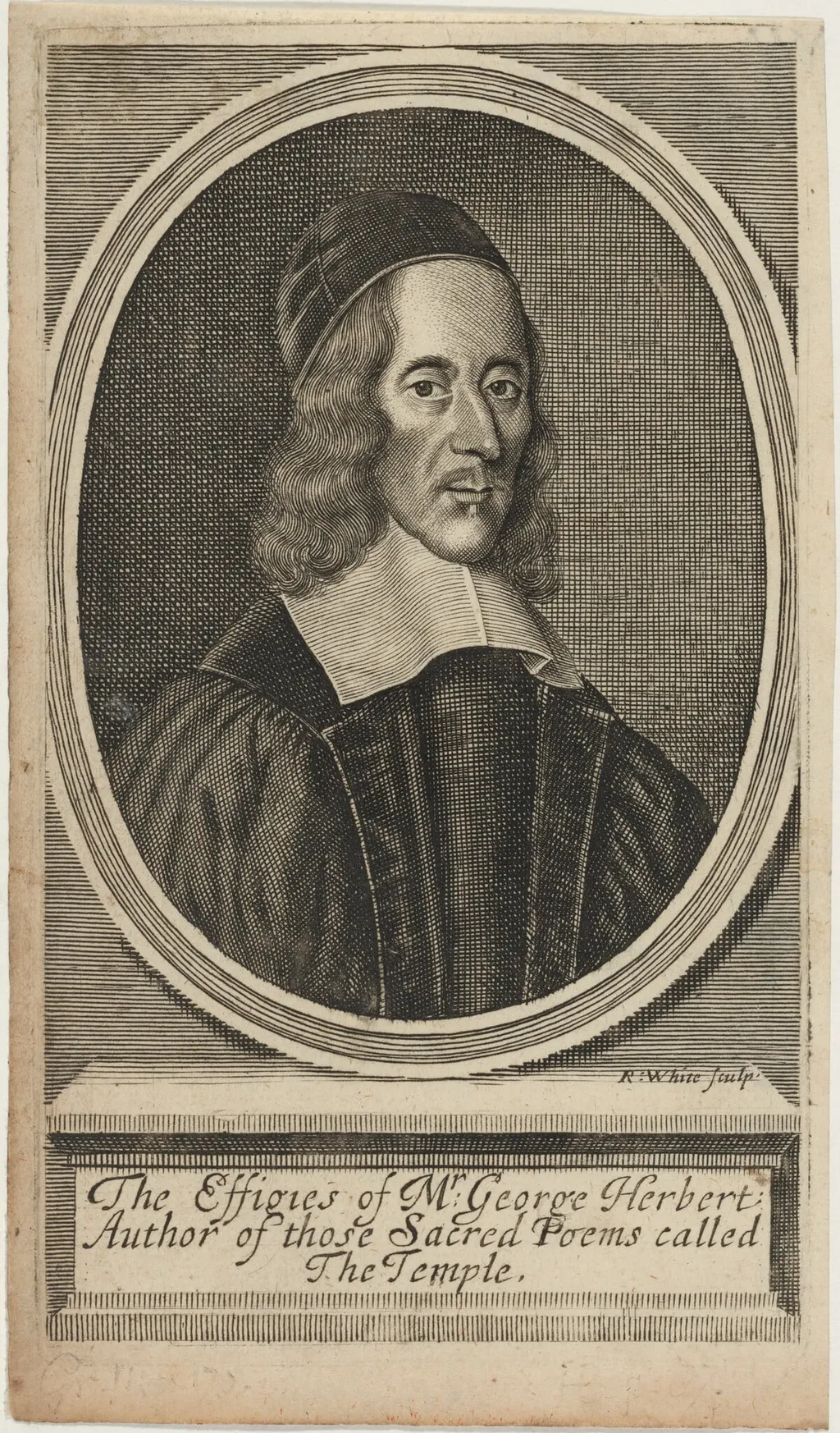
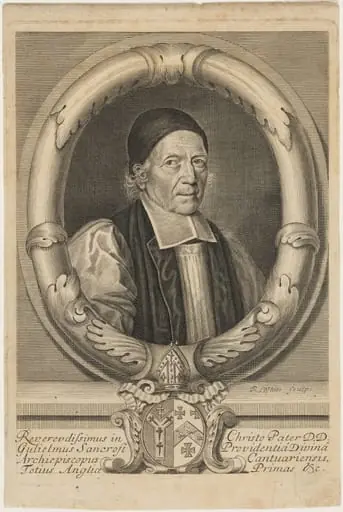
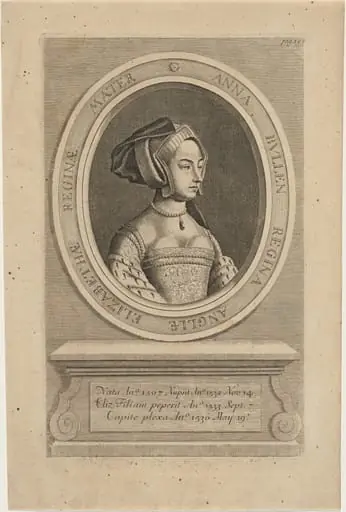
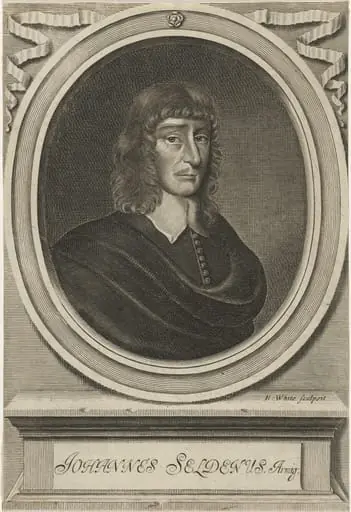
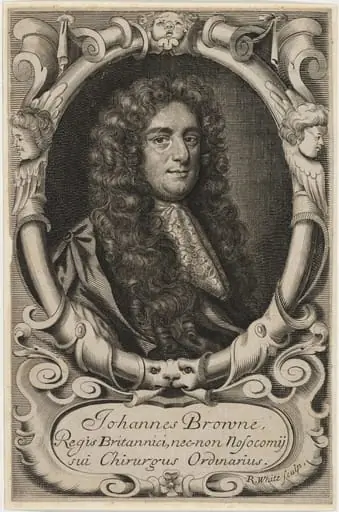
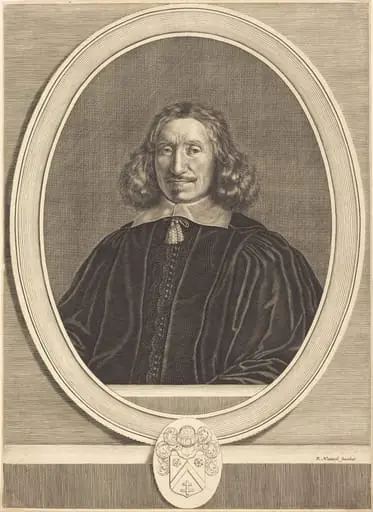
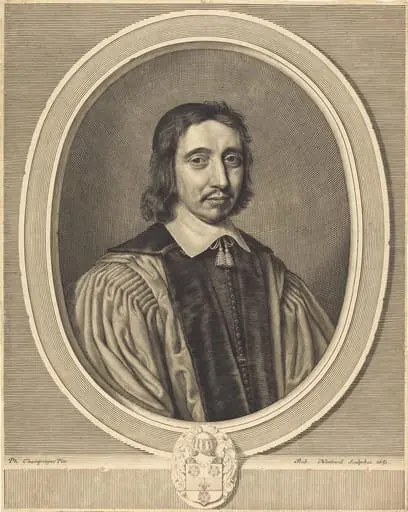
George Herbert, Prebendary of Lincoln, Poet is an ink print by the Baroque artist Robert White. It dates from 1674 and is held in the collection of the National Gallery of Art.
About this work
Overview
This 1674 engraving by Robert White portrays George Herbert, a clergyman and poet, in a formal, circular composition. Executed in fine linear detail, the portrait reflects White’s mastery of the English engraving tradition. The image was created after a preliminary pencil drawing on vellum, a method White employed to capture subtle facial features before transferring them to copper for printing.
Subject & Meaning
' The portrait presents him with solemnity and introspection, aligning his public role as a church official with his private identity as a spiritual writer.
George Herbert, Prebendary of Lincoln, was known for his devotional poetry, particularly the collection 'The Temple.' The portrait presents him with solemnity and introspection, aligning his public role as a church official with his private identity as a spiritual writer. The unadorned collar and restrained expression emphasize humility and intellectual gravity, reinforcing his literary and religious legacy.
Technique & Style
White used fine, controlled lines to render texture in Herbert’s curly hair, the crisp folds of his clerical collar, and the subtle contours of his face. The circular frame and even front lighting focus attention on the subject’s expression. The engraving’s precision—achieved through etching on copper—demonstrates the technical discipline of late 17th-century portrait engraving, prioritizing clarity over ornamentation.
History & Provenance
Created in 1674, the engraving was part of White’s broader project to document notable figures through original drawn studies and printed portraits. It was likely produced for private or scholarly circulation rather than mass distribution. White, trained under David Loggan, maintained a reputation for accuracy, and this work remains one of the most recognized visual records of Herbert from the period.
Context
In the decades following the English Civil War, portraiture in print became a means of preserving the likenesses of religious and intellectual figures. Herbert’s image, circulated among clergy and literary circles, served both as a memorial and a symbol of Anglican piety. Engravings like this one helped shape public perception of writers who bridged sacred duty and poetic expression.
Legacy
White’s engraving endures as the most widely reproduced image of George Herbert. Though not painted from life, its fidelity to his known features and demeanor has made it the standard visual reference for the poet. It continues to accompany editions of 'The Temple' and appears in scholarly works, anchoring Herbert’s literary identity in a tangible, historical form.
Artist & collection
Artist
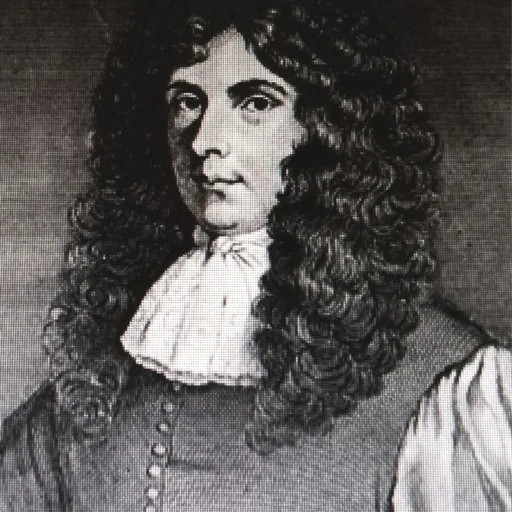
Robert White (1645 – 1703) was an English draughtsman and engraver. A Londoner, he was a pupil of David Loggan, and became a leading portrait engraver. White was celebrated for his original portraits, drawn in pencil on…