Artwork
Christ as Salvator Mundi
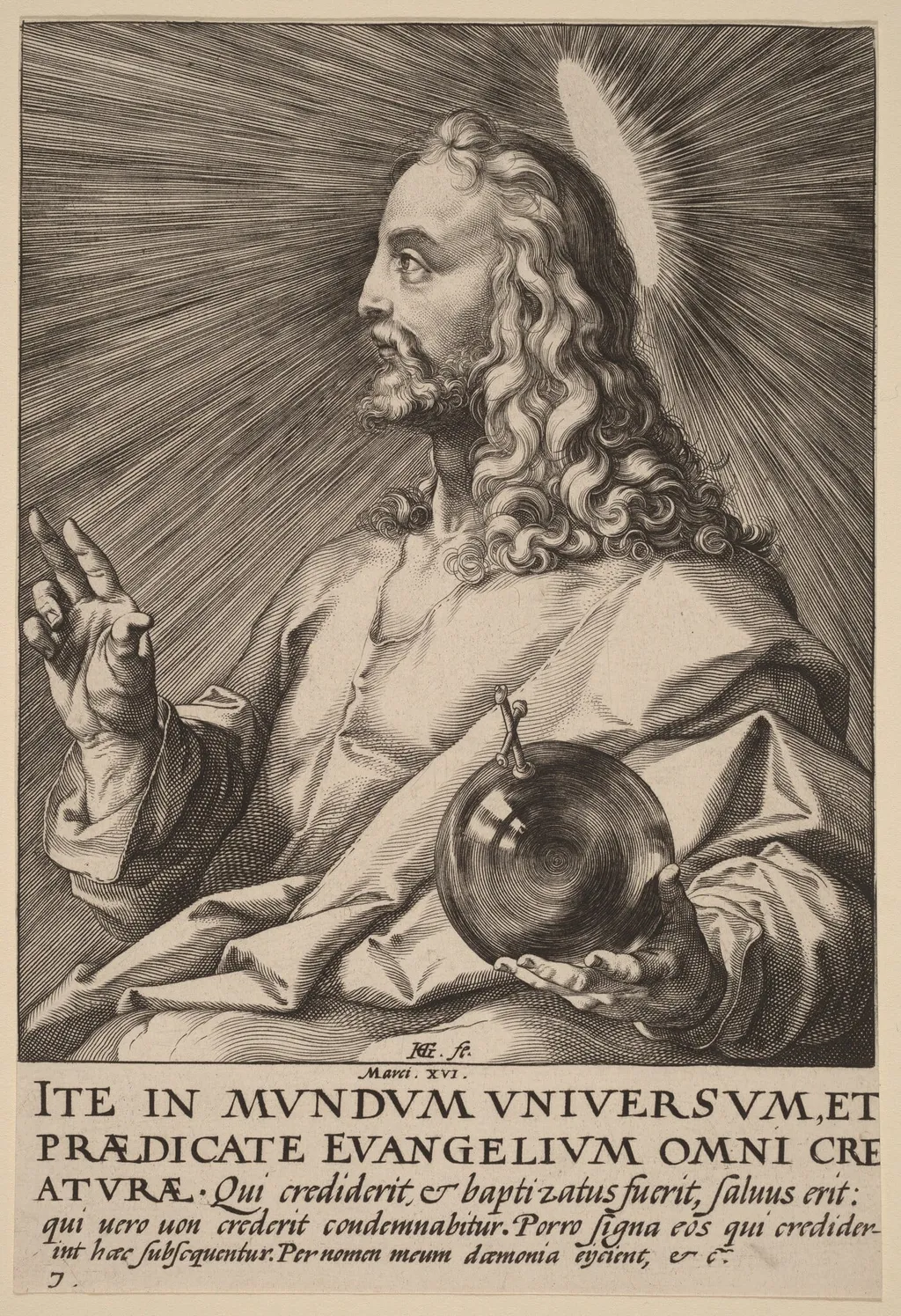
Christ as Salvator Mundi is an ink print by the Renaissance artist Hendrik Goltzius. It dates from 1589 and is held in the collection of the National Gallery of Art.
About this work
Overview
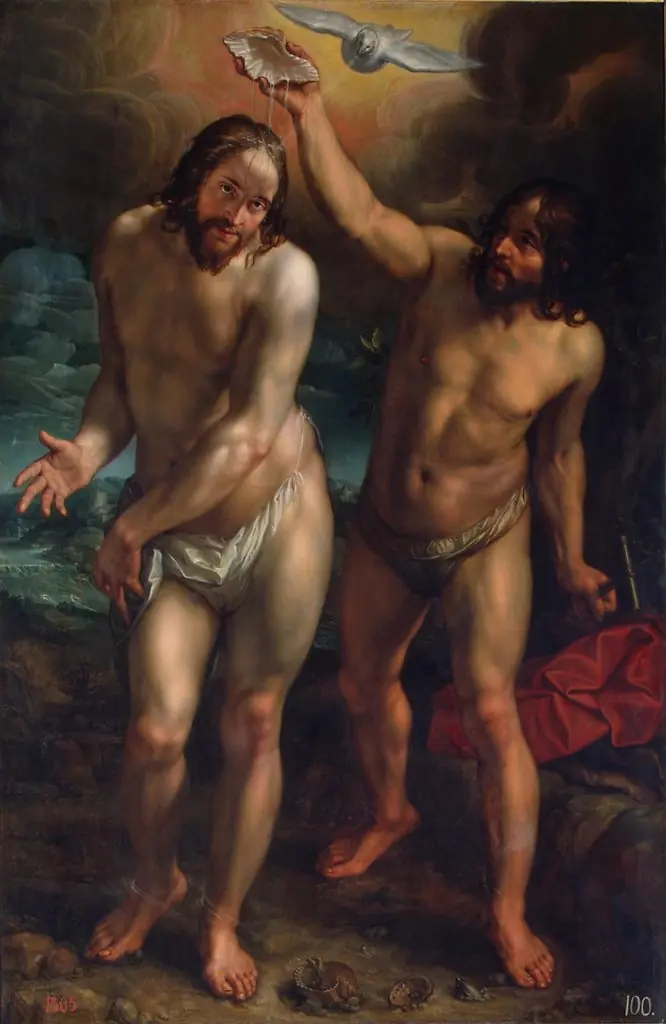
Christ as Salvator Mundi is a circa 1589 engraving by Hendrick Goltzius, a prominent Dutch printmaker and draftsman of the early Baroque/Northern Mannerism period. This black-and-white print portrays a bearded Christ holding a globe in one hand and extending the other in benediction.
Subject & Meaning
The subject is Christ depicted in a traditional Salvator Mundi (Savior of the World) pose, conveying divine authority and benevolence. A Latin inscription at the base reinforces the religious theme, though its specific text is not detailed here.
Technique & Style
Goltzius employed fine-line engraving to achieve detailed shading and texture, notably in Christ's curly hair and robes. This technique was characteristic of adding depth in engravings of the time.
History & Provenance
Created around 1589, the work exemplifies Goltzius's refined technique and compositional elaborateness, hallmarks of his status as a leading engraver of his era. Specific provenance details are not provided.
Context
This engraving reflects the artistic and religious sensibilities of Northern Europe during the late 16th century, blending religious iconography with the technical precision of Northern Mannerism.
Legacy
As a work by Goltzius, *Christ as Salvator Mundi* contributes to the artist's legacy as a master of Dutch Baroque engraving, though its individual impact on the broader art historical canon is not specified here.
Artist & collection
Artist
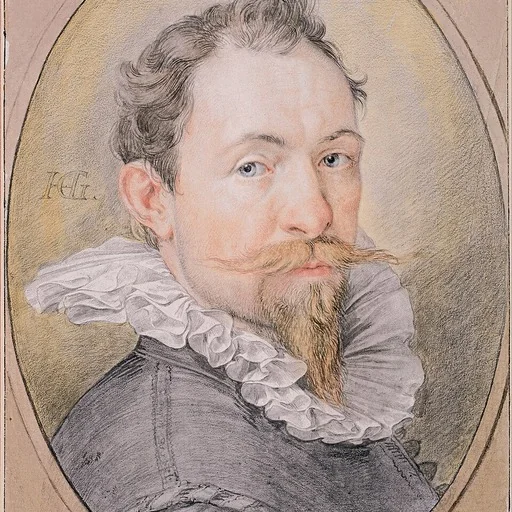
Hendrick Goltzius (German: , Dutch: ; né Goltz; January or February 1558 – 1 January 1617) was a German-born Dutch printmaker, draftsman, and painter.