Artwork
Johannes Zurenus (Jan van Zuren)
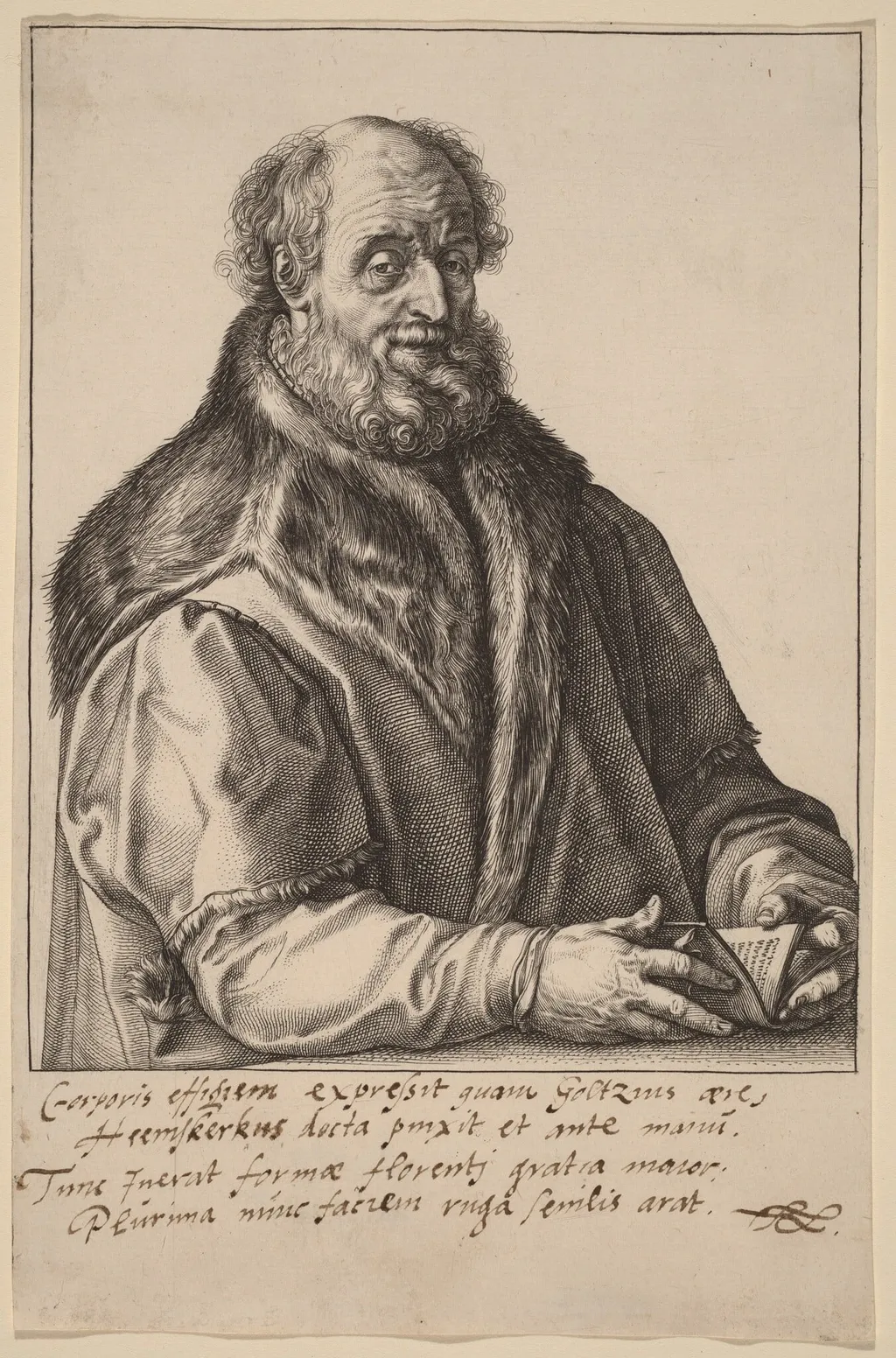
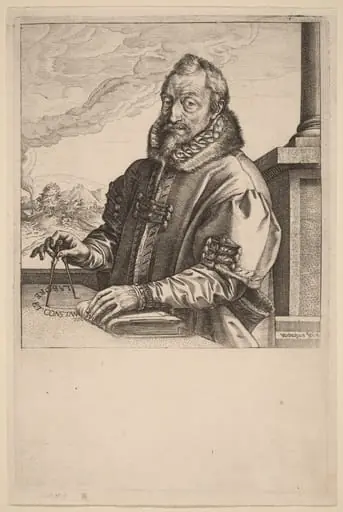
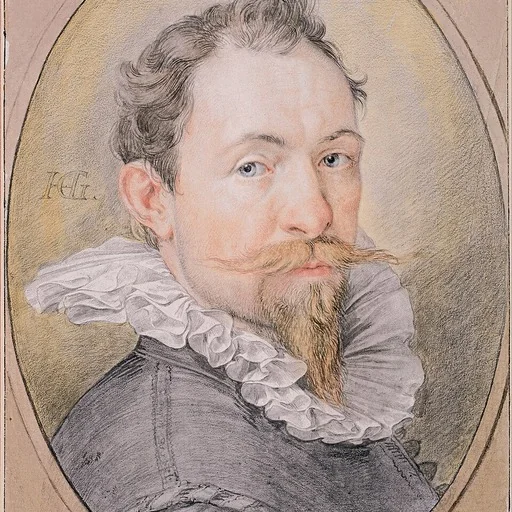
Johannes Zurenus (Jan van Zuren) is an ink print by the Renaissance artist Hendrik Goltzius. It dates from 1590 and is held in the collection of the National Gallery of Art. Created in 1590 by Hendrick Goltzius, this engraving portrays Johannes Zurenus, also known as Jan van Zuren.
About this work
Overview
This work exemplifies his role in the Northern Mannerist tradition, where technical precision and expressive detail were paramount.
Created in 1590 by Hendrick Goltzius, this engraving portrays Johannes Zurenus, also known as Jan van Zuren. As a professional printmaker, Goltzius produced numerous portraits and allegorical scenes during his career. This work exemplifies his role in the Northern Mannerist tradition, where technical precision and expressive detail were paramount. The image is rendered entirely in black and white, relying on line work to convey form and character.
Subject & Meaning
The sitter, Johannes Zurenus, is depicted as an older man with a full beard and a fur-lined collar, suggesting scholarly or civic status. His hands hold a sheet of paper, possibly indicating literacy, authority, or intellectual engagement. His calm, serious expression conveys dignity rather than emotion, aligning with Renaissance ideals of restrained virtue. The portrait functions as a record of individual identity, common among humanist circles of the period.
Technique & Style
Goltzius employed fine-line engraving with meticulous cross-hatching to model volume and texture. Every wrinkle, fold of fabric, and strand of beard is rendered with controlled, deliberate strokes. The absence of tone or shading relies entirely on the density and direction of lines to suggest light and depth. This approach reflects the Northern Mannerist emphasis on virtuosic draftsmanship, where the hand of the artist is visibly present in the precision of each mark.
History & Provenance
The engraving was made during Goltzius’s most productive years in Haarlem, when he was widely regarded as the leading printmaker in the Dutch Republic. While the original commission or patron is unrecorded, the portrait likely served as a private or academic keepsake. It has remained within the tradition of European print collections, valued for its craftsmanship rather than its subject’s fame.
Context
In late 16th-century Northern Europe, engraved portraits were circulated among intellectuals and collectors as symbols of erudition and status. Goltzius’s work emerged amid a flourishing print culture that valued technical skill and the reproduction of humanist ideals. His ability to translate painterly effects into line made his engravings especially sought after, bridging the gap between painting and printmaking traditions.
Legacy
Goltzius’s engravings, including this portrait, influenced generations of printmakers through their emphasis on line as a vehicle for expression. His technical innovations in engraving set new standards for detail and tonal nuance. Though the identity of Zurenus remains obscure, the work endures as an example of how portraiture in print could convey presence and character with extraordinary subtlety.
Artist & collection
Artist
Hendrick Goltzius (German: , Dutch: ; né Goltz; January or February 1558 – 1 January 1617) was a German-born Dutch printmaker, draftsman, and painter.