Artwork
The Rape of Europa
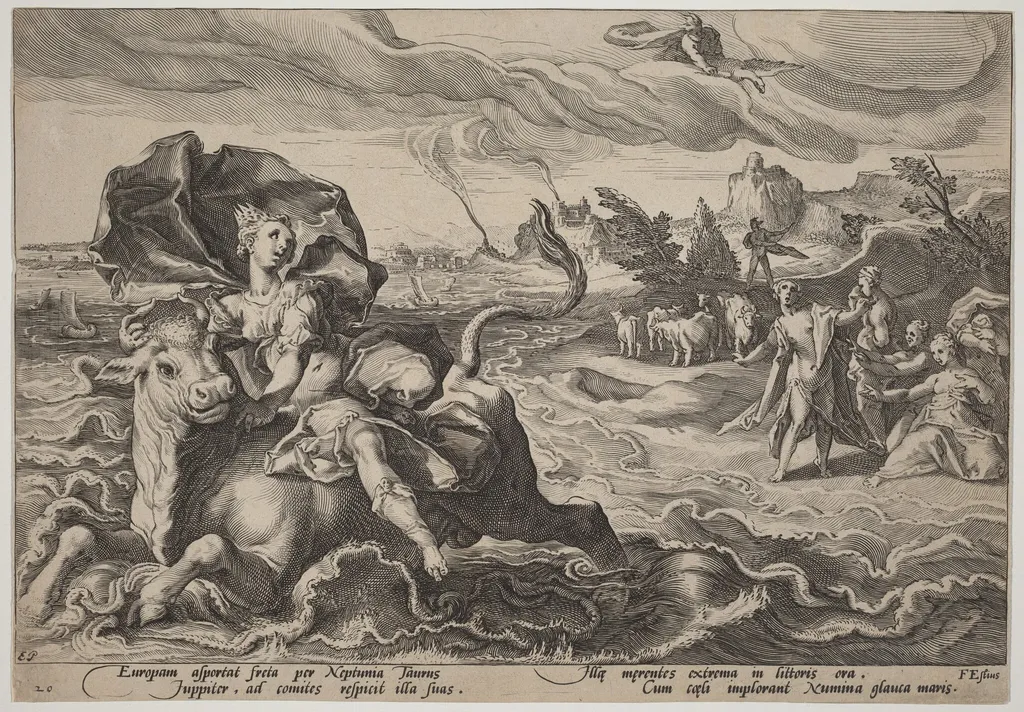
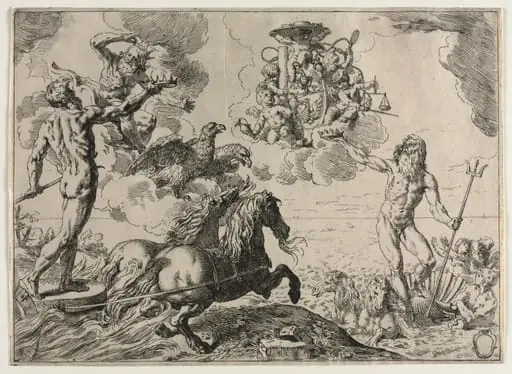
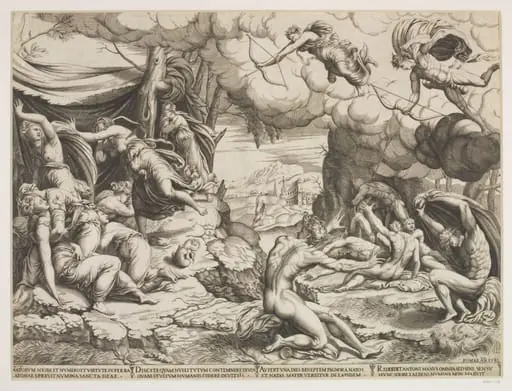
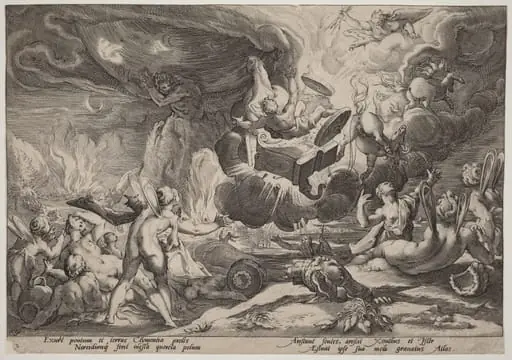
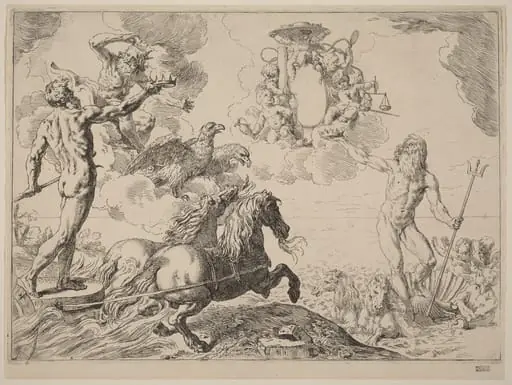
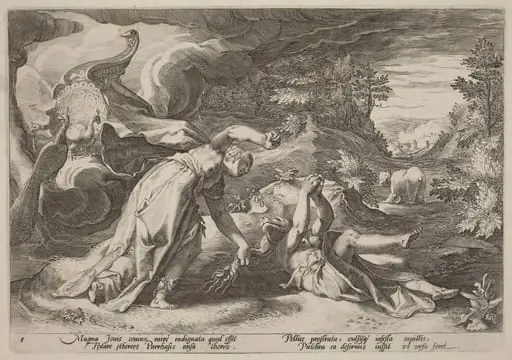
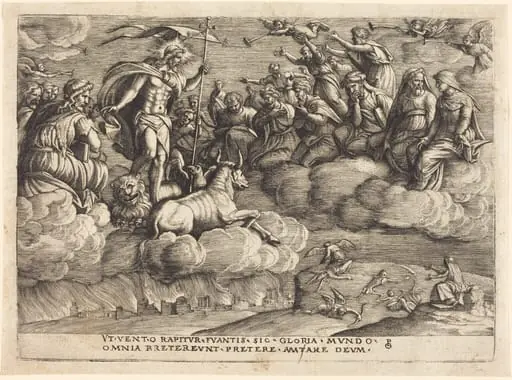
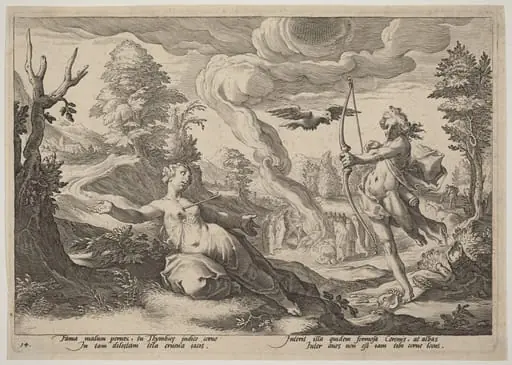
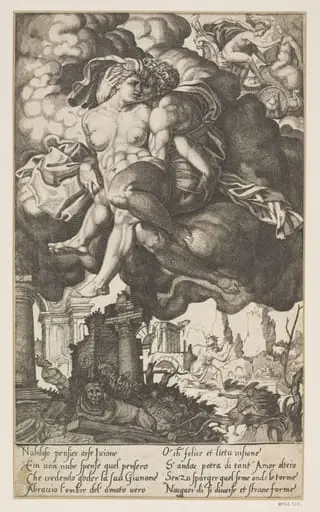
The Rape of Europa is an ink print by the Renaissance artist Hendrik Goltzius. It dates from 1589 and is held in the collection of the National Gallery of Art. Created in 1558, this engraving by Hendrick Goltzius captures a moment from classical mythology on a small sheet of laid paper.
About this work
Overview
Though Goltzius was born in Germany, he worked primarily in the Netherlands and became renowned for his precise, intricate line work.
Created in 1558, this engraving by Hendrick Goltzius captures a moment from classical mythology on a small sheet of laid paper. Though Goltzius was born in Germany, he worked primarily in the Netherlands and became renowned for his precise, intricate line work. The print is a technical exercise in density and motion, rendered entirely through engraved copperplate lines that convey turbulence and urgency within a confined space.
Subject & Meaning
The scene illustrates the myth of Europa, a Phoenician princess abducted by Jupiter, who disguised himself as a gentle bull to lure her aboard. As she rides the creature into the sea, figures on the shore react with alarm—one man gestures wildly, others flee. A burning city in the distance suggests the rupture of her world. The Latin inscription below confirms the narrative, anchoring the chaos in a well-known tale of divine deception and loss.
Technique & Style
Goltzius employed fine, controlled engraving lines to simulate motion and texture: waves are rendered with sharp, intersecting strokes; the bull’s musculature is defined by rhythmic contours; the stormy sky is suggested by sparse, angular hatching. Despite the print’s small scale, every element—figures, architecture, foliage—is densely packed and articulated. His technique reflects Northern Mannerist ideals, emphasizing virtuosity and emotional intensity over naturalism.
History & Provenance
The print was made during Goltzius’s early career, before he traveled to Rome, when his style was still shaped by Flemish and German engraving traditions. It circulated widely among collectors and artists in the Low Countries, serving as both a demonstration of skill and a vehicle for mythological storytelling. No definitive early ownership records survive, but its survival in multiple institutional collections suggests enduring interest among connoisseurs.
Context
In mid-16th-century Europe, mythological subjects were popular in prints, often commissioned by humanist patrons who valued classical learning. Goltzius’s work responded to this demand while pushing technical boundaries. His ability to compress complex narratives into single images aligned with the era’s fascination with intellectual display and the expressive potential of the printed image as a medium for wide dissemination.
Legacy
This engraving exemplifies Goltzius’s influence on later Northern printmakers, particularly in the handling of dynamic composition and fine-line detail. Though later artists favored broader tonal effects, his precision remained a benchmark. The work continues to be studied for its synthesis of narrative clarity and technical ambition, offering insight into how myth was visually translated in early modern print culture.
Artist & collection
Artist
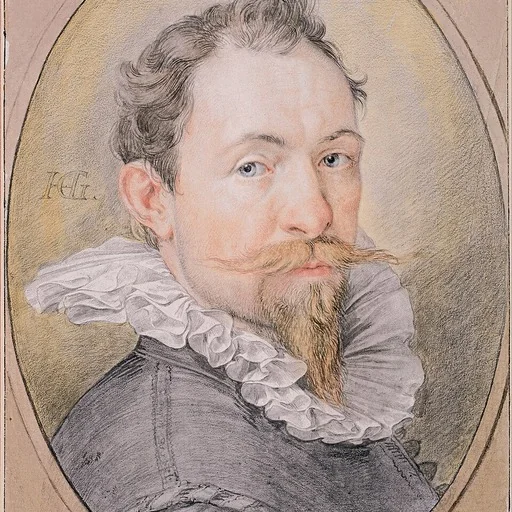
Hendrick Goltzius (German: , Dutch: ; né Goltz; January or February 1558 – 1 January 1617) was a German-born Dutch printmaker, draftsman, and painter.