Artwork
The Fall of Phaeton
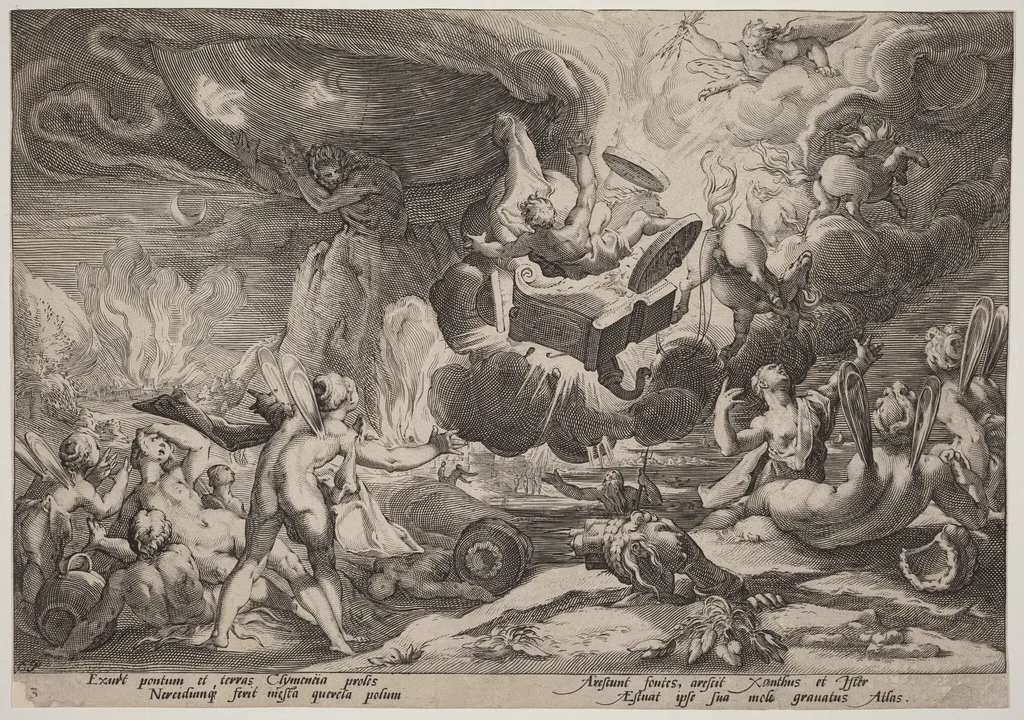
The Fall of Phaeton is an ink print by the Renaissance artist Hendrik Goltzius. It dates from 1600 and is held in the collection of the National Gallery of Art.
About this work
Overview
The Fall of Phaeton is a circa 1600 engraving on laid paper by Hendrick Goltzius, a prominent Dutch printmaker and draftsman of the early Baroque/Northern Mannerism period.
Subject & Meaning
The work illustrates the myth of Phaeton, son of Helios, who loses control of the sun chariot and falls to earth, conveying a scene of chaotic downfall.
Technique & Style
Goltzius employed cross-hatching to achieve depth and texture, characteristic of his technical mastery. The composition features multiple figures in dynamic poses against a dramatic, darkened sky with clouds and a crescent moon.
History & Provenance
Created around 1600 by Hendrick Goltzius, a German-born Dutch artist renowned as the leading engraver of his time.
Context
Part of the Northern Mannerism/early Baroque period, this work reflects the artistic trends of the late 16th to early 17th centuries in Europe.
Legacy
While specific legacy details of *The Fall of Phaeton* are not provided, Goltzius's overall body of work influenced subsequent generations of Dutch and European printmakers.
Artist & collection
Artist
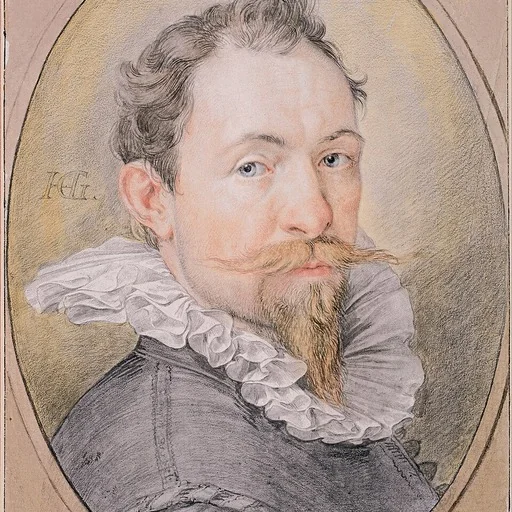
Hendrick Goltzius (German: , Dutch: ; né Goltz; January or February 1558 – 1 January 1617) was a German-born Dutch printmaker, draftsman, and painter.

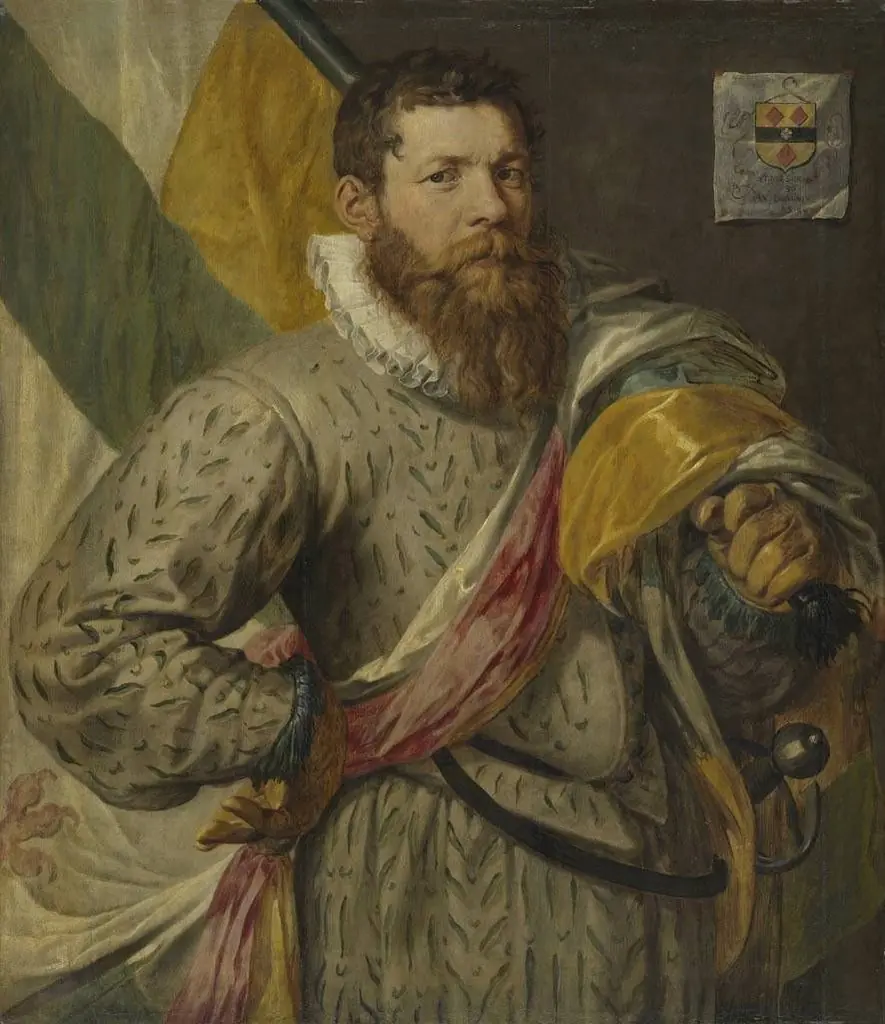
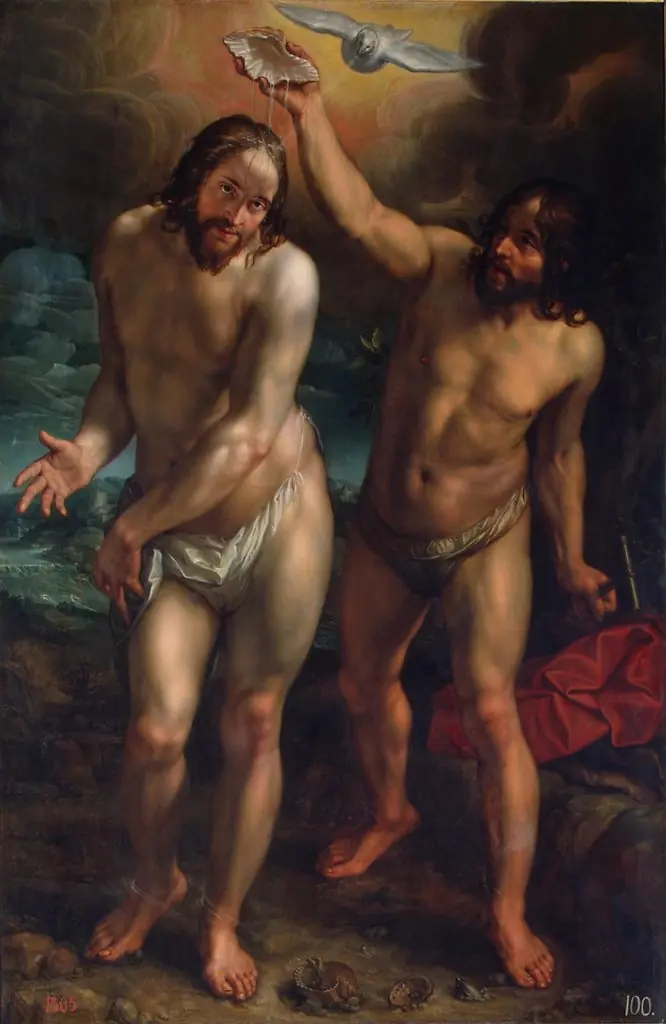
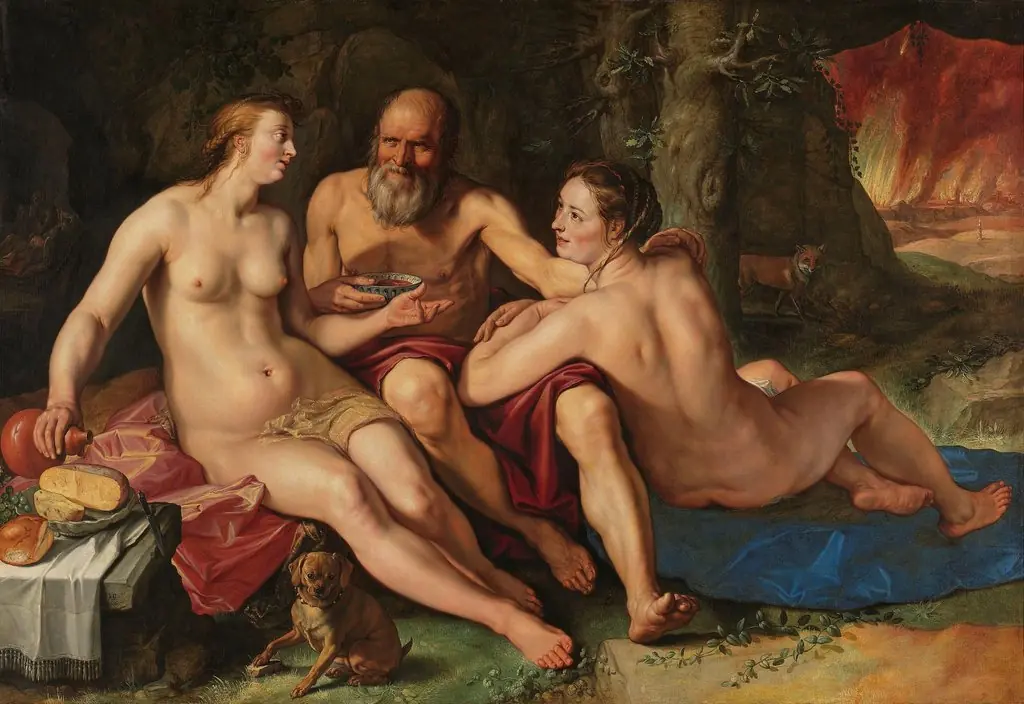
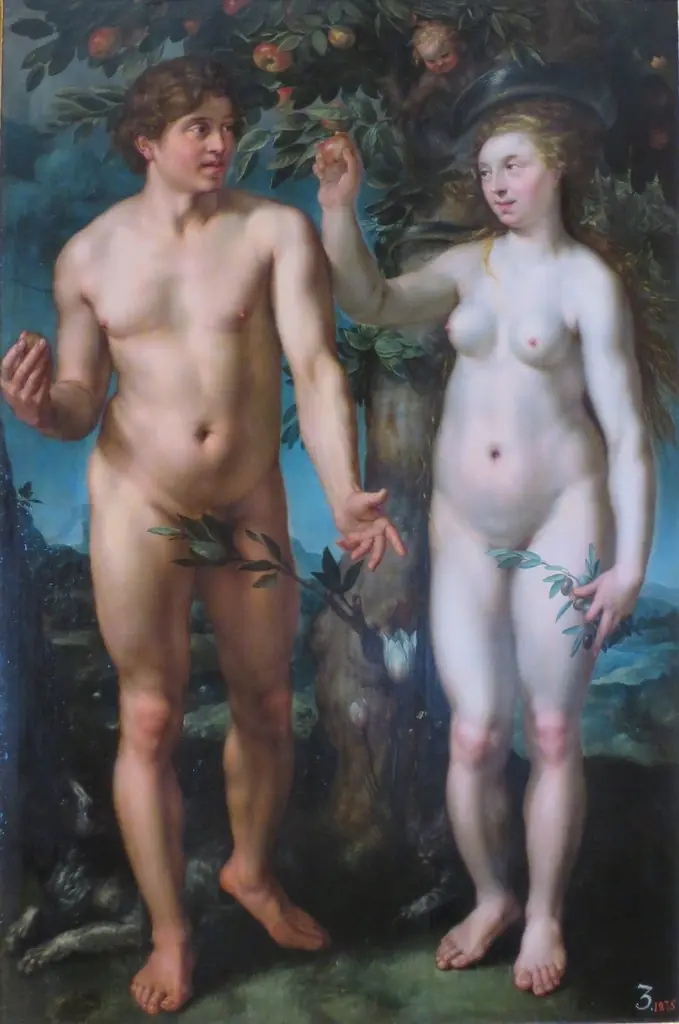
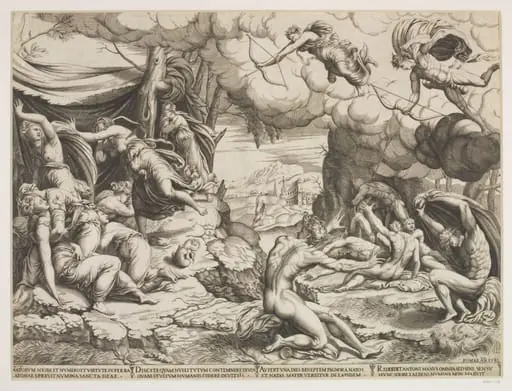 The Daughters of Niobe
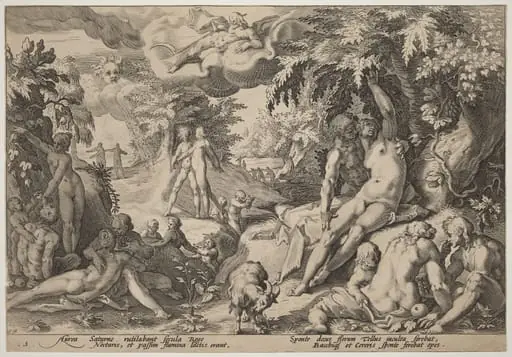 The Golden Age
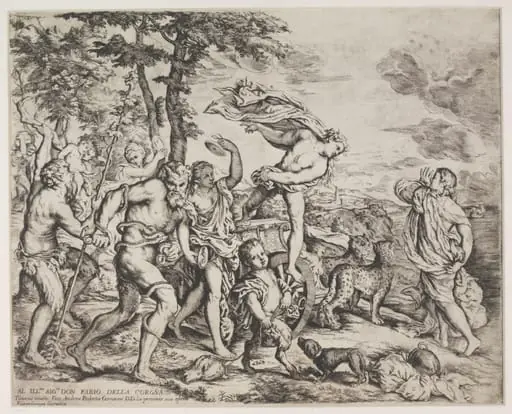 Bacchus and Ariadne
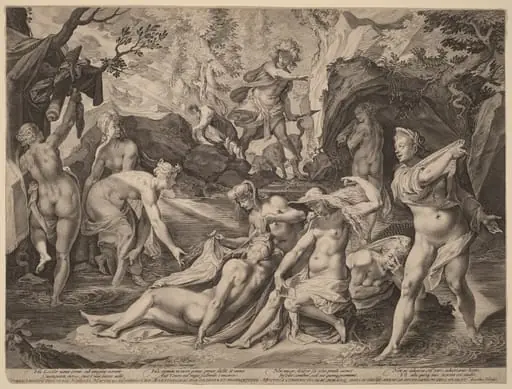 Diana Surprised by Actaeon
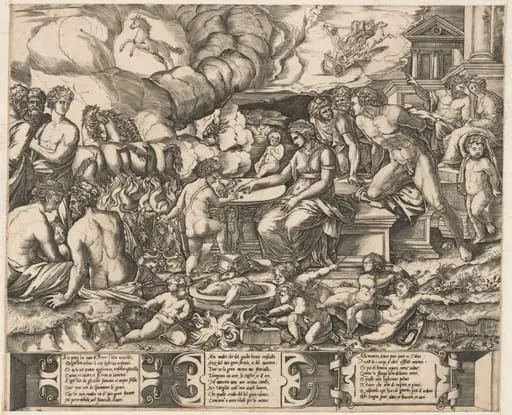 Allegory of Love
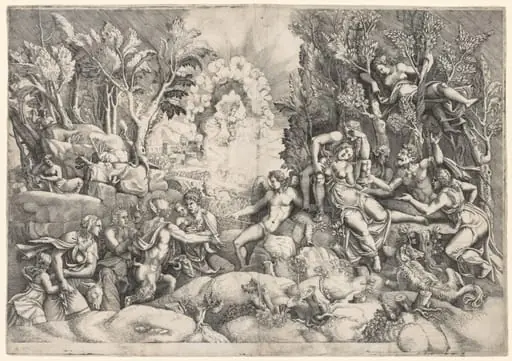 The Death of Procris
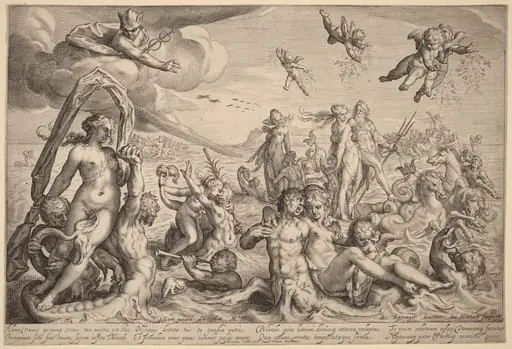 The Triumph of Neptune and Thetis
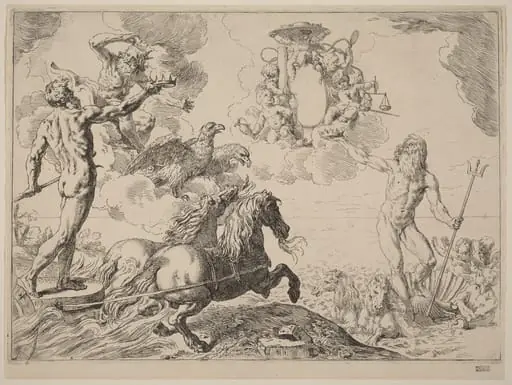 Jupiter, Neptune and Pluto
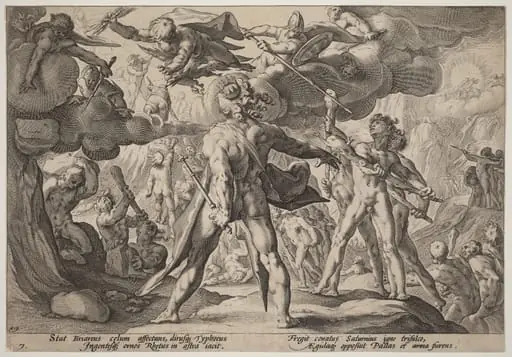 The Giants Climbing the Heavens
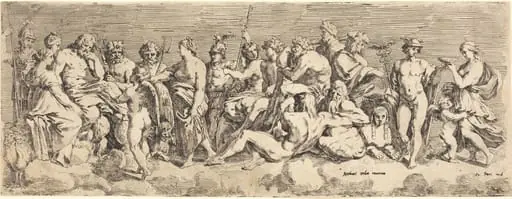 The Admission of Psyche to Olympia
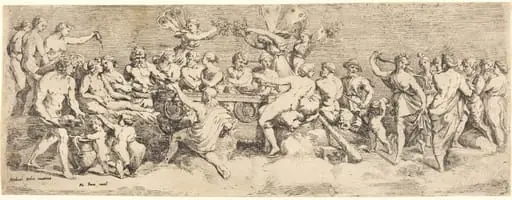 The Wedding Feast of Cupid and Psyche
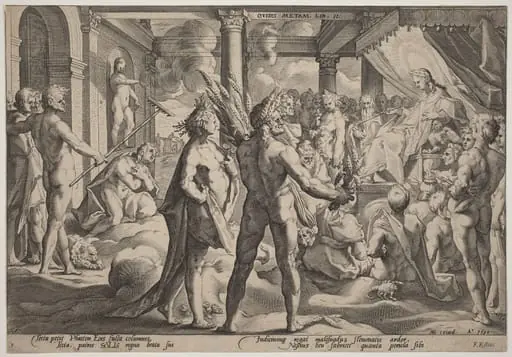 Phaeton Asking for the Chariot