Artwork
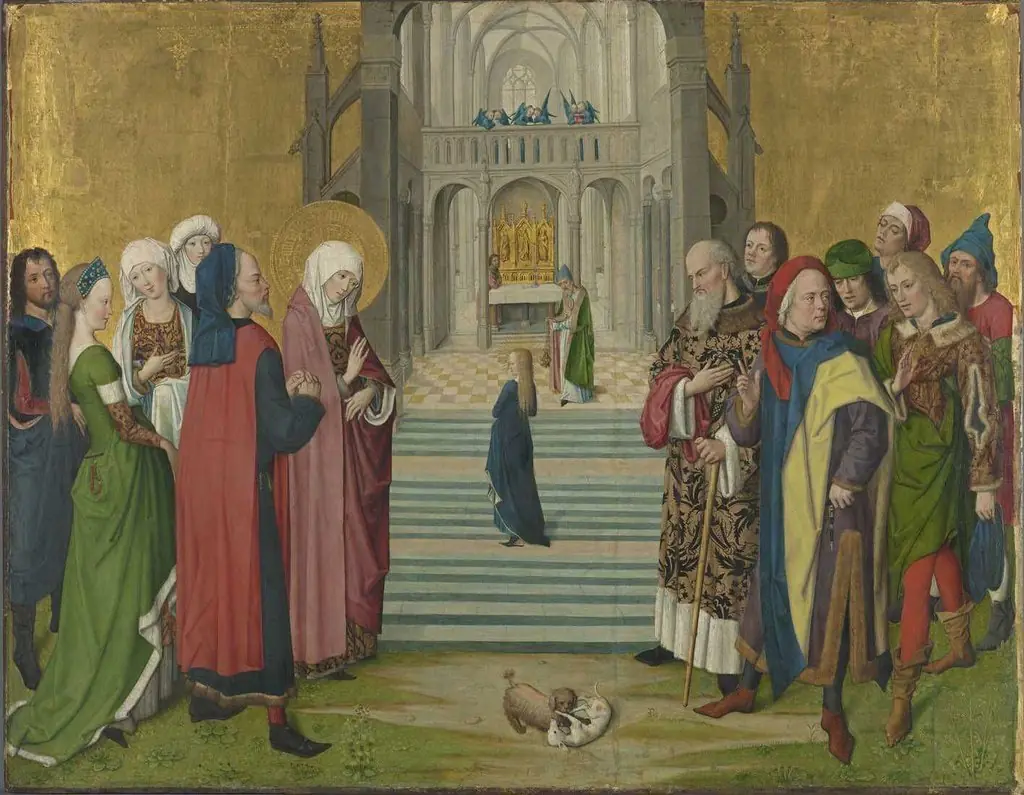
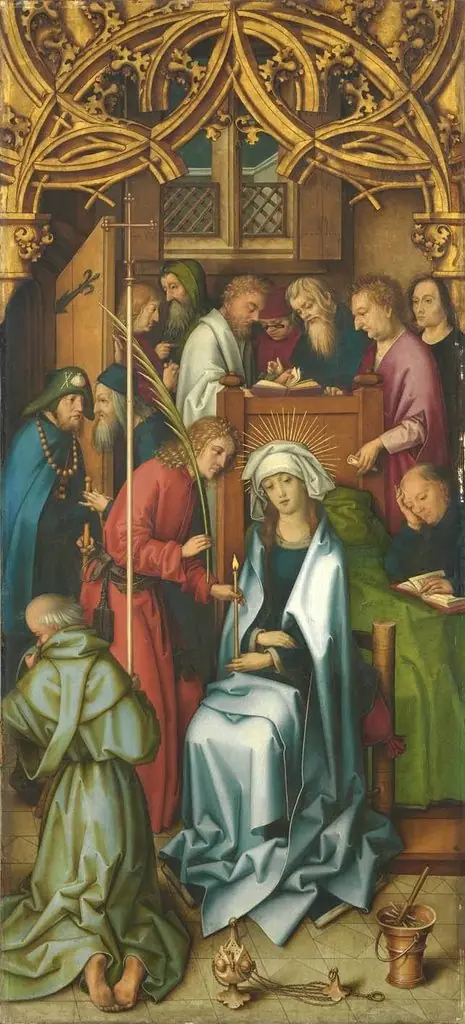
Kaisheimer Altar: Tempelgang Mariens
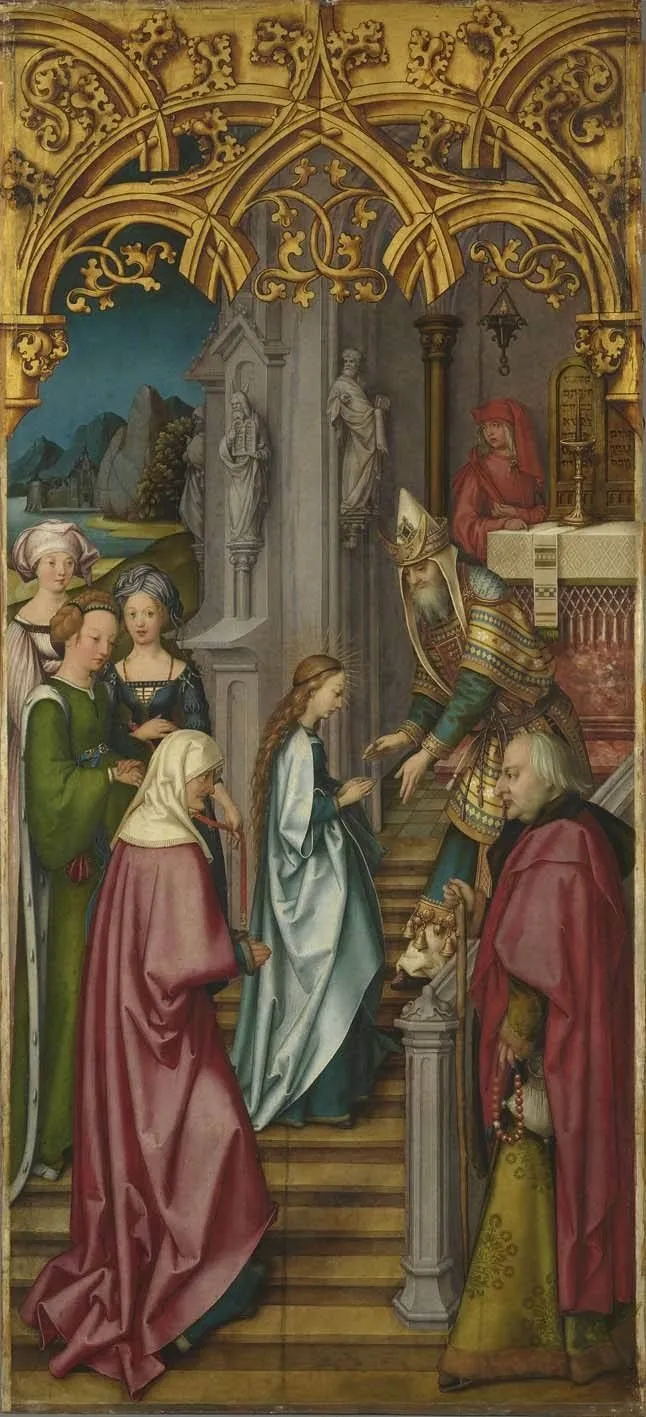
Kaisheimer Altar: Tempelgang Mariens is an unspecified painting by the Northern Renaissance artist Hans Holbein the Elder. It dates from 1502 and is held in the collection of the Bavarian State Painting Collections.
About this work
Overview
Created in 1502 by Hans Holbein the Elder, the Kaisheimer Altar: Tempelgang Mariens is a panel painting belonging to the early northern Renaissance. The work is part of the collection of the Alte Pinakothek in Munich and illustrates a devotional interior scene typical of the period’s altar commissions.
Subject & Meaning
The composition presents a richly appointed interior where a woman in a blue garment stands beside a staircase, while two men in vivid red robes converse. Statues occupy the surrounding niches, and the gilded arches and wall decorations emphasize the sacred atmosphere, suggesting a narrative of pilgrimage or Marian devotion within a temple setting.
Technique & Style
Holbein employs precise linear perspective to render the architectural space, and his handling of gold leaf on the walls creates a luminous effect. The figures are rendered with careful modeling, contrasting the calm demeanor of the woman with the animated gestures of the men, reflecting the artist’s attention to individual character within a unified setting.
History & Provenance
The altar panel was originally commissioned for a church in Kaisheim and later entered the collection of the Bavarian State, eventually being displayed in the Alte Pinakothek. Its survival through the centuries provides insight into the devotional art practices of early 16th‑century Germany.
Context
Holbein the Elder worked within the northern Renaissance, a movement that blended Gothic traditions with emerging Italian influences. The painting’s elaborate interior and use of gold echo contemporary ecclesiastical decoration, while its narrative focus aligns with the period’s emphasis on personal piety and Marian veneration.
Artist & collection
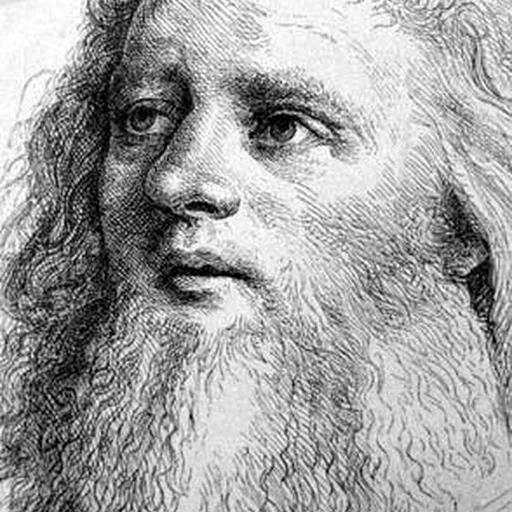
Artist
Hans Holbein the Elder (c. 1460/65 – 1524) was a German painter of the early German Renaissance. He was the father of painters Ambrosius and Hans the Younger.

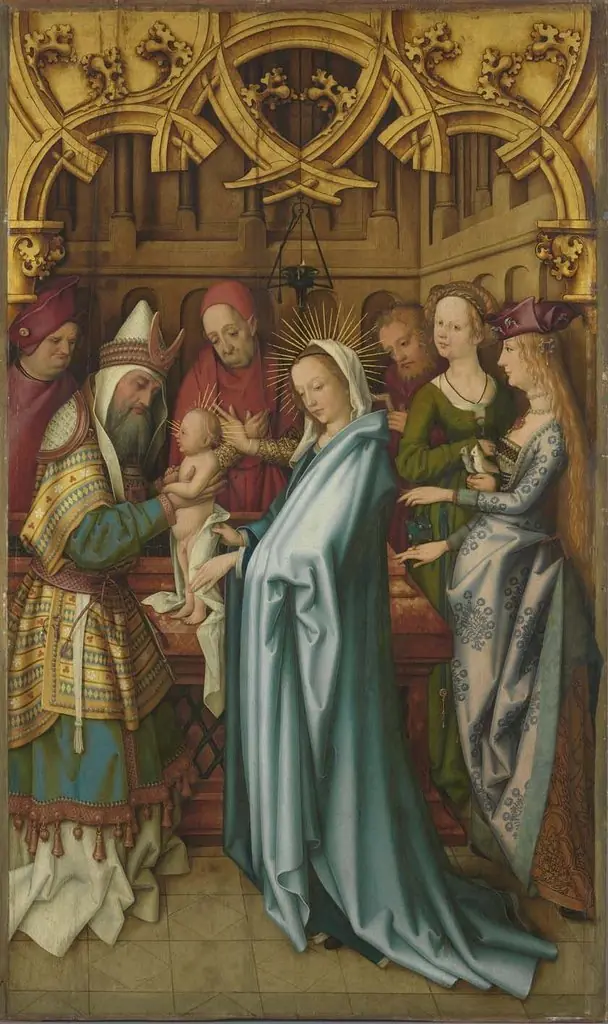 Kaisheimer Altar: Darbringung im Tempel
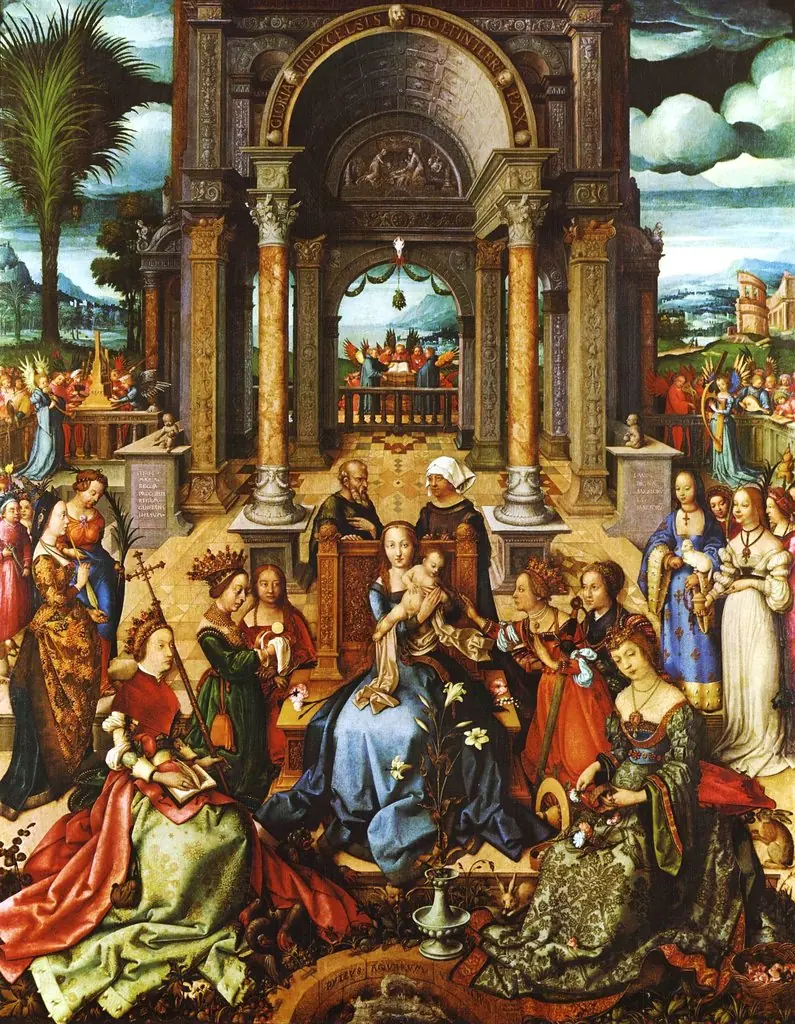 Virgin with Child by Hans Holbein the Elder, Museu Nacional de Arte Antiga
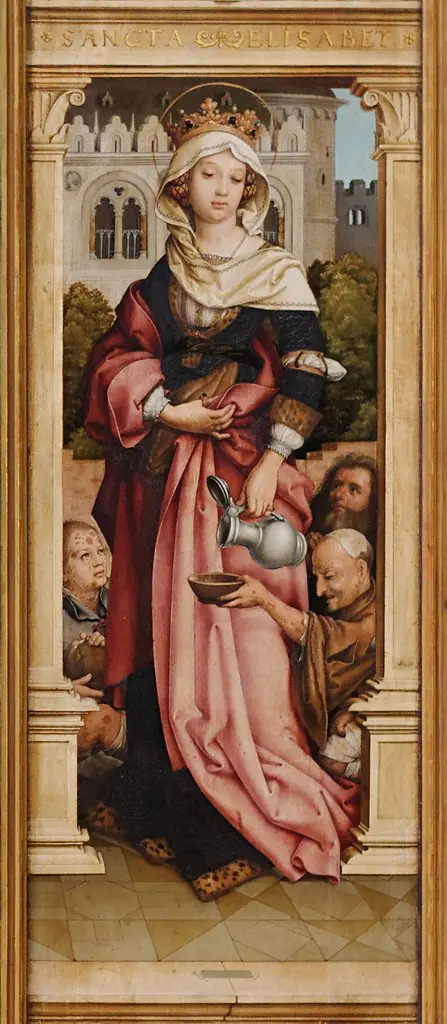 St. Sebastian Altar: St. Elizabeth of Hungary
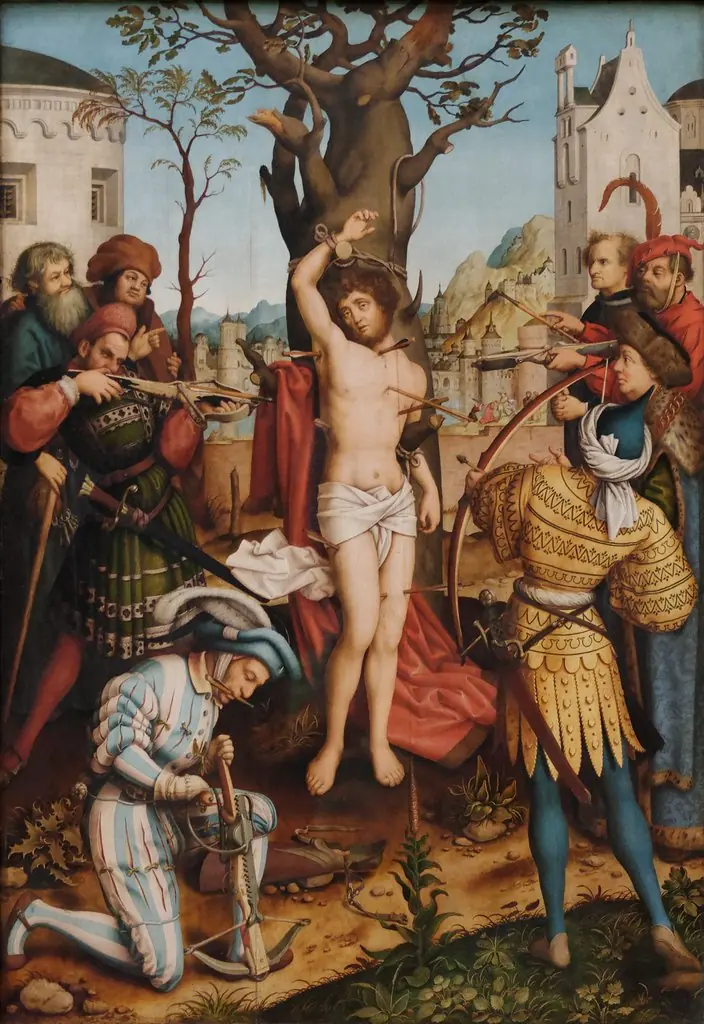 St. Sebastian Altar: The Martyrdom of St. Sebastian
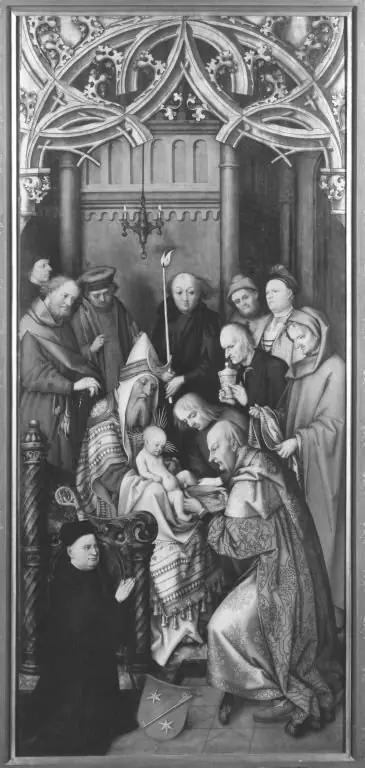 Kaisheimer Altar: Beschneidung Christi
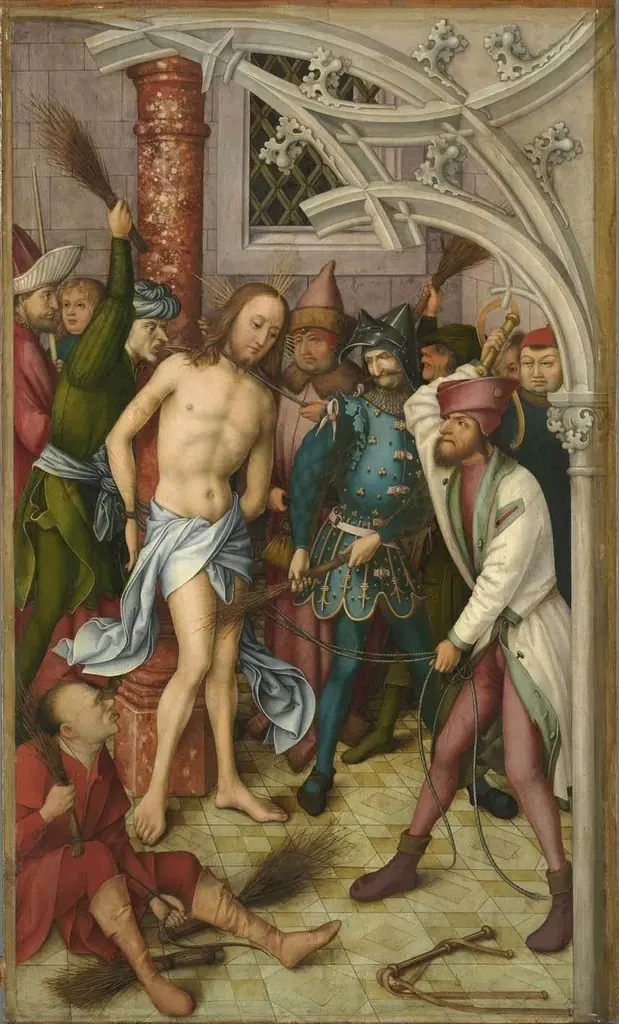 Kaisheimer Altar: Geißelung Christi
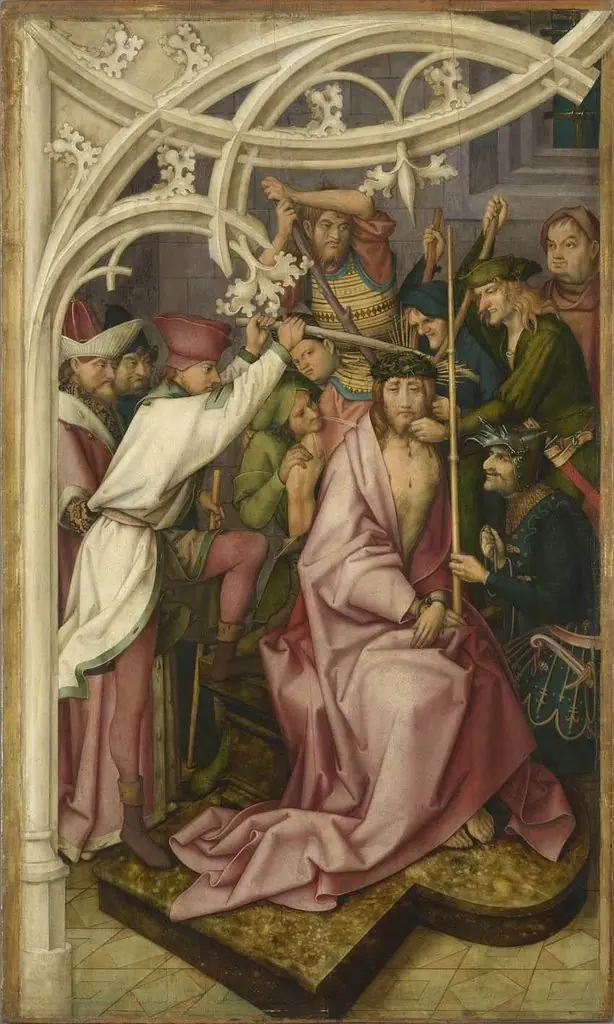 Kaisheimer Altar: Dornenkrönung Christi
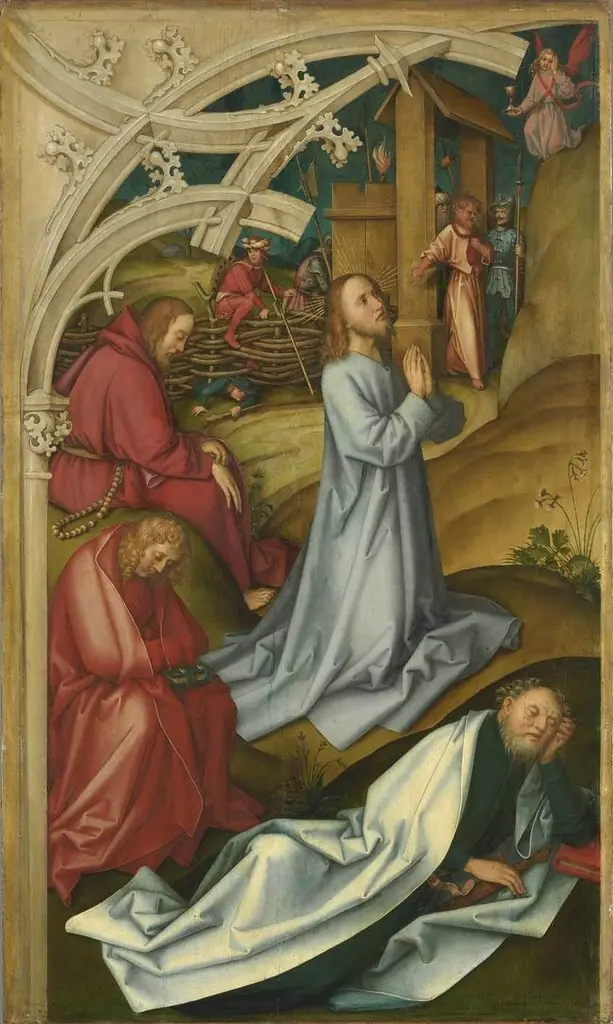 Kaisheimer Altar: Christus am Ölberg
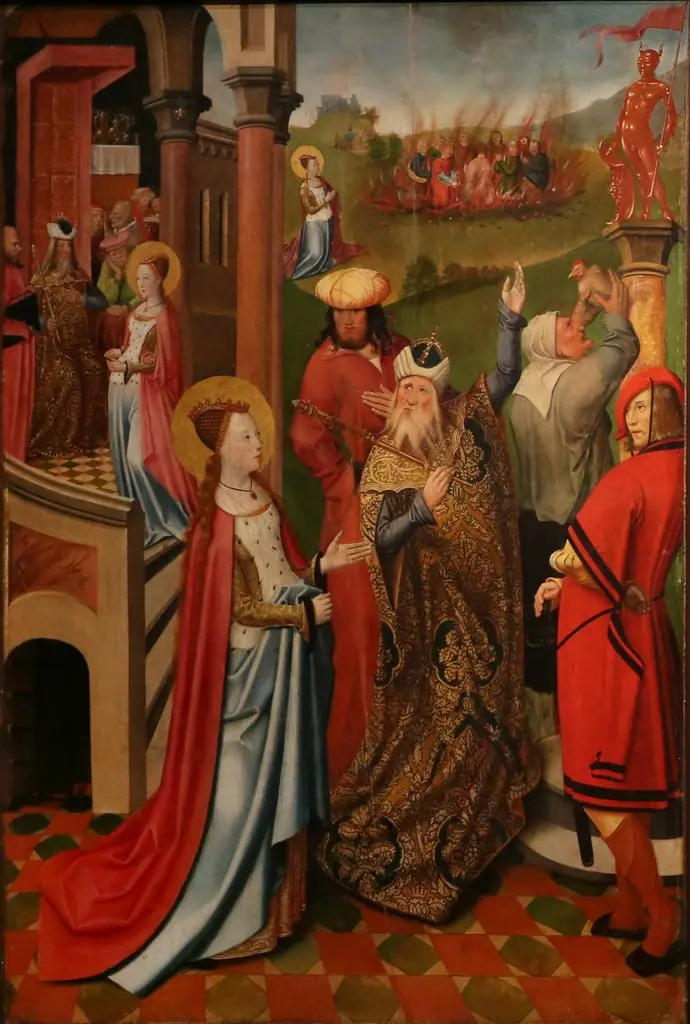 Saint Catherine refuses idolatry
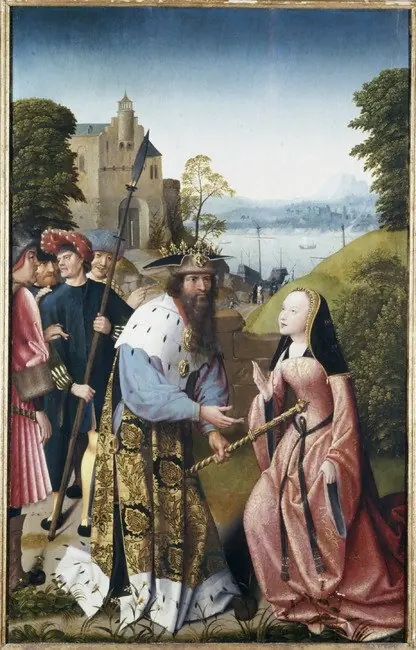 Dymphna’s Father Proposes to her
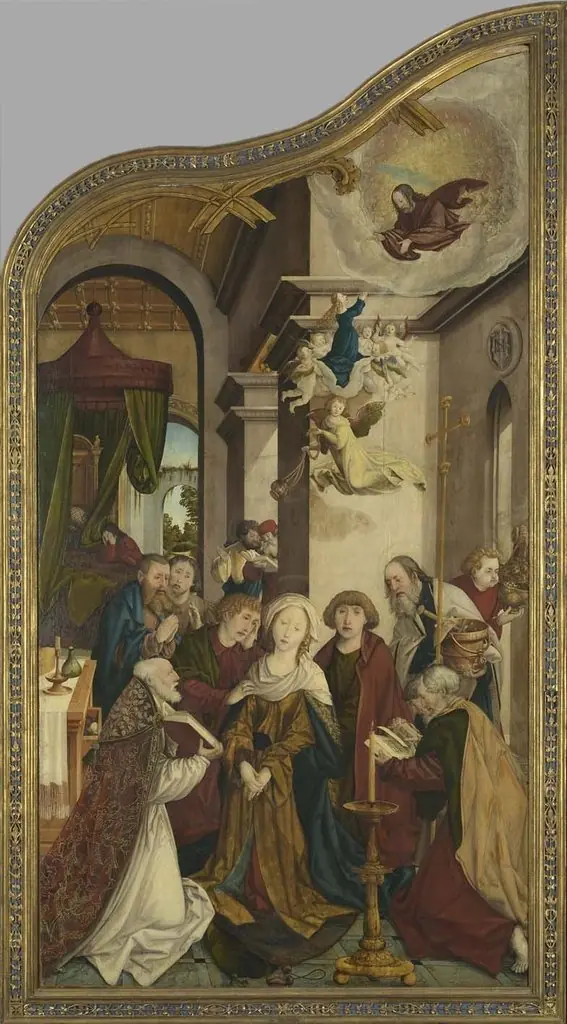 Wettenhauser Hochaltar: Tod Mariae Rückseite: Abschied Christi (rechte Hälfte) mit Stifter Ulrich Hieber
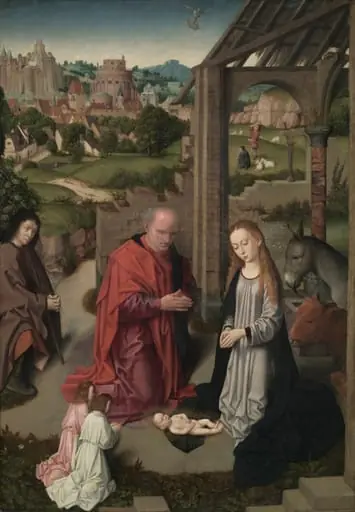 The Nativity
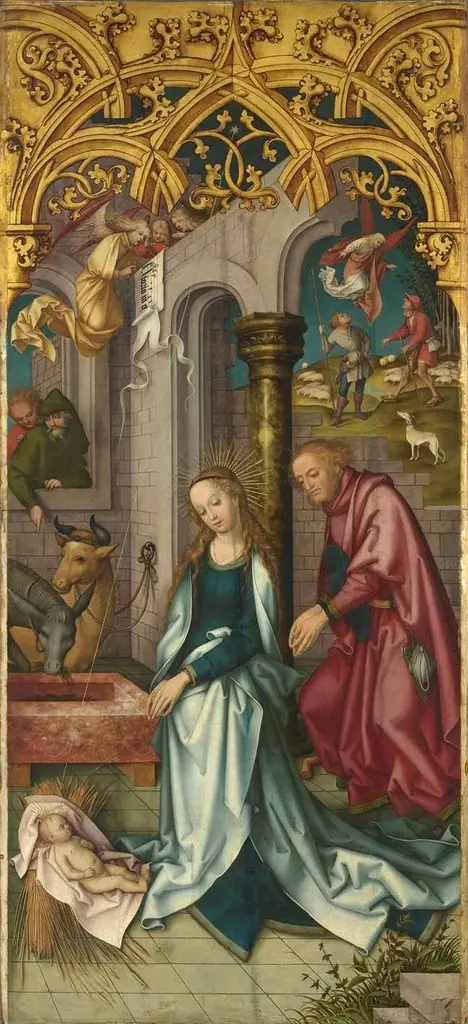 Kaisheimer Altar: Geburt Christi
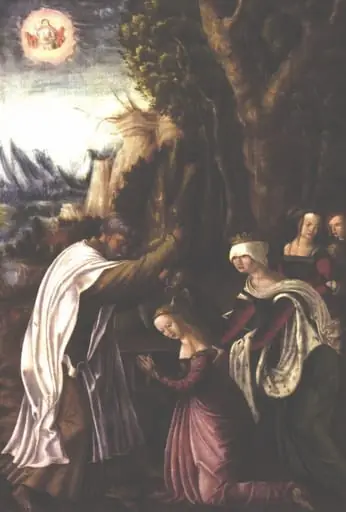 Botezul sfintei Ecaterina
 The life of Mary: the presentation of Mary in the temple
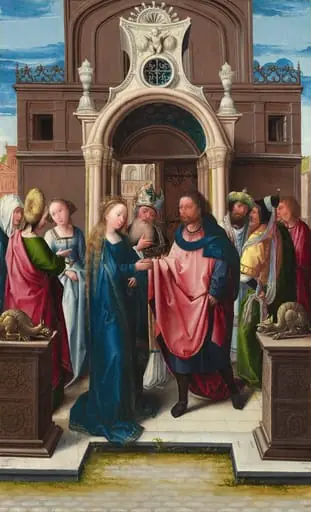 The Marriage of the Virgin
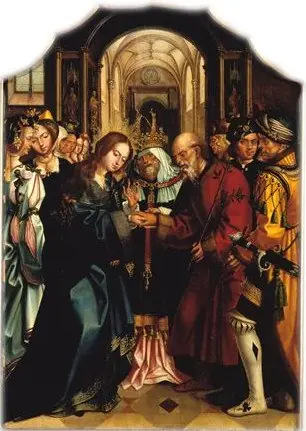 Casamento da Virgem
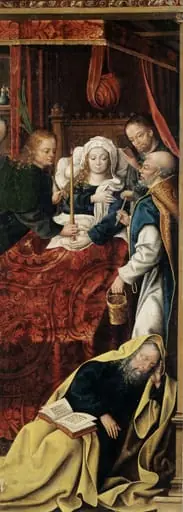 Altarflügel Marientod
 Kaisheimer Altar: Tod Mariens