Artwork
Mitre and Motto of Tongerlo Abbey
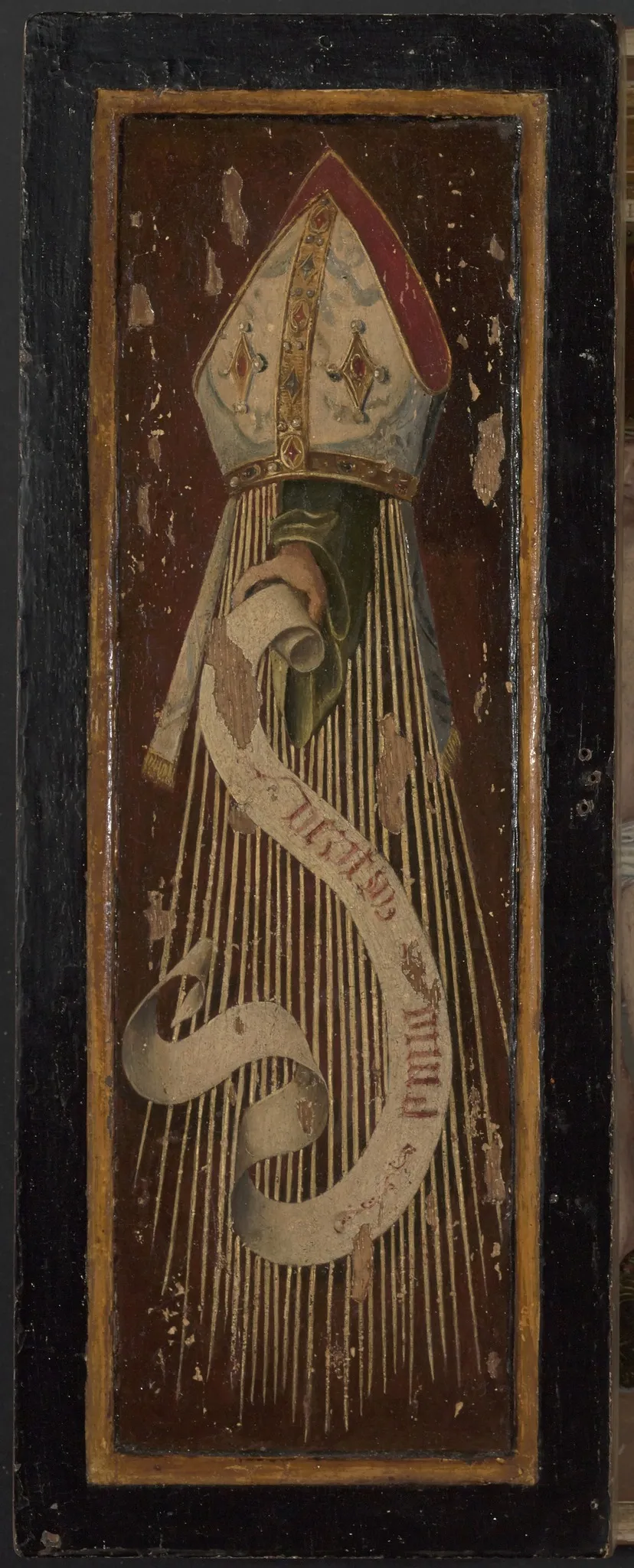
Mitre and Motto of Tongerlo Abbey is an oil painting by the Northern Renaissance artist Goswin van der Weyden. It dates from 1507 and is held in the collection of the Royal Museum of Fine Arts Antwerp.
About this work
Overview
Painted in 1507 by Goswin van der Weyden, this oil-on-panel work presents the ceremonial mitre and motto of Tongerlo Abbey, a Cistercian monastery in modern-day Belgium. Executed with precision characteristic of early 16th-century Flemish art, the painting functions as a devotional or institutional portrait rather than a narrative scene. It resides today in the Royal Museum of Fine Arts Antwerp, where it reflects the regional tradition of religious iconography rendered in intimate, detailed form.
Subject & Meaning
The painting centers on a liturgical mitre, the ceremonial headpiece worn by bishops, paired with a ribbon bearing an inscription in red lettering.
The painting centers on a liturgical mitre, the ceremonial headpiece worn by bishops, paired with a ribbon bearing an inscription in red lettering. These elements symbolize the spiritual authority and identity of Tongerlo Abbey. The absence of human figures directs focus to the abbey’s emblematic objects, suggesting a commemorative purpose—perhaps to honor its leadership or affirm its ecclesiastical status within the broader Church hierarchy.
Technique & Style
Van der Weyden employed oil paint to achieve subtle gradations of light and texture, particularly in the mitre’s embroidered patterns and the ribbon’s flowing folds. The dark, unmodulated background isolates the objects, enhancing their presence as sacred artifacts. The rendering is meticulous but restrained, avoiding theatricality; details like threadwork and inked script are rendered with quiet accuracy, reflecting the Northern Renaissance emphasis on material truth and devotional clarity.
History & Provenance
Commissioned likely by the abbey itself, the painting remained in ecclesiastical hands until entering the Royal Museum of Fine Arts Antwerp’s collection. Its survival through centuries of religious upheaval, including the Protestant Reformation and French Revolutionary seizures, underscores its perceived value as a symbol of institutional continuity rather than mere decoration. No earlier records of its display or use are known, but its condition suggests careful preservation.
Context
Goswin van der Weyden, grandson of the renowned Rogier van der Weyden, worked within a family tradition of religious painting but adapted his style to the commercial and devotional demands of Antwerp’s growing urban elite. This work aligns with a broader trend in the early 1500s: the depiction of sacred objects as autonomous subjects, reflecting both piety and the rising importance of institutional identity in monastic communities.
Legacy
Though Goswin van der Weyden’s oeuvre is limited and less studied than his grandfather’s, this painting stands as a clear example of how Northern Renaissance artists translated ecclesiastical symbolism into intimate, object-centered compositions. It contributes to the understanding of how monastic institutions used visual culture to assert presence and permanence, influencing later devotional still-life traditions in the Low Countries.
Artist & collection
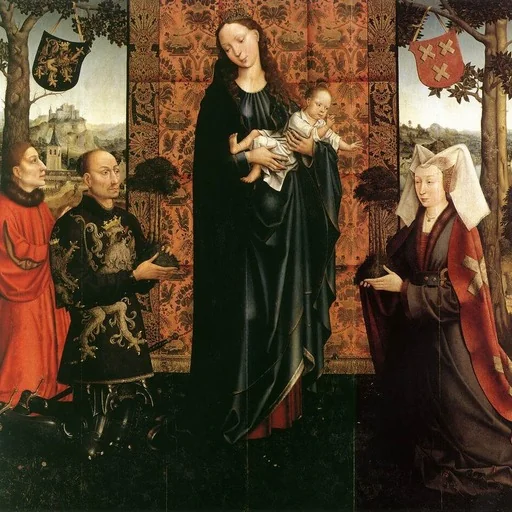
Artist
Goswin van der Weyden or Goossen van der Weyden (1455–1543) was a Flemish Renaissance painter active in Antwerp.

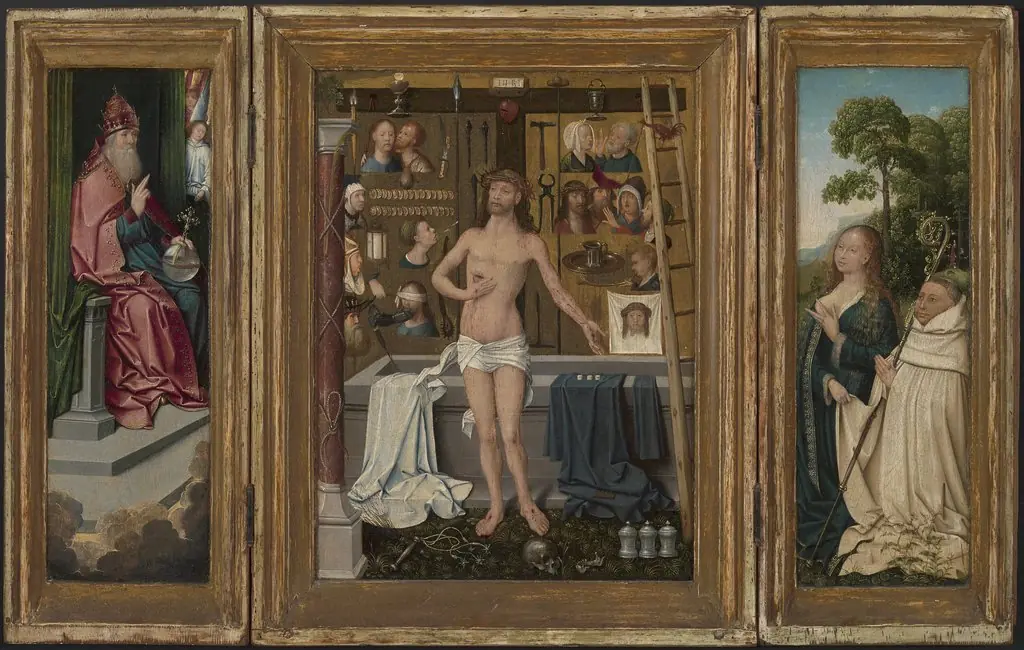 Triptych of Antonius Tsgrooten
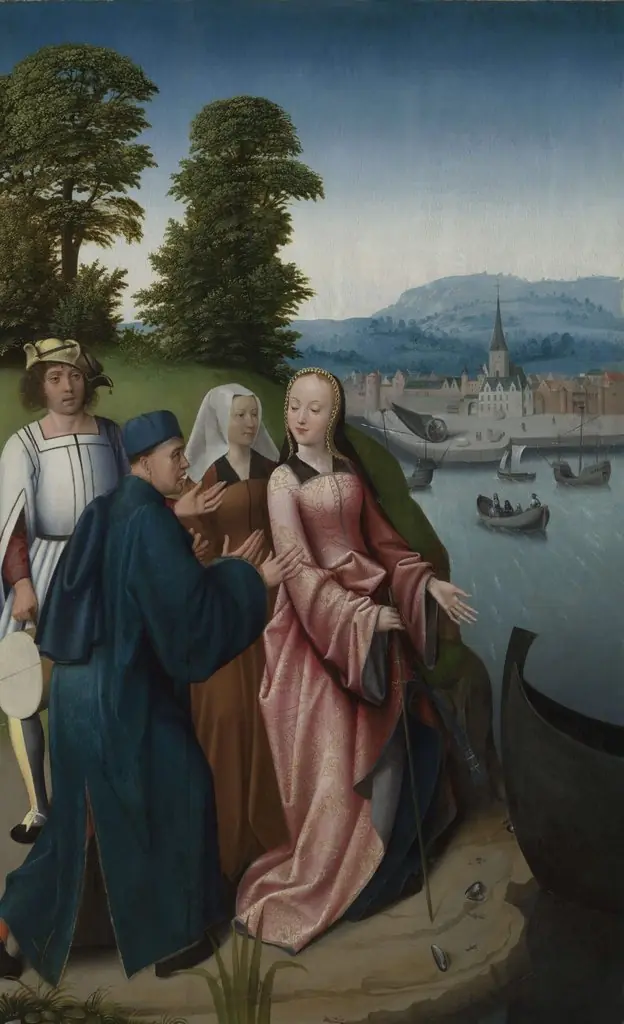 Dymphna and her Companions about to Embark
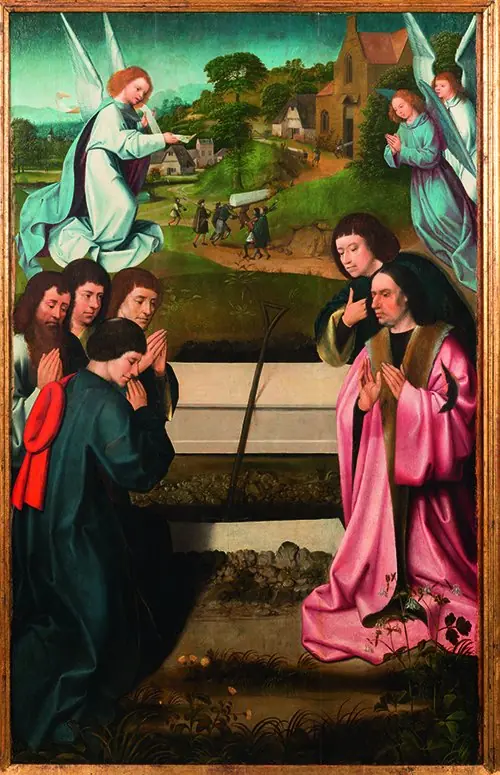 Discovery of the Sarcophagi Containing the Bodies of Dymphna and Gerebernus
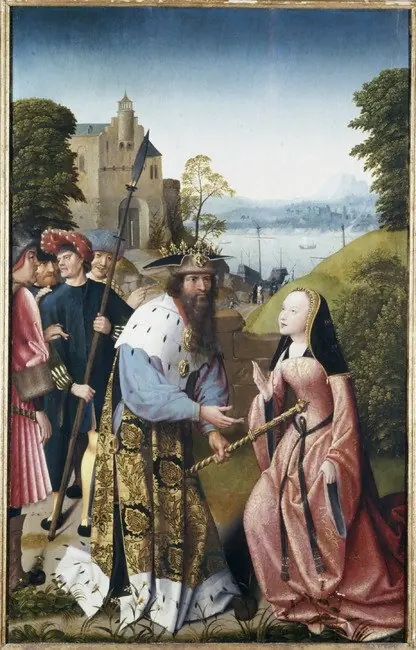 Dymphna’s Father Proposes to her
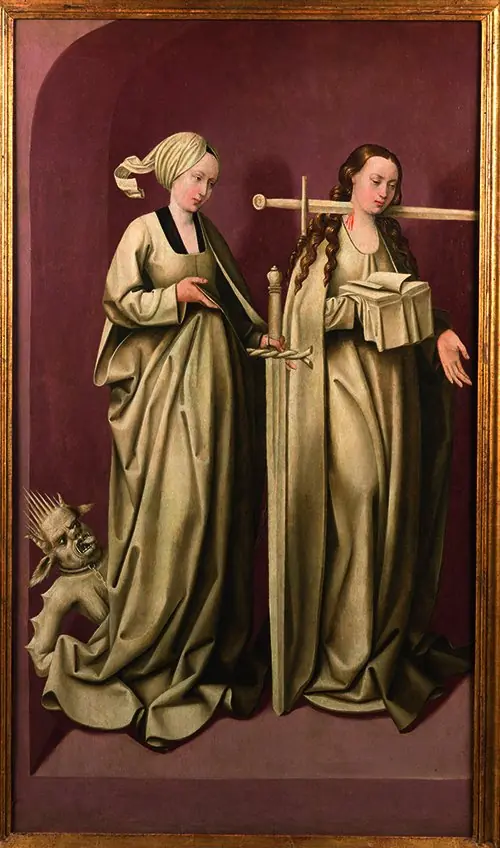 Saints Dymphna and Lucy
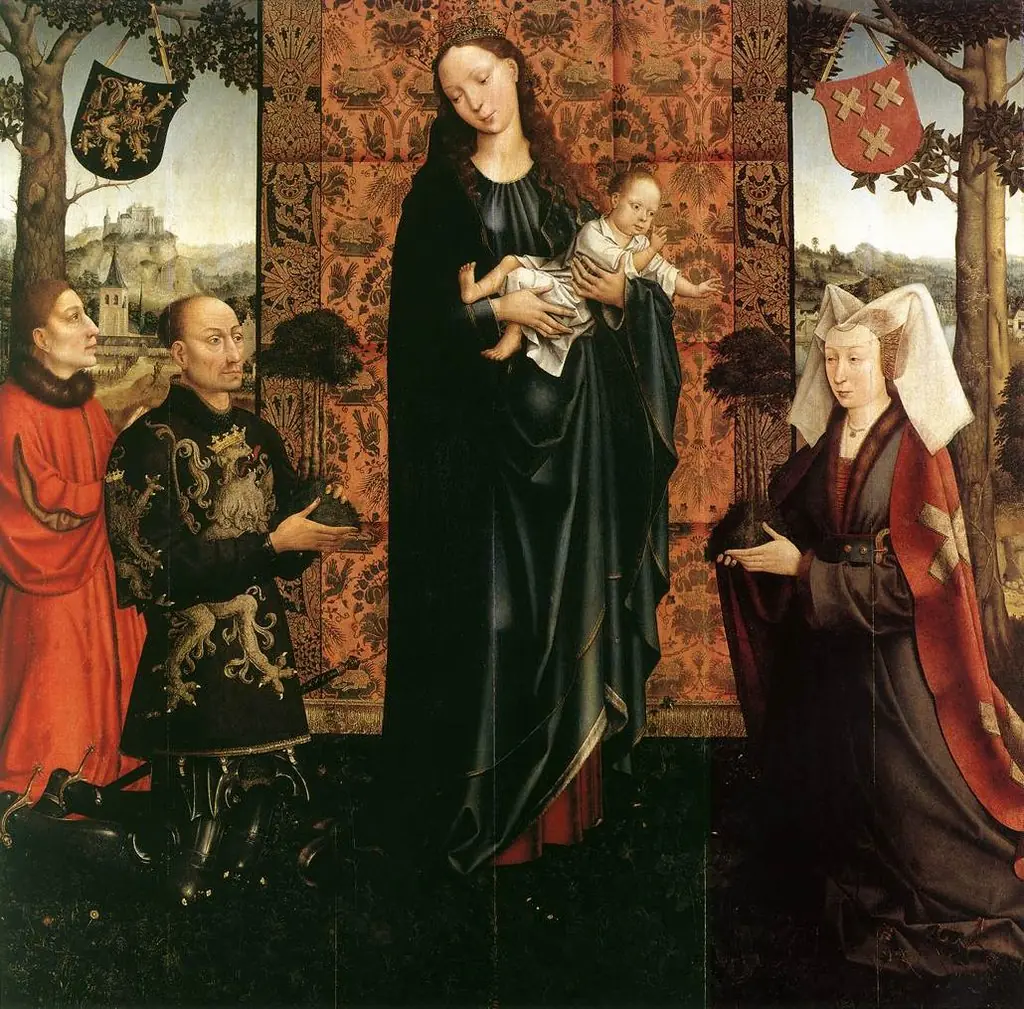 The Gift of Kalmthout
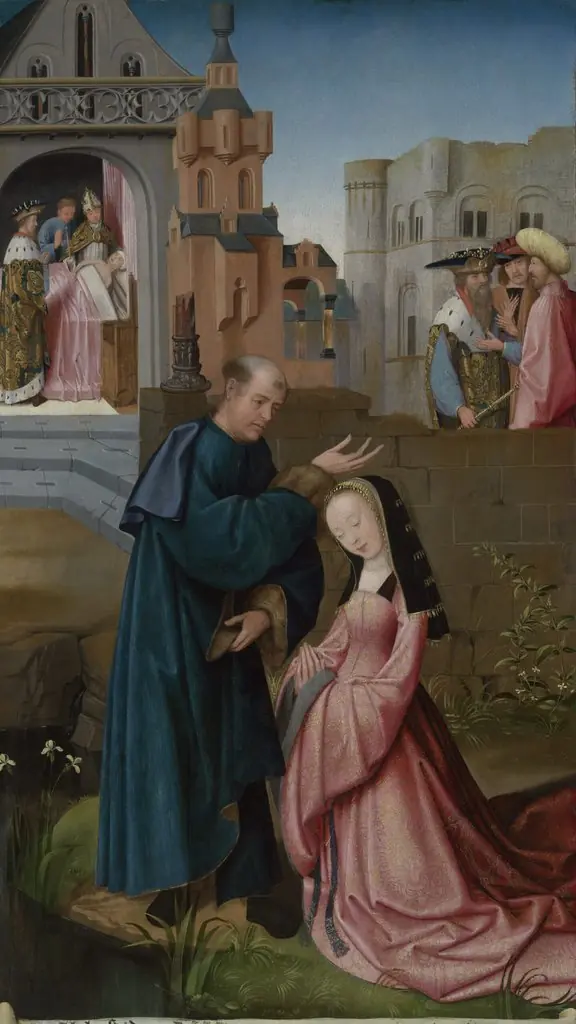 Baptism of Dymphna, with the Death of Dymphna’s Mother Represented in the Background
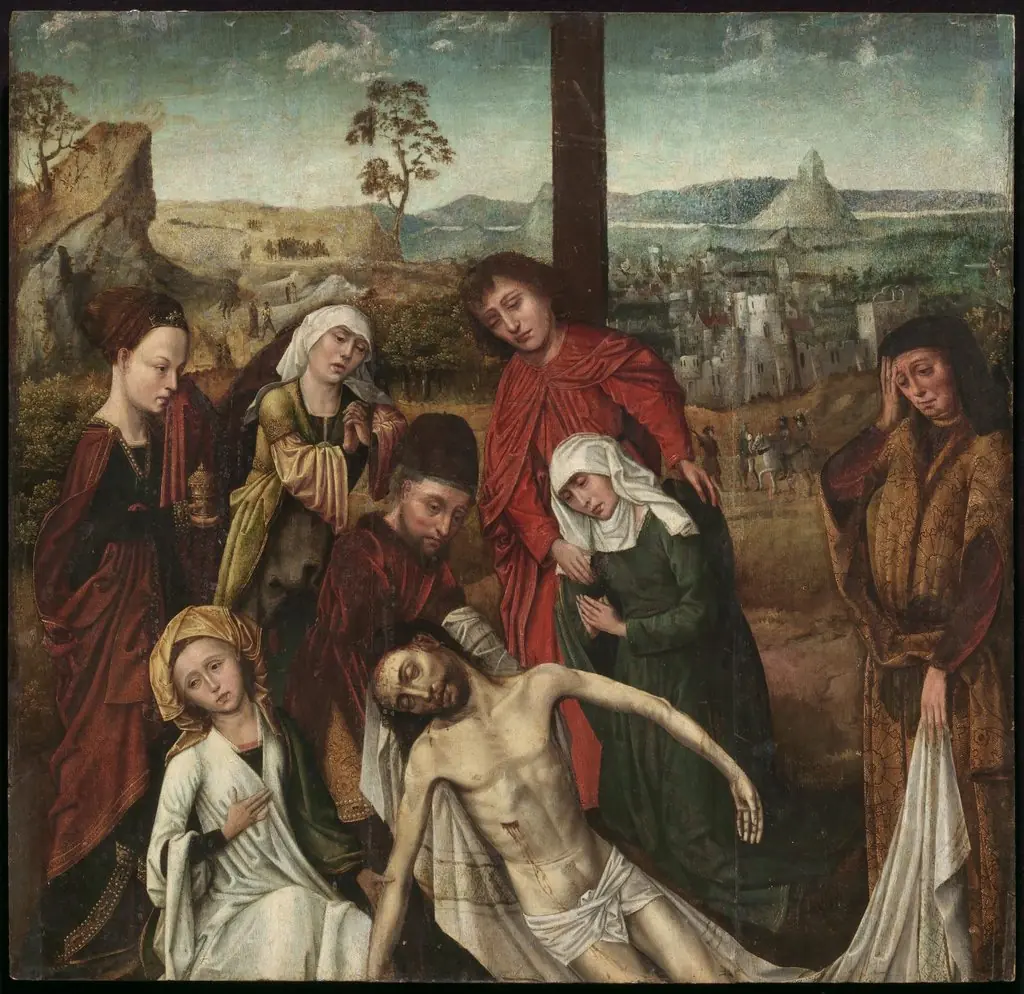 The Deposition of Christ
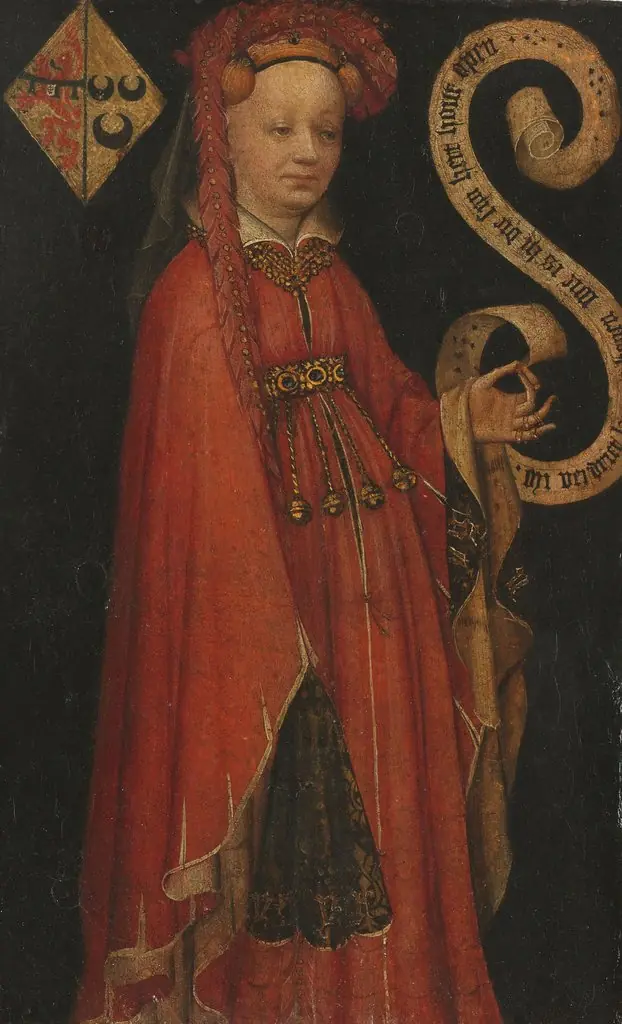 Portrait of Lysbeth van Duvenvoorde
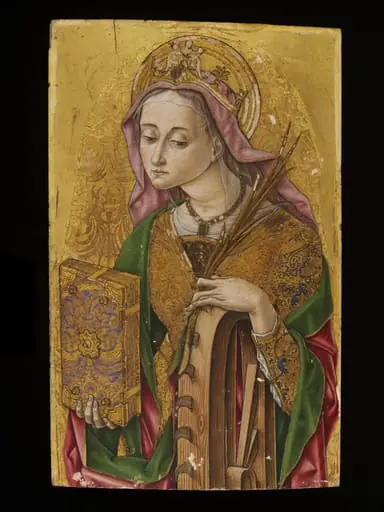 St Catherine of Alexandria
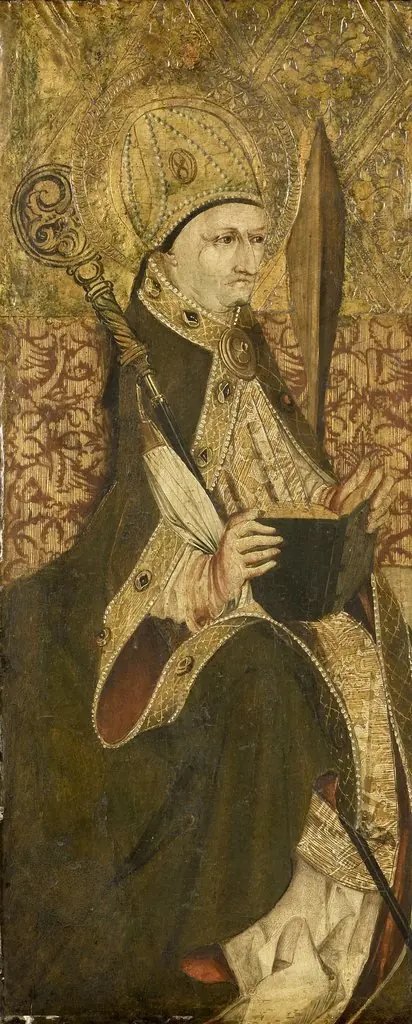 A Holy Bishop
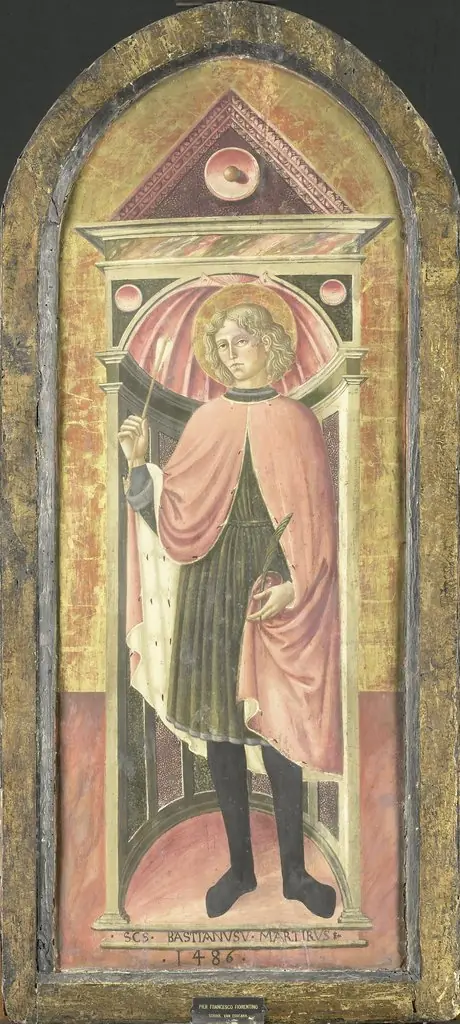 Saint Sebastian
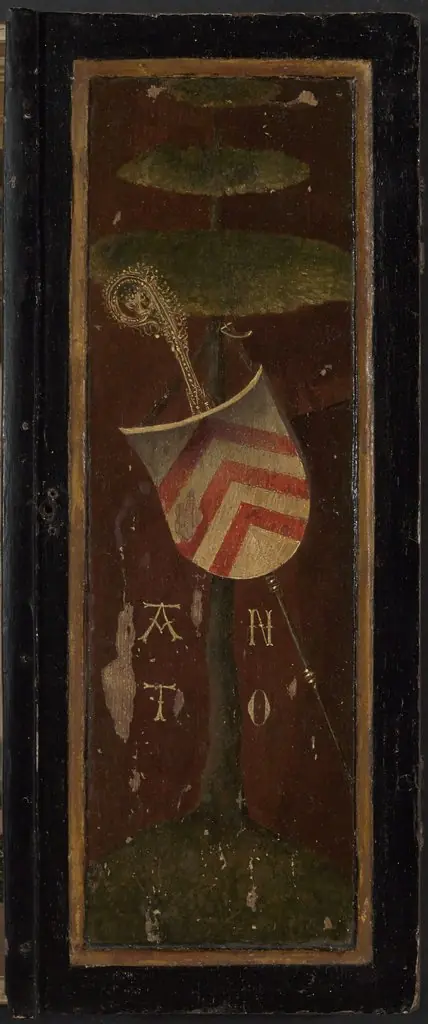 Blazon of Antonius Tsgrooten
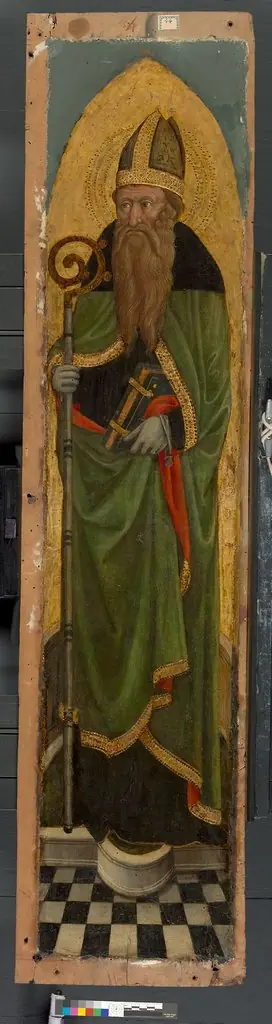 Bishop Saint from an Augustinian altarpiece
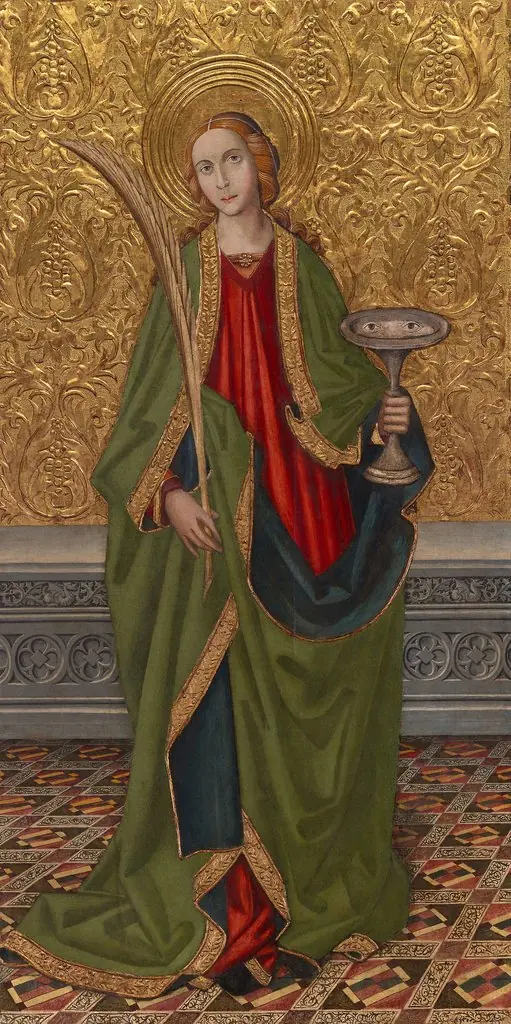 Saint Lucy
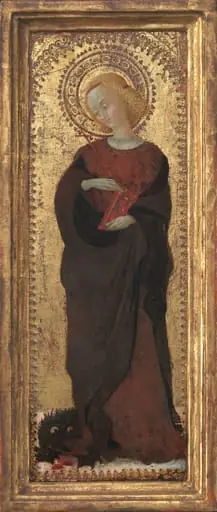 Saint Margaret
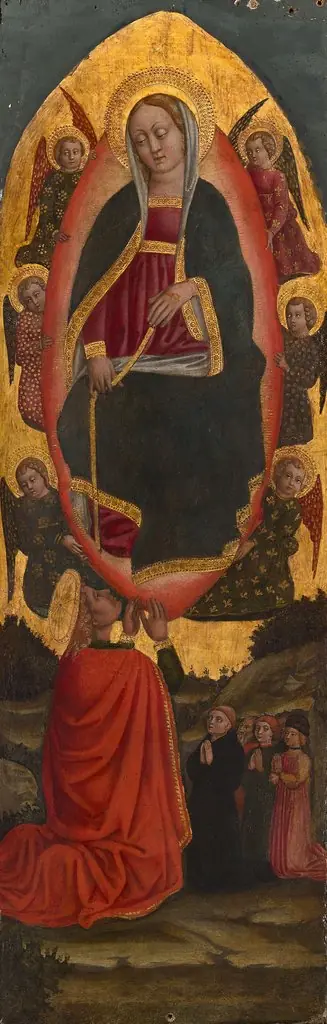 The Assumption of the Virgin with Saints from an Augustinian altarpiece
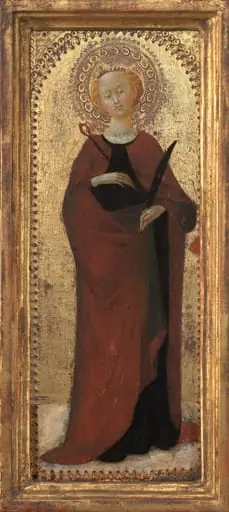 Saint Apollonia
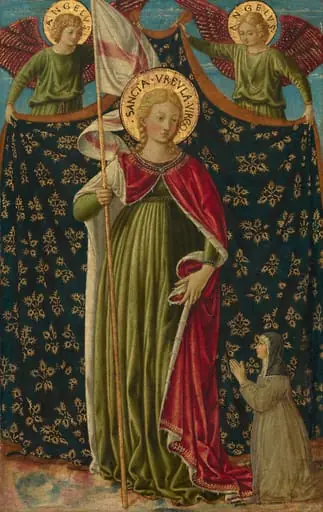 Saint Ursula with Two Angels and Donor
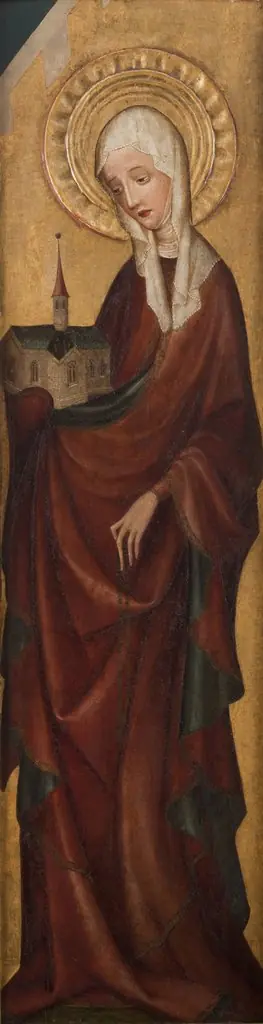 St Hedwig of Silesia. The wing from the altar retable from Trzebunia