Artwork
Maori girl
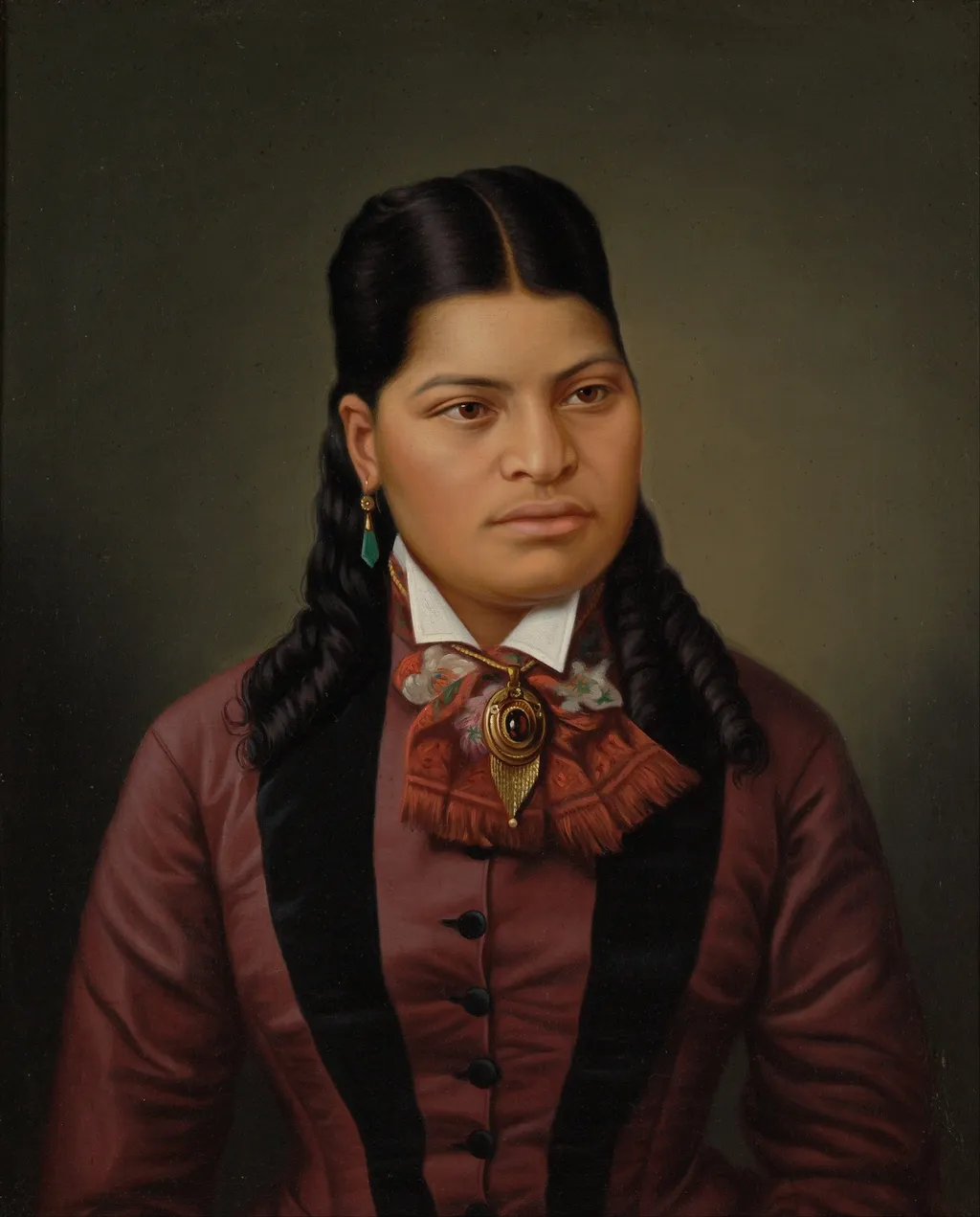
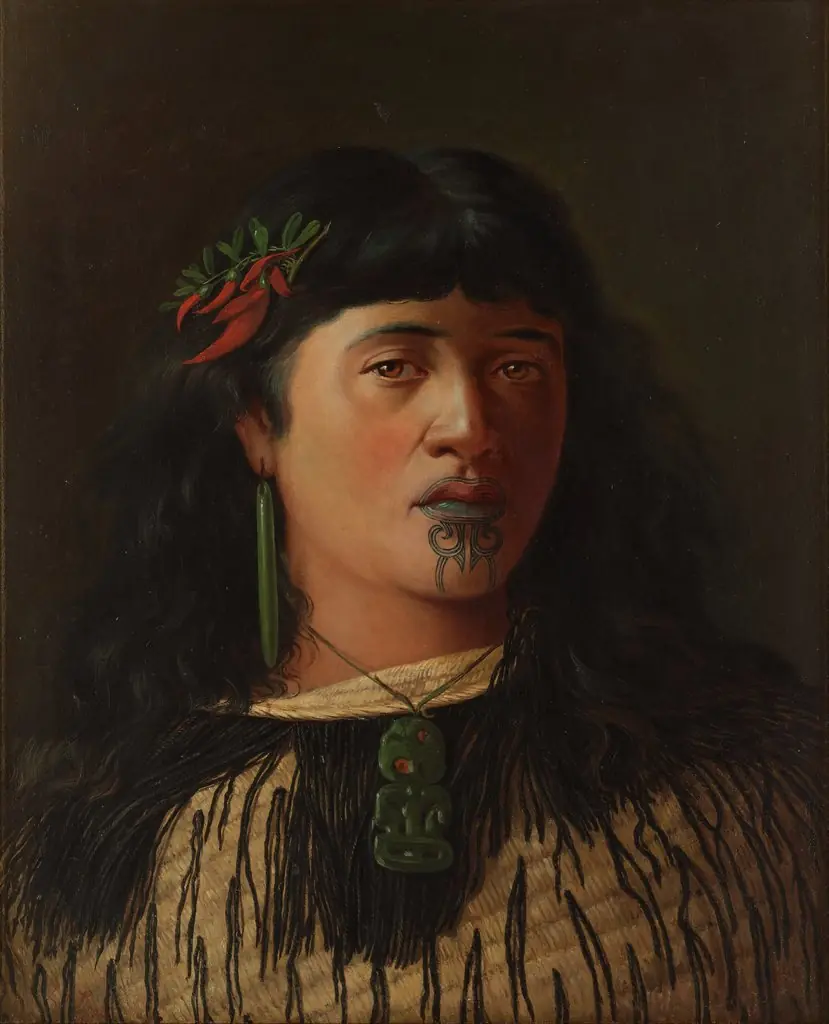
Maori girl is an oil painting by the Impressionist artist Gottfried Lindauer. It dates from 1874 and is held in the collection of the Museum of New Zealand Te Papa Tongarewa.
About this work
Overview
Lindauer, who settled in New Zealand, focused on portraiture as a means of documenting Indigenous individuals during a period of cultural transition.
Painted in 1874 by Czech-born artist Gottfried Lindauer, this oil portrait depicts a young Māori girl. Lindauer, who settled in New Zealand, focused on portraiture as a means of documenting Indigenous individuals during a period of cultural transition. The work is part of the permanent collection at Te Papa Tongarewa in Wellington, where it remains a significant example of 19th-century colonial-era portraiture.
Subject & Meaning
The subject is a Māori girl, portrayed with solemn dignity. Her attire blends European elements—a red jacket with black trim and white collar—with traditional adornments, including a substantial gold necklace and green earrings. This combination reflects the cultural hybridity of the time, as Māori communities adapted to colonial influences while preserving aspects of their identity. Her direct gaze conveys quiet presence rather than idealization.
Technique & Style
Lindauer employed a precise, realistic technique, emphasizing fine details in the girl’s facial features, braided hair, and textile patterns. The brushwork is controlled, avoiding the loose strokes of contemporary Impressionism. Light falls evenly across the figure, enhancing texture in the fabric and jewelry. The background is muted, directing focus entirely to the subject and her carefully rendered personal adornments.
History & Provenance
Created during Lindauer’s early years in New Zealand, the painting was likely commissioned by a colonial patron or acquired through local networks. It entered the collection of the Museum of New Zealand Te Papa Tongarewa in the 20th century, where it has been preserved as part of a broader effort to document Māori life through visual records. Its provenance reflects the museum’s commitment to Indigenous representation.
Context
In the 1870s, New Zealand was undergoing rapid social change as British colonization expanded. Lindauer’s portraits of Māori individuals were part of a wider trend among European artists to record Indigenous subjects, often with anthropological intent. While his work avoided overt romanticism, it nonetheless operated within a colonial framework, capturing subjects whose cultural world was being reshaped by external forces.
Legacy
Lindauer’s portraits, including this one, are now valued for their detailed documentation of Māori dress, adornment, and demeanor during a transformative era. Contemporary Māori communities engage with these images as cultural artifacts, reconnecting with ancestral visual heritage. The painting contributes to ongoing dialogues about representation, identity, and the role of colonial-era art in modern Aotearoa.
Own this work as a print
Artist & collection
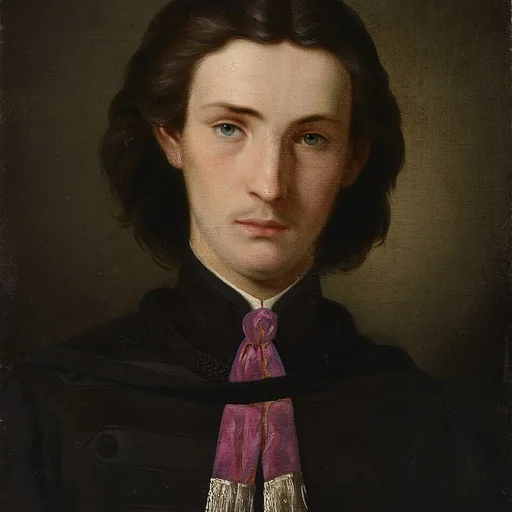
Artist
Gottfried Lindauer (5 January 1839 – 13 June 1926) was a Czech and New Zealand painter. He was famous for his portraits, including many of Māori people.

Museum
Museum of New Zealand Te Papa Tongarewa
Continue through works from the same source collection.
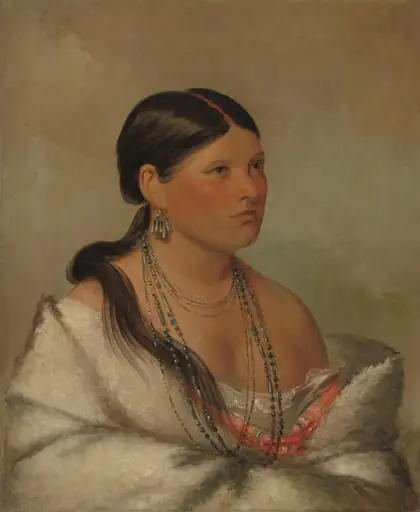 The Female Eagle - Shawano
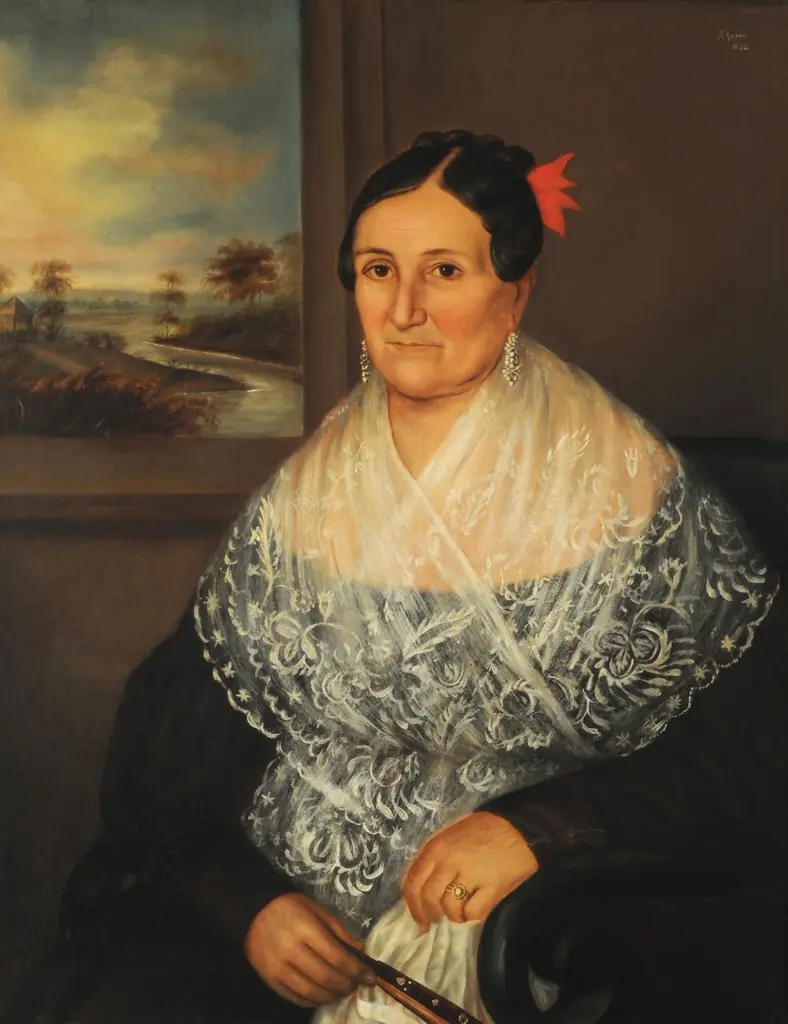 Portrait of María Josefa Ramona Herrera
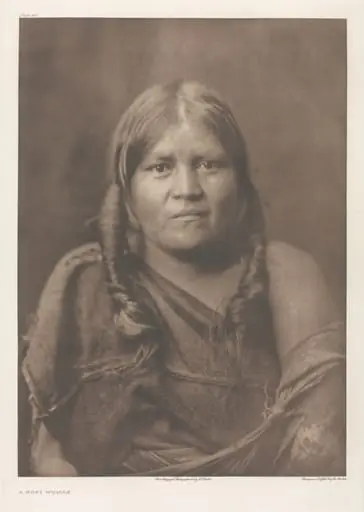 Portfolio XII, Plate 411: A Hopi Woman
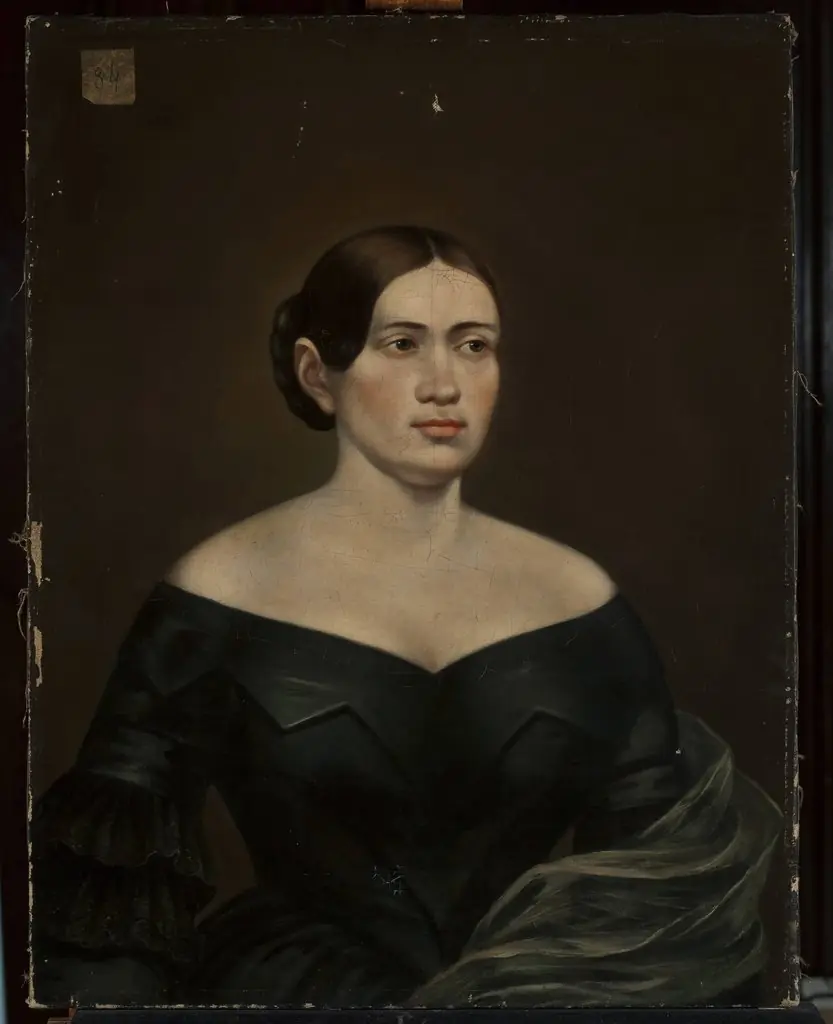 Portrait of Princess Tenisheva
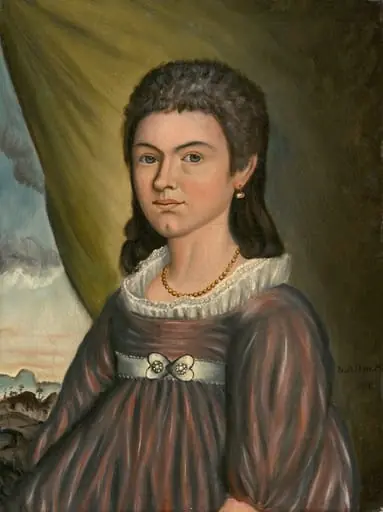 Lucia Leonard
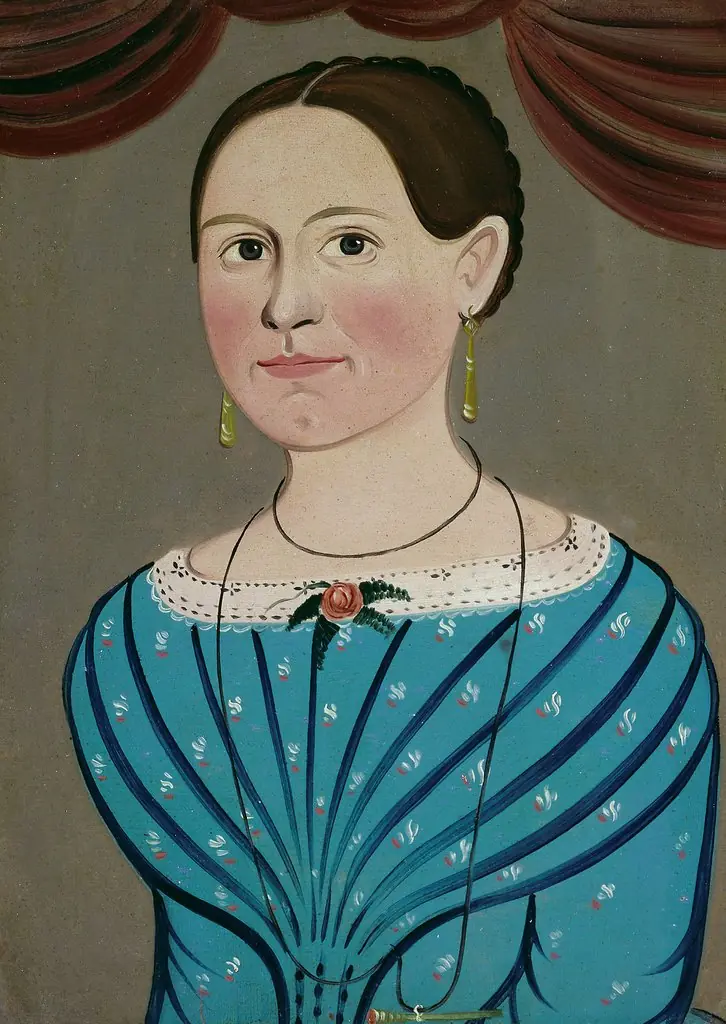 Woman in a Blue Dress
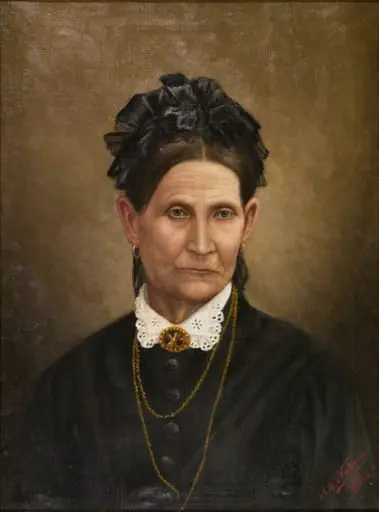 Carolina Holmberg, o.s. Wallenius (1814 - 1881)
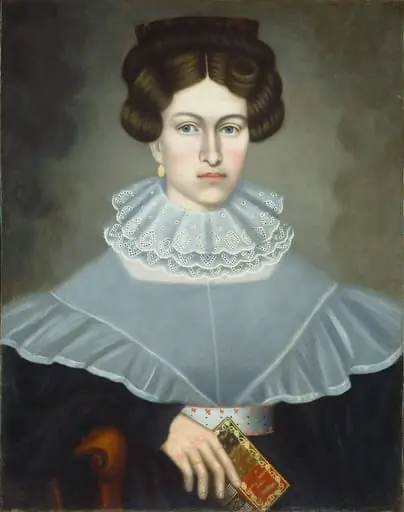 Woman Holding a Book
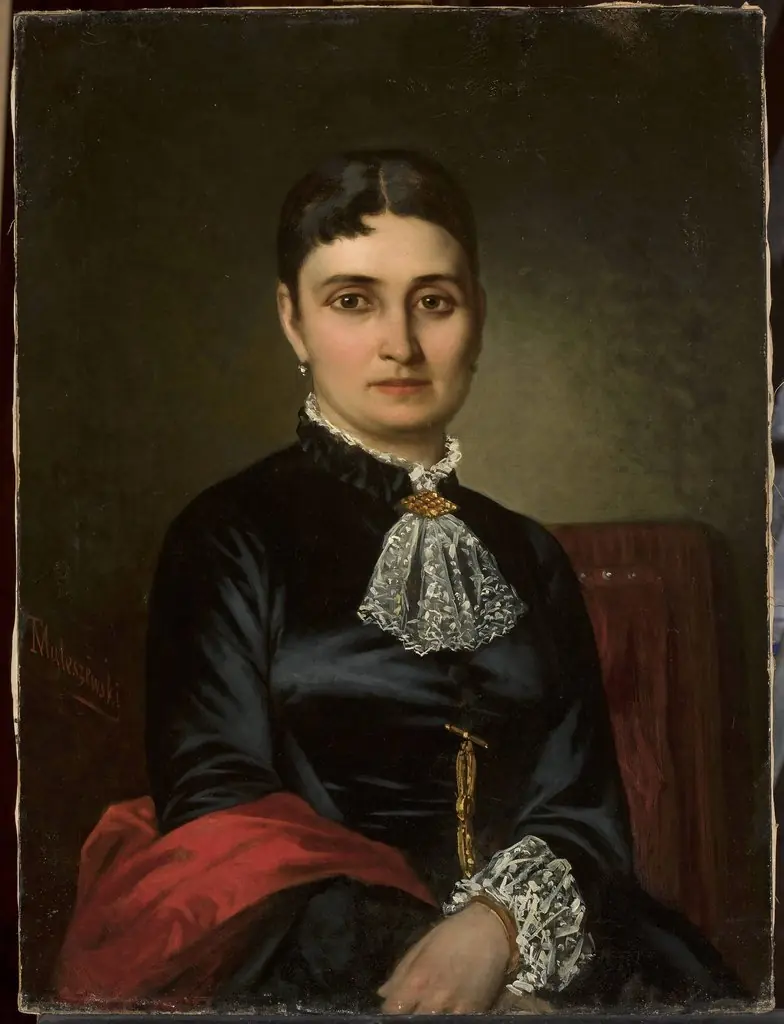 Portrait of Apolonia Anaszkowska
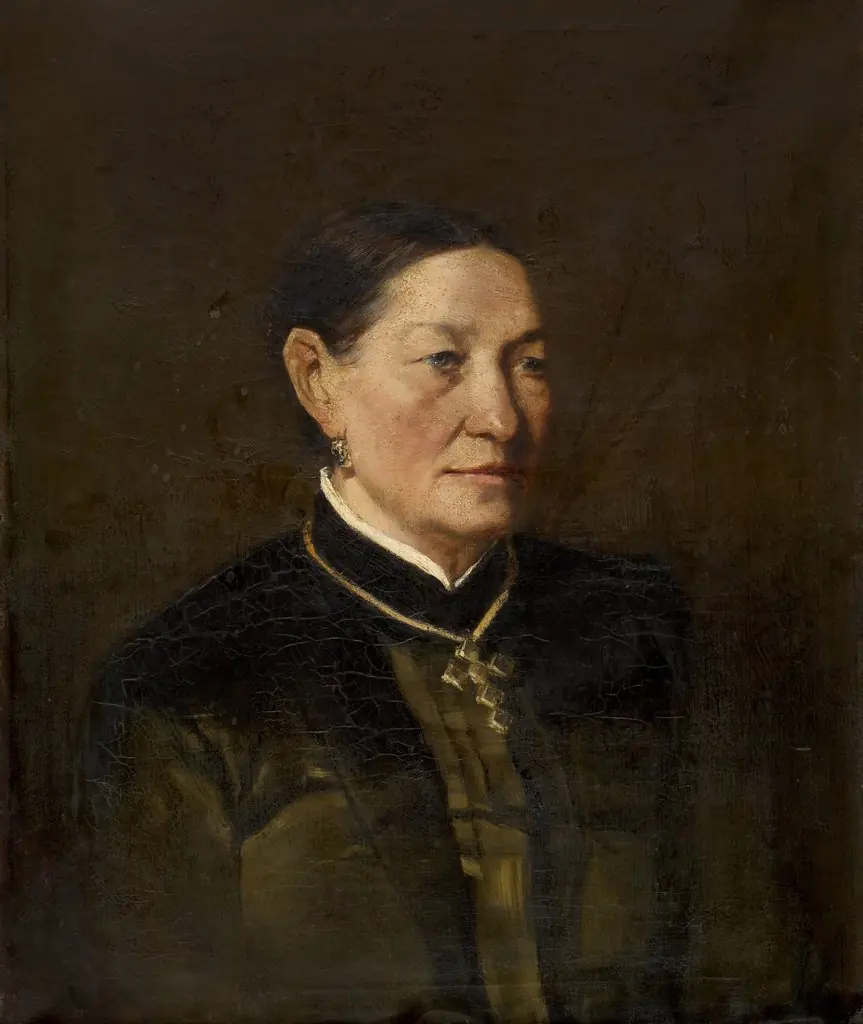 Portrait of a Woman
 Retrato de señora
 Portrait of a young Maori woman with moko