Artwork
Portrait of a young Maori woman with moko
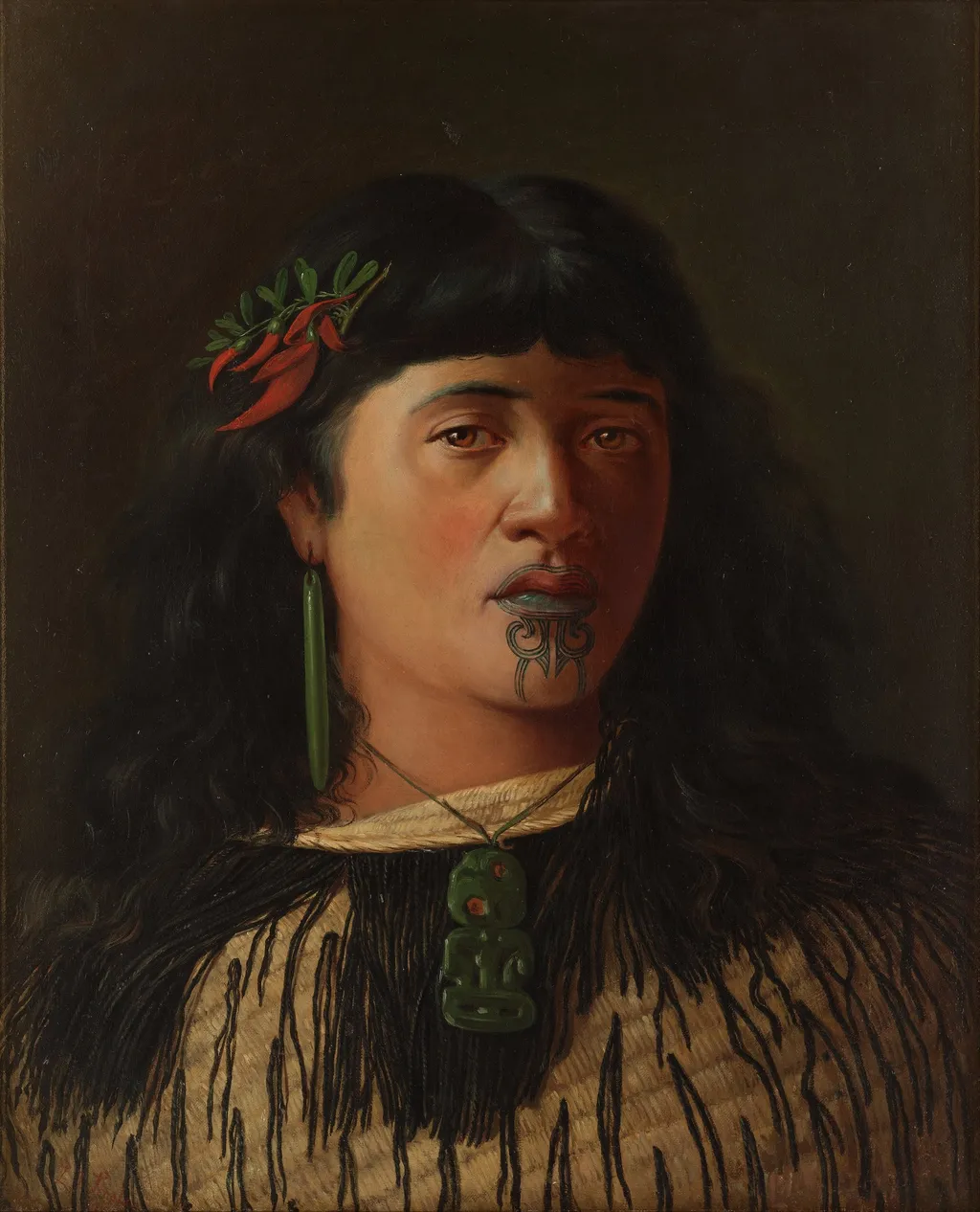
Portrait of a young Maori woman with moko is an oil painting by the Post-Impressionist artist Louis John Steele. It dates from 1896 and is held in the collection of the Museum of New Zealand Te Papa Tongarewa.
About this work
Overview
It is part of the permanent collection at Te Papa Tongarewa in Wellington, where it remains a significant example of colonial-era portraiture in Aotearoa.
Painted in 1896 by Louis John Steele, this oil portrait depicts a young Māori woman adorned with traditional facial tattoos known as moko. The work reflects Steele’s engagement with New Zealand’s Indigenous subjects during the late 19th century. It is part of the permanent collection at Te Papa Tongarewa in Wellington, where it remains a significant example of colonial-era portraiture in Aotearoa.
Subject & Meaning
The subject is a Māori woman whose moko signifies her lineage, status, and identity within her iwi. Her downcast gaze and parted lips suggest introspection rather than confrontation. The red flower behind her ear may reference natural adornment or seasonal symbolism, while her attire—black and white—contrasts with the warmth of her skin and the tattoo’s ink, emphasizing cultural specificity over romanticized exoticism.
Technique & Style
Steele employed oil paint with careful attention to tonal gradations and fine detail, particularly in the rendering of the moko patterns and the texture of the woman’s hair. The brushwork is restrained, avoiding overt impressionism; instead, the composition leans toward realism with a quiet, almost photographic clarity. Lighting is even, focusing attention on the face and upper torso without dramatic shadows.
History & Provenance
Created during a period of increasing colonial documentation of Māori culture, the painting was likely commissioned or acquired by a European settler or institution. It entered the collection of Te Papa Tongarewa in the 20th century, where it has been preserved as part of New Zealand’s visual heritage. Its provenance prior to museum acquisition remains largely undocumented.
Context
In the 1890s, European artists in New Zealand often portrayed Māori subjects as ethnographic figures or symbols of a vanishing culture. Steele’s portrait diverges slightly by presenting the woman with dignity and individuality, though it still reflects the colonial gaze. The work exists alongside broader efforts to record Indigenous customs amid rapid cultural change and land displacement.
Legacy
Today, the portrait is recognized for its early attempt to depict Māori identity with nuance, despite its colonial context. It contributes to ongoing dialogues about representation, cultural preservation, and the ethics of artistic documentation. Māori communities have increasingly reclaimed such images as part of their ancestral record, reinterpreting them beyond their original framing.
Own this work as a print
Artist & collection
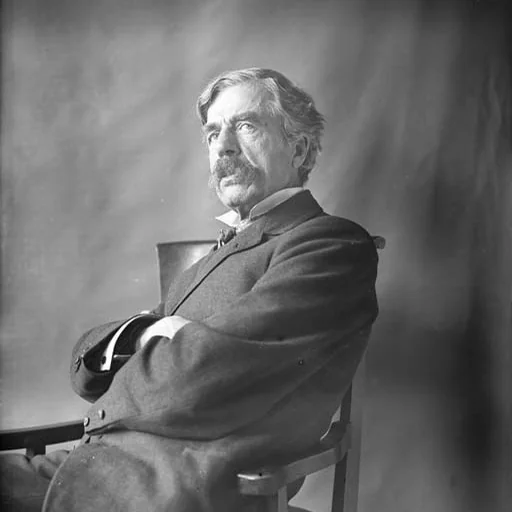
Artist
Louis John Steele (30 January 1842 – 12 December 1918) was an English-born New Zealand artist and engraver. He was born in Reigate, Surrey.

Museum
Museum of New Zealand Te Papa Tongarewa
Continue through works from the same source collection.
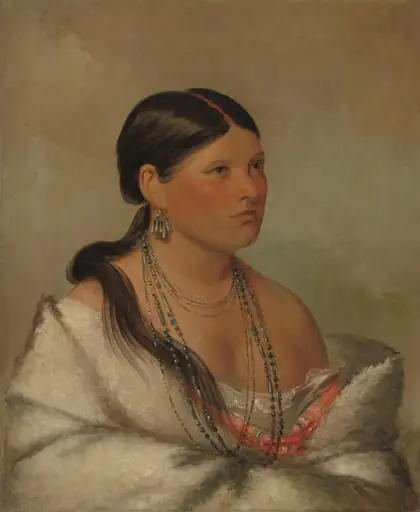 The Female Eagle - Shawano
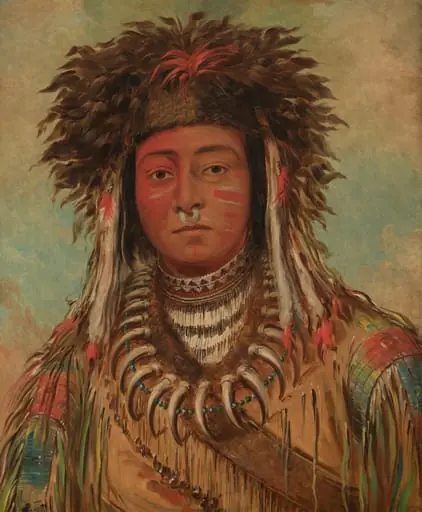 Boy Chief - Ojibbeway
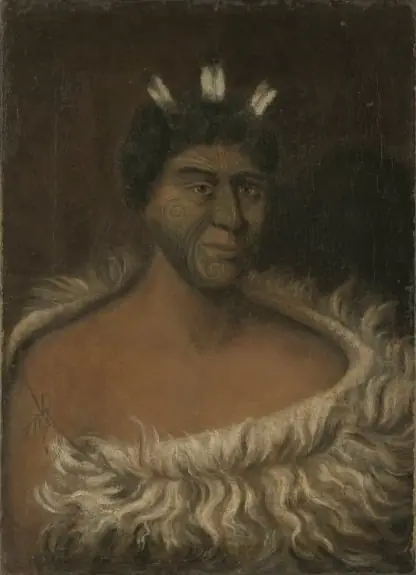 Portrait of Hone Heke
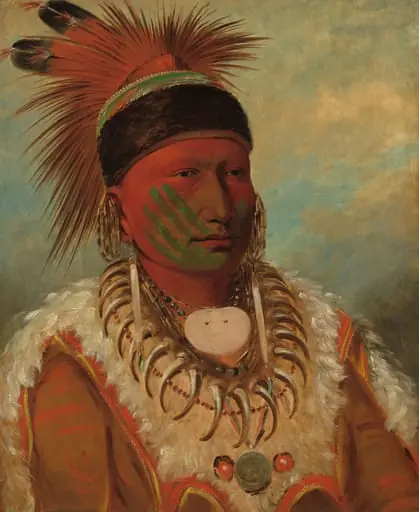 The White Cloud, Head Chief of the Iowas
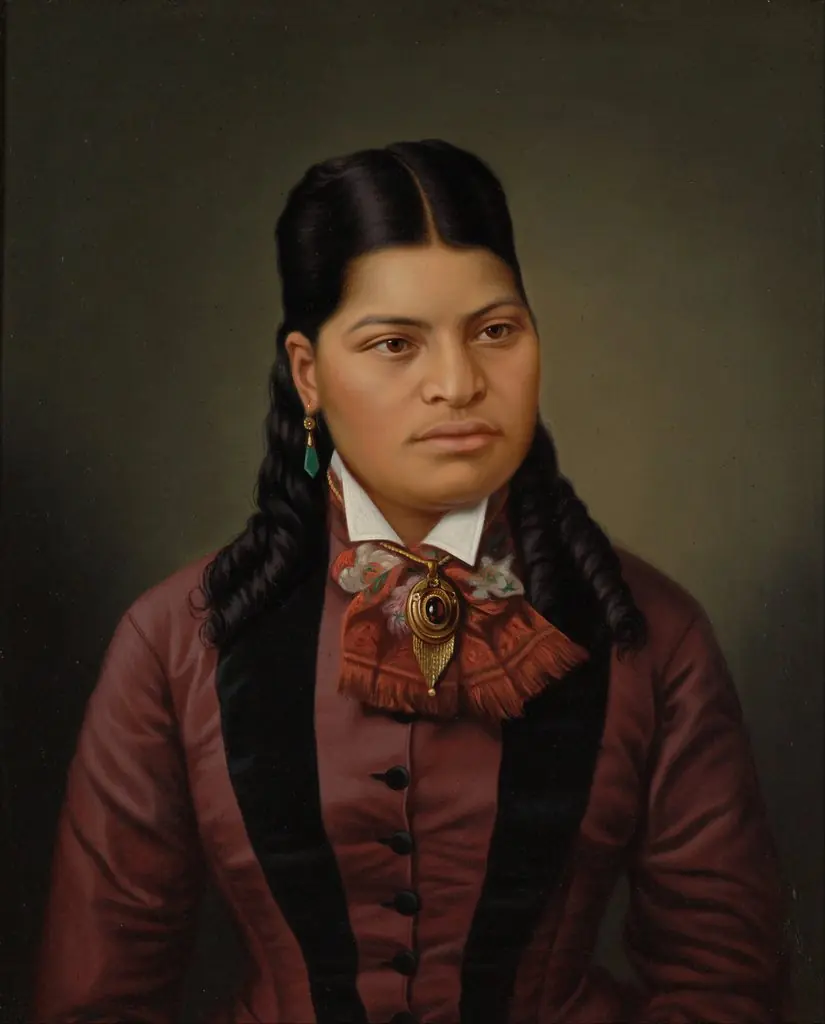 Maori girl
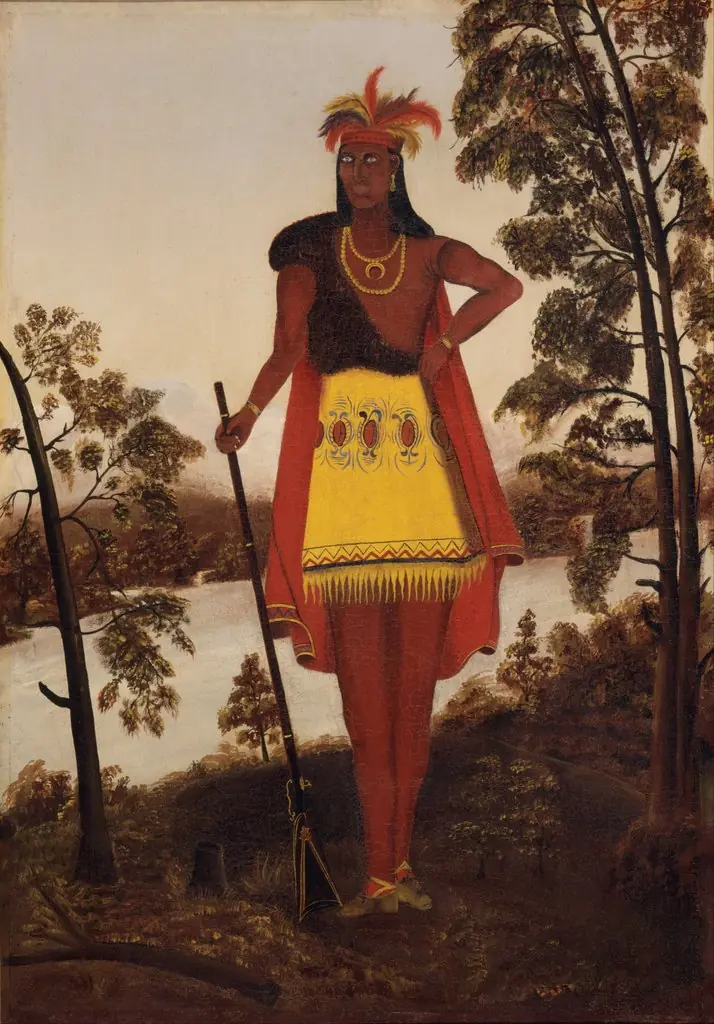 The Oneida Chieftain Shikellamy
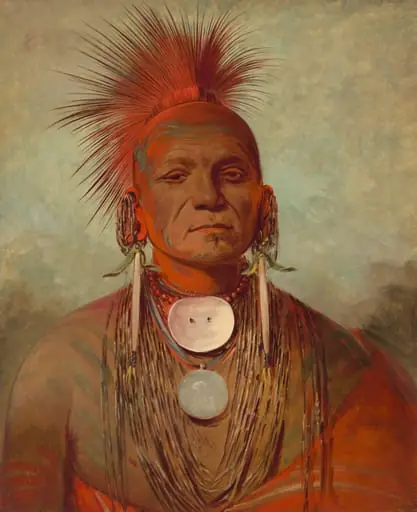 See-non-ty-a, an Iowa Medicine Man
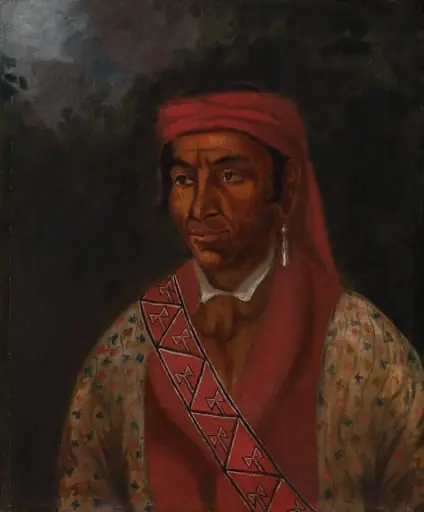 Chief Jumper of the Seminoles
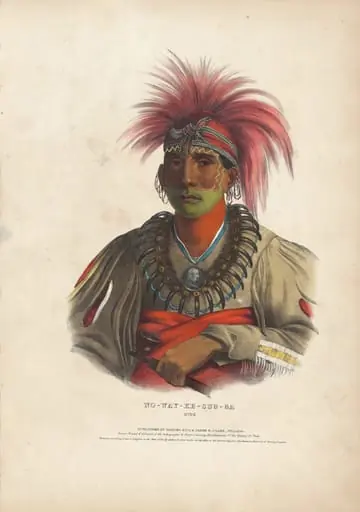 No-Way-Ke-Sug-Ga, Otoe
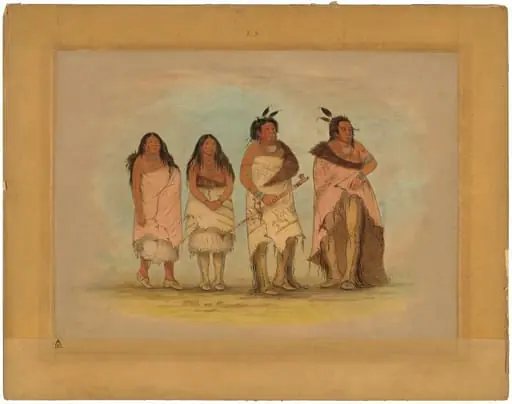 Pawneepict Chief, Two Daughters, and a Warrior
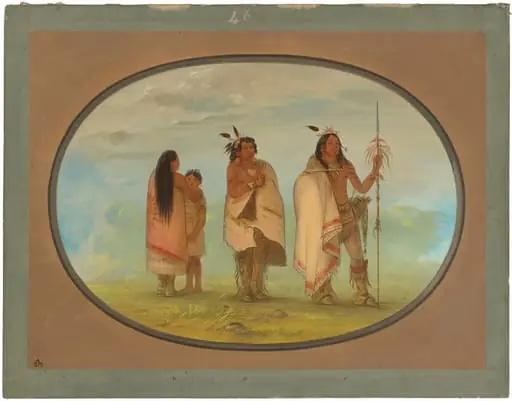 Weeco Chief, His Wife, and a Warrior
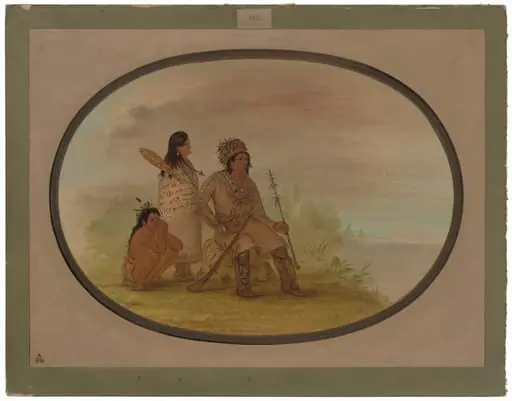 An Old Nayas Indian, His Granddaughter, and a Boy