Artwork
Gerard Pietersz Hulft (1621-56). First councillor and director-general of the Dutch East India Company
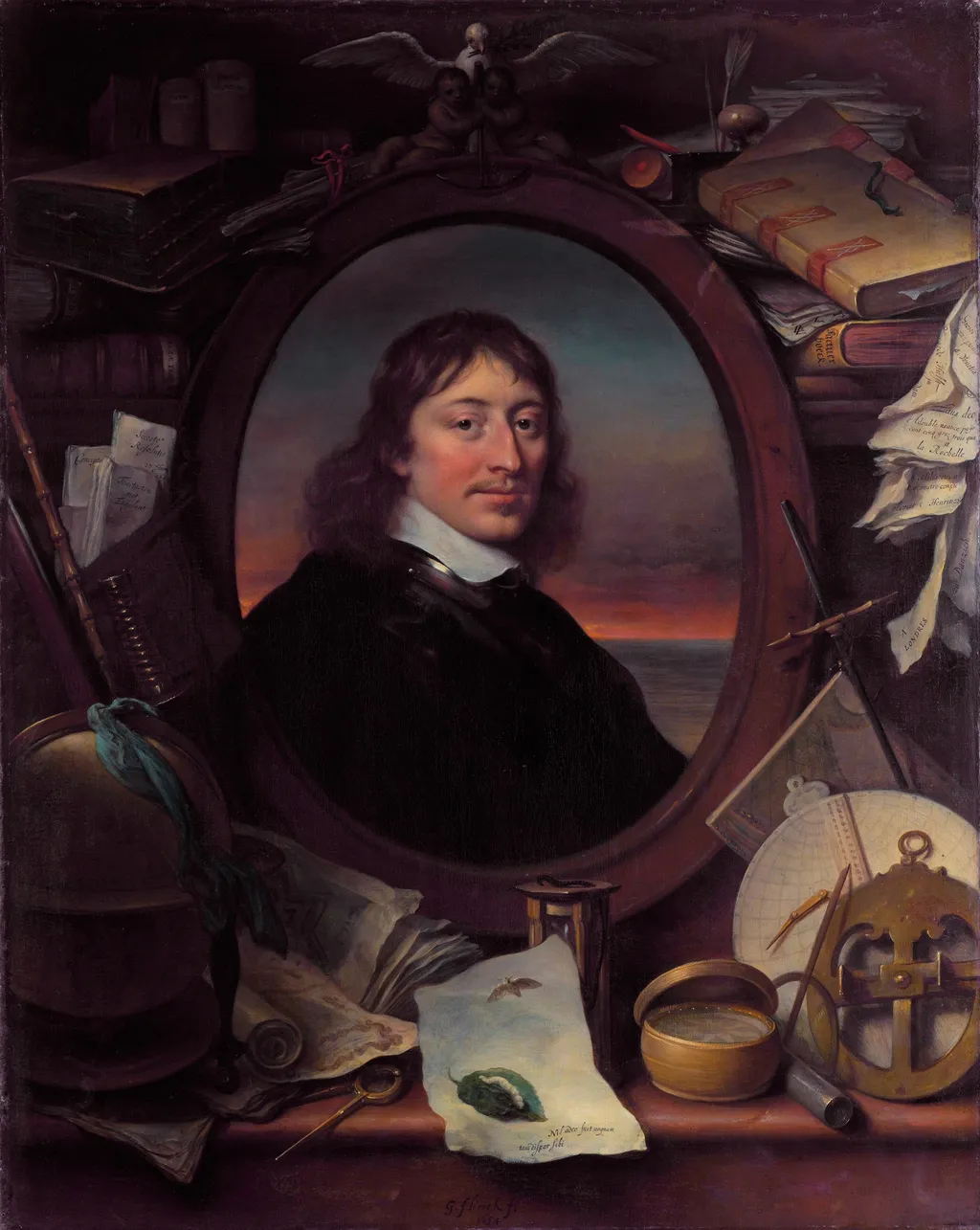
Gerard Pietersz Hulft (1621-56). First councillor and director-general of the Dutch East India Company is an oil painting by the Dutch Golden Age artist Govert Flinck. It dates from 1654 and is held in the collection of the Rijksmuseum.
About this work
Overview
Govert Flinck’s 1654 oil portrait presents Gerard Pietersz Hulft, the inaugural councillor and director‑general of the Dutch East India Company. The work is part of the Rijksmuseum’s collection and offers a formal representation of the mid‑17th‑century merchant‑administrator.
Subject & Meaning
Hulft is shown seated before a desk, his gaze directed toward the viewer with a measured seriousness. The composition suggests a moment of contemplation, emphasizing his role as a thoughtful leader engaged in the affairs of trade and governance.
Technique & Style
Executed in oil on canvas, Flinck employs a restrained palette of dark tones that recede behind the figure, allowing the subject’s black coat and white collar to stand out. Fine rendering of textures—hair, fabric, metal—demonstrates the artist’s skill in realistic portraiture.
History & Provenance
Created shortly before Hulft’s death in 1656, the portrait remained in private hands before entering the Rijksmuseum’s holdings. Its presence in the national collection reflects the museum’s focus on Dutch Golden Age portraiture and the historical significance of the East India Company’s leadership.
Artist & collection
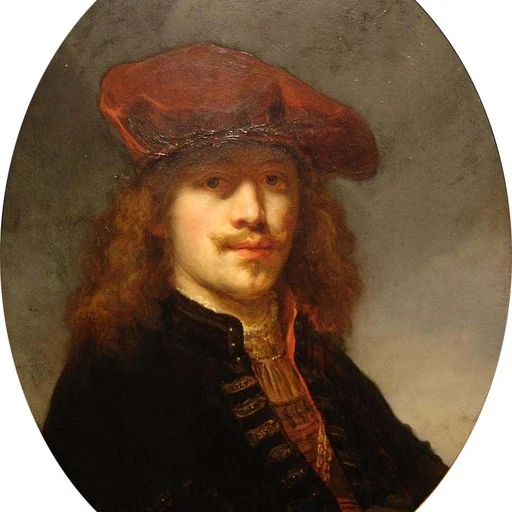

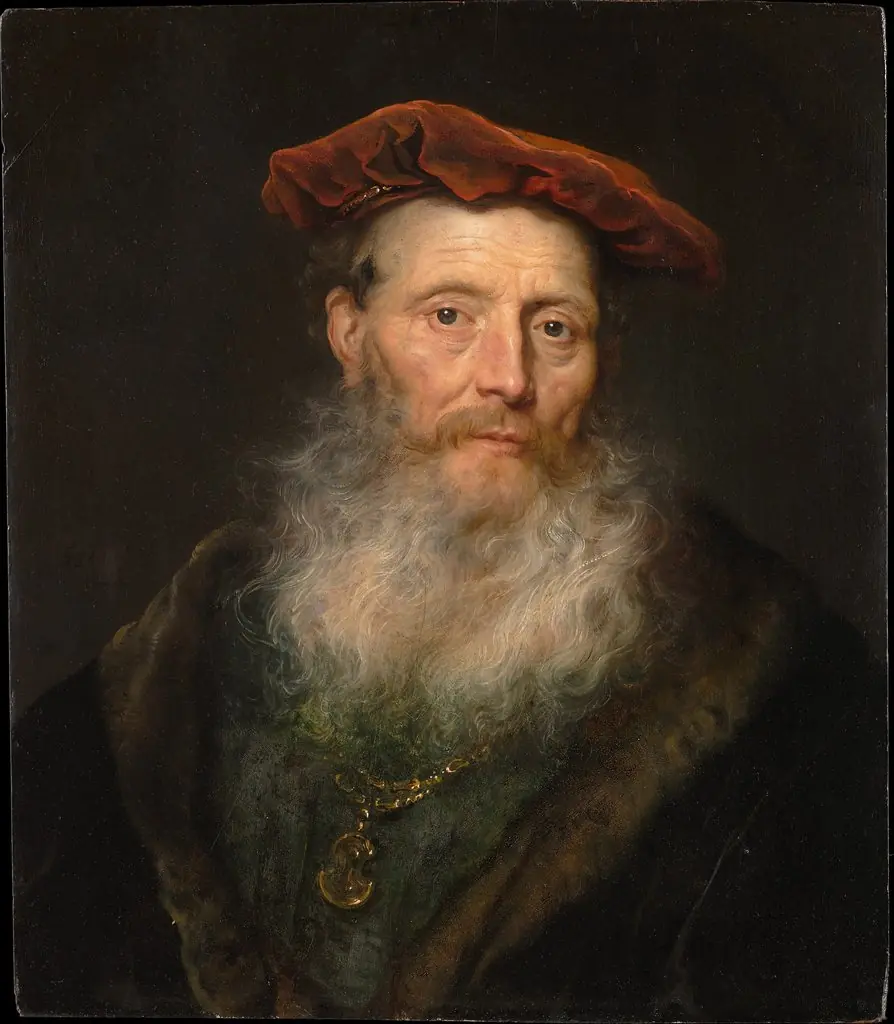 Bearded Man with a Velvet Cap
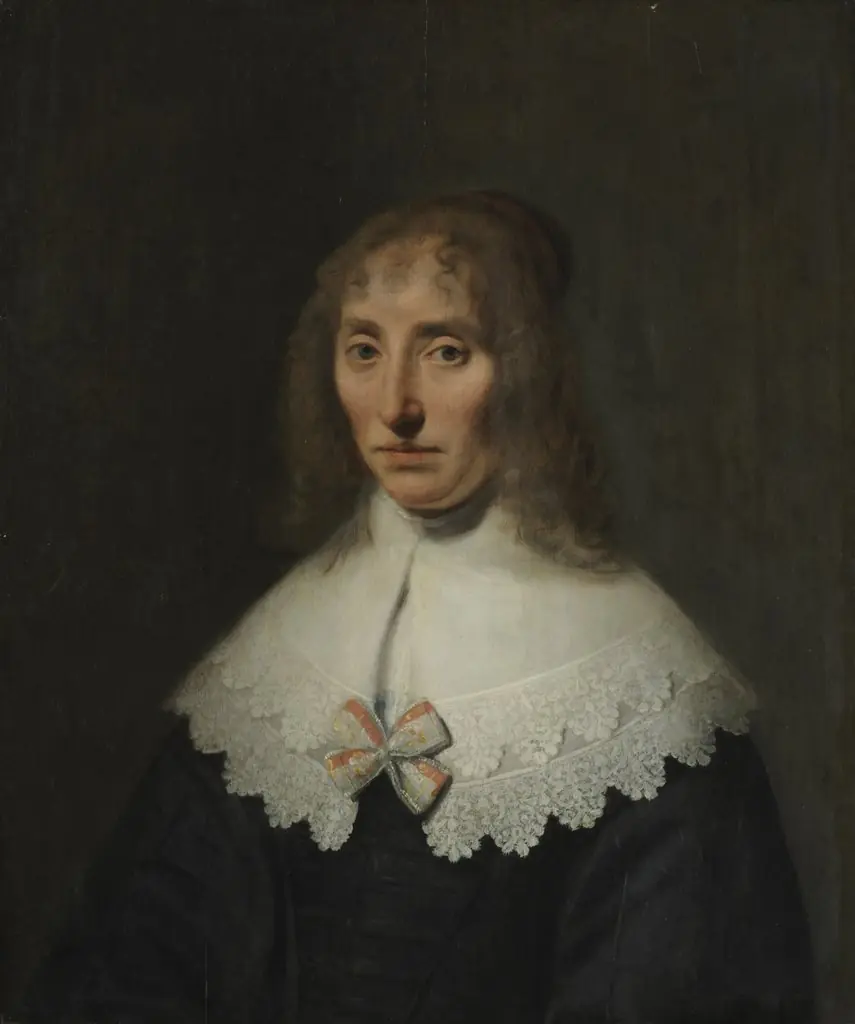 Portrait of a Woman
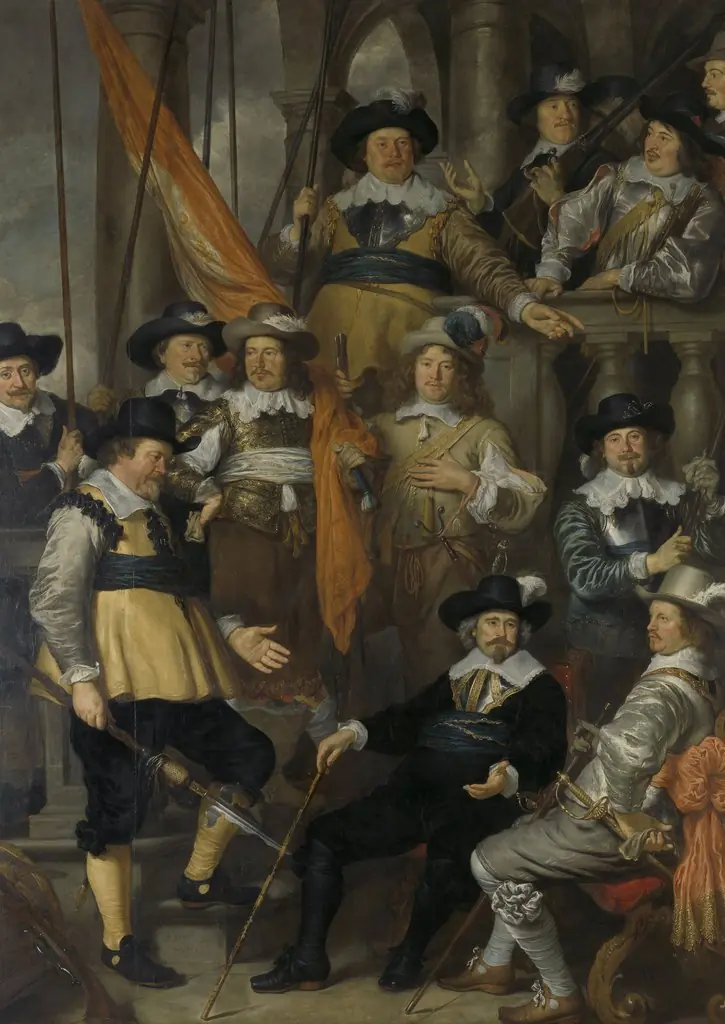 The Company of Captain Albert Bas and Lieutenant Lucas Conijn
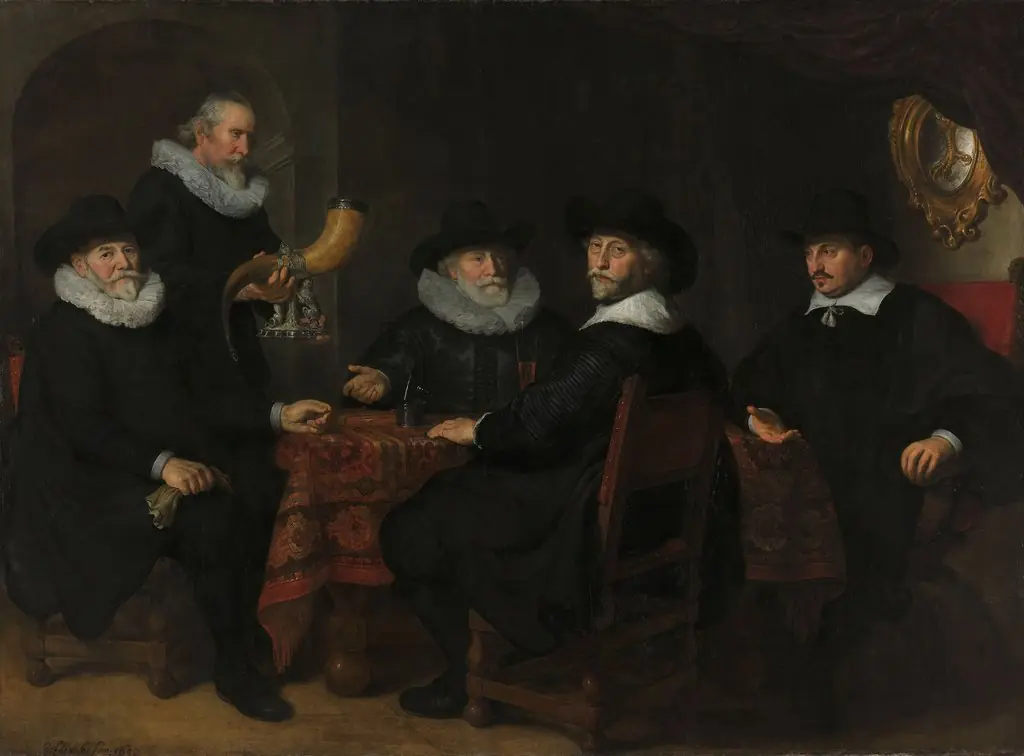 Four directors of the arquebusier's guild, Amsterdam, 1642
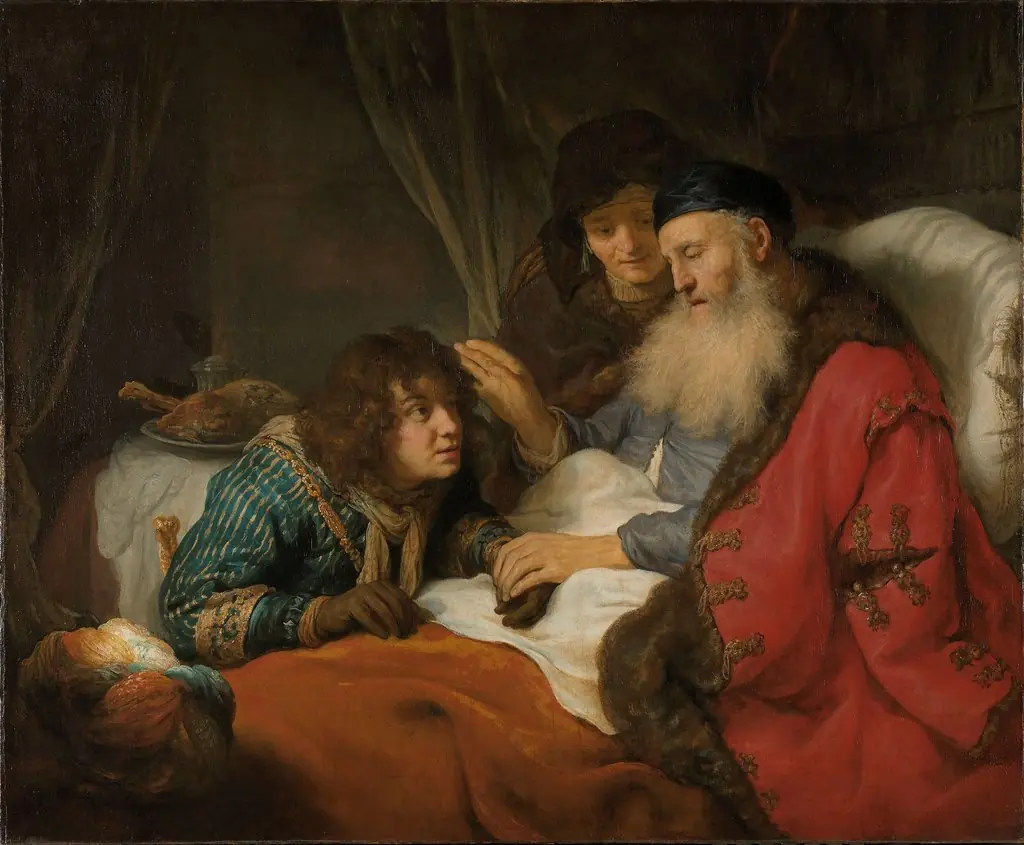 Isaac Blessing Jacob
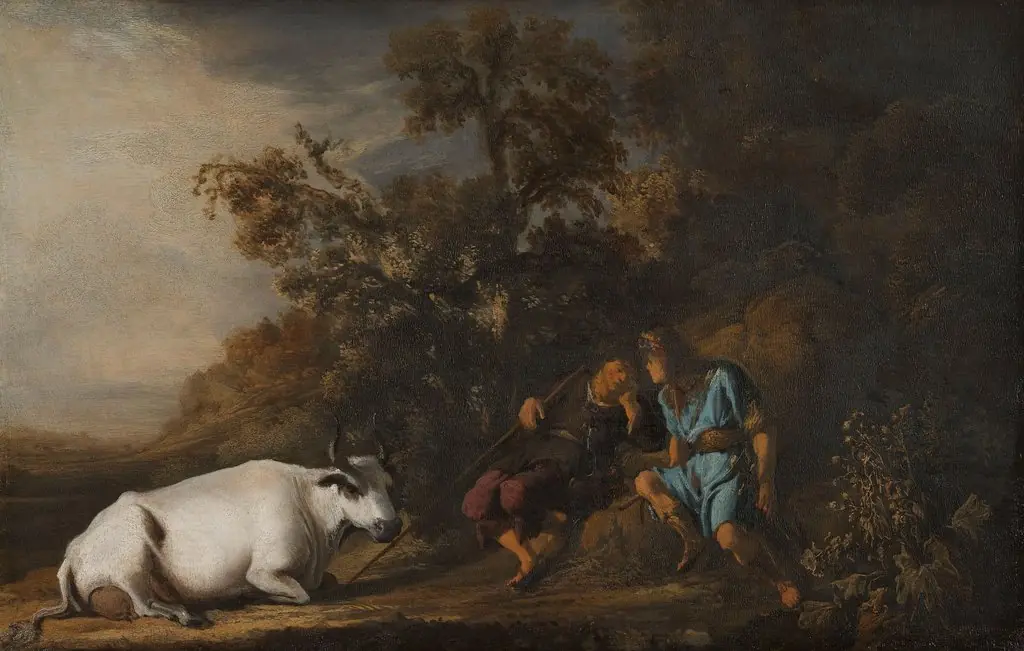 Mercury, Argus and Io
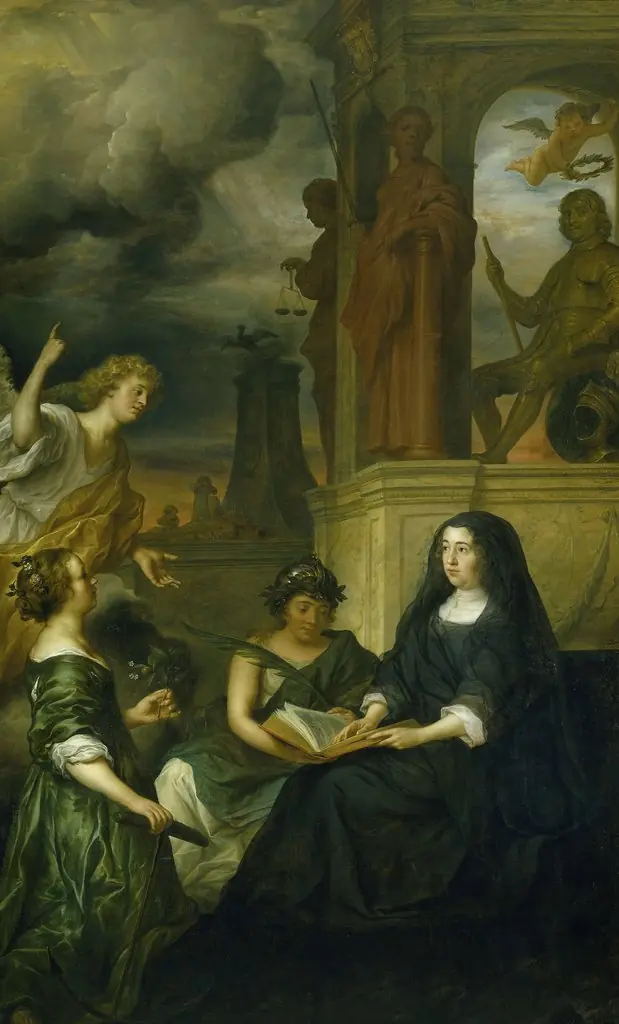 Allegory on the memory of Frederik Hendrik (1584-1647), prince of Orange, with the portrait of his widow Amalia van Solms
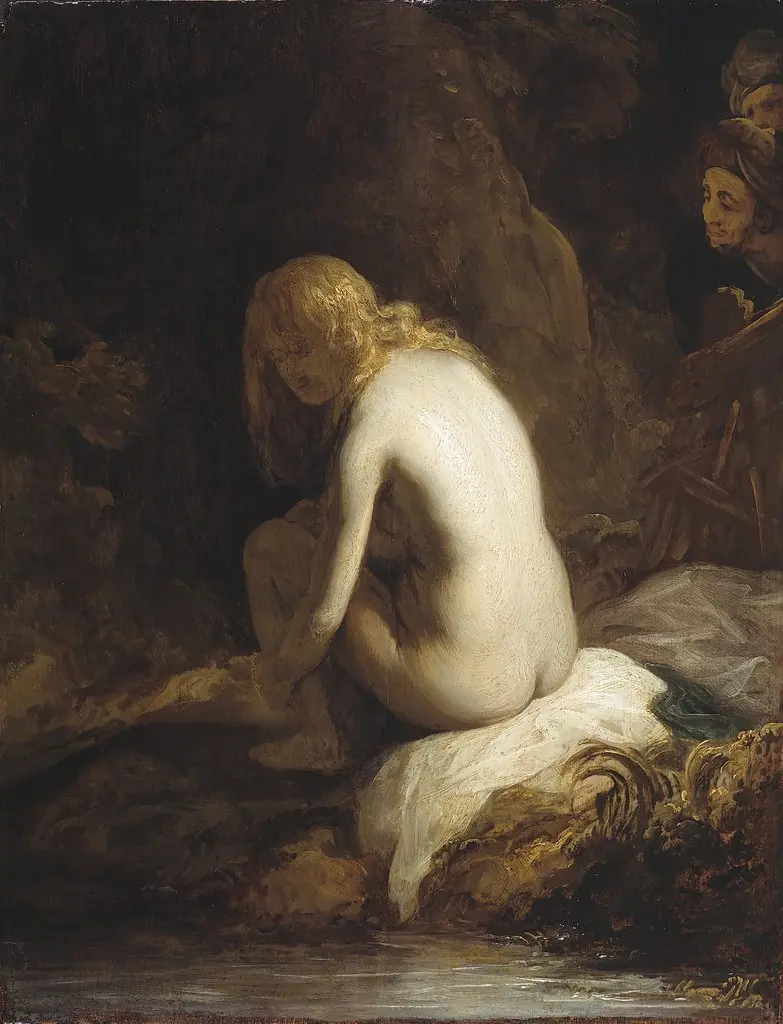 Susanna and the Elders
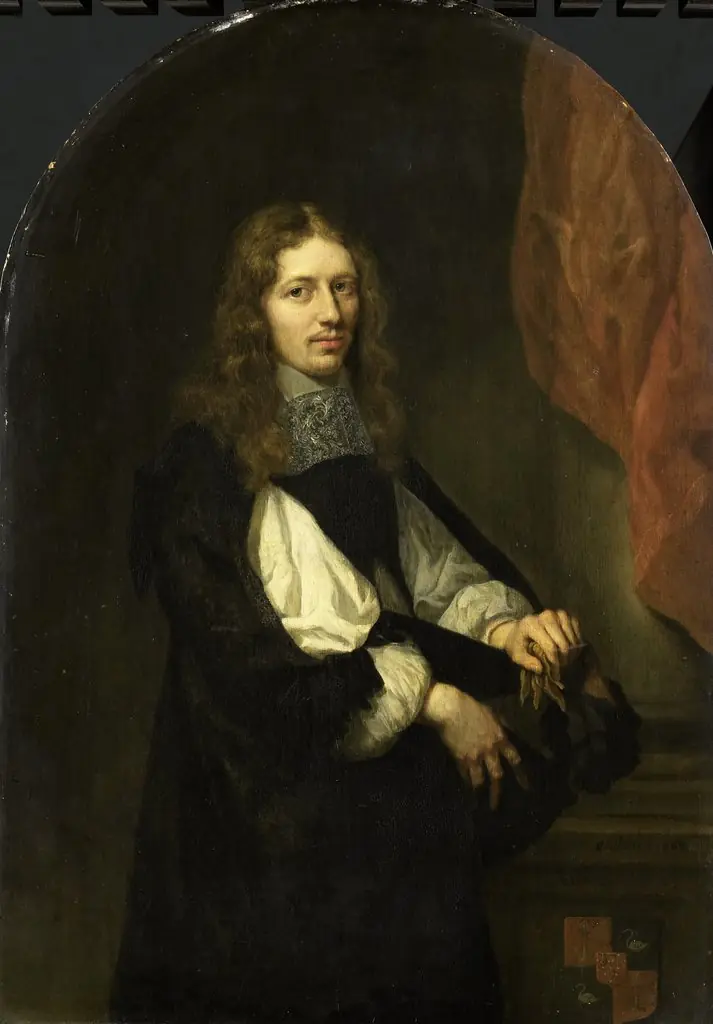 Portrait of Pieter de Graeff (1638-1707), lord of Zuid-Polsbroek, Purmerland, and Ilpendam. Alderman of Amsterdam
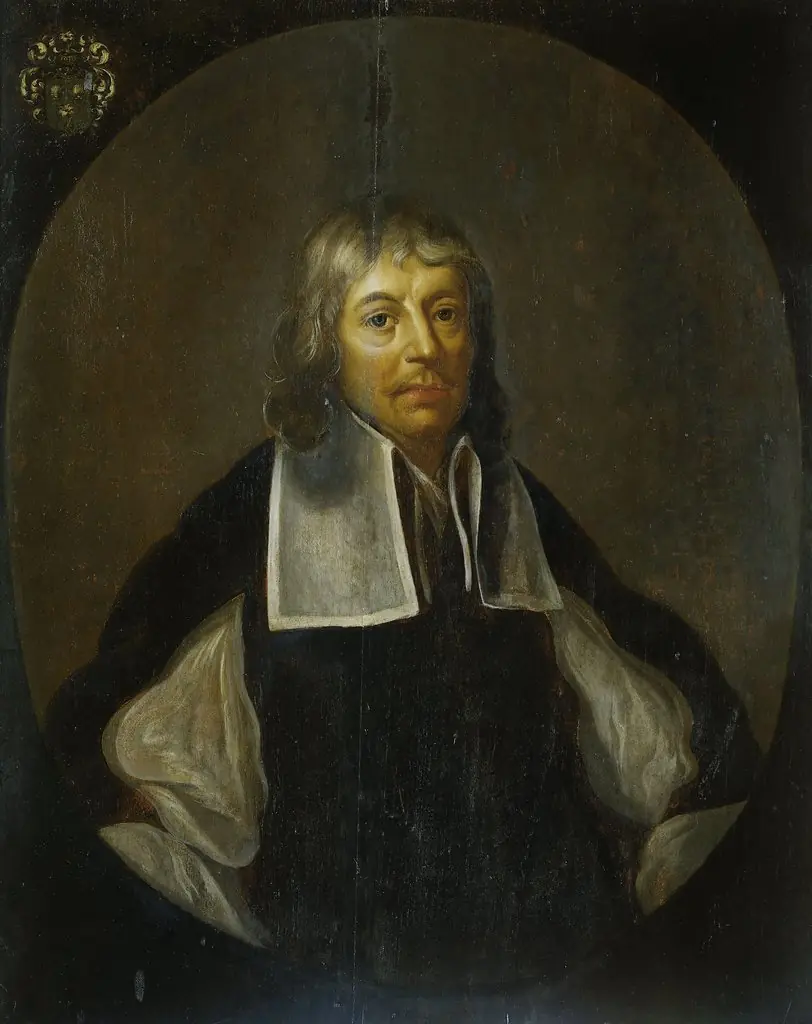 Portrait of Joan Meatsuyker (1606-78), Governor general (1653-78)
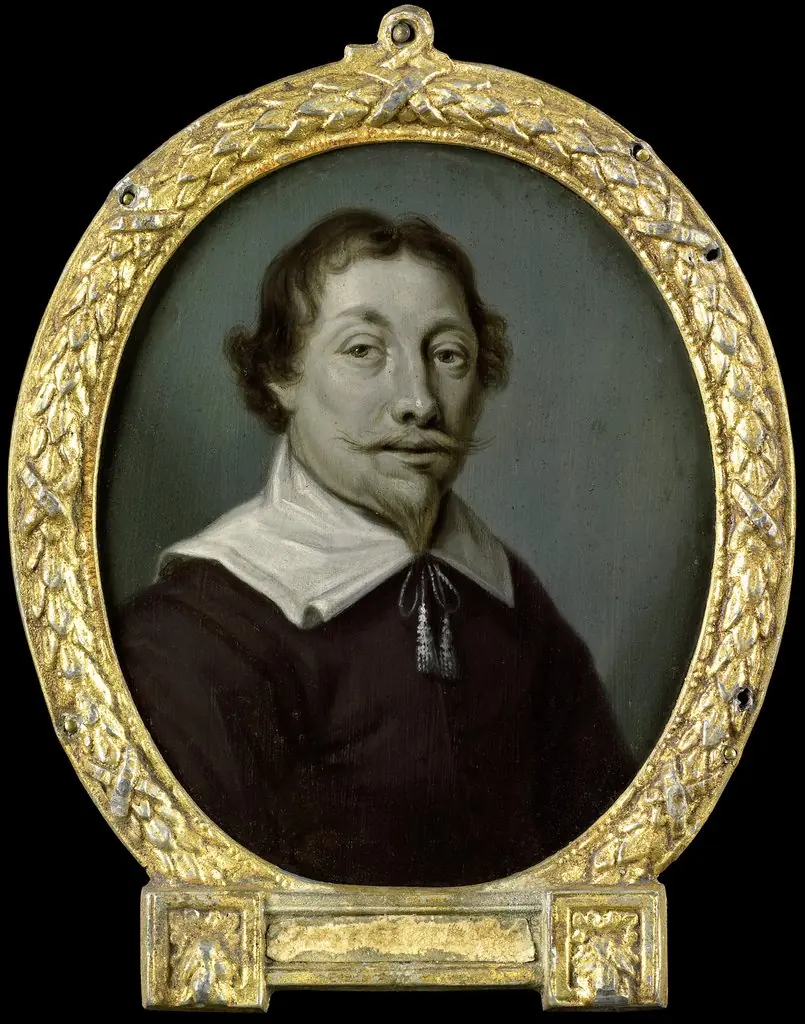 Portrait of Jan van der Veen, Pharmacist and Poet in Deventer
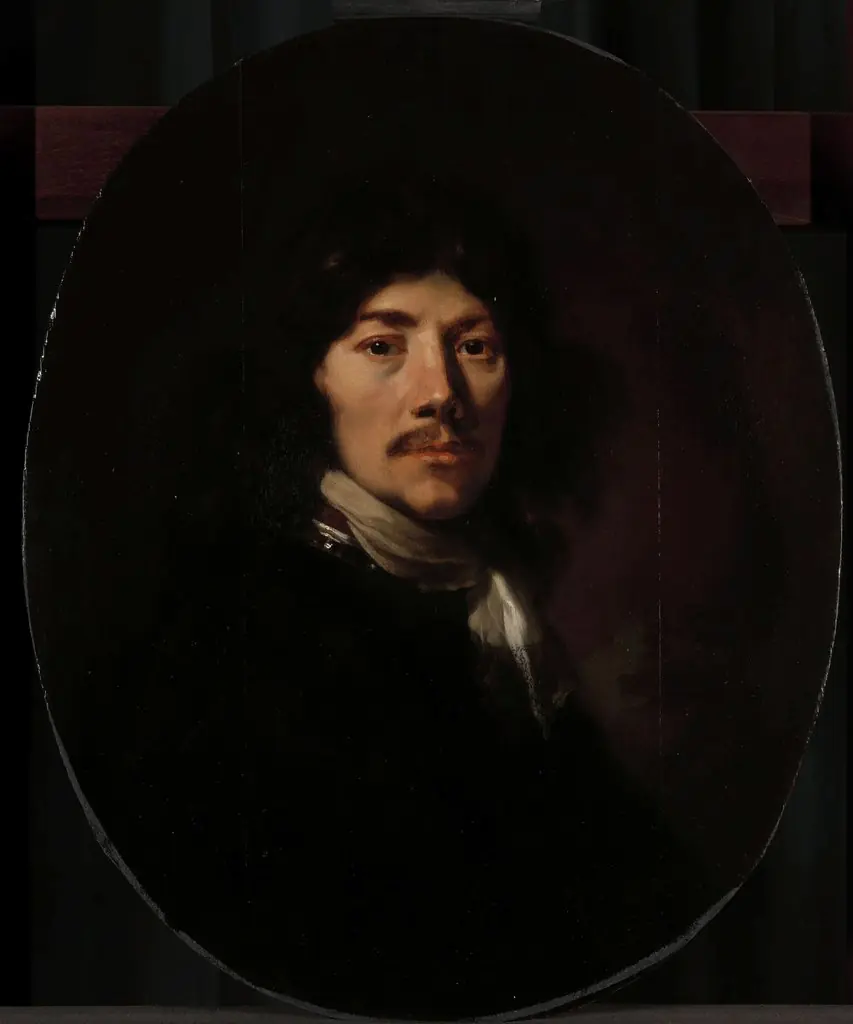 Self portrait, c. 1660
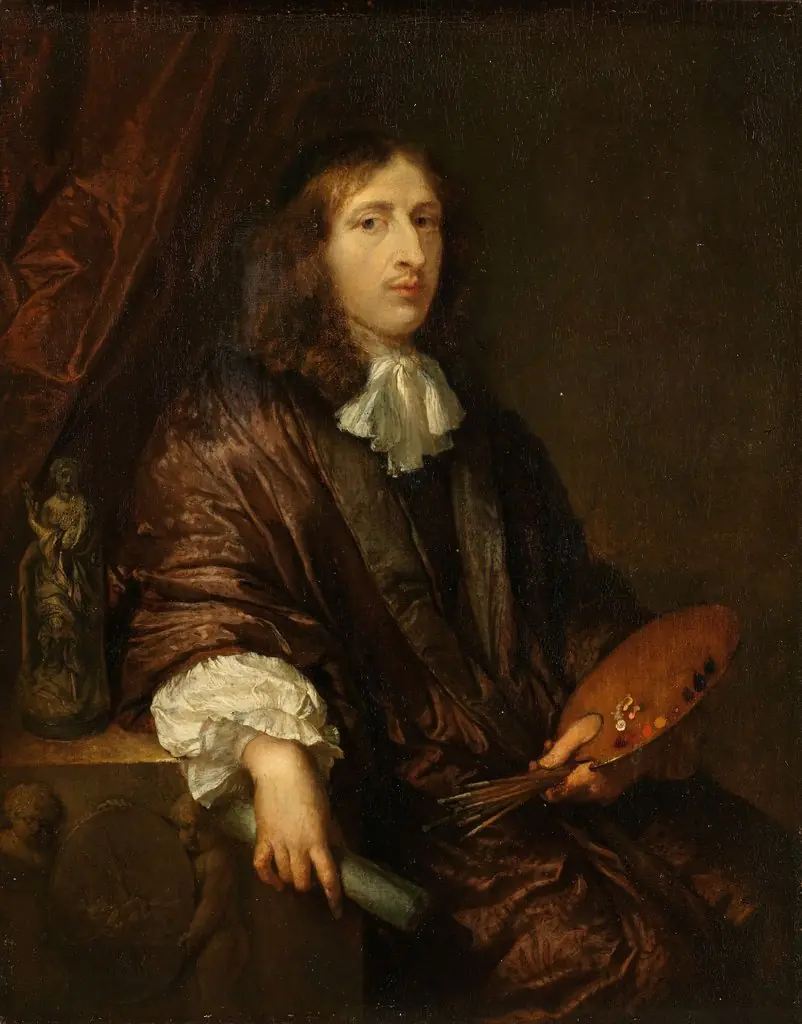 Self portrait
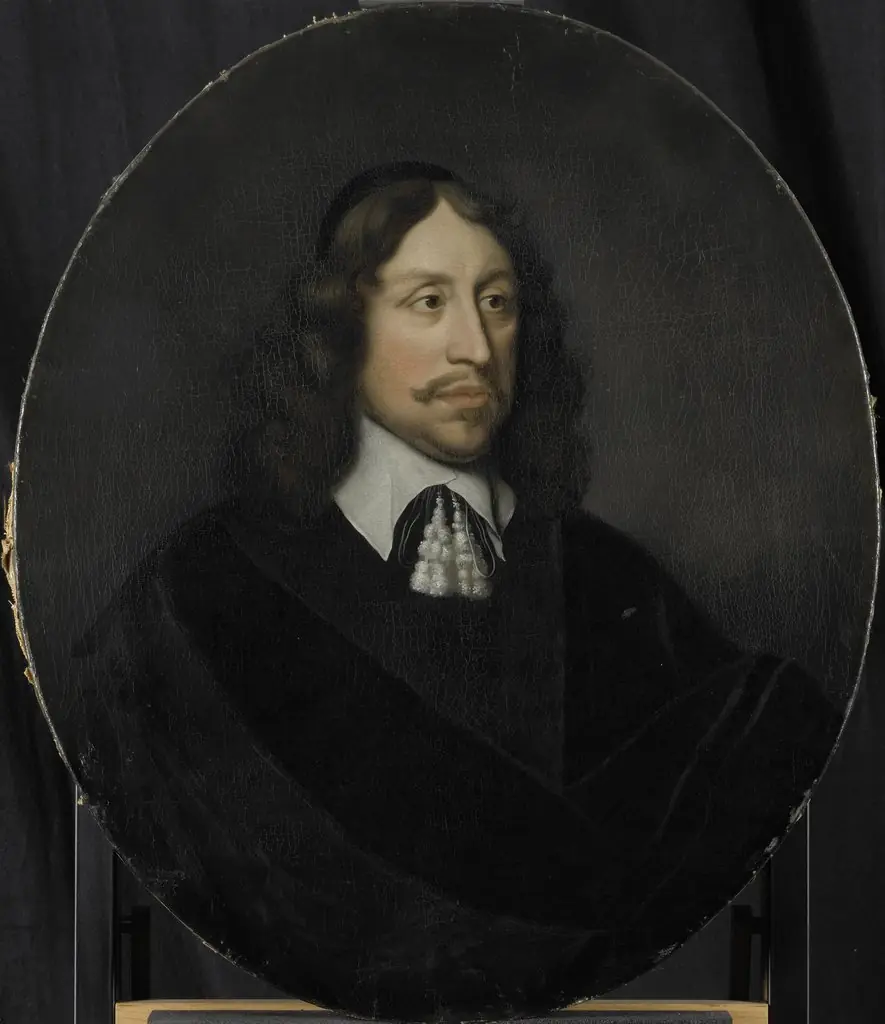 Portrait of Johan de Vries, Director of the Rotterdam Chamber of the Dutch East India Company, elected 1667