Artwork
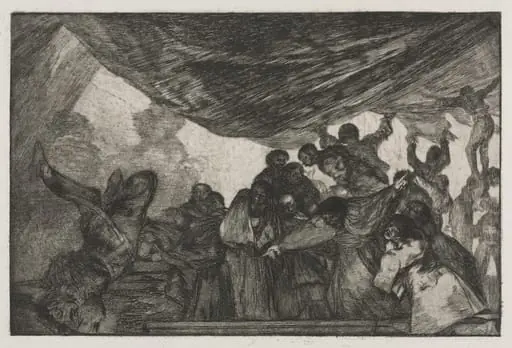
Disparate claro (Clear Folly)
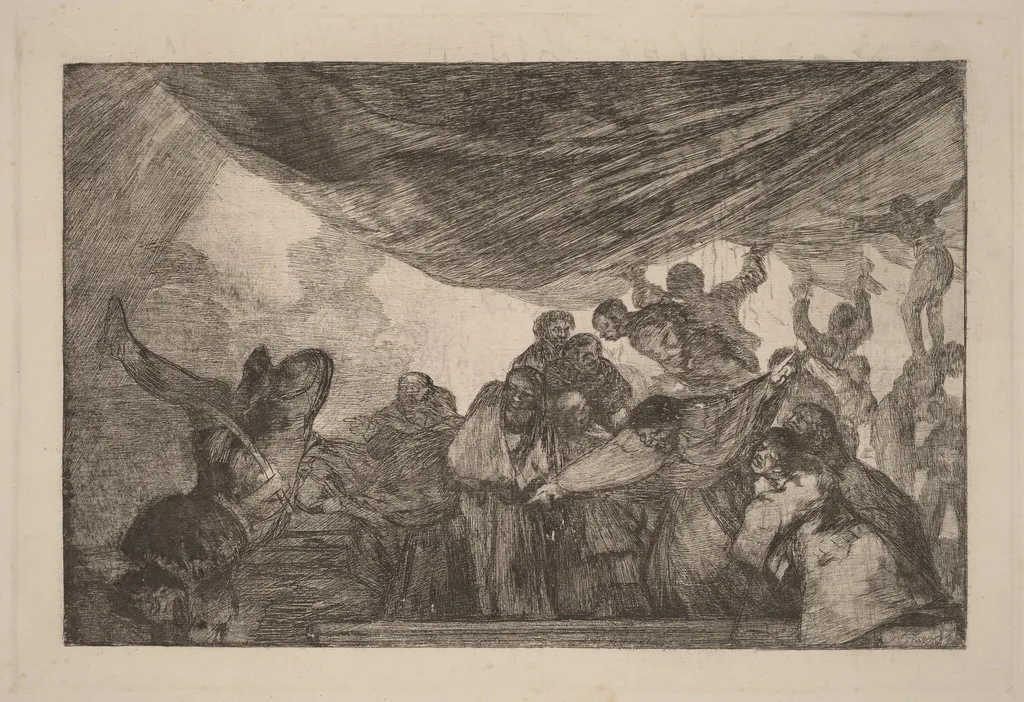
Disparate claro (Clear Folly) is an ink print by the Romanticist artist Francisco Goya. It dates from 1816 and is held in the collection of the National Gallery of Art.
About this work
Overview
Printed posthumously between 1854 and 1863, it belongs to a group of prints that reflect his deepening skepticism toward human behavior and social structures.
Created in 1816, *Disparate claro (Clear Folly)* is one of Francisco Goya’s etchings from his series of graphic works produced in his later years. Printed posthumously between 1854 and 1863, it belongs to a group of prints that reflect his deepening skepticism toward human behavior and social structures. The work combines etching, burnished aquatint, and lavis to achieve a range of tonal effects, characteristic of Goya’s experimental approach to printmaking.
Subject & Meaning
The image depicts a disordered assembly of figures, some climbing atop one another or a makeshift platform, their identities obscured by blurred features and tangled limbs. The chaotic composition suggests collective irrationality, possibly critiquing public spectacle, mob mentality, or the absurdity of social hierarchies. Above, a turbulent sky intensifies the sense of unease, reinforcing the theme of collective delusion under unstable conditions.
Technique & Style
Goya employed etching for fine linear detail, burnished aquatint to soften and modulate tones, and lavis for broad, atmospheric washes. These methods allowed him to render the crowd’s movement and the stormy sky with fluid, almost visceral texture. The absence of sharp outlines and the dominance of shadowed gradients create a sense of dissolution, aligning the technique with the psychological ambiguity of the scene.
History & Provenance
The print was not published during Goya’s lifetime. It was among the plates from his private collection, retained until after his death in 1828. The first known impressions were pulled decades later, between 1854 and 1863, likely by his heirs or publishers seeking to disseminate his uncommissioned works. These posthumous prints are now considered critical to understanding his late artistic vision.
Context
Produced after the Peninsular War and during Spain’s political instability, *Disparate claro* reflects Goya’s disillusionment with authority and collective behavior. His graphic series from this period, including *Los Caprichos* and *Los Disparates*, abandon traditional narrative in favor of symbolic, often nightmarish imagery. These works mark a shift from Enlightenment ideals toward a more personal, introspective critique of society.
Legacy
Goya’s use of dark, expressive printmaking techniques influenced later generations of artists, particularly those exploring psychological depth and social alienation. *Disparate claro* exemplifies his departure from academic conventions, anticipating Expressionism and Surrealism through its emotional intensity and rejection of clarity. The work remains a touchstone for artists investigating the irrational undercurrents of human society.
Artist & collection
Artist
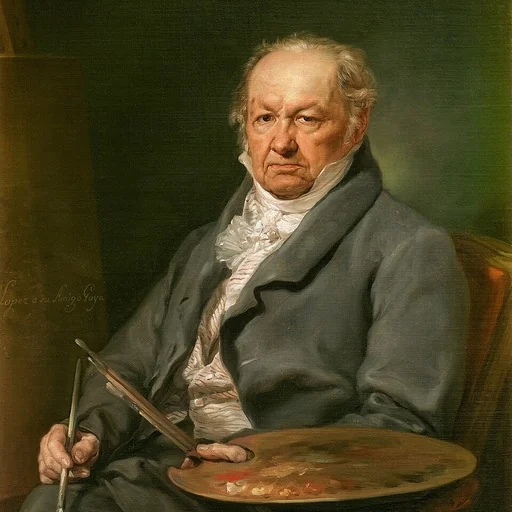
Francisco José de Goya y Lucientes (; Spanish: ; 30 March 1746 – 16 April 1828) was a Spanish romantic painter and printmaker.

 The Proverbs: Clear Folly
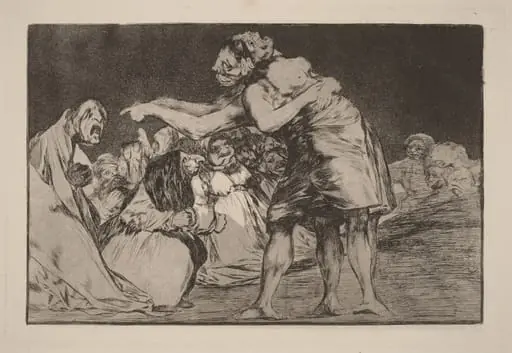 Disparate desordenado (Disorderly Folly)
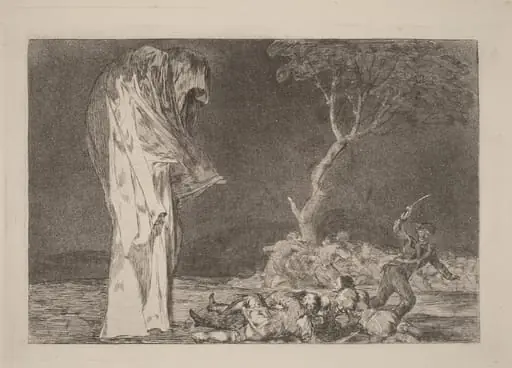 Disparate de miedo (Folly of Fear)
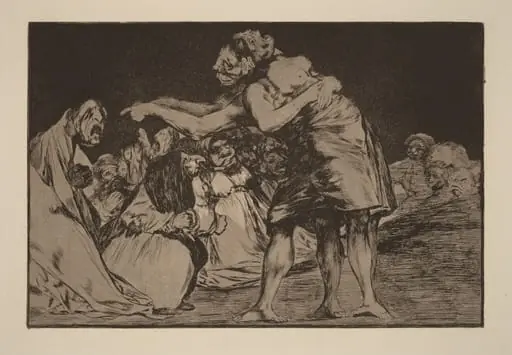 Disparate desordenado (Disorderly Folly)
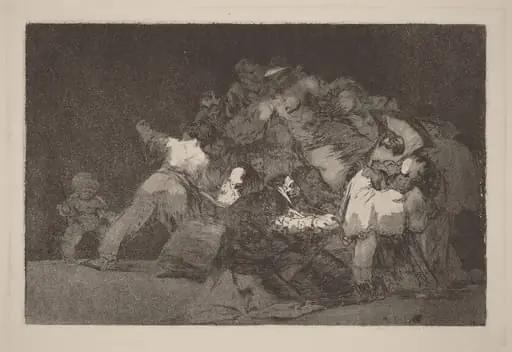 Disparate general (General Folly)
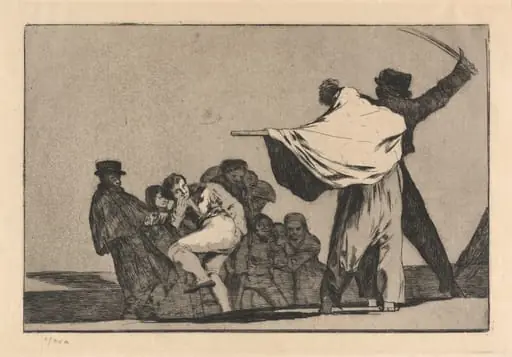 Disparate conocido (Well-Known Folly)
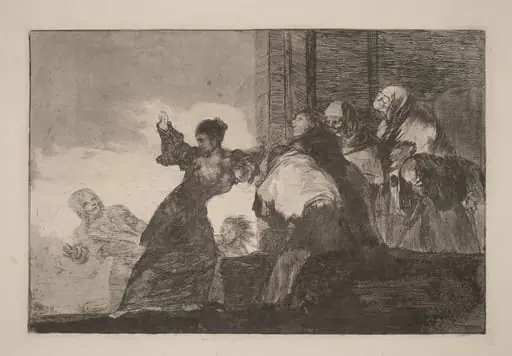 Disparate pobre (Poor Folly)
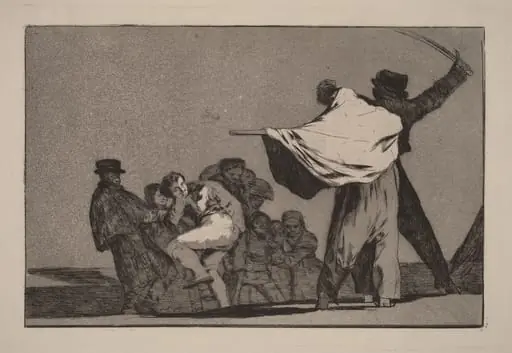 Disparate conocido (Well-Known Folly)
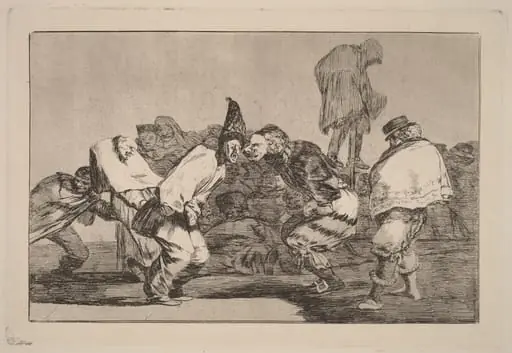 Disparate de Carnabal (Carnival Folly)
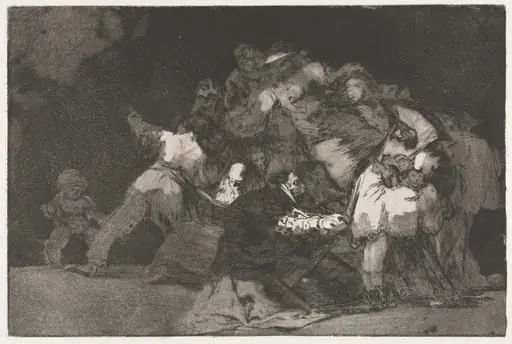 The Proverbs: General Folly
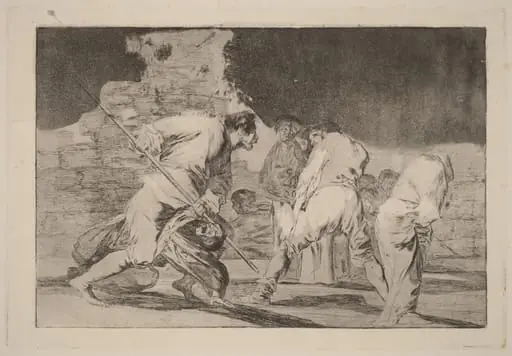 Disparate furioso (Furious Folly)
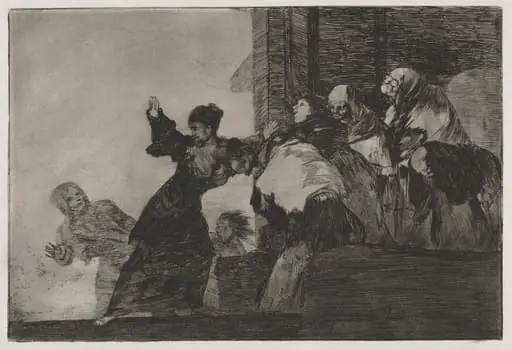 The Proverbs: Poor Folly