Artwork
Por que fue sensible (Because She Was Susceptible)
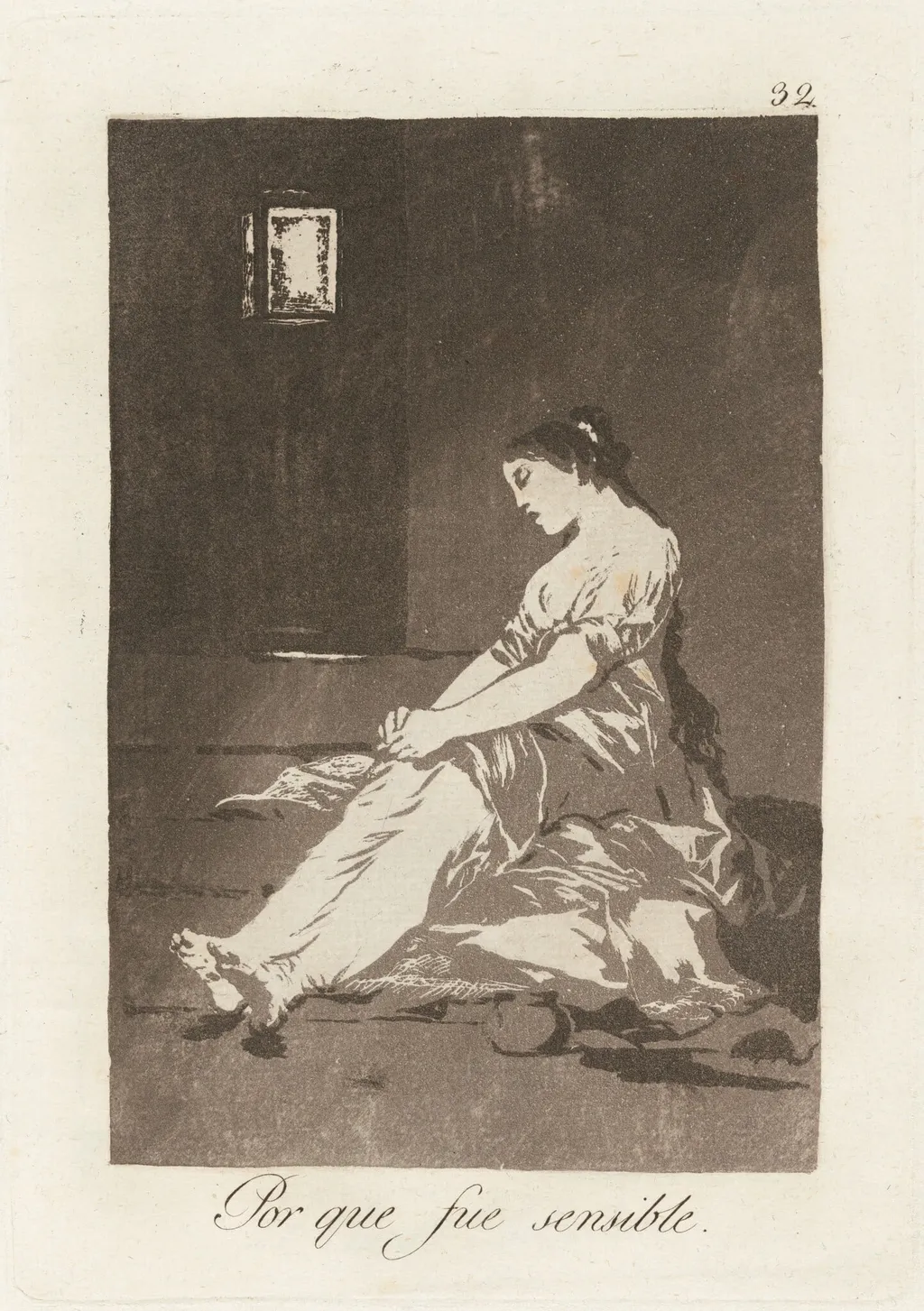
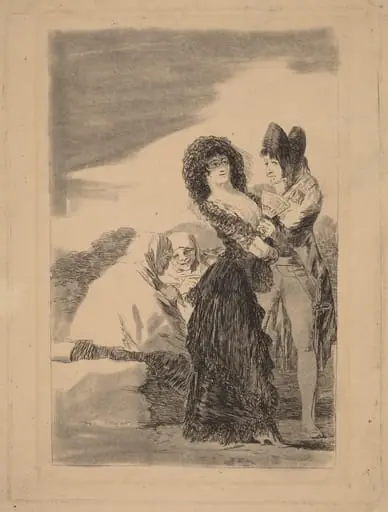
Por que fue sensible (Because She Was Susceptible) is an ink print by the Romanticist artist Francisco Goya. It dates from 1799 and is held in the collection of the National Gallery of Art.
About this work
Overview
Por qué fue sensible (Because She Was Susceptible) is a print created by Francisco Goya in 1799, utilizing lift-ground aquatint and aquatint techniques on laid paper. Characterized by soft shading and a contemplative atmosphere, the work embodies the emotional depth and social commentary typical of Goya's oeuvre.
Subject & Meaning
The print depicts a solitary woman seated on the floor in a dimly lit room, with a subtle landscape visible through a small window above her. Her introspective pose and the overall somber mood suggest a narrative of personal vulnerability, as implied by the title, which hints at the consequences of emotional susceptibility.
Technique & Style
Goya employed lift-ground aquatint and aquatint techniques, reflective of late 18th-century printmaking practices. These methods allowed for the achievement of nuanced, expressive shading, contributing to the work's sense of quiet drama and introspection.
History & Provenance
Created during a period of significant historical change in Spain, Por qué fue sensible is part of Goya's body of work that addressed contemporary social themes, exerting influence on subsequent artists.
Context
This print can be contextualized within the broader artistic movement of Romanticism, which emphasized emotion and individual experience over the strictures of Neoclassicism. Goya's work here aligns with this shift towards expressing deeper, more personal narratives.
Artist & collection
Artist
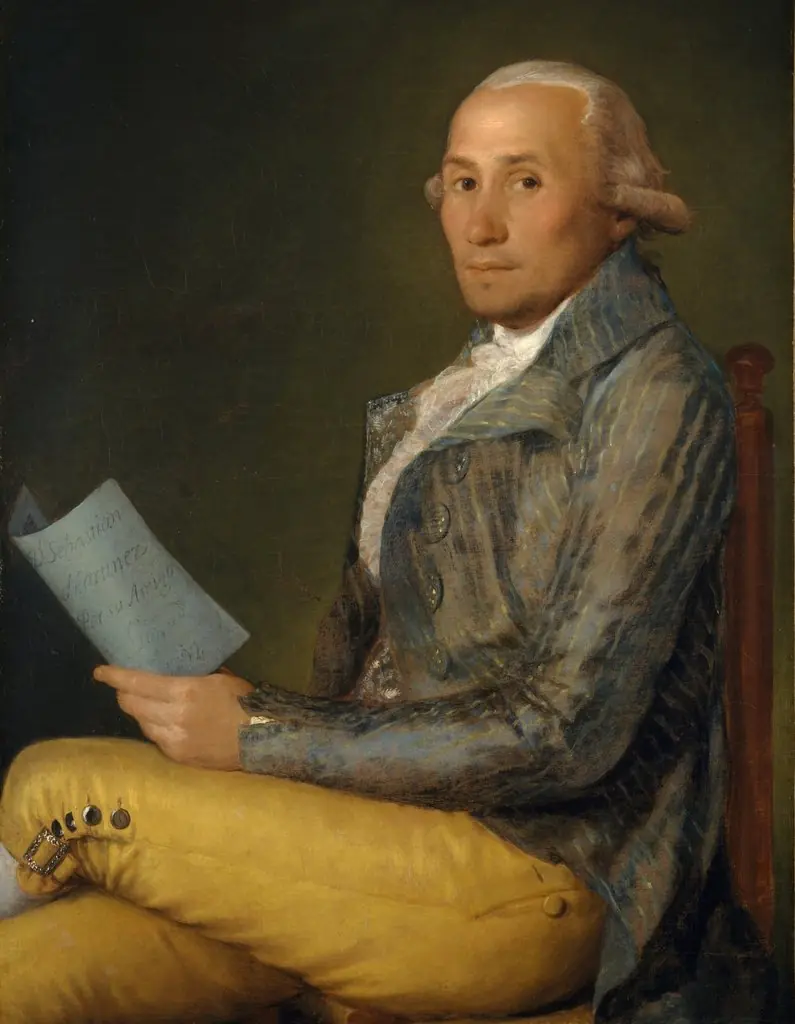
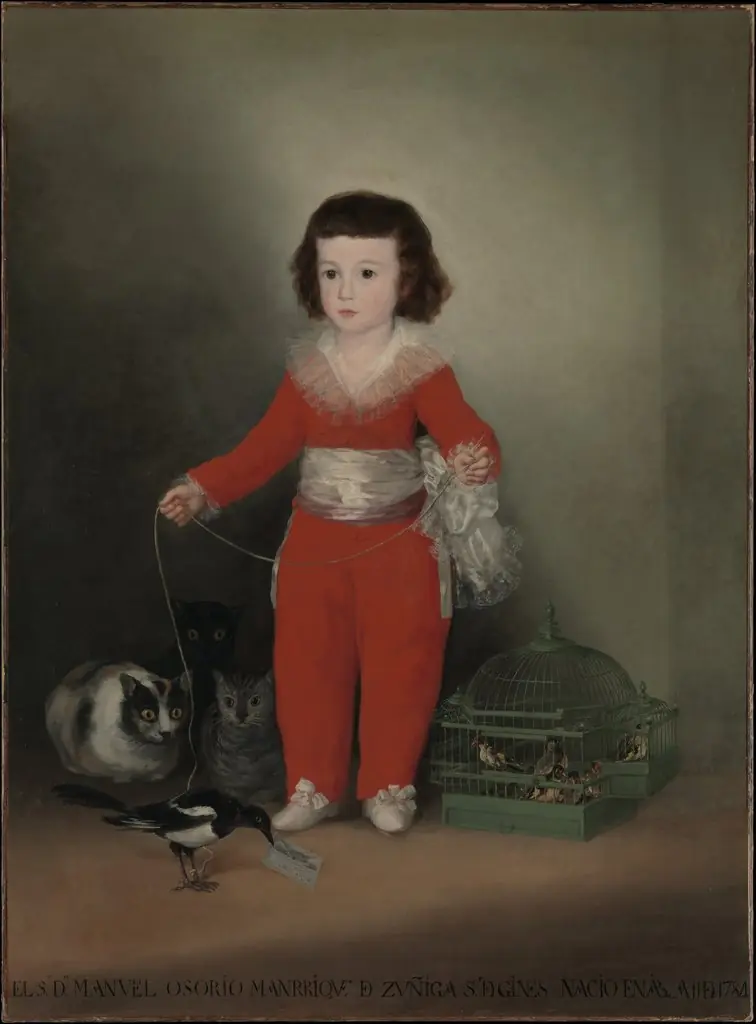
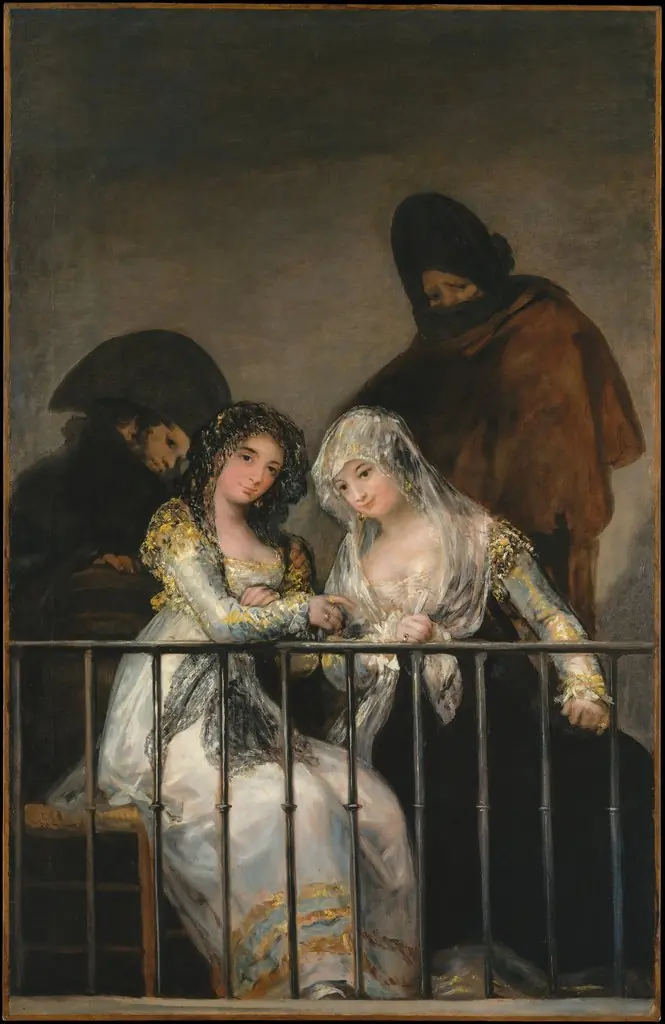
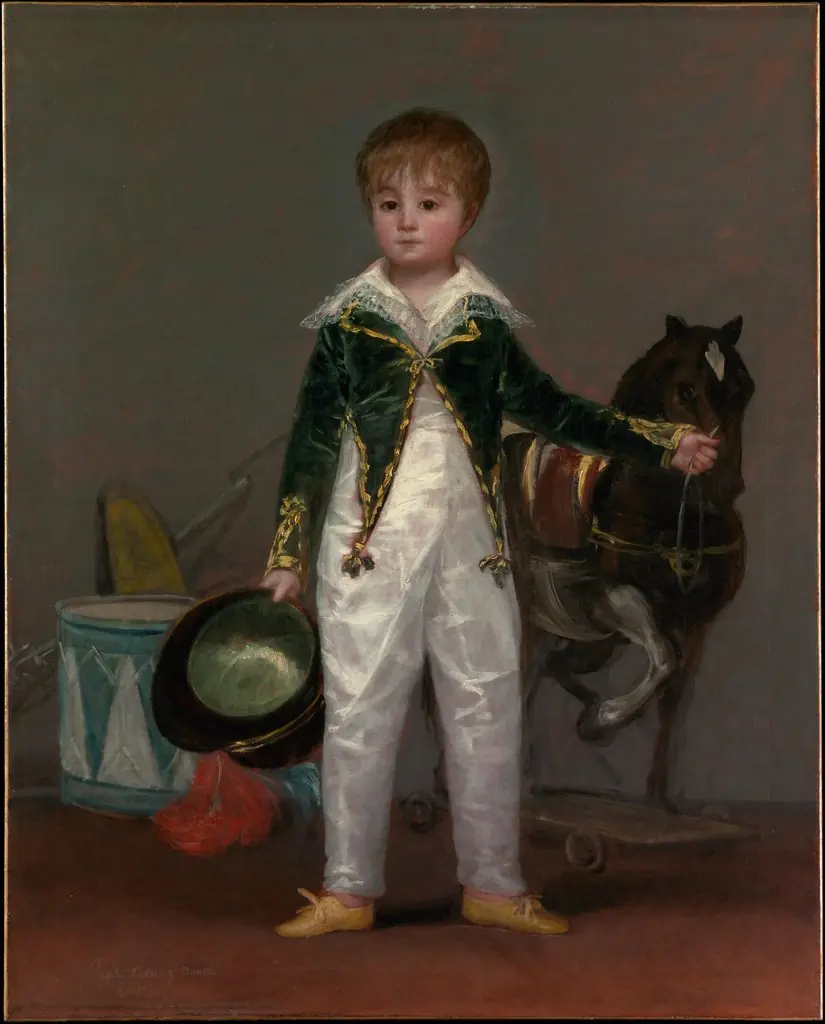
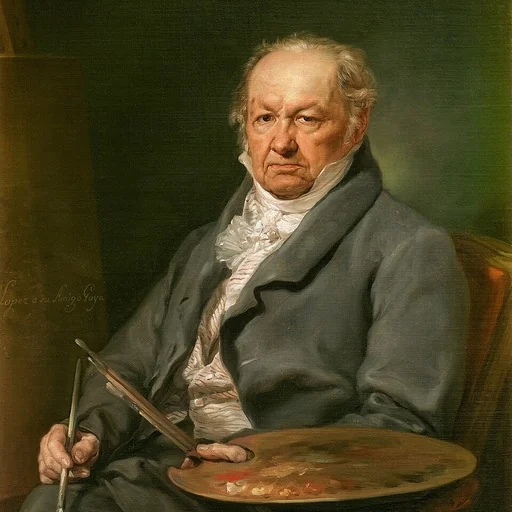
Francisco José de Goya y Lucientes (; Spanish: ; 30 March 1746 – 16 April 1828) was a Spanish romantic painter and printmaker.