Artwork
La vertu chancelante
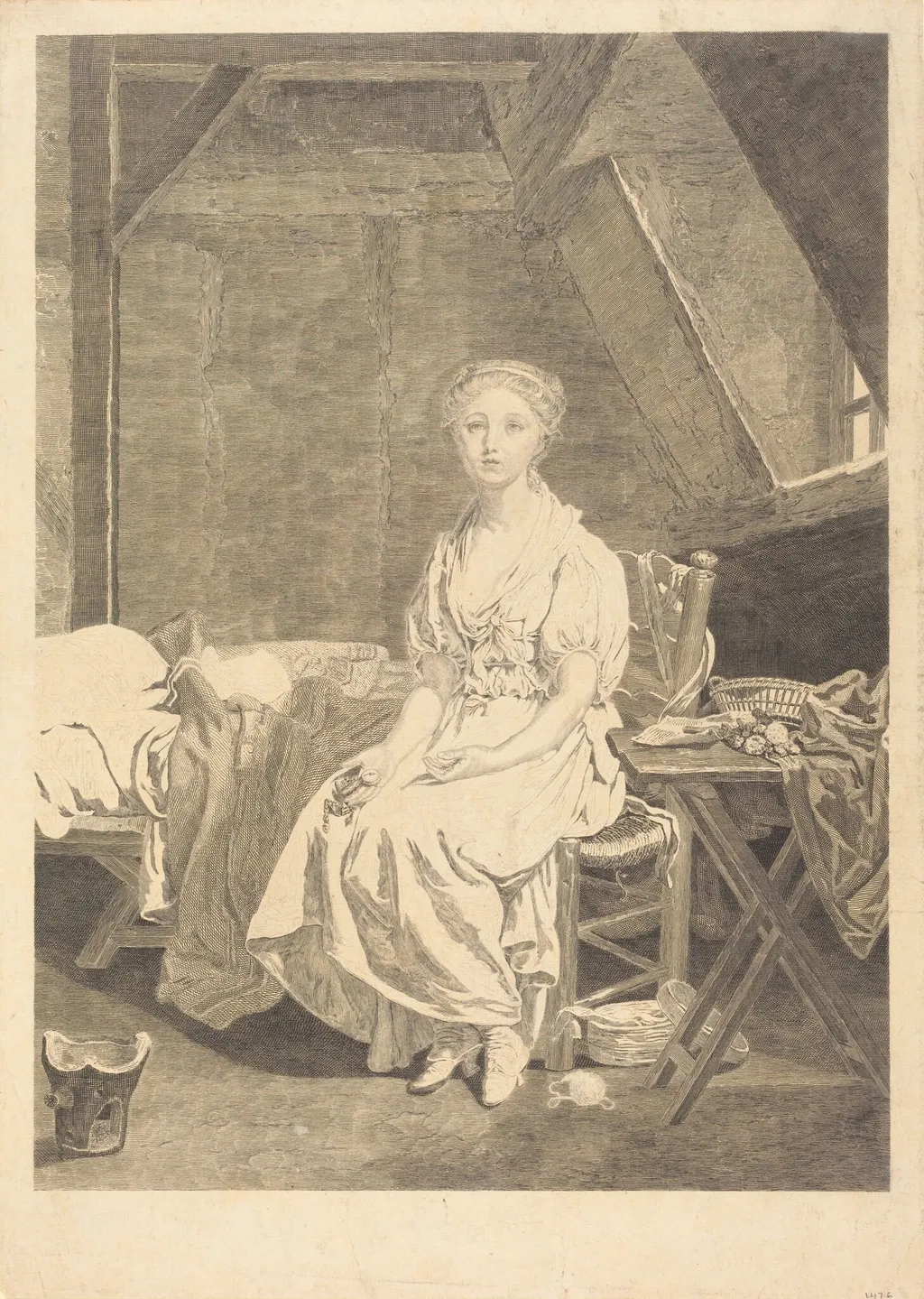
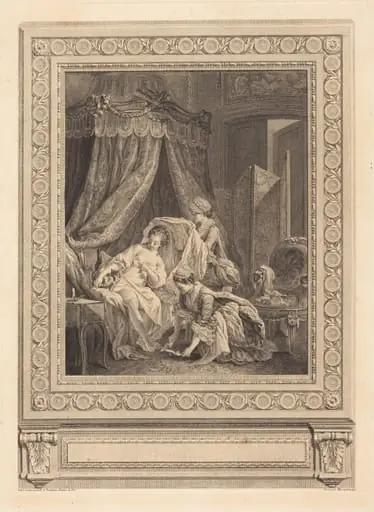
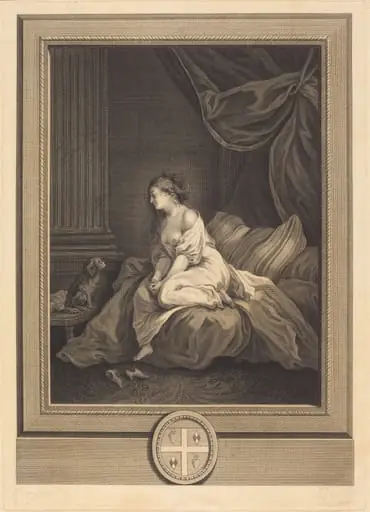
La vertu chancelante is an ink print by the Baroque artist Jean Massard. It dates from 1781 and is held in the collection of the National Gallery of Art.
About this work
Overview
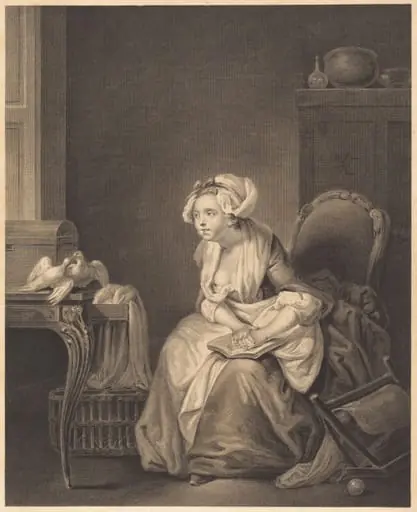
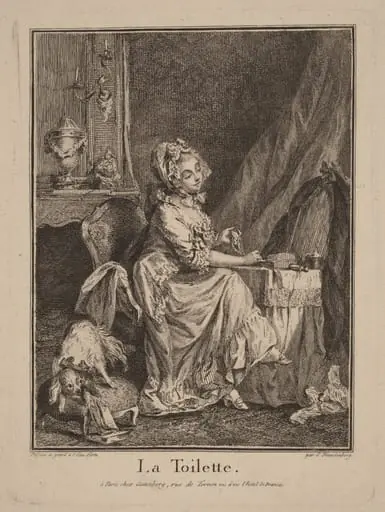
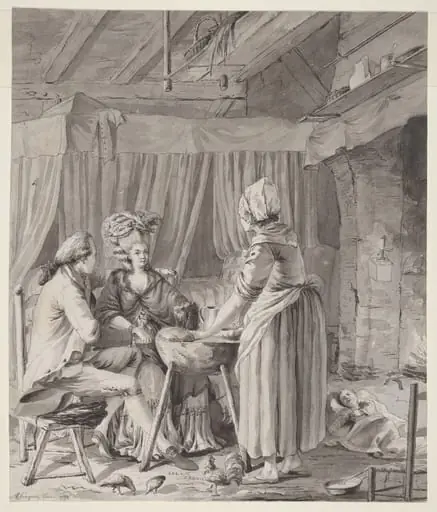
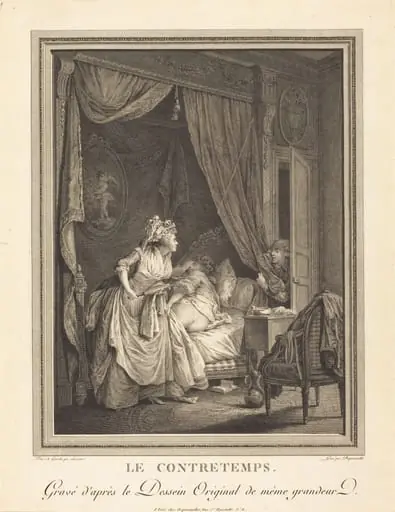
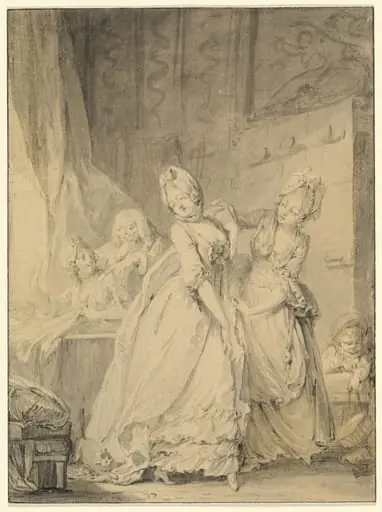
It portrays a solitary woman in a modest interior, rendered with fine linear detail characteristic of etching techniques of the period.
La vertu chancelante is an etching produced by Jean Massard in 1781. Unlike the description’s reference to a painting, the work is a printed image, likely intended for wider distribution. It portrays a solitary woman in a modest interior, rendered with fine linear detail characteristic of etching techniques of the period. The composition emphasizes stillness and restraint, aligning with moralizing themes common in late 18th-century French graphic art.
Subject & Meaning
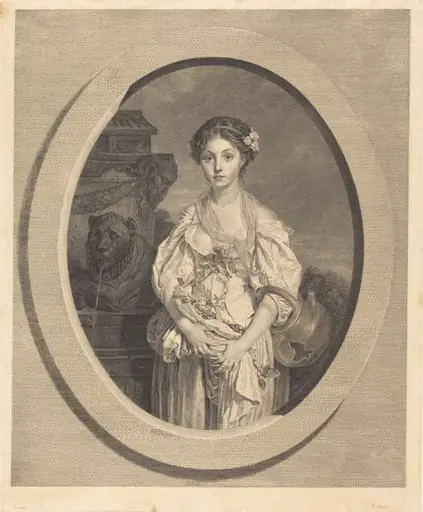
The figure, dressed in a plain white garment and seated with hands folded, embodies an idealized virtue—calm, composed, and detached from worldly distraction. The rustic setting, with its unadorned walls and humble furnishings, reinforces themes of moral integrity and quiet dignity. The title, translating to 'Faltering Virtue,' suggests an internal struggle or fragility, inviting reflection on the precariousness of ethical resolve in everyday life.
Technique & Style
Massard employed etching to achieve delicate tonal gradations and precise line work, using acid to bite into a metal plate coated with wax. The rendering of textures—wood grain, fabric folds, basket weave—is achieved through controlled hatching and crosshatching. The style is restrained, avoiding dramatic chiaroscuro in favor of even lighting, which enhances the quiet, introspective mood of the scene.
History & Provenance
Created in 1781, the etching emerged during a period of growing interest in moral and domestic subjects among French printmakers. While Massard was not a widely documented artist, his work reflects the influence of earlier Dutch genre prints and the rising demand for prints that conveyed ethical narratives. The piece likely circulated among educated middle-class collectors interested in virtue and domestic ideals.
Context
In the decades before the French Revolution, visual culture increasingly turned to scenes of private morality as alternatives to aristocratic grandeur. Massard’s etching aligns with this shift, echoing the sentimental realism found in the works of artists like Greuze. The emphasis on humility and inner virtue resonated with Enlightenment ideals, even as it subtly critiqued the excesses of the ancien régime.
Legacy
La vertu chancelante remains a modest but representative example of late 18th-century moralizing printmaking. Though Massard’s name faded from prominence, the work contributes to a broader understanding of how visual art engaged with ethical discourse outside the academy. It survives as a quiet testament to the cultural weight assigned to personal virtue in pre-revolutionary France.
Artist & collection