Artwork
Si es delinquente qe. muera presto (If He is Guilty, Let Him Die Quickly)
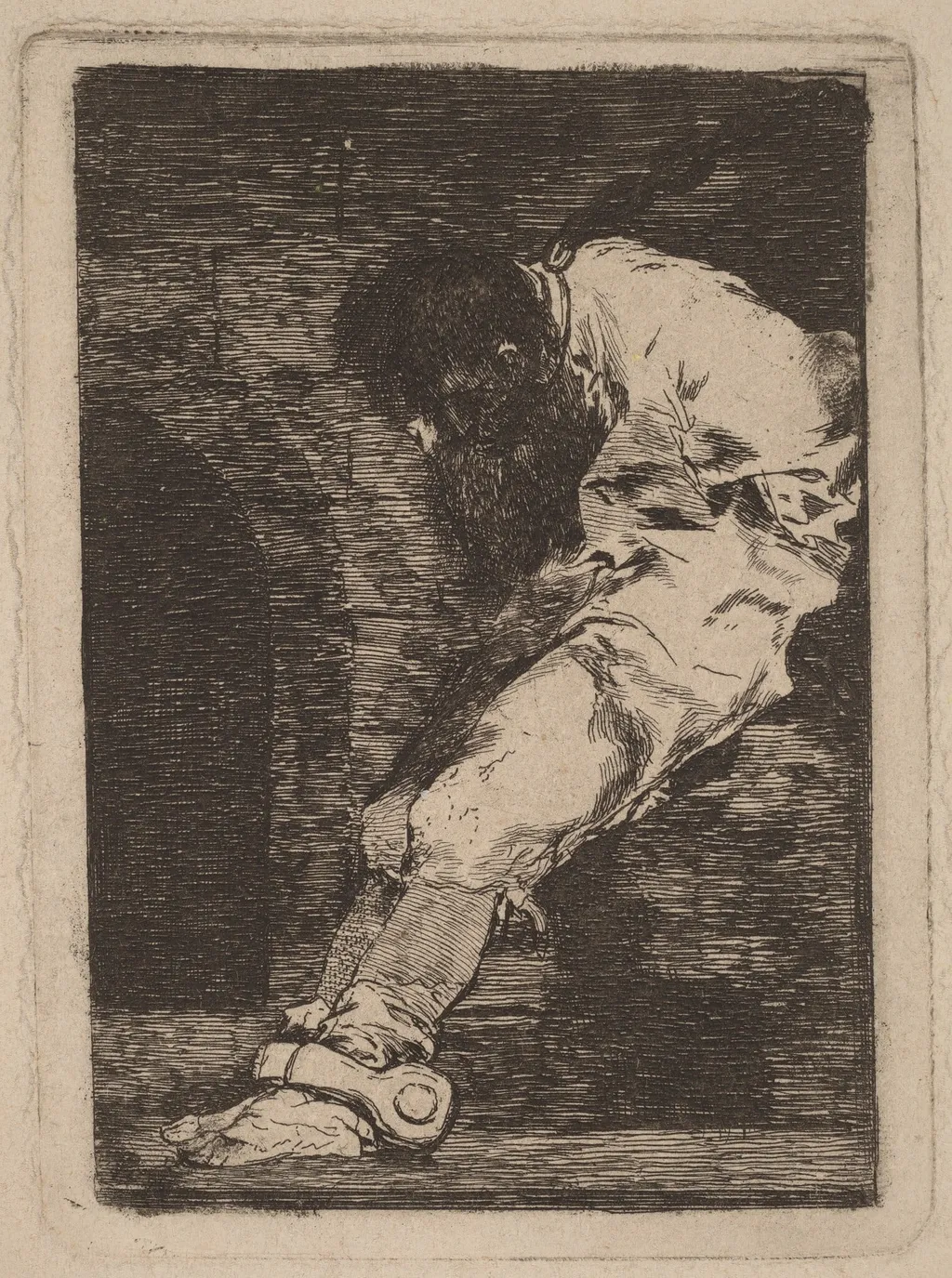
Si es delinquente qe. muera presto (If He is Guilty, Let Him Die Quickly) is an ink print by the Romanticist artist Francisco Goya. It dates from 1810 and is held in the collection of the National Gallery of Art.
About this work
Overview
Created around 1810, this etching by Francisco Goya is one of many works from his series exploring violence and institutional power.
Created around 1810, this etching by Francisco Goya is one of many works from his series exploring violence and institutional power. Printed posthumously before 1859 as a trial proof, it belongs to a group of prints that confront the brutality of authority. Unlike finished editions, this version captures the raw state of the plate, preserving the immediacy of Goya’s hand. Its unpolished surface reflects the urgency of its message.
Subject & Meaning
The image depicts a single, tense arm gripping a dark vertical form, fingers splayed and knuckles strained. The other hand holds an unseen object, suggesting action or restraint. The title, a blunt legal phrase, implies a call for swift punishment. Goya does not depict the accused or the executioner, focusing instead on the physicality of control—inviting viewers to question who wields power and under what justification.
Technique & Style
Goya used etching to create deep contrasts through aggressive line work and heavy biting with acid. The background is a dense, textured black, achieved by multiple acid baths and drypoint scratching, while the arm emerges in stark relief. The rough, uneven strokes convey a sense of haste or distress, as if the image were carved under pressure. This technique amplifies the emotional weight without relying on narrative detail.
History & Provenance
The print was made during a period of political upheaval in Spain, following the Peninsular War and the restoration of absolutism. Goya, disillusioned by the violence of both French occupation and Spanish repression, turned to printmaking for its accessibility and critical potential. This trial proof was likely pulled after his death, before 1859, as part of efforts to preserve his uncommissioned, unapproved works.
Context
This work emerged alongside Goya’s 'Disasters of War' series, which documented the horrors of conflict and the erosion of justice. In early 19th-century Spain, censorship limited direct political commentary, so artists used allegory and ambiguity. Goya’s omission of faces and full scenes forced viewers to confront the mechanics of power—hands, surfaces, and silence—as proxies for systemic cruelty.
Legacy
The print’s raw aesthetic and moral ambiguity influenced later artists grappling with state violence and repression. Its lack of resolution—no clear victim or perpetrator—makes it enduringly relevant. As a trial proof, it also stands as a testament to Goya’s process: not polished for public display, but preserved for its unfiltered truth, offering insight into how art can bear witness without explanation.
Artist & collection
Artist
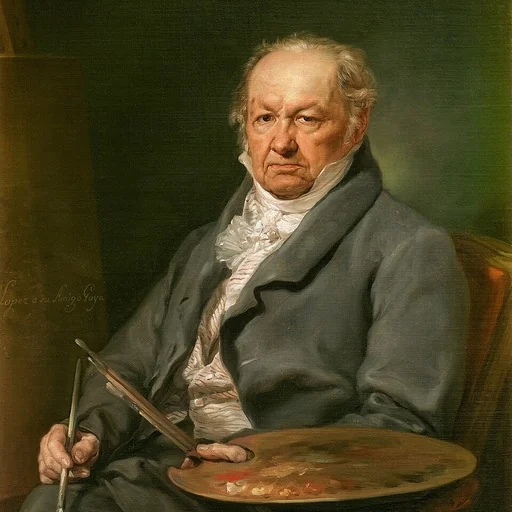
Francisco José de Goya y Lucientes (; Spanish: ; 30 March 1746 – 16 April 1828) was a Spanish romantic painter and printmaker.

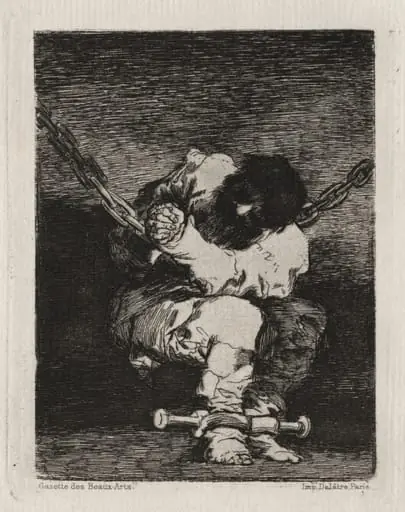 The Little Prisoner
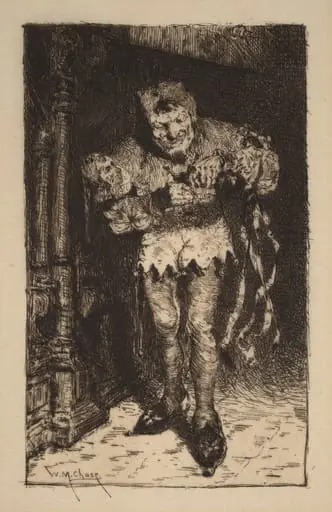 Keying Up: The Court Jester
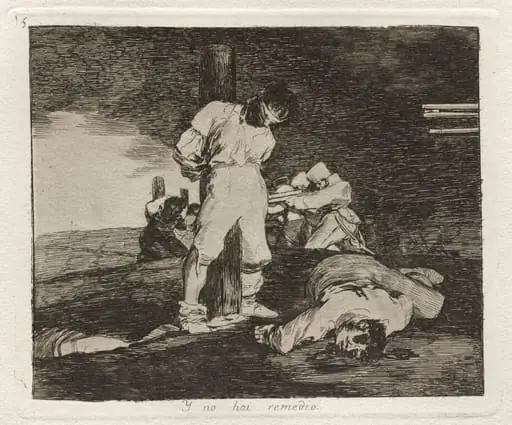 Y no hai remedio (And There's No Help for It)
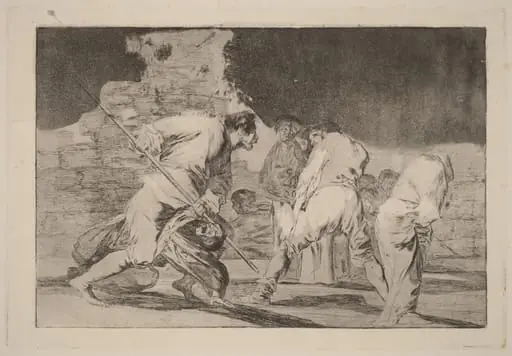 Disparate furioso (Furious Folly)
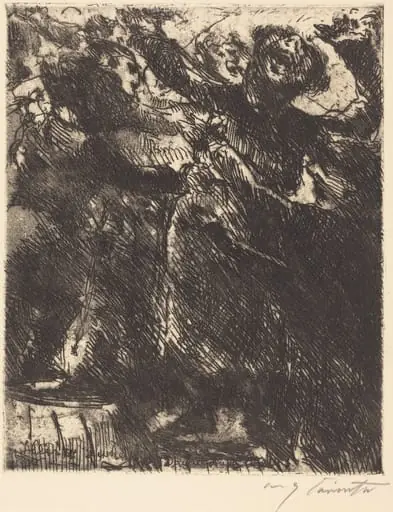 Kapuzinerpredigt—"Hetzt sich lieber herum mit der Dirn'" (The Capuchin's Sermon—"He Prefers to Run Around with a Girl")
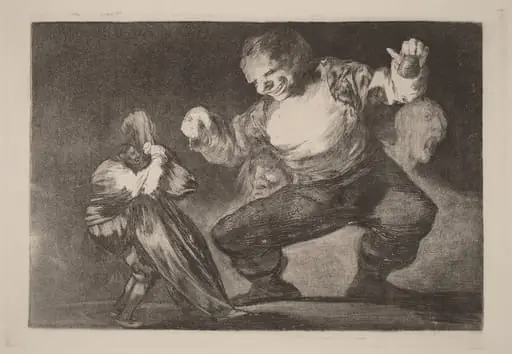 Bobalicon (Simpleton)
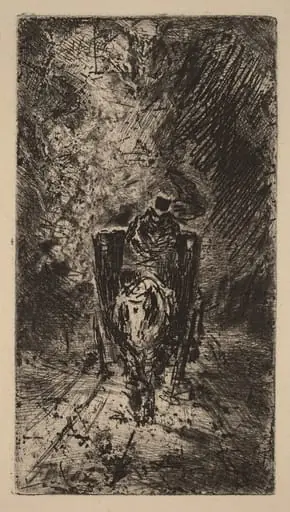 Spleen et Idéal
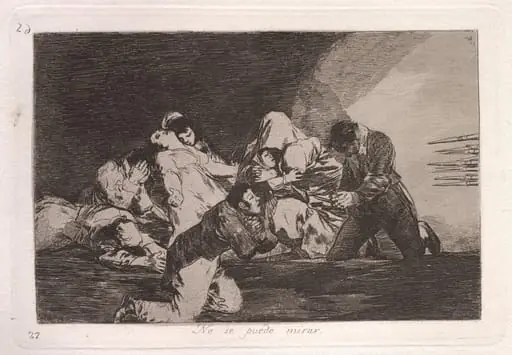 No se puede mirar (One Can't Look)
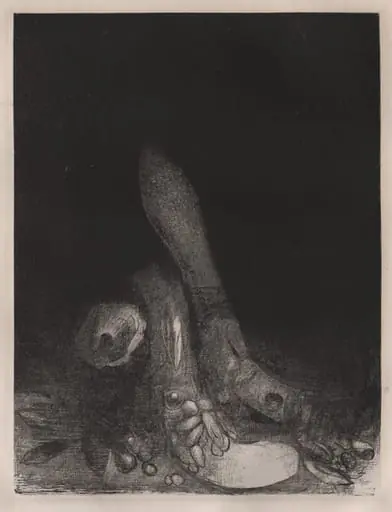 Flowers Fall and the Head of a Python Appears
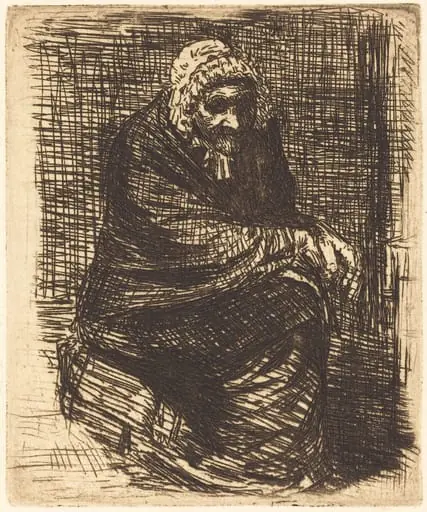 Old Woman Seated (La vieille femme assise)