Artwork
Piracicaba River Landscape
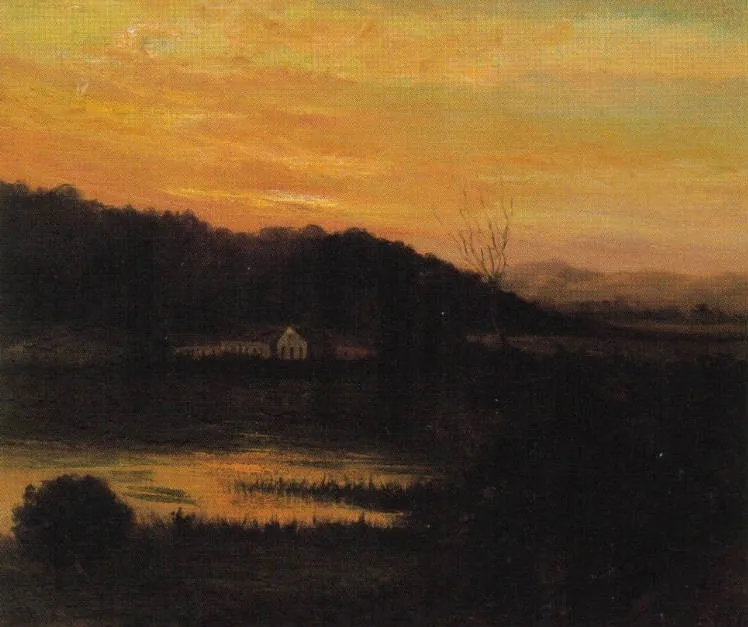
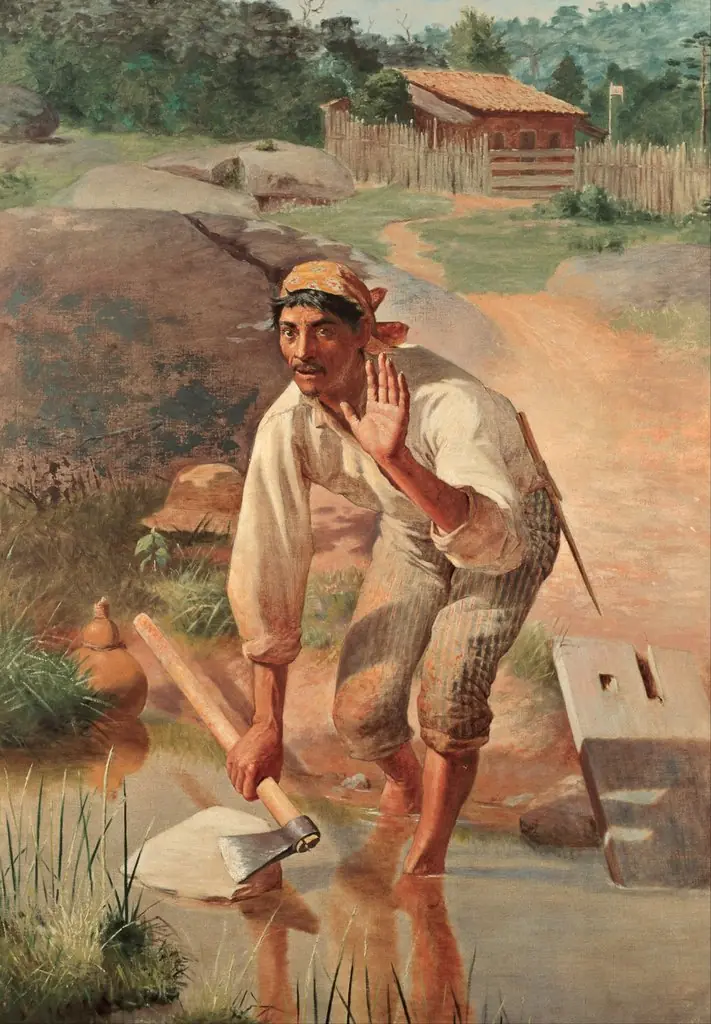
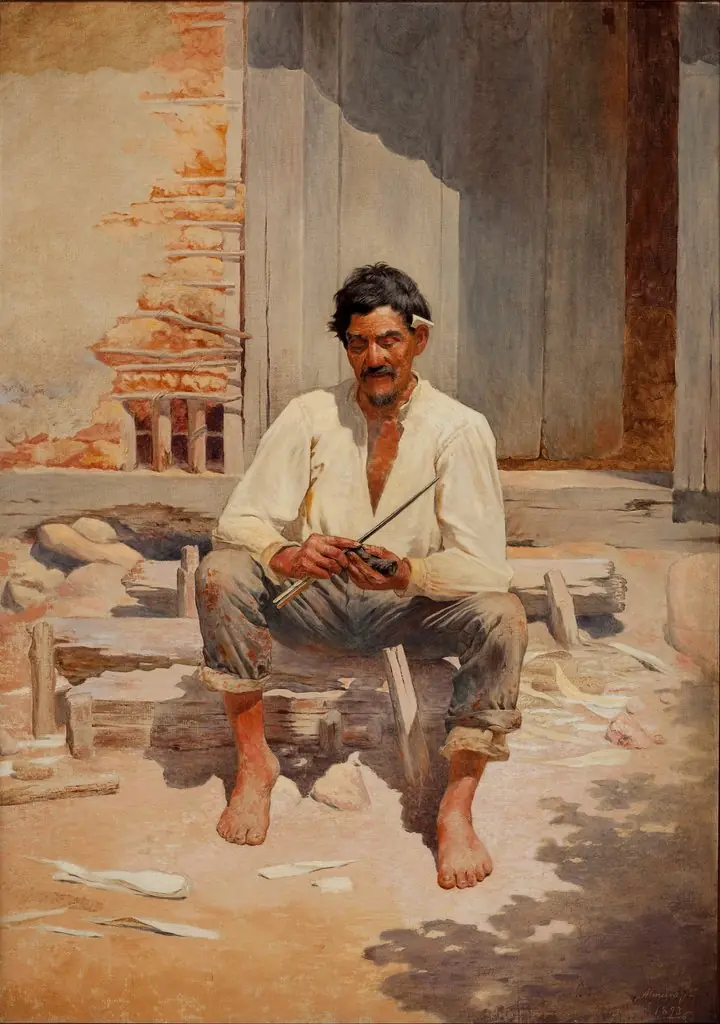
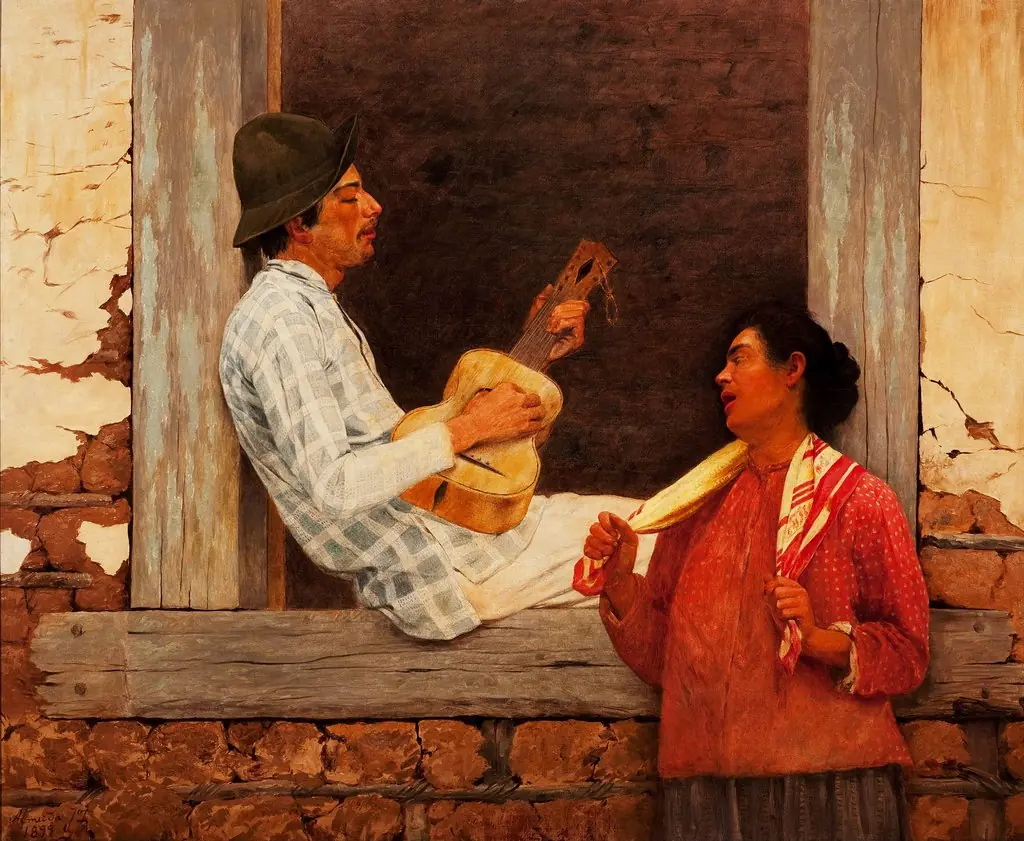
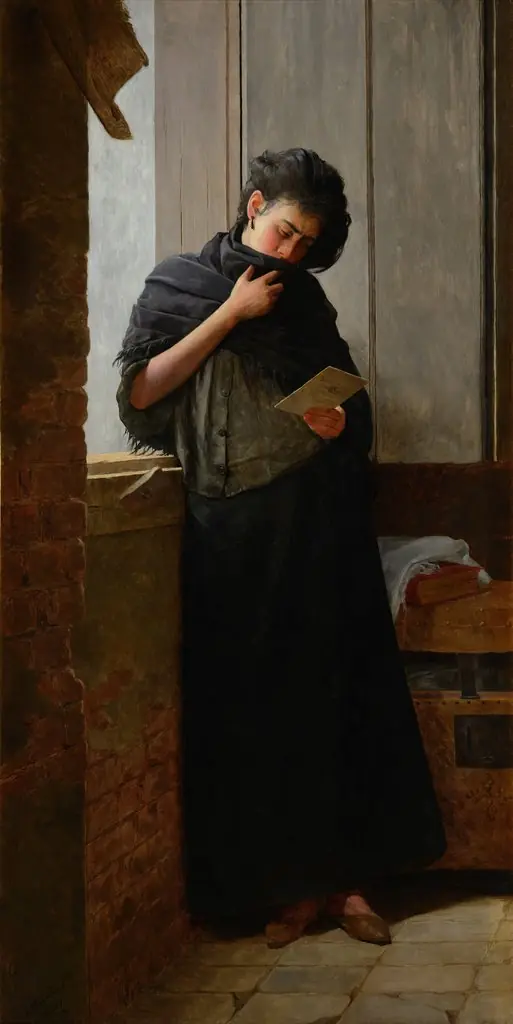
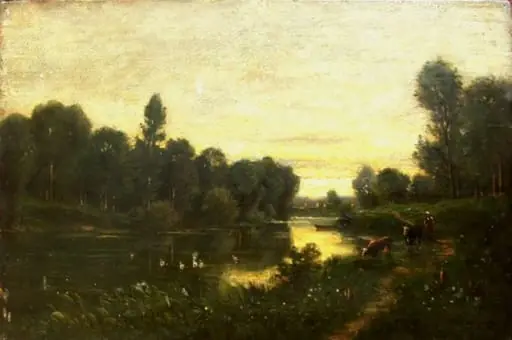
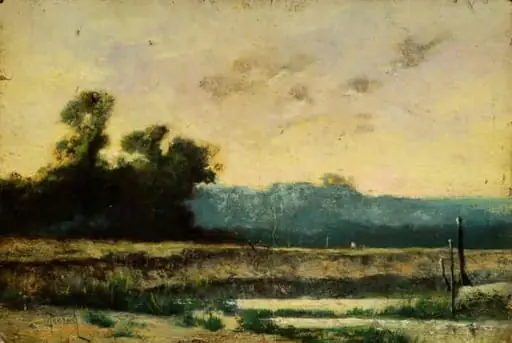
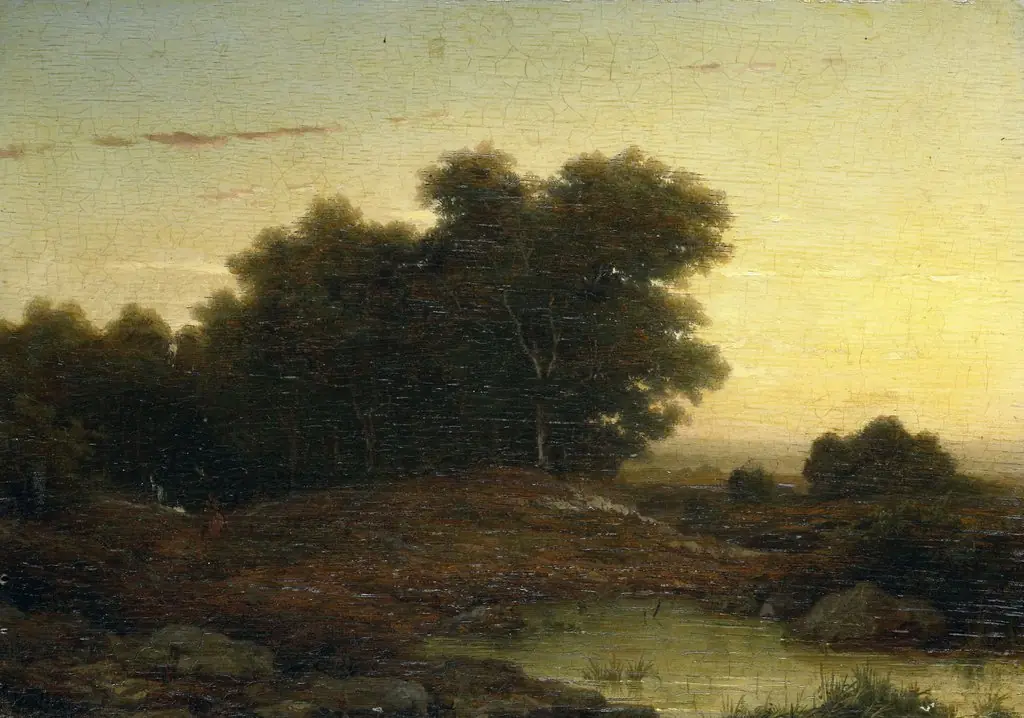
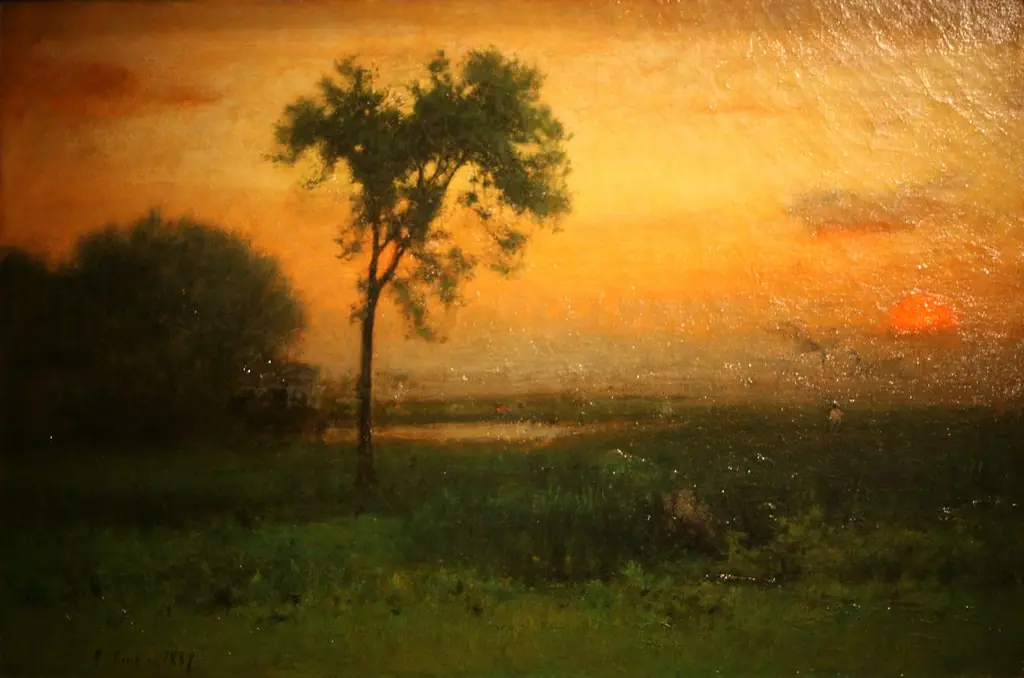
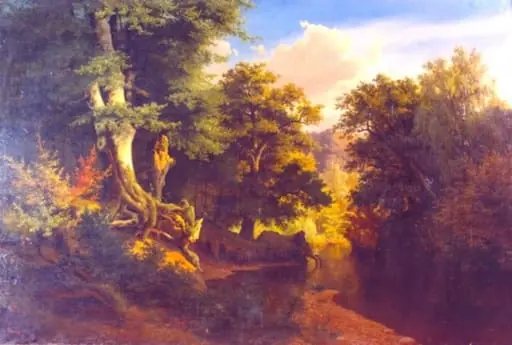
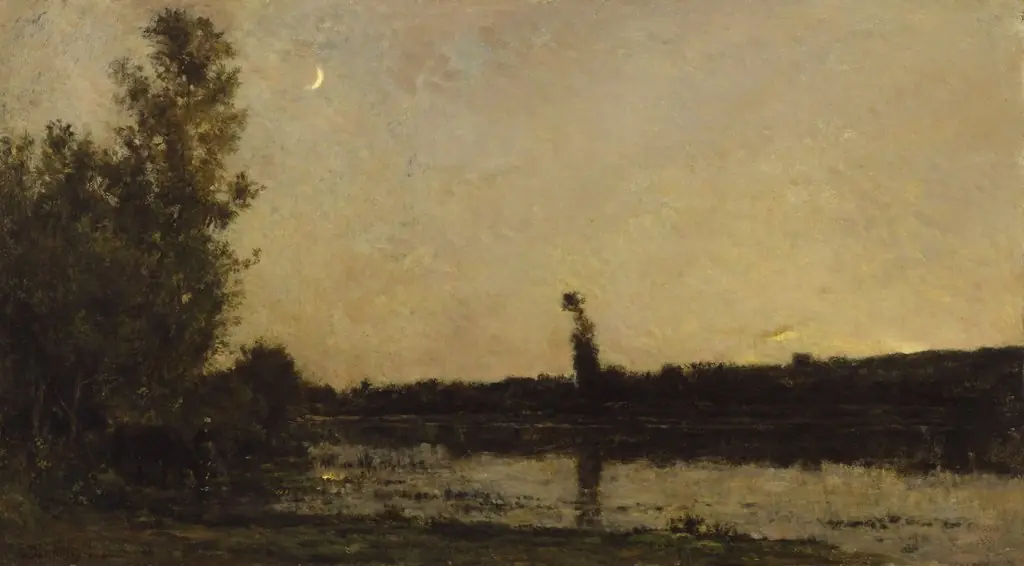
Piracicaba River Landscape is an oil painting by the American Impressionist artist José Ferraz de Almeida Júnior. It dates from 1884 and is held in the collection of the São Paulo Museum of Art. Created circa 1884, this oil painting portrays a tranquil stretch of the Piracicaba River framed by gentle hills and scattered foliage.
About this work
Overview
Created circa 1884, this oil painting portrays a tranquil stretch of the Piracicaba River framed by gentle hills and scattered foliage. A soft, golden sky bathes the scene, hinting at dawn or dusk, while distant structures punctuate the horizon. The composition invites a calm contemplation of a Brazilian riverside landscape, emphasizing natural light and quiet atmosphere.
Subject & Meaning
The work focuses on an everyday Brazilian vista, presenting the river as a central element that reflects the sky’s warm hues. By foregrounding ordinary terrain and modest architecture, the artist underscores the beauty of local environments, moving away from mythic or heroic subjects toward a realistic appreciation of daily life in the countryside.
Technique & Style
Employing a realist approach influenced by European painters such as Courbet and Millet, the artist uses warm tonal ranges and smooth brushwork to convey depth. The water’s surface mirrors the sky, while layered greens and earth tones render foliage with subtle variation, creating a three‑dimensional sense that draws the viewer into the scene.
History & Provenance
The painting belongs to the collection of the São Paulo Museum of Art, where it remains a representative example of late‑19th‑century Brazilian realism. Its creator, José Ferraz de Almeida Júnior, was among the first Brazilian artists to adopt realist techniques, contributing to the development of a national visual language rooted in local landscapes.
Artist & collection
Artist
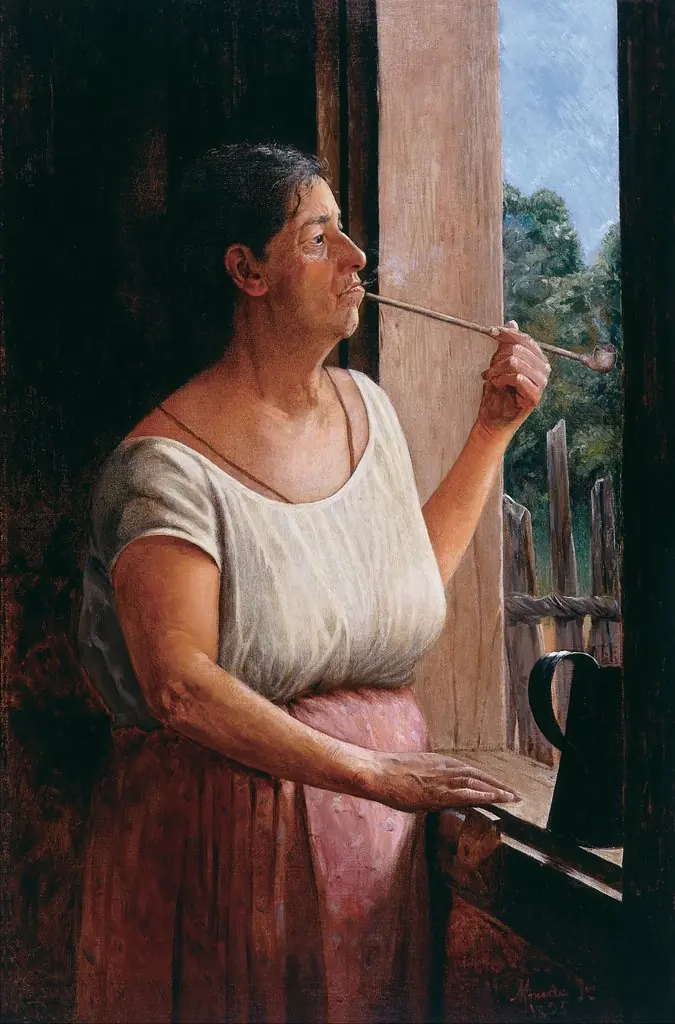
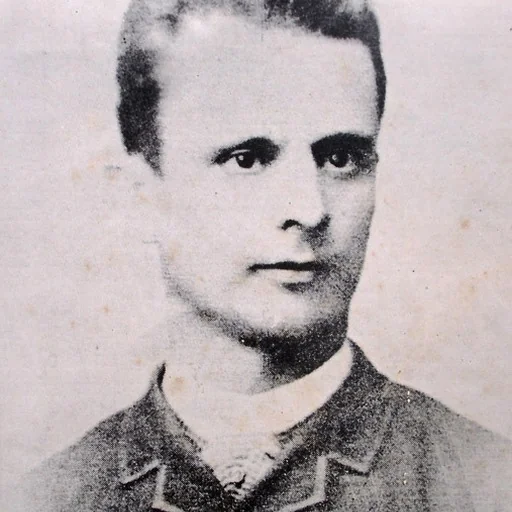
José Ferraz de Almeida Júnior (8 May 1850 – 13 November 1899) was a Brazilian artist and designer; one of the first there to paint in the Realistic tradition of Gustave Courbet and Jean-François Millet.