Artwork
Henry IV, King of France
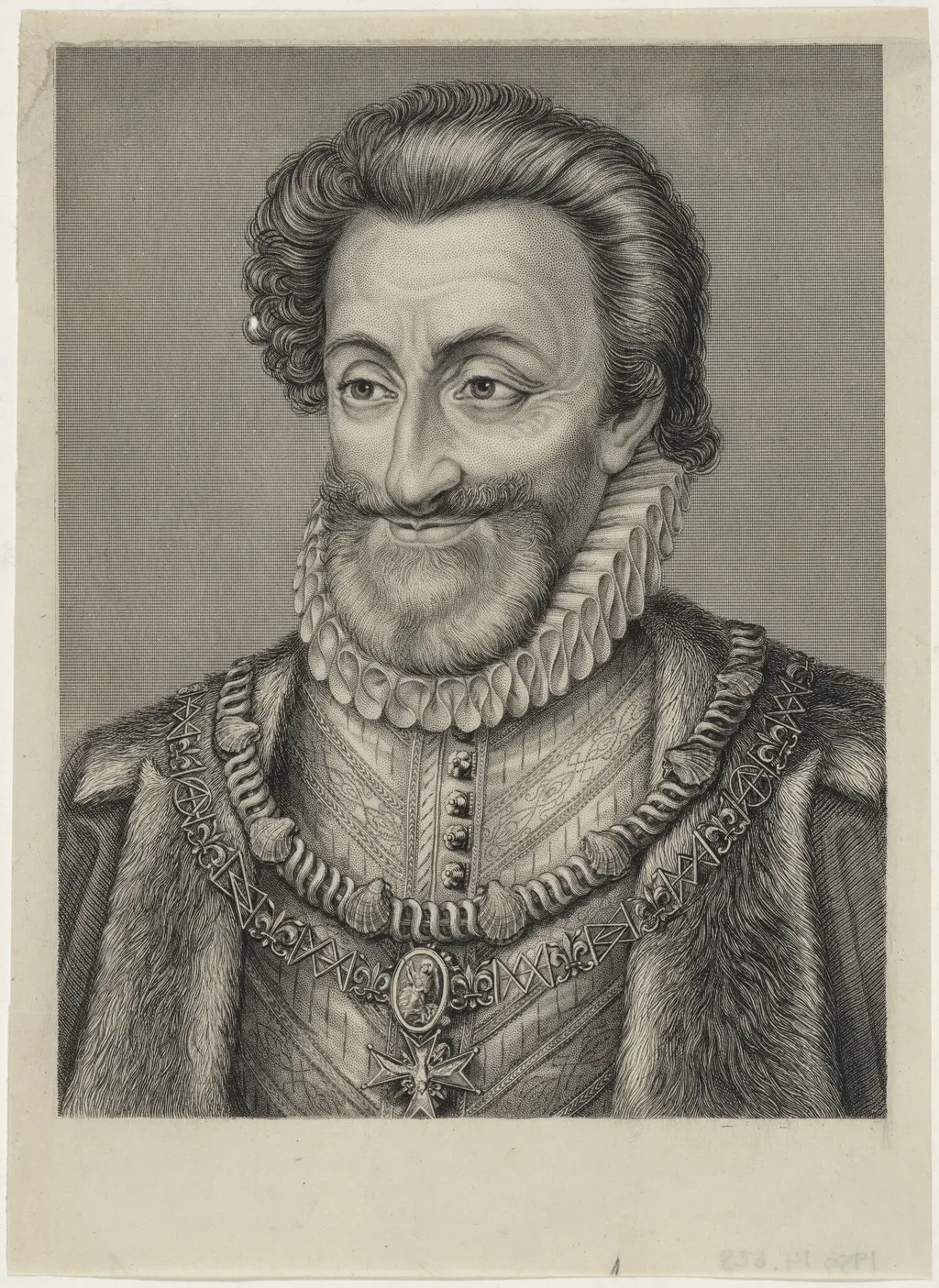
Henry IV, King of France is an ink print by the Romanticist artist Robert Graves. It dates from 1846 and is held in the collection of the National Gallery of Art.
About this work
Overview
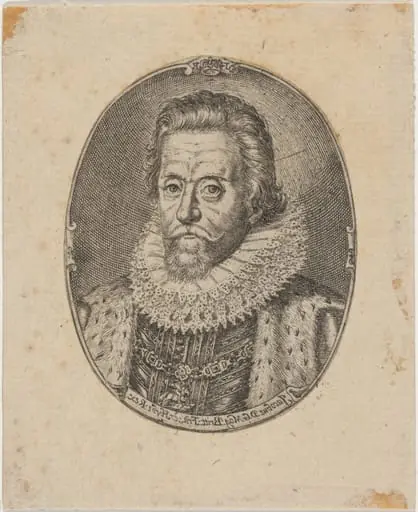
Robert Graves produced a stipple engraving of Henry IV of France around 1846. The work presents a monochrome likeness of the monarch, rendered in fine dots and lines that give the image a delicate tonal quality typical of the stipple method.
Subject & Meaning
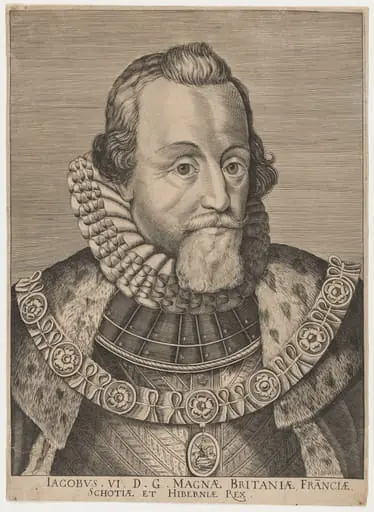
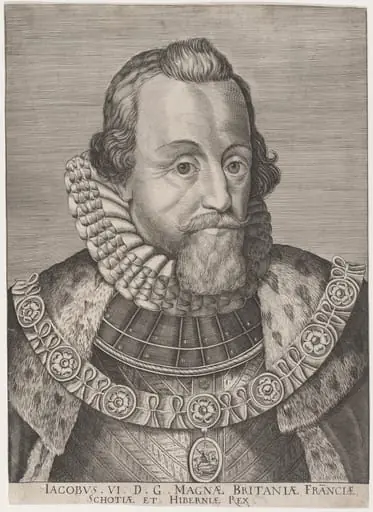
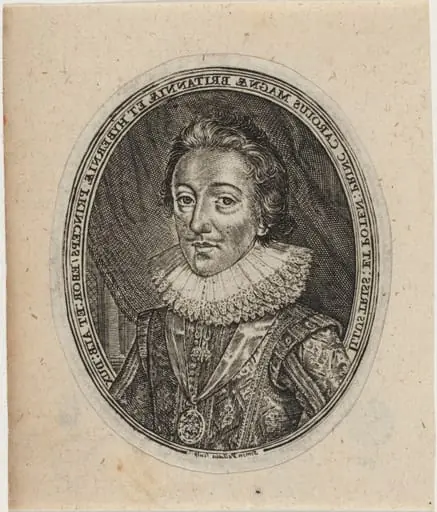
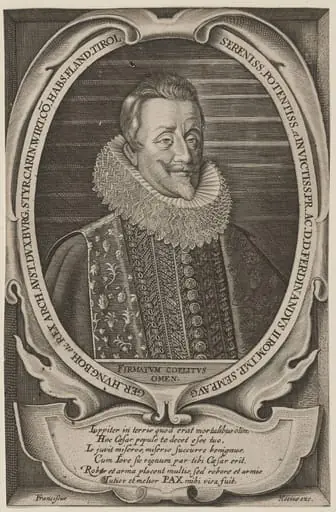
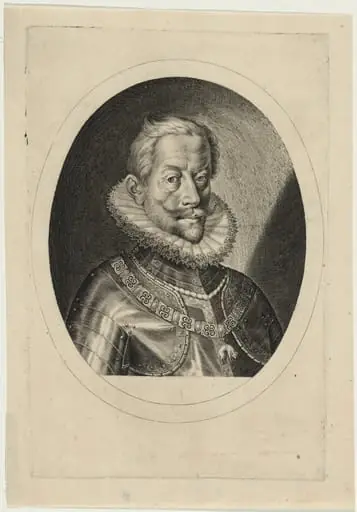
The portrait depicts the French king with a full beard, curly hair, and a composed expression marked by sharp eyes and a faint smile. Attired in a fur‑lined robe, a decorative ruffled collar, and a chain of medals, the figure conveys regal authority and the ceremonial attire associated with his reign.
Technique & Style
Graves employed stipple engraving, a process that involves incising a metal plate with myriad tiny dots and fine lines to build up shading and texture. This approach allows subtle gradations of tone, creating a soft, almost painterly effect without the use of color.
History & Provenance
Created in the mid‑nineteenth century, the print reflects the period’s interest in historic portraiture and the revival of engraving techniques. While specific ownership records are limited, the work is catalogued among Graves’s known prints and is representative of his output during that era.
Context
The image aligns with a broader nineteenth‑century fascination with French royal figures, often reproduced for educational or decorative purposes. Stipple engraving, popular in the early 1800s, offered a means to produce detailed, affordable reproductions of historical subjects for a growing market of collectors and scholars.
Artist & collection