Artwork
Emmanuel Philibert, Duke of Savoy, Prince of Piedmont
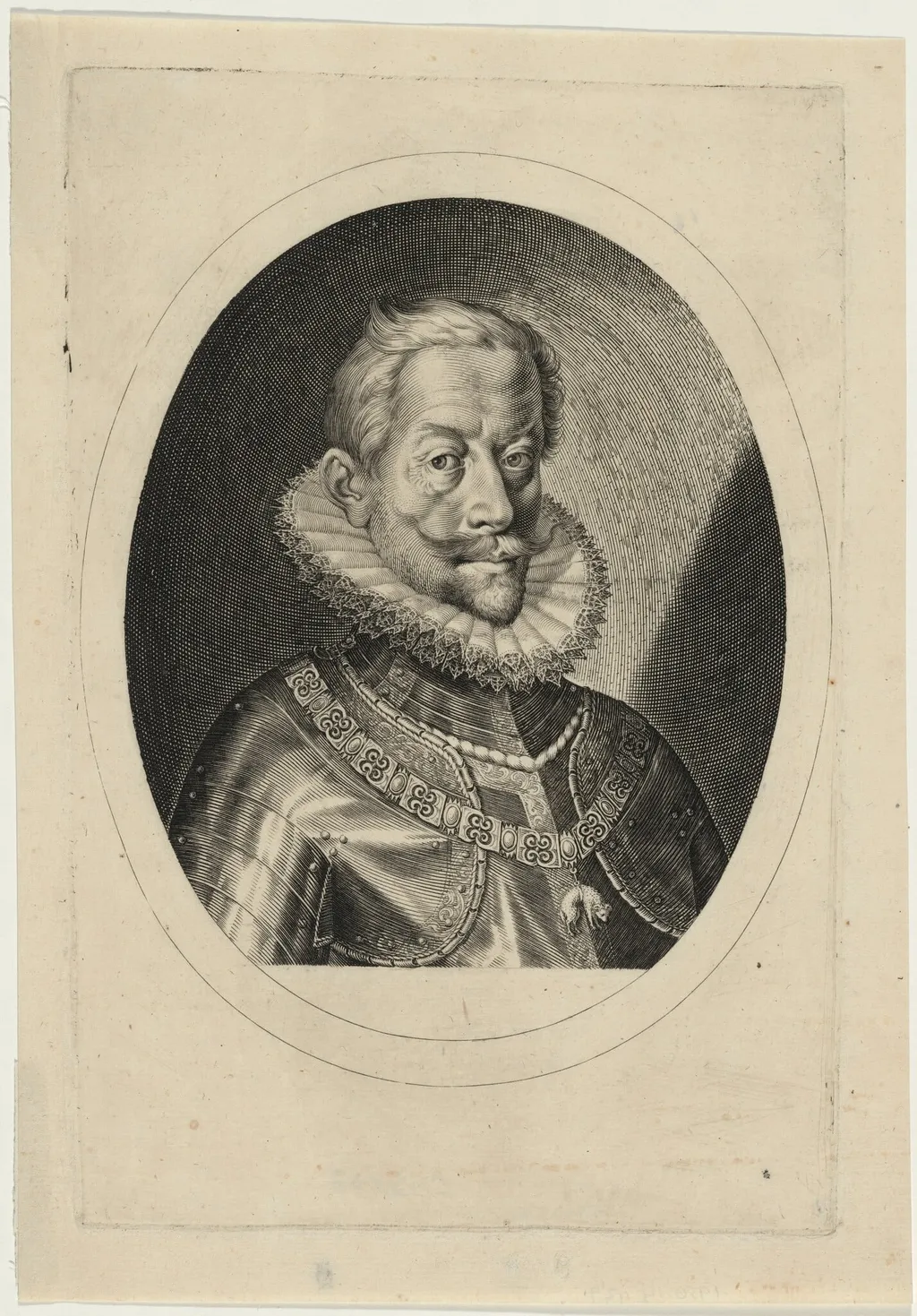
Emmanuel Philibert, Duke of Savoy, Prince of Piedmont is an ink print by the Romanticist artist Unknown 19th Century. It dates from 1850 and is held in the collection of the National Gallery of Art. This black-and-white engraving depicts Emmanuel Philibert, Duke of Savoy and Prince of Piedmont, in formal attire.
About this work
Overview
This black-and-white engraving depicts Emmanuel Philibert, Duke of Savoy and Prince of Piedmont, in formal attire. Created as a printed image rather than a painting, it relies on fine, incised lines to render texture and tone. The composition centers on the subject’s face and upper torso, with a plain background that eliminates distraction and emphasizes the precision of the engraving technique.
Subject & Meaning
Emmanuel Philibert is portrayed with the regal bearing expected of a Renaissance noble. His stiff, ruffled collar and ornate chain signify status and authority, common symbols in portraiture of the period. The direct gaze and restrained expression convey dignity and composure, reflecting ideals of leadership and personal discipline valued by his court and contemporaries.
Technique & Style
The image is produced through engraving, a method in which lines are cut into a metal plate and inked to transfer the image onto paper. The artist used dense, controlled hatching to model the folds of the collar and the links of the chain, achieving subtle gradations of light and shadow. The absence of color and the reliance on line distinguish this as a print, not a painted portrait.
History & Provenance
The engraving likely dates to the late 16th century, shortly after Emmanuel Philibert’s return to Savoy in 1559. It may have been commissioned to circulate his image among allies or used in diplomatic contexts. While the original artist remains unidentified, the work aligns with the tradition of Northern European printmakers who specialized in noble portraiture during this era.
Context
During the mid-1500s, engraved portraits served as affordable means to disseminate the likenesses of rulers across Europe. As Savoy regained territorial control after years of conflict, such images reinforced political legitimacy. This print reflects the broader trend of using print media to project authority, especially among smaller but strategically important dynasties like the House of Savoy.
Legacy
It preserves a visual record of a ruler who restored Savoy’s sovereignty and laid foundations for its future prominence.
Though not widely known today, this engraving exemplifies the role of printmaking in early modern political culture. It preserves a visual record of a ruler who restored Savoy’s sovereignty and laid foundations for its future prominence. As a technical artifact, it also contributes to the study of Renaissance engraving practices and the transmission of aristocratic imagery before the age of photography.
Artist & collection

Artist

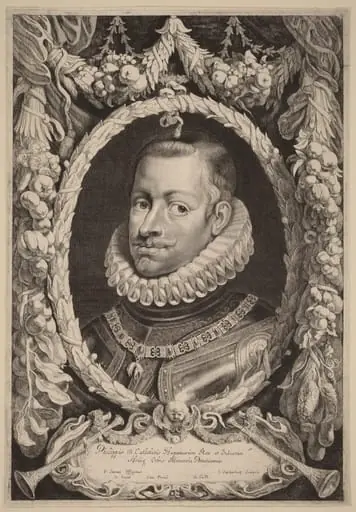 Philip III, King of Spain
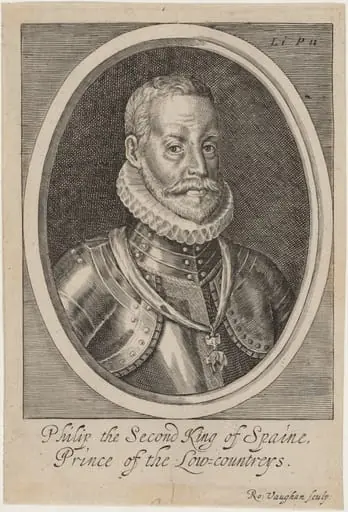 Philip II, King of Spain
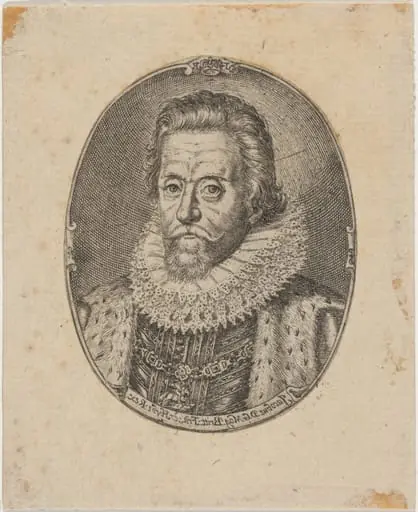 James I, King of England
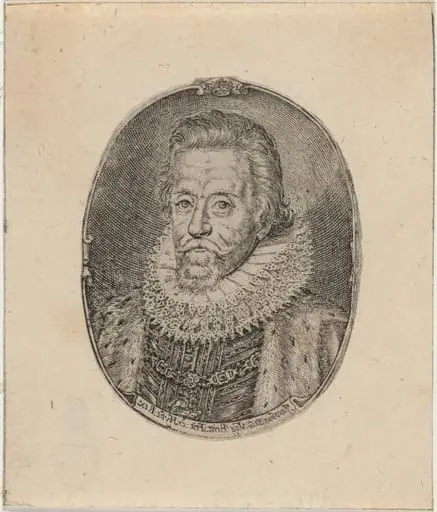 James I, King of England
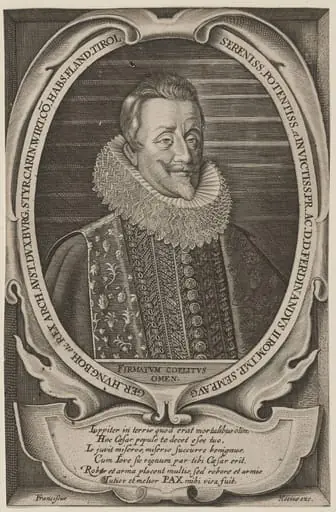 Ferdinand II, Roman Emperor
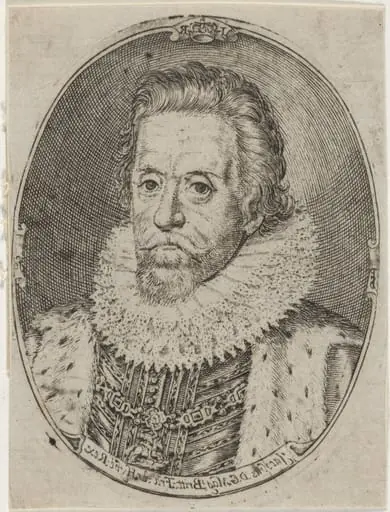 James I, King of England
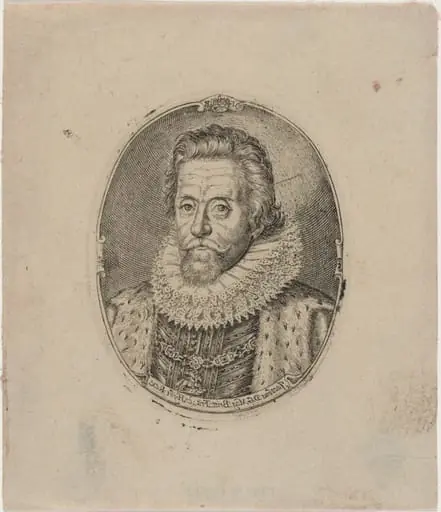 James I, King of England
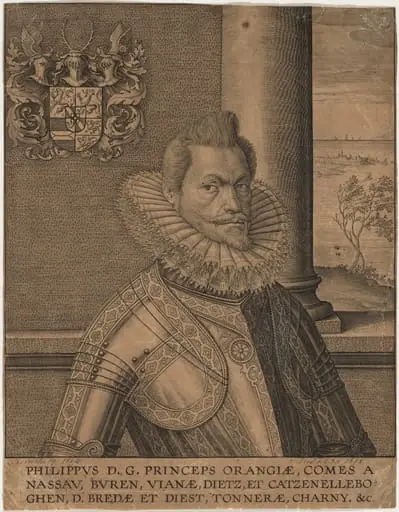 Philip William, Prince of Orange
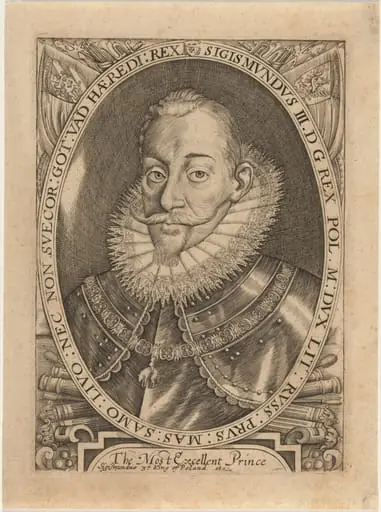 Sigismund III, King of Poland and Sweden
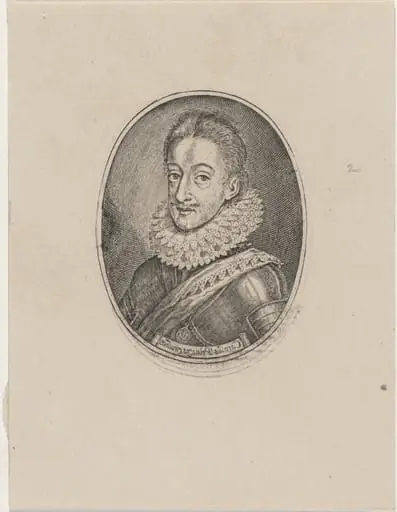 Charles I, King of England
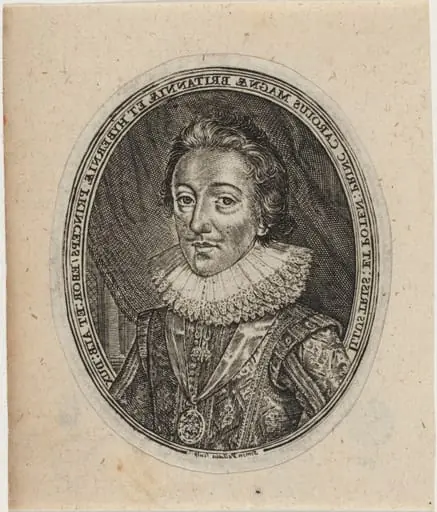 Charles I, King of England
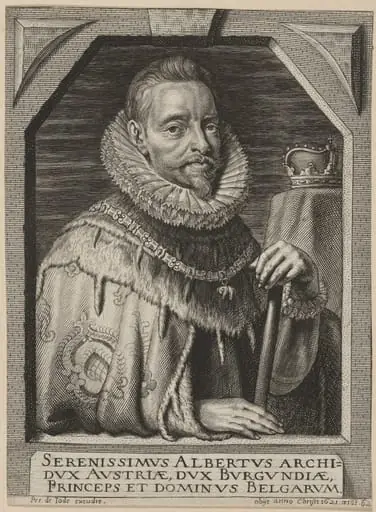 Albert VII, Archduke of Austria