Artwork
Christian IV of Denmark
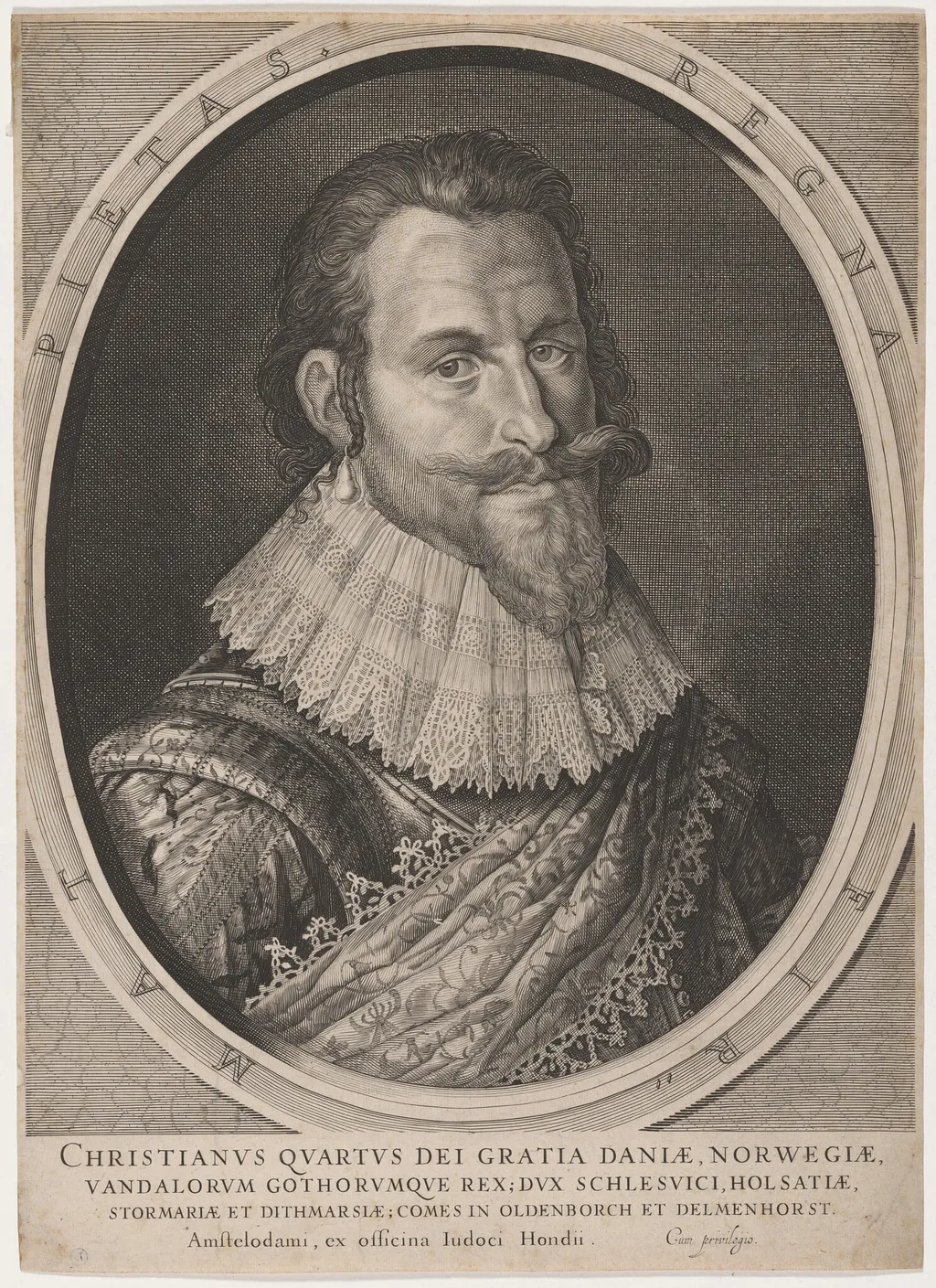
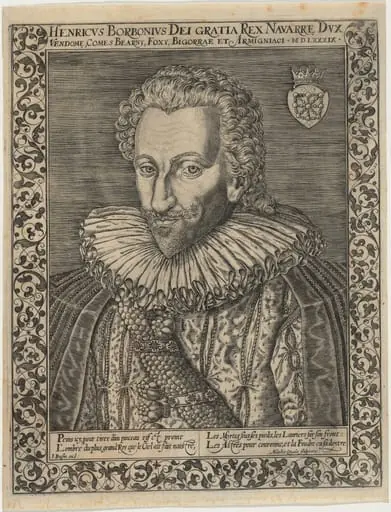
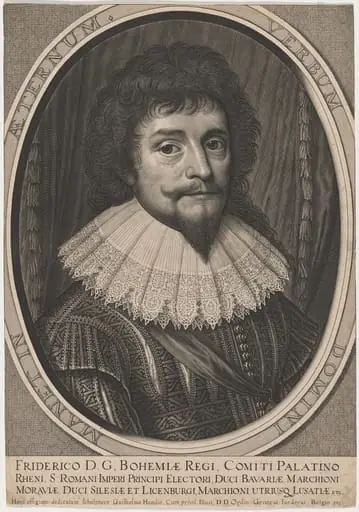
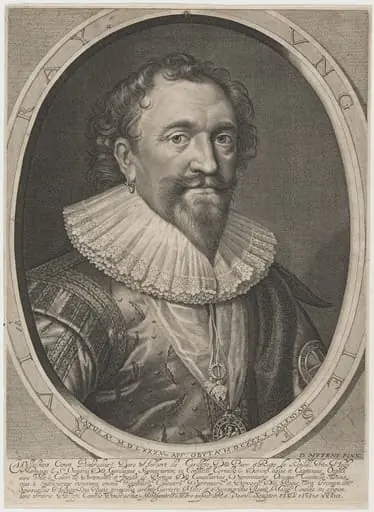
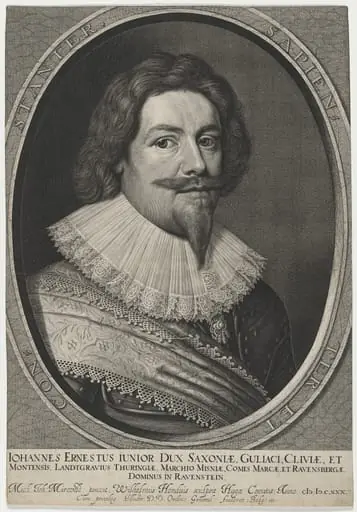
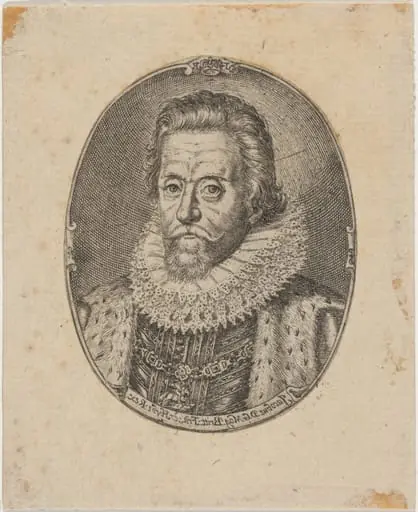
Christian IV of Denmark is an ink print by the Renaissance artist Jodocus Hondius I. It dates from 1588 and is held in the collection of the National Gallery of Art.
About this work
Overview
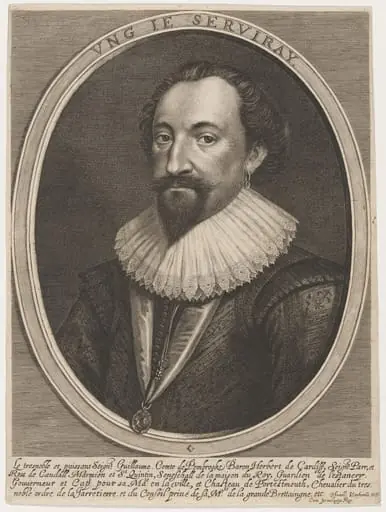
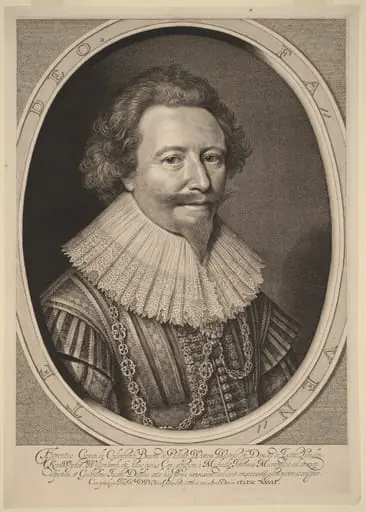
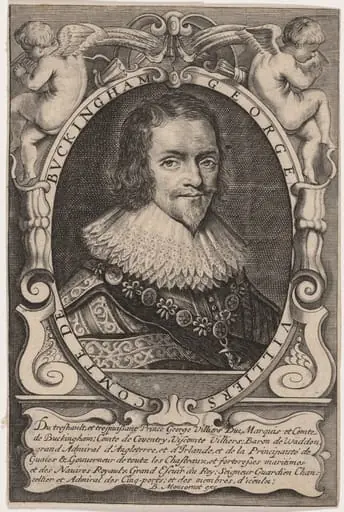
This 1588 engraving by Jodocus Hondius I depicts Christian IV of Denmark, then a young monarch. Executed in fine linear detail, the portrait presents the king in formal attire against a dark, unobtrusive background. The work belongs to the tradition of Northern European printmaking, where precision and clarity were valued for disseminating royal imagery across Europe.
Subject & Meaning
Christian IV is shown with a composed, solemn expression, reflecting the dignity expected of a Renaissance ruler.
Christian IV is shown with a composed, solemn expression, reflecting the dignity expected of a Renaissance ruler. His mustache and elaborate ruffled collar signify status and adherence to contemporary courtly fashion. The portrait serves not merely as likeness but as a statement of authority, intended to reinforce his legitimacy among subjects and foreign powers during a period of political consolidation.
Technique & Style
Hondius employed fine cross-hatching and delicate line work to model the king’s features and fabric textures. The contrast between the dark background and the illuminated figure enhances three-dimensionality. The rendering of hair, lace, and embroidery demonstrates mastery of engraving techniques common in 16th-century Netherlandish prints, prioritizing accuracy over ornamentation.
History & Provenance
Created shortly after Christian IV ascended the Danish throne, the engraving was likely produced for diplomatic or propagandistic use. Hondius, a Flemish engraver active in Amsterdam, was known for producing portraits of European nobility. The print circulated widely, contributing to the king’s public image across Protestant and Catholic regions of Europe.
Context
In the late 16th century, engraved portraits were vital tools for projecting power in an era before photography. Hondius’s work aligns with a broader trend of royal portraiture in print, where accuracy and symbolic detail replaced idealized forms. Christian IV’s image would have been seen in courts, libraries, and civic spaces, reinforcing monarchical presence beyond the physical realm.
Legacy
The engraving remains a key visual record of Christian IV’s early reign and exemplifies the role of printmakers in shaping political identity. Hondius’s technique influenced later generations of engravers, and this portrait continues to be referenced in historical studies of Danish monarchy and Renaissance visual culture.
Artist & collection

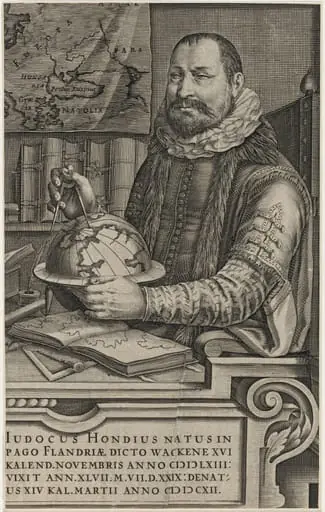 Jodocus Hondius
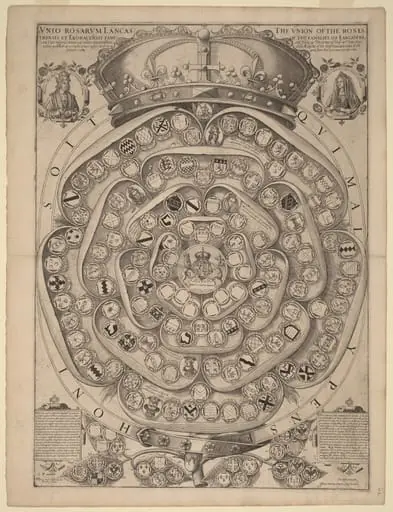 Talbot's Rose: A Record of the Knights of the Garter, 1486-1589
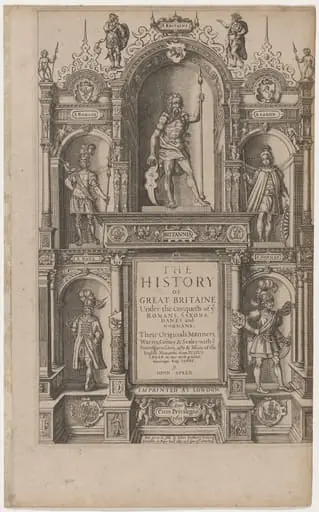 Title Page to "The History of Great Britaine" by John Speed
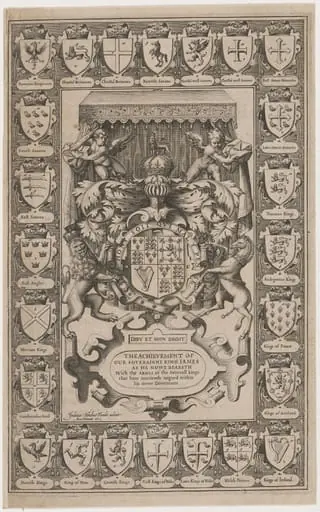 Title Page for the Achievement of our Soveraigne King James
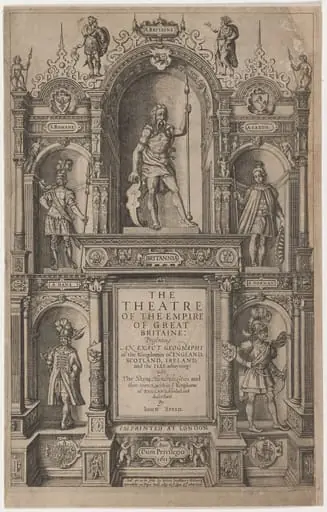 Title Page to "The Theatre of the Empire of Great Britaine" by John Speed
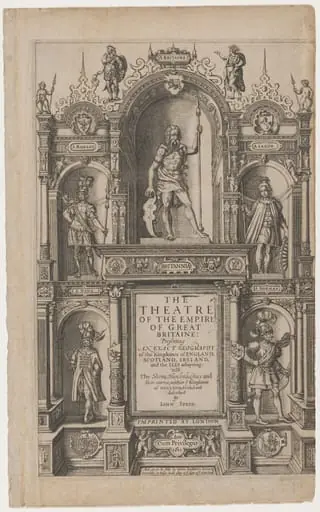 Title Page to "The Theatre of the Empire of Great Britaine" by John Speed
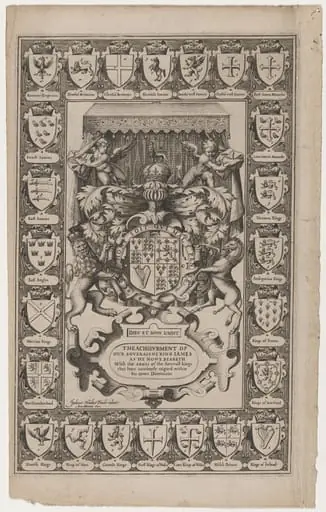 Title Page for the Achievement of our Soveraigne King James
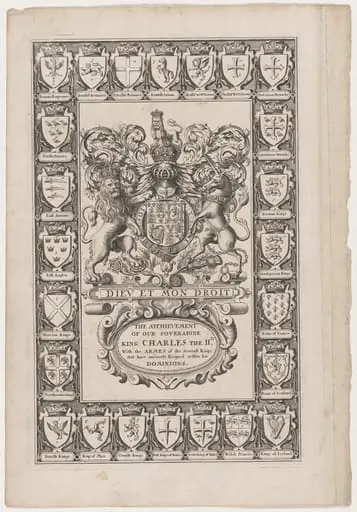 Title Page for the Achievement of Our Sovereign King Charles the Second