Artwork
Henry Lawes
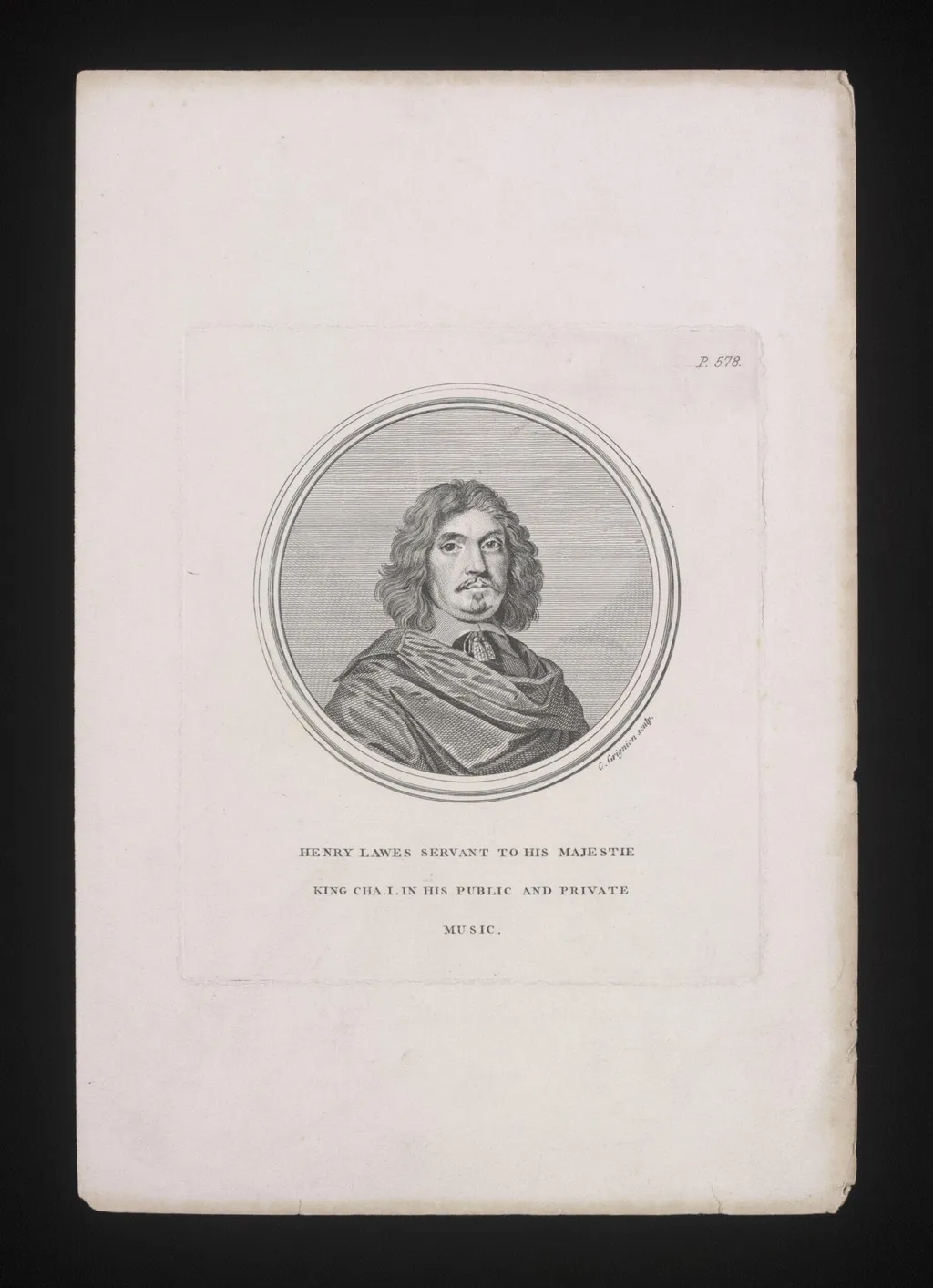
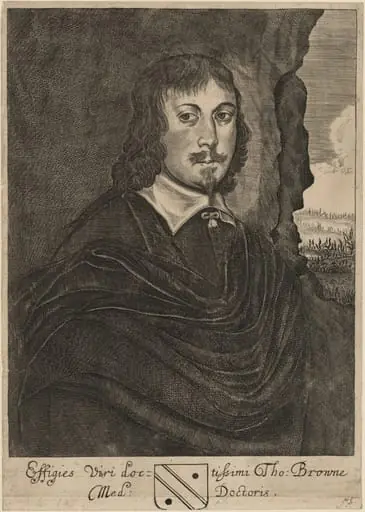
Henry Lawes is a print by Charles I the elder Grignion. It dates from 1750 and is held in the collection of the Victoria and Albert Museum.
About this work
Overview
This 19th-century print is a portrait of Henry Lawes, a musician, created by the engraver Grignion in London.
Subject & Meaning
The print's primary subject is Henry Lawes, highlighting his musical profession. The engraving by Grignion establishes a connection between the depicted musician and the artistic circle of London during that era.
Technique & Style
Executed by Grignion, the print reflects the engraving techniques prevalent in 19th-century London. For similar stylistic references, the works of Charles I the elder can provide insight into the period's artistic practices.
History & Provenance
The print is part of the Harry Beard Collection, indicating its ownership history, though the exact date of creation within the 19th century is not specified.
Context
Produced in London, the print situates Lawes within the city's musical and artistic community of the time, possibly indicating his prominence or connection to the locale.
Legacy
While specific impacts of this print on subsequent art or music are not detailed, it serves as a historical record of Henry Lawes' recognition during the 19th century.
Artist & collection
Artist
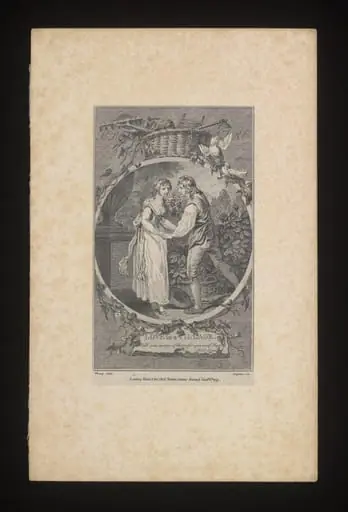
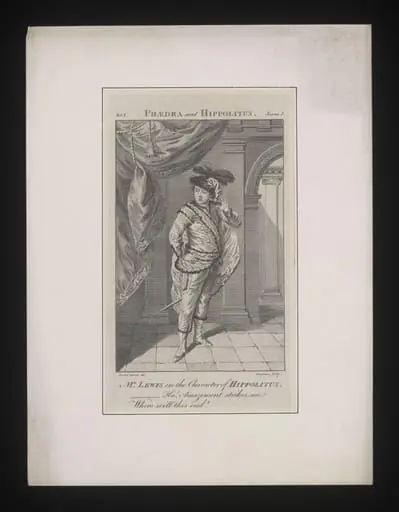
Charles I Grignion made late-18th-century portrait and comedy prints. Two tiny etchings in the set show Love in a Village, a popular stage play from 1762 turned into a crowded print, and Mr. Lewis cast as the tragic…