Artwork
Self-Portrait
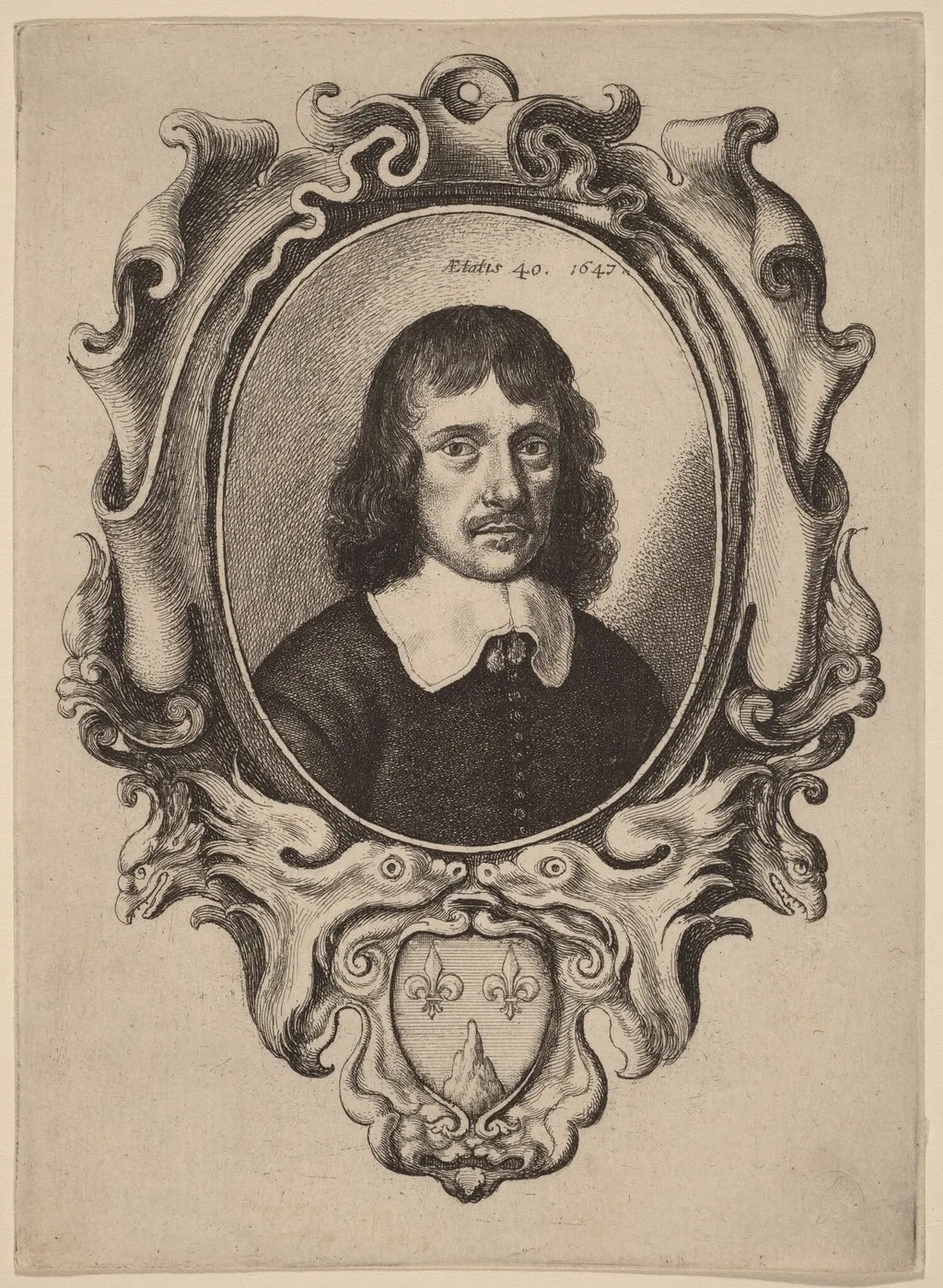
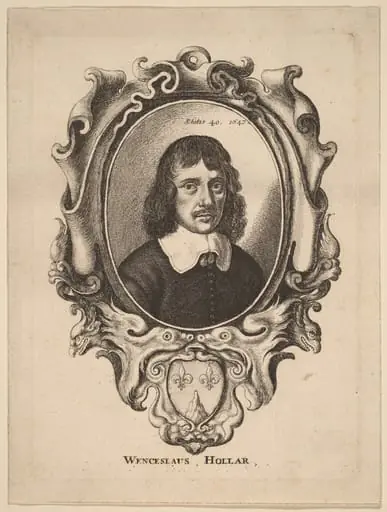
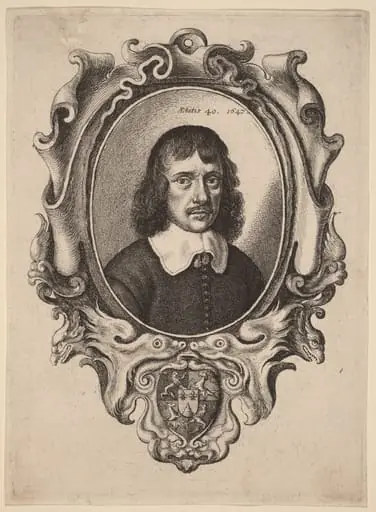
Self-Portrait is an ink print by the Baroque artist Wenceslaus Hollar. It dates from 1647 and is held in the collection of the National Gallery of Art.
About this work
Overview
Created during his years in London, it reflects both his technical mastery and his enduring connection to the city where he lived and was eventually interred.
Wenceslaus Hollar, a Czech artist active in 17th-century England, produced this self-portrait as an etching in 1647. He was known primarily for his precise topographical prints, yet this work turns the lens inward, offering a rare personal glimpse. Created during his years in London, it reflects both his technical mastery and his enduring connection to the city where he lived and was eventually interred.
Subject & Meaning
The portrait presents Hollar in profile, dressed in modest attire, with a calm, direct gaze. Unlike grander self-representations of his peers, this image avoids ornamentation, emphasizing quiet self-awareness. It functions less as a statement of status and more as a record of presence — a deliberate act of self-documentation by an artist who often depicted the world around him.
Technique & Style
Hollar employed fine, controlled lines typical of his etching practice, using acid to bite delicate details into a metal plate. The texture of his clothing, the contours of his face, and the subtle shading reveal his command of tonal gradation. His style favors clarity over drama, with a restrained use of line that prioritizes accuracy and quiet observation over expressive flourish.
History & Provenance
Created during Hollar’s decades-long stay in London, the etching emerged amid his prolific output for publishers and patrons. It was likely made for personal use or as a demonstration of skill, rather than for commercial sale. The print survives in several institutional collections, its origin traced through early catalogues and Hollar’s known workshop practices.
Context
In mid-17th-century England, etching was a respected medium for both artistic and documentary purposes. Hollar, as a foreign-born artisan, relied on his technical skill to establish his reputation. This self-portrait aligns with a broader European trend of artists asserting identity through print, particularly during periods of displacement or cultural transition.
Legacy
Though Hollar is best remembered for his architectural and topographical works, this self-portrait remains a significant personal artifact. It offers insight into the artist’s self-perception and the quiet dignity with which he approached his craft. The print endures as a quiet testament to the role of printmakers in preserving individual presence within a rapidly changing visual culture.
Artist & collection
Artist
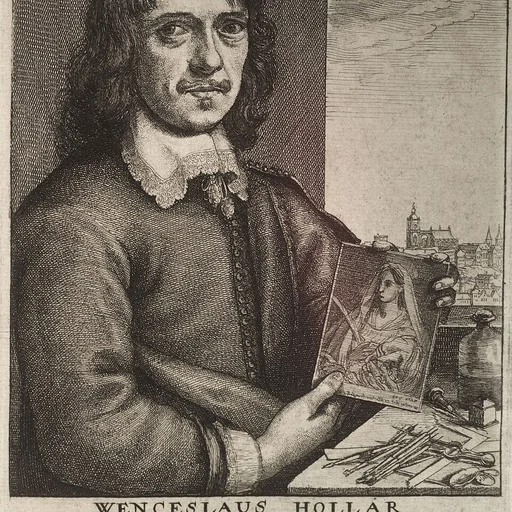
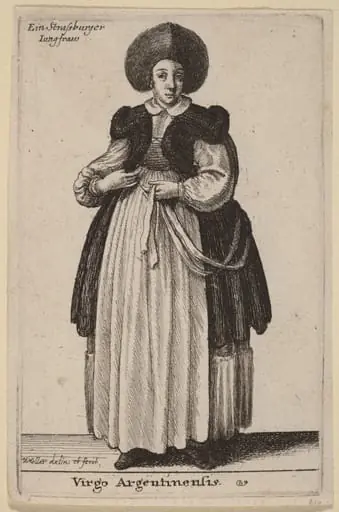
Wenceslaus Hollar (Czech: Václav Hollar (Czech pronunciation: ), German: Wenzel Hollar; 23 July 1607 – 25 March 1677) was a Czech engraver, etcher and painter.


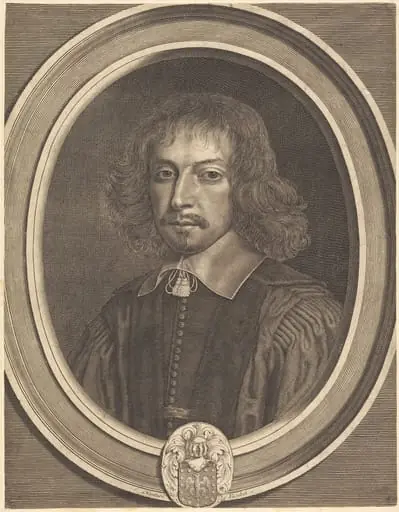 Antoine de Chaubard
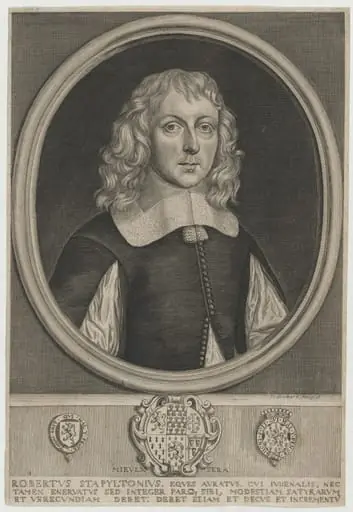 Sir Robert Stapylton, Dramatic Poet and Translator
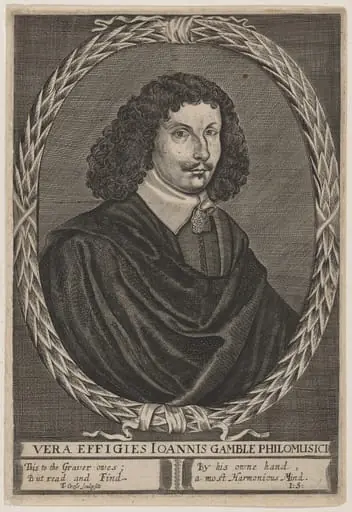 Johanis Gamble (John Gamble)
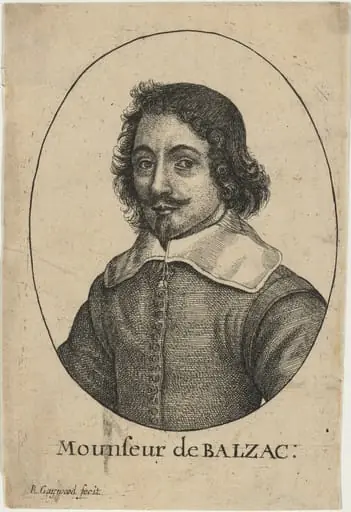 Jean Louis Guez, Sieur de Balzac
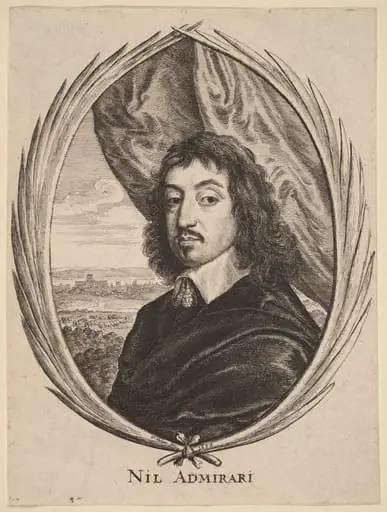 Sir John Wildman
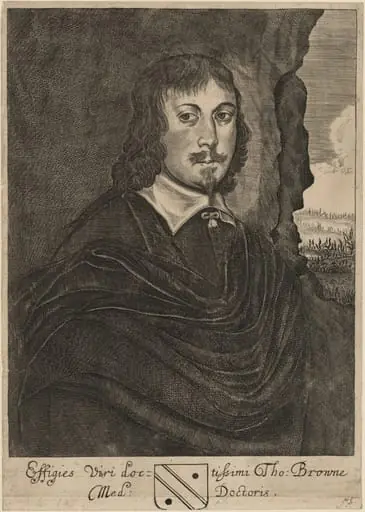 Tho. Browne, Med. Doctoris (Sir Thomas Browne, M.D.)
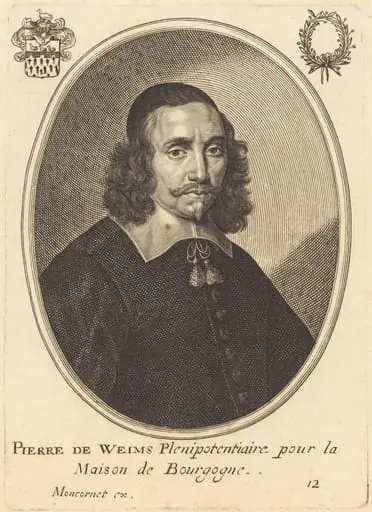 Pierre de Weims
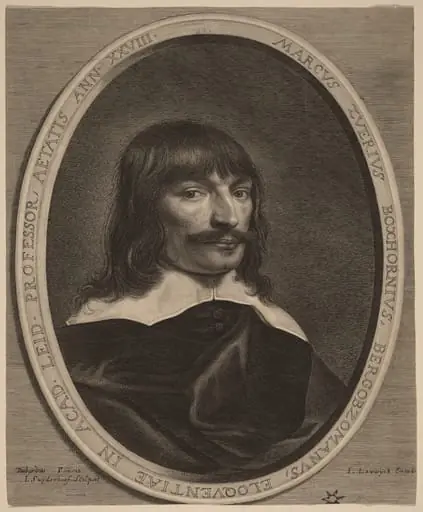 Marcus-Zuerius Boxhorn
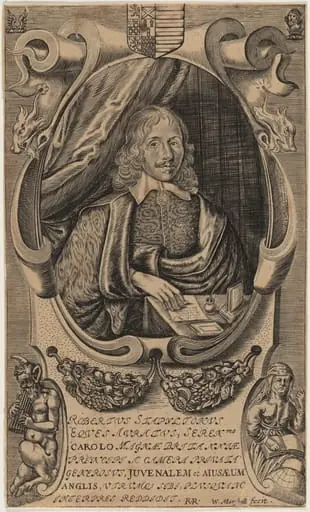 Sir Robert Stapylton, dramatic poet and translator
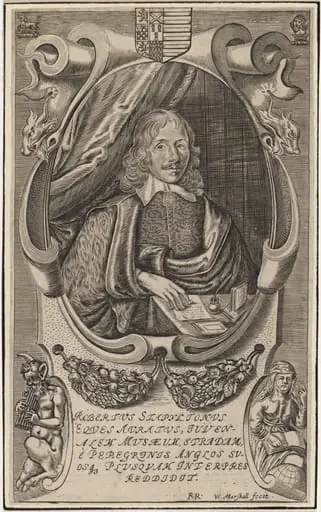 Sir Robert Stapylton