Artwork
James Shirley
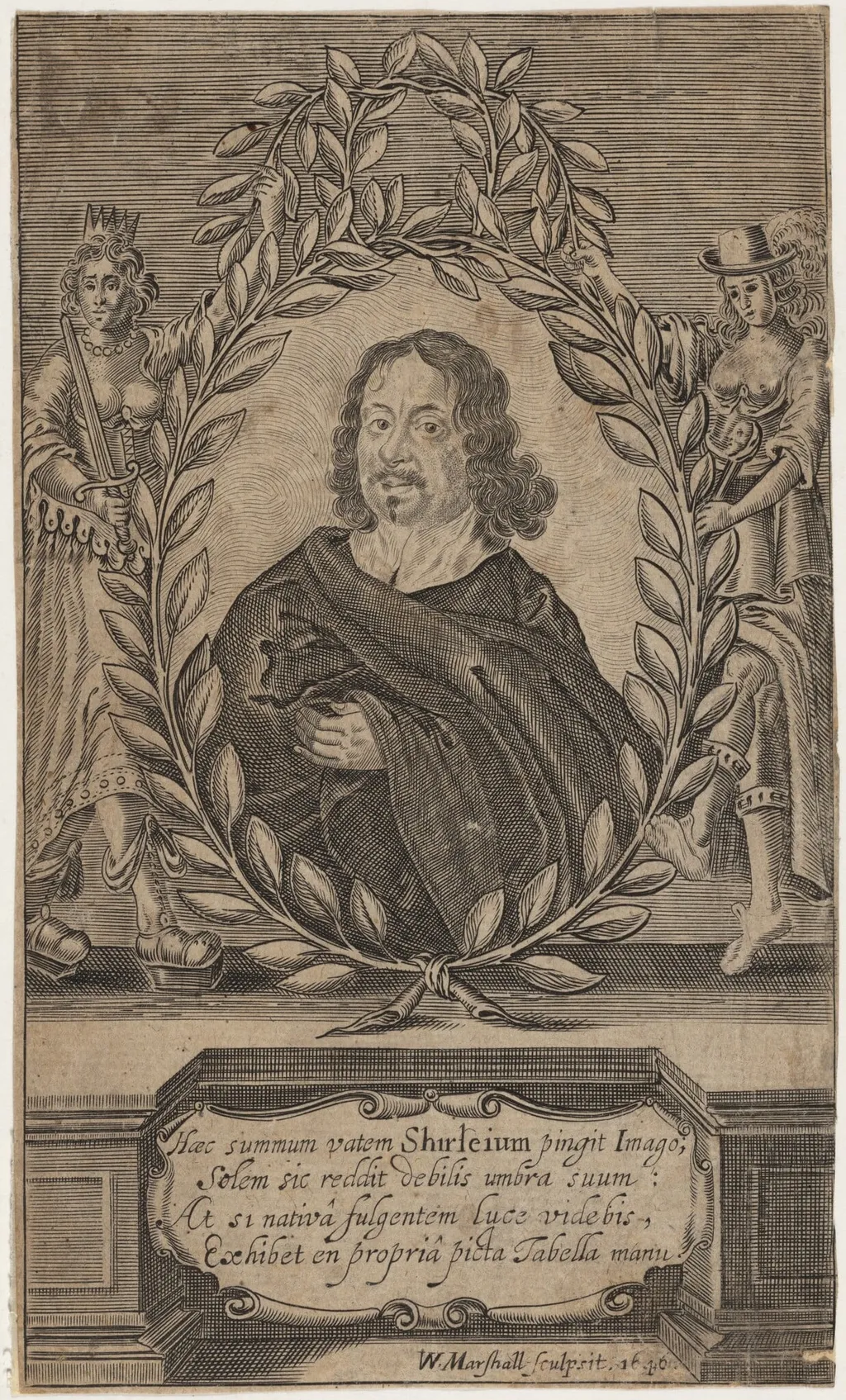
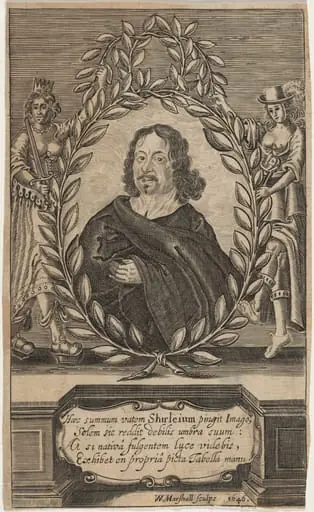
James Shirley is an ink print by the Renaissance artist William Marshall. It dates from 1623 and is held in the collection of the National Gallery of Art.
About this work
Overview
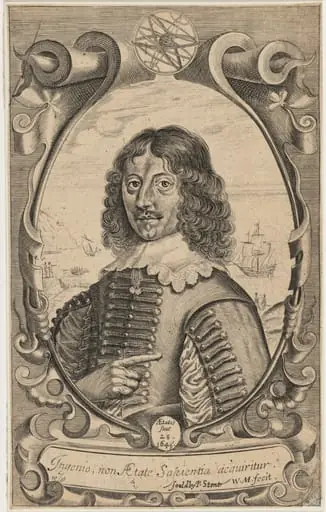
This 1623 engraving, executed by William Marshall, presents a portrait of the playwright James Shirley. Rendered in black and white, the image combines a central figure with ornamental framing, suggesting a commemorative purpose typical of early seventeenth‑century print portraiture.
Subject & Meaning
The central figure is a bearded, curly‑haired man gazing solemnly outward, identified by the accompanying inscription as James Shirley. The surrounding wreath of leaves and flowers, together with the attendant figures holding scrolls, evokes the classical motif of a medal, underscoring Shirley’s cultural stature and literary contributions.
Technique & Style
Marshall employs fine line work and cross‑hatching to model the sitter’s features and the decorative elements. The contrast between the dark portrait and the lighter surrounding foliage creates a clear visual hierarchy, while the intricate Latin lettering integrates text and image in a unified design.
History & Provenance
Created in 1623, the print belongs to the period when portrait engravings served both as personal homage and as means of disseminating a subject’s likeness. The work is attributed to William Marshall, a known engraver of the era, though its original patronage and subsequent ownership remain undocumented.
Context
James Shirley (1596‑1666) was a prolific dramatist of the Caroline stage. Portraits such as this were common for celebrated literary figures, aligning them with the visual language of honorific medals and reinforcing their public reputation within the courtly and theatrical circles of early Stuart England.
Artist & collection

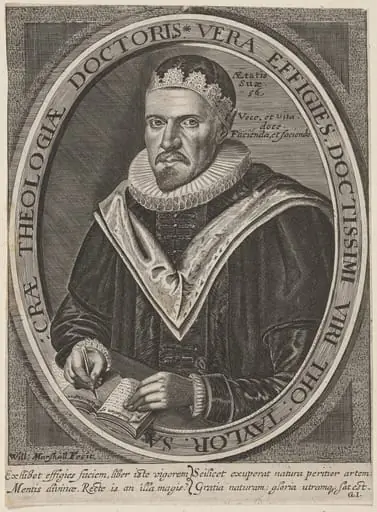
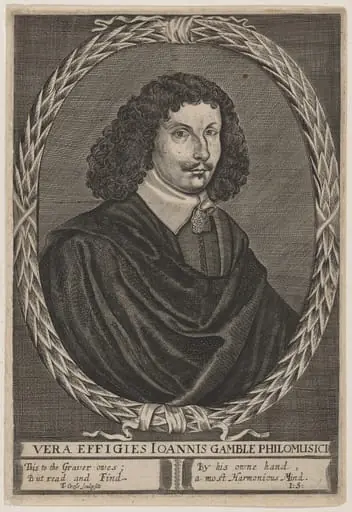 Johanis Gamble (John Gamble)
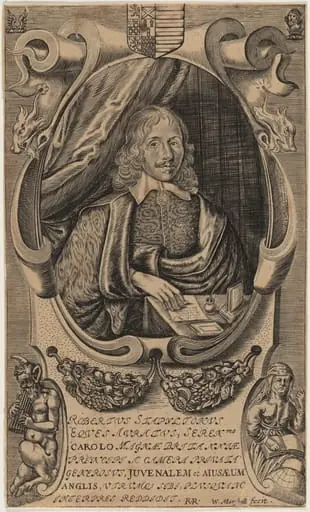 Sir Robert Stapylton, dramatic poet and translator
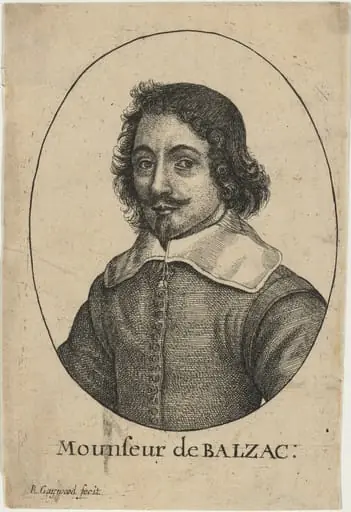 Jean Louis Guez, Sieur de Balzac
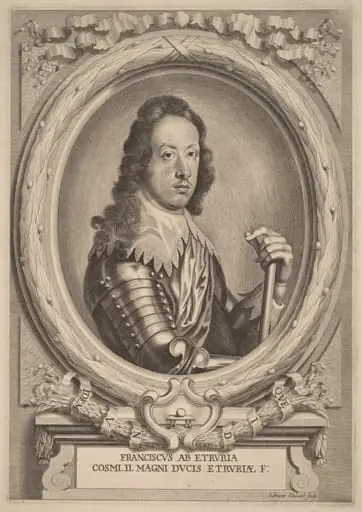 Cosimo II, Grand Duke of Tuscany
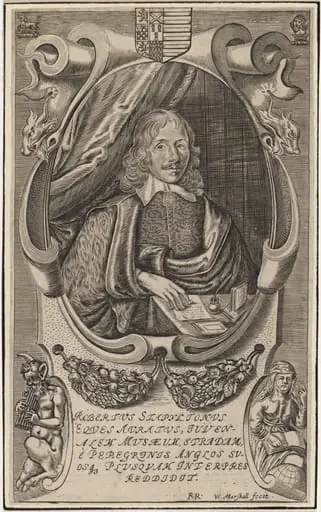 Sir Robert Stapylton
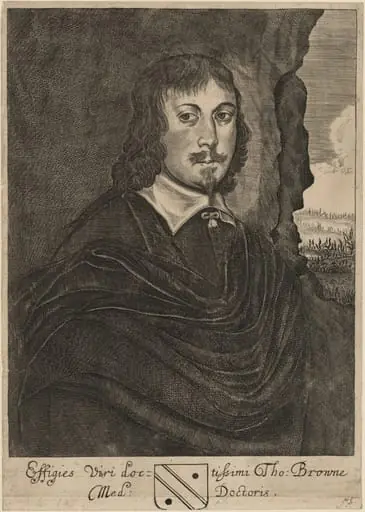 Tho. Browne, Med. Doctoris (Sir Thomas Browne, M.D.)
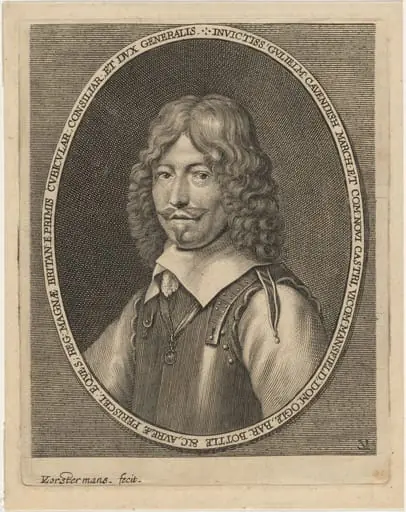 William, First Duke of Newcastle
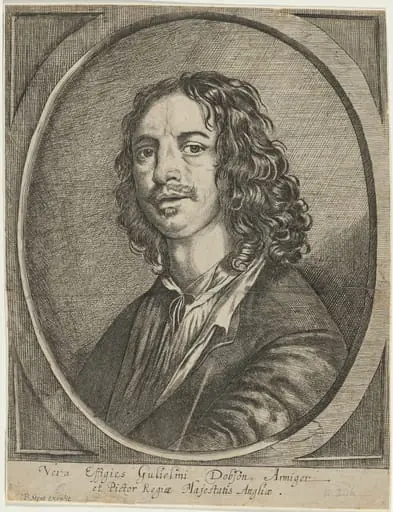 William Dobson, Portrait Painter
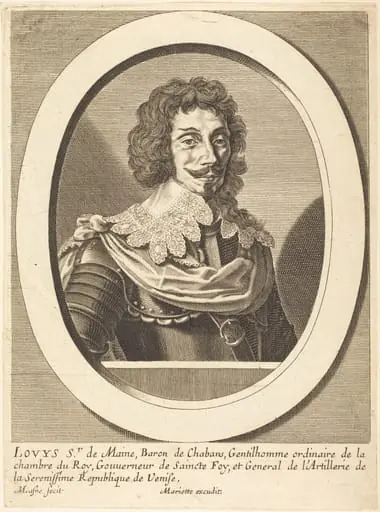 Louis Sieur de Maine
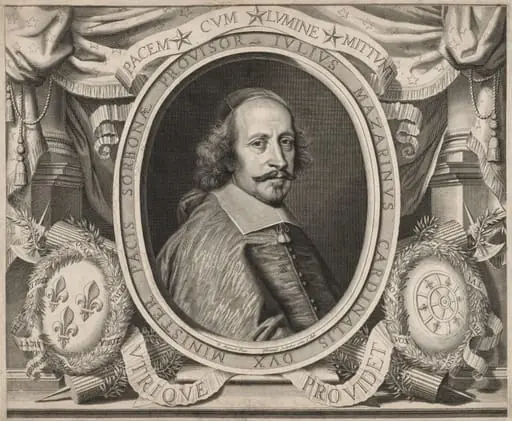 Cardinal Mazarin
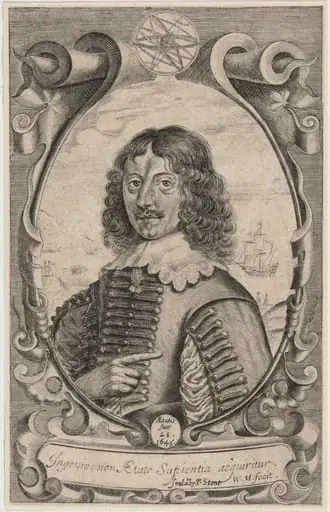 John Thompson
 James Shirley