Artwork
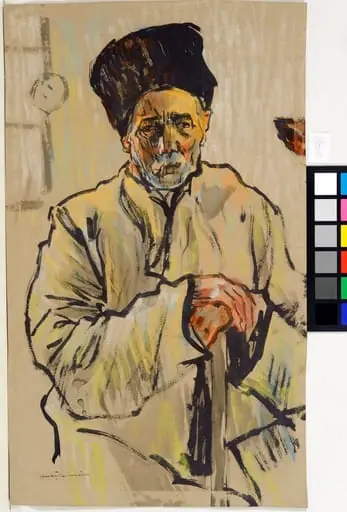
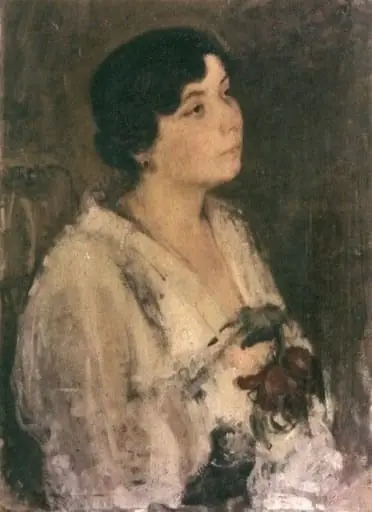
Studiu pentru portret
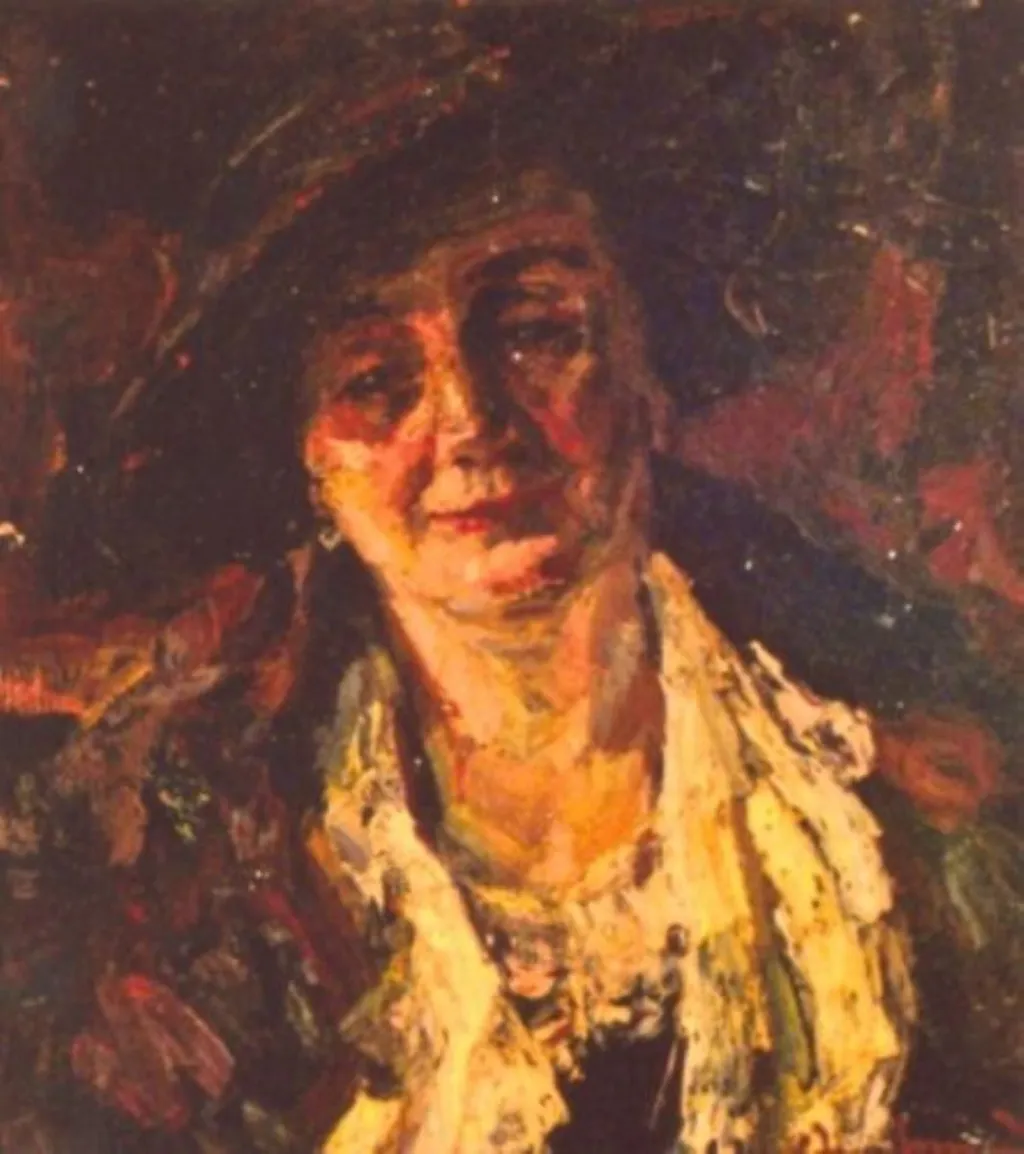
Studiu pentru portret is an unspecified painting by Rudolf Schweitzer-Cumpăna. It dates from 1936 and is held in the collection of the Argeș County Museum.
About this work
Overview
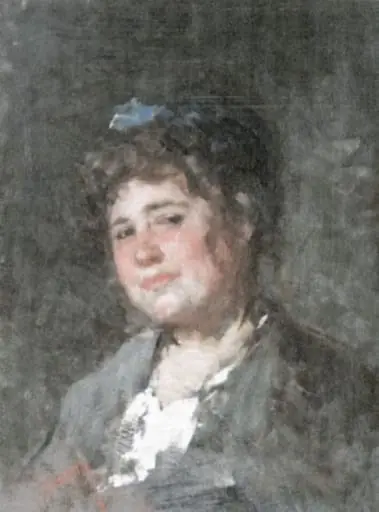
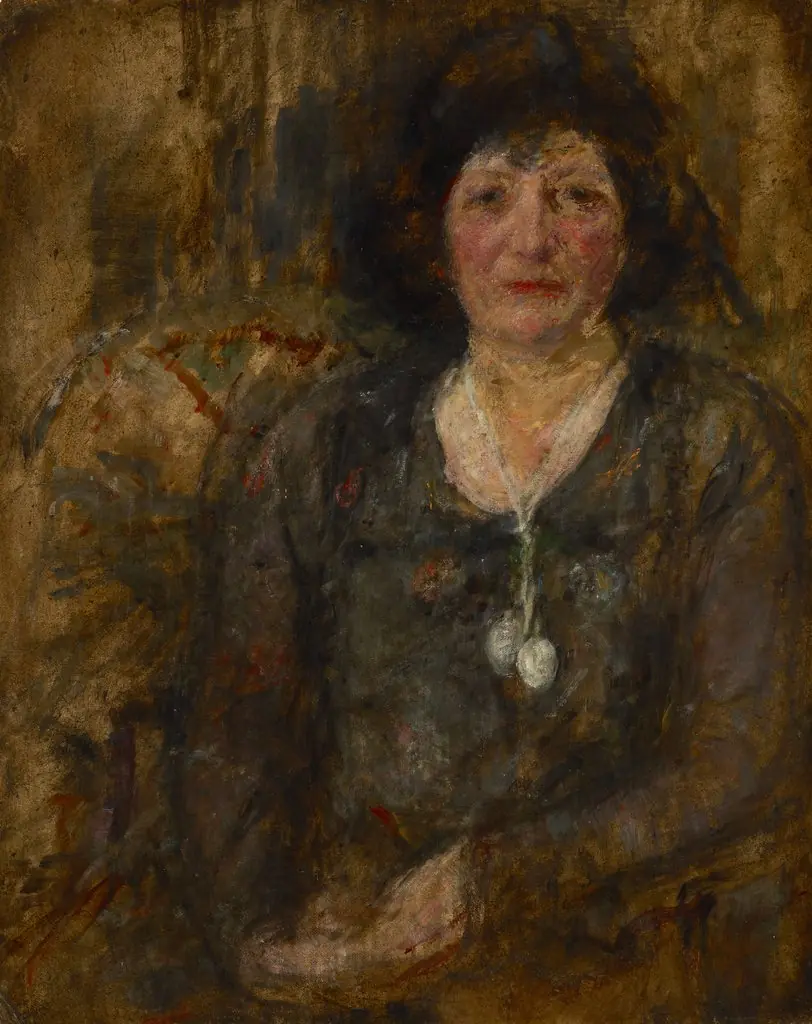
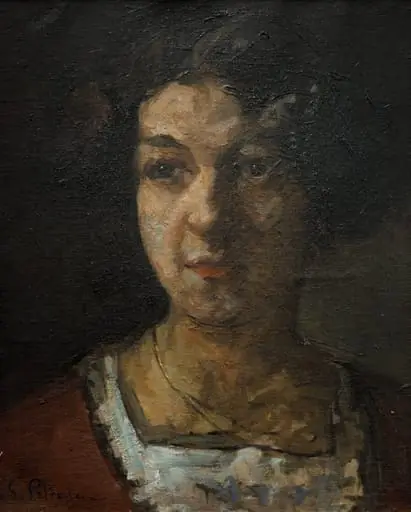
Studiu pentru portret, executed around 1936, is an oil painting by Romanian artist Rudolf Schweitzer‑Cumpăna. The work presents a half‑length portrait of a woman whose dark hair and white scarf contrast with a muted, shadowy backdrop. The composition focuses on the sitter’s contemplative demeanor, offering a quiet, introspective atmosphere.
Subject & Meaning
The figure is a woman turned slightly toward the right, her gaze directed downward and her mouth forming a subtle, enigmatic smile. The neutral expression and the soft illumination suggest a moment of inner reflection, inviting viewers to consider the personal or psychological state of the subject rather than a narrative scene.
Technique & Style
Schweitzer‑Cumpăna employs loose, expressive brushwork to render the facial features, creating a sense of immediacy. The palette is restrained, dominated by dark tones with occasional red and yellow hints behind the head, while the white scarf provides a focal point. The handling of light and shadow demonstrates a nuanced use of chiaroscuro, enhancing the three‑dimensionality of the figure.
History & Provenance
Created in the mid‑1930s, the painting belongs to a period when Schweitzer‑Cumpăna explored portraiture with a focus on psychological depth. Details of its ownership history are limited, but the work remains an example of his mature style prior to the disruptions of World War II.
Artist & collection
Artist
Rudolf Schweitzer-Cumpăna was a Romanian painter. Born in Pitești into an ethnic German family, he finished high school in his native town before attending the Royal Academy of Arts at Berlin from 1904 to 1909, studying…