Artwork
Morituri
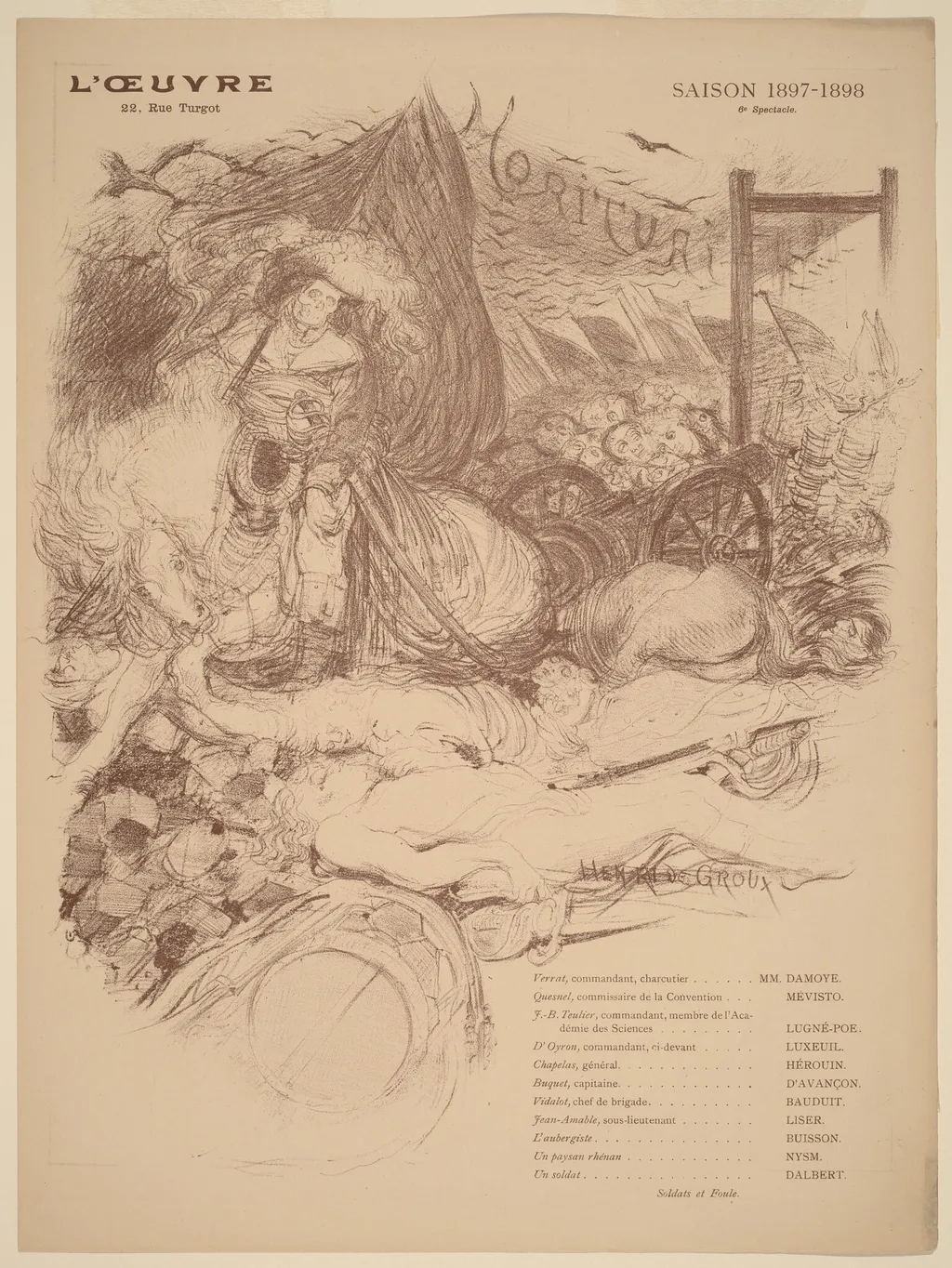
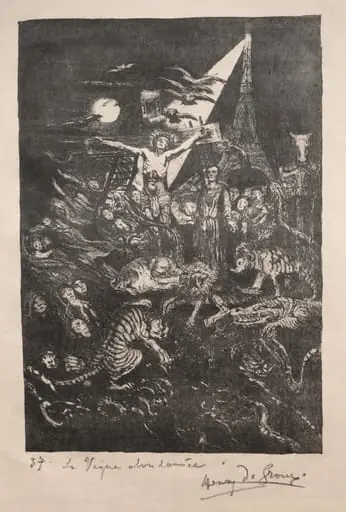
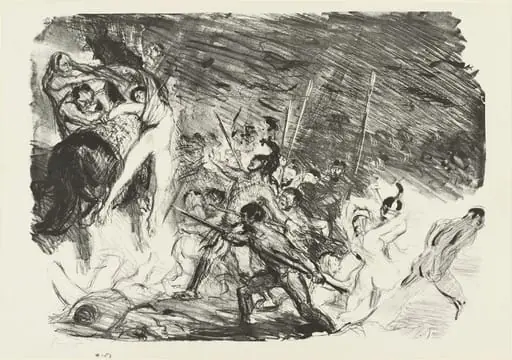
Morituri is an ink print by the Impressionist artist Henri de Groux. It dates from 1898 and is held in the collection of the National Gallery of Art.
About this work
Overview
Created in 1898, *Morituri* is a lithographic print executed in a red‑brown tone on wove paper. The Belgian artist Henri de Groux, active in Symbolist circles, produced the work during his early Parisian period. The image presents a densely packed interior populated by a restless crowd, rendered with swift, swirling lines that convey motion rather than a fixed narrative.
Subject & Meaning
The composition depicts a chaotic assembly of figures—civilians clutching a child, anxious onlookers, and a few uniformed men—within a dimly lit, cluttered space. The title, Latin for “those who are about to die,” suggests an atmosphere of looming peril or sacrifice, though the visual emphasis remains on the kinetic energy of the gathering rather than a specific story.
Technique & Style
De Groux employed the lithographic process, drawing directly onto a limestone or metal plate with greasy ink that yields bold, expressive marks when printed. The red‑brown palette and loose, sketch‑like strokes create a smoky, volatile texture, aligning the work with Symbolist interests in mood and emotional intensity rather than precise representation.
History & Provenance
Henri de Groux, known for early Symbolist pieces such as *Christ Attacked by a Mob* (completed at age twenty‑two), was connected to avant‑garde groups in Brussels before establishing his career largely in Paris. *Morituri* predates his later series that responded to the First World War, marking an intermediate stage in his exploration of societal anxiety.
Artist & collection
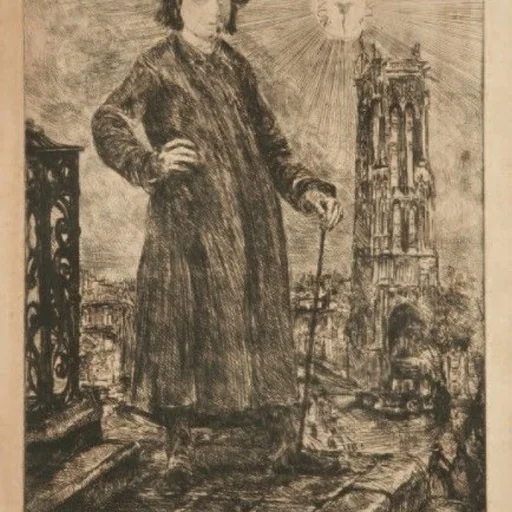
Artist
Henry de Groux (15 September 1866 – 12 January 1930) was a Belgian Symbolist painter, sculptor and lithographer.

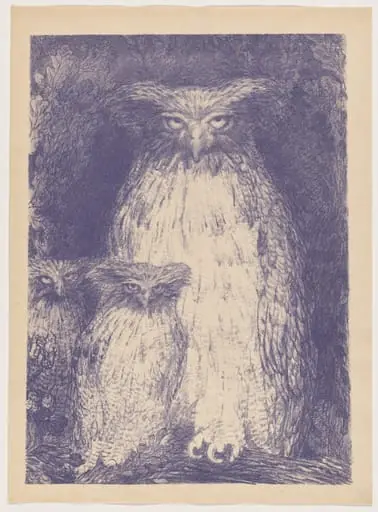
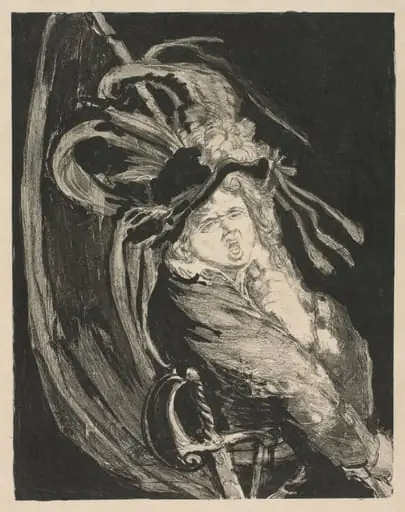
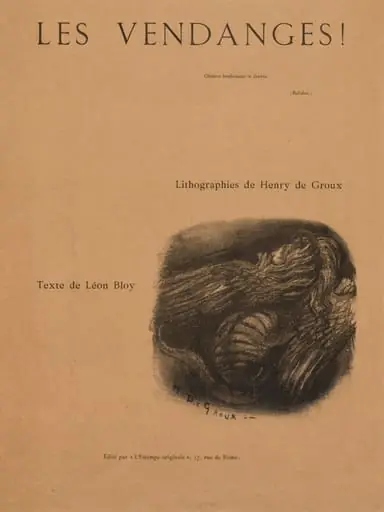
 Untitled
 Bird Men
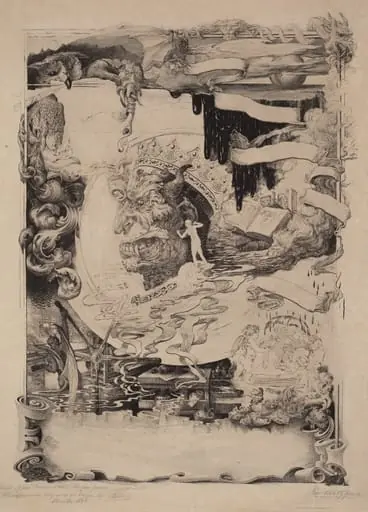 The Bookplate of the Printer's Devil
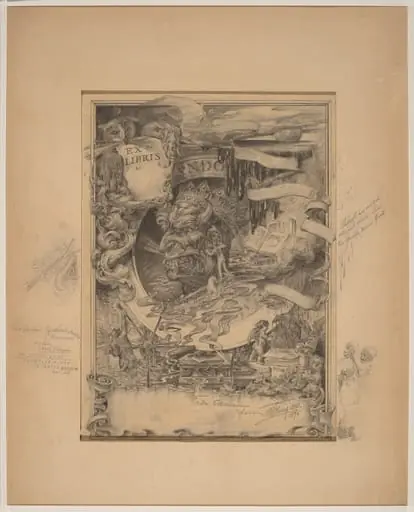 The Bookplate of the Printer's Devil
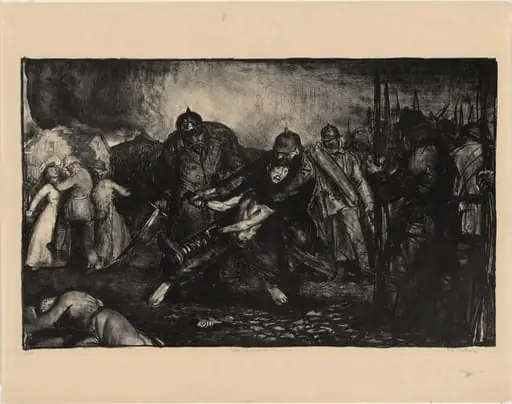 The Germans Arrive
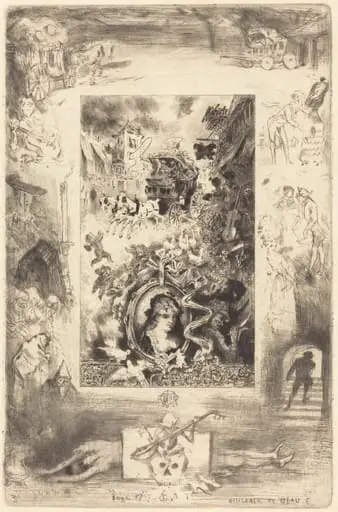 La Diligence de Beaucaire (The Diligence of Beaucaire)
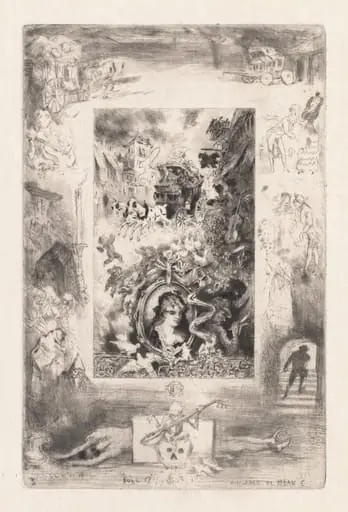 Letters from My Windmill:The Diligence of Beaucaire
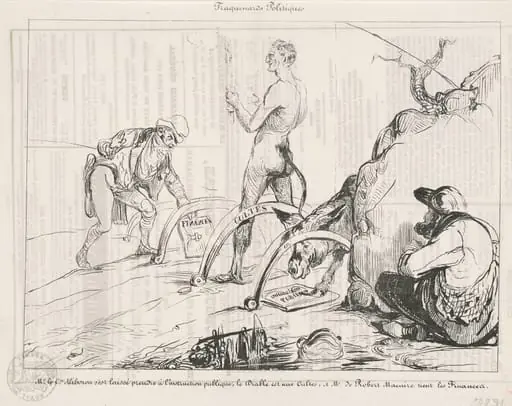 Traquenards politiques
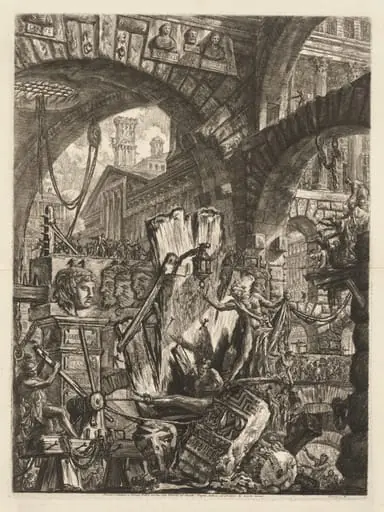 The Prisons: An Architectural Medly, with a Man on the Rock in the Foreground
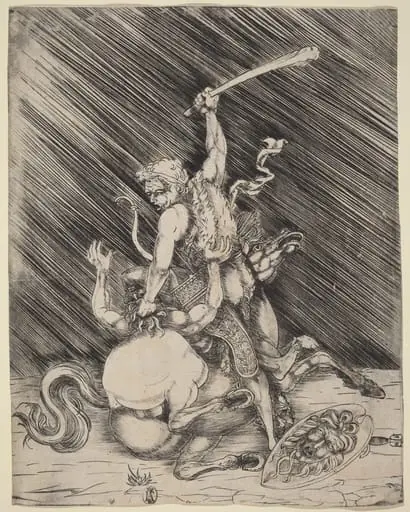 Hercules and Cacus
 Untitled
 The Skeletons