Artwork
Sacred Fish Tanks, Kashmir
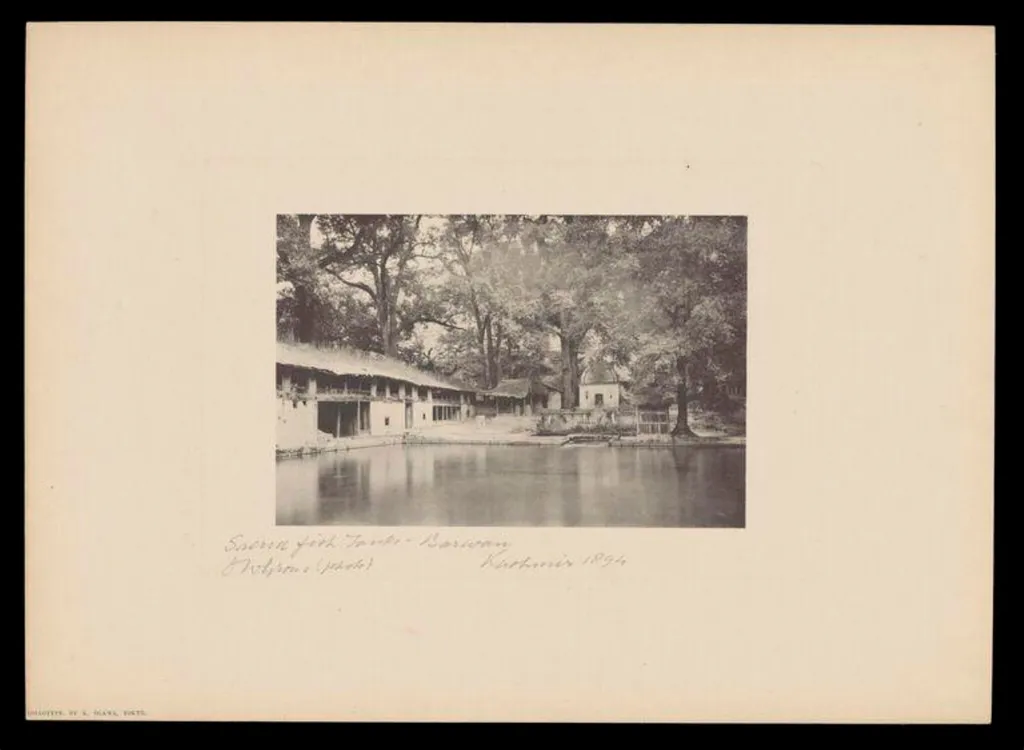
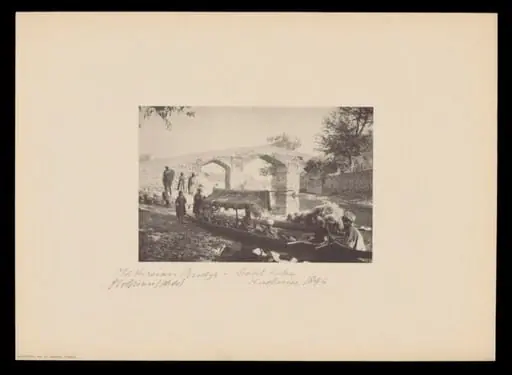
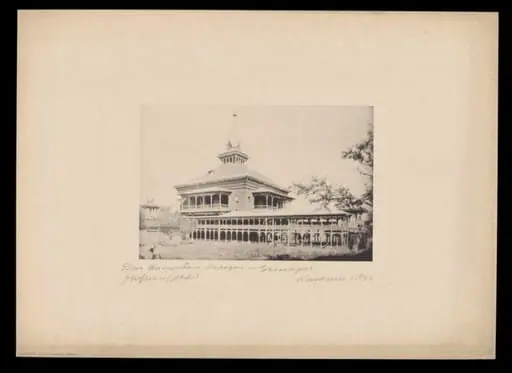
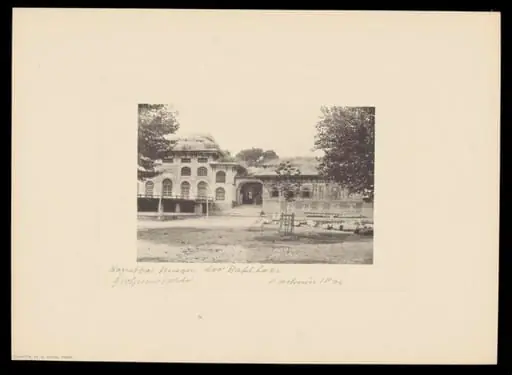
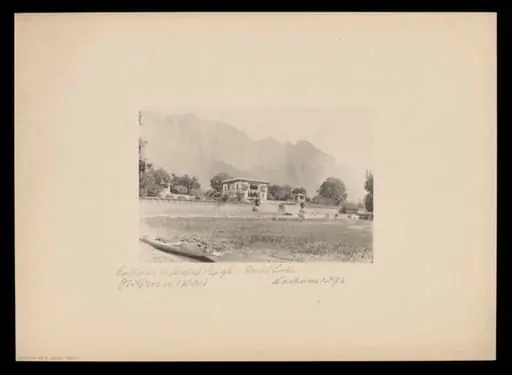
Sacred Fish Tanks, Kashmir is a photographic photography by the Impressionist artist J.W. Groves. It dates from 1894 and is held in the collection of the Victoria and Albert Museum. Taken in 1894, this black-and-white photograph captures a man-made pond in Kashmir, framed by trees and modest architecture.
About this work
Overview
Taken in 1894, this black-and-white photograph captures a man-made pond in Kashmir, framed by trees and modest architecture.
Taken in 1894, this black-and-white photograph captures a man-made pond in Kashmir, framed by trees and modest architecture. The composition emphasizes stillness, with the water acting as a mirror for the surrounding landscape. Subtle gradations of gray define the scene, avoiding dramatic contrasts while maintaining spatial depth. The image reflects early documentary photography’s interest in quiet, everyday environments.
Subject & Meaning
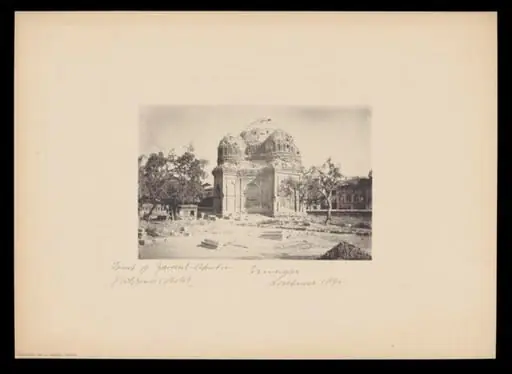
The pond, likely used for ritual or communal purposes, is surrounded by low, flat-roofed structures and a distant domed building, suggesting a religious or civic site. The absence of people heightens the sense of solitude, inviting contemplation rather than narrative. The scene conveys a sense of place rooted in local tradition, where water, architecture, and nature coexist without ornamentation.
Technique & Style
The photograph employs natural lighting to render tonal variations across surfaces, with soft shadows defining architectural forms and tree canopies. The camera’s fixed perspective and centered composition prioritize balance over dynamism. Grain and slight softness are consistent with late 19th-century gelatin silver processes, reinforcing the image’s historical texture without overt manipulation.
History & Provenance
The photograph originates from a period when European and Indian photographers were systematically documenting Kashmir’s landscapes and architecture. Likely taken by a colonial-era photographer or local studio, it was preserved as part of regional visual records. No known exhibition or ownership history beyond its archival status has been established.
Context
In late 19th-century Kashmir, such ponds often served both practical and spiritual functions, linked to temple complexes or royal gardens. The architectural style reflects regional Kashmiri building traditions, distinct from Mughal or Persian influences. This image contributes to a broader visual archive of the region before widespread modernization altered its waterways and structures.
Legacy
The photograph remains a quiet testament to Kashmir’s pre-industrial environmental and architectural character. It is referenced in scholarly studies of colonial-era photography and regional heritage, valued for its unembellished record of a specific time and place. Its significance lies not in spectacle, but in its faithful, unmediated observation.
Artist & collection
Artist
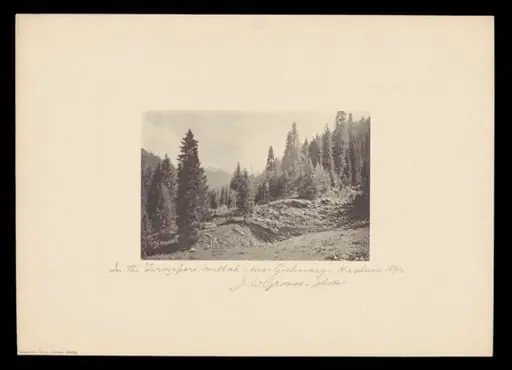
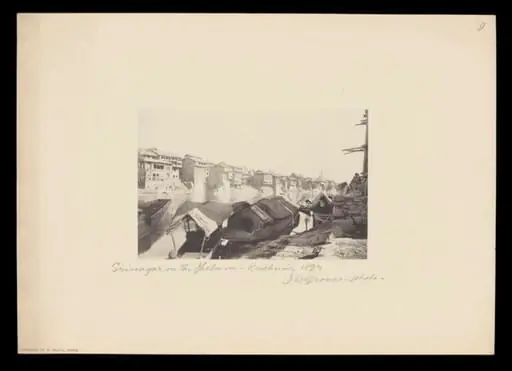
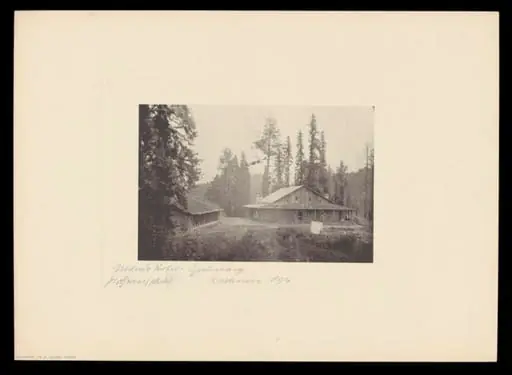
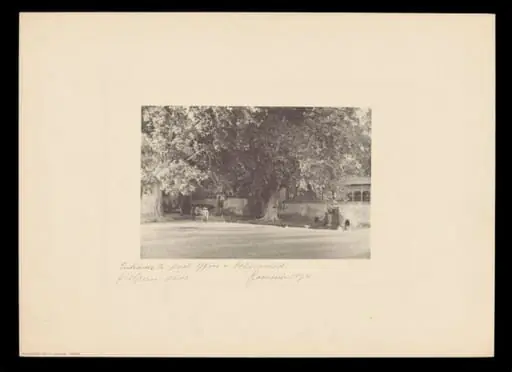
Photographer J.W. Groves captured Kashmir in the 1890s, leaving behind glass-plate prints of landmarks like Nedou’s Hotel in Gulmarg and the post office entrance in Islamabad. His lens framed scenes where locals and…