Artwork
Deux croquis
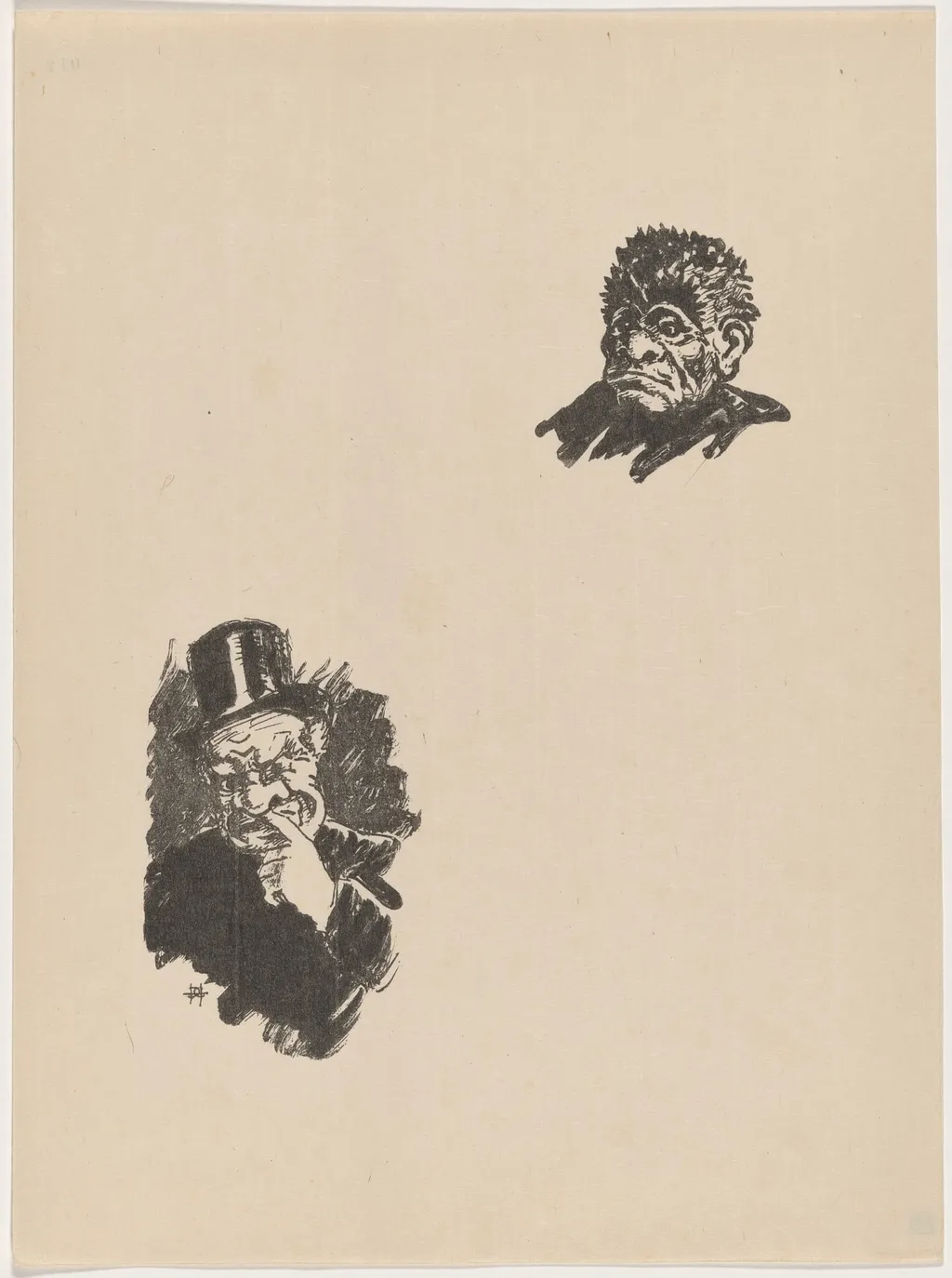
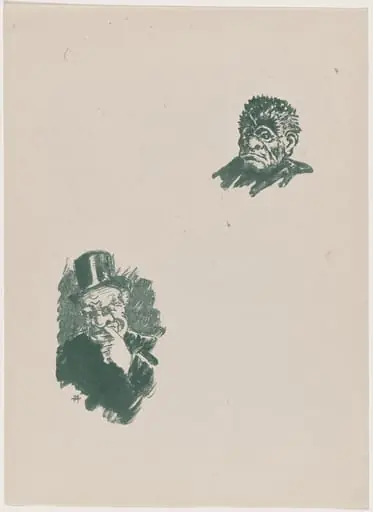
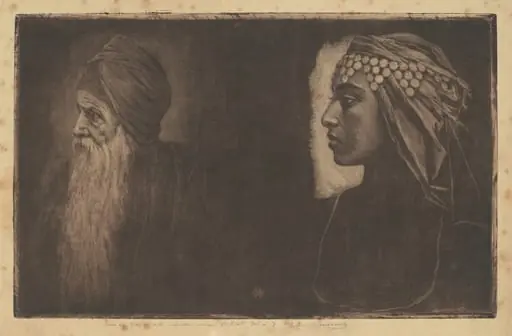
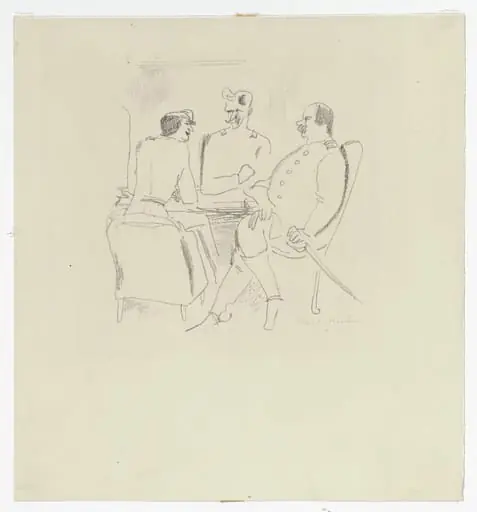
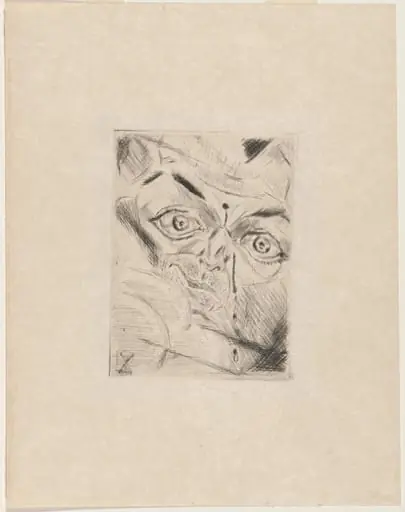
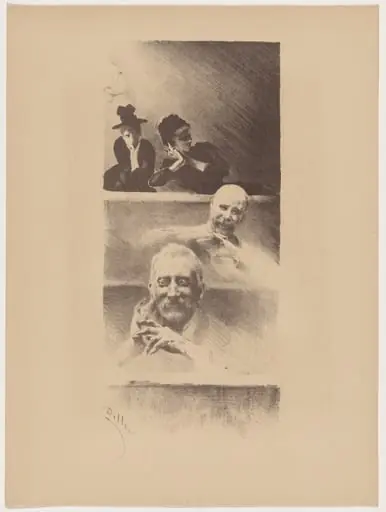
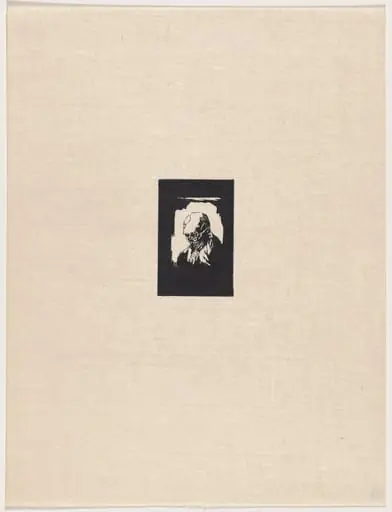
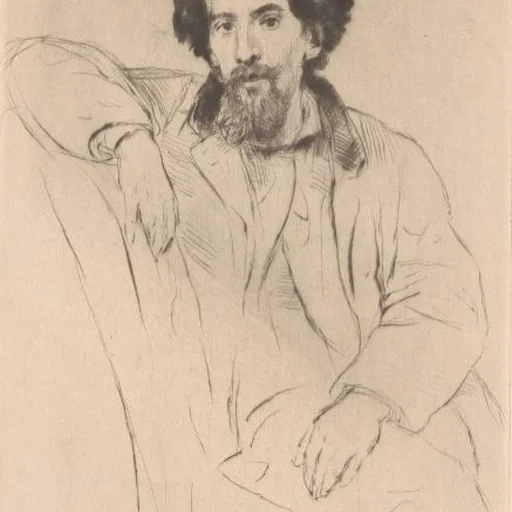
Deux croquis is an ink print by the Impressionist artist Henri-Charles Guérard. It dates from 1895 and is held in the collection of the National Gallery of Art.
About this work
Overview
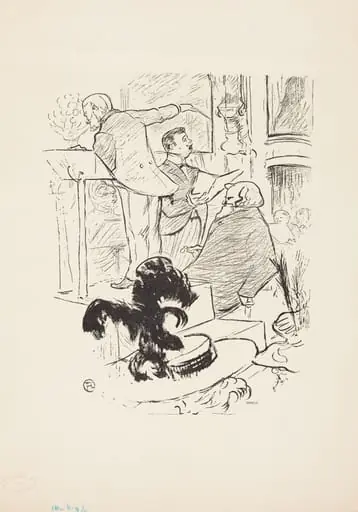
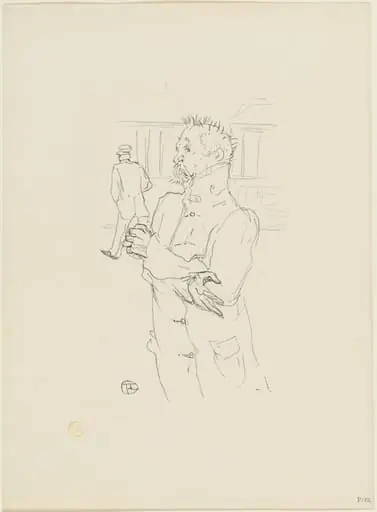
Deux croquis is a 1895 lithograph on japan paper by French artist Henri-Charles Guérard, featuring two distinct sketches of men's heads in black ink.
Subject & Meaning
The work depicts two contrasting male figures: one youthful with short, spiky hair and a collared shirt, and another, larger, figure of an older man in a top hat and cane, whose face is partially hidden.
Technique & Style
Guérard employed bold, expressive lines and loose brushstrokes in black lithographic ink, conveying a sense of spontaneity and energy, characteristic of his graphic, linear printmaking style.
History & Provenance
Created in 1895, Deux croquis reflects Guérard's late 19th-century practice, predominantly in etching and lithography, though specific provenance details are not provided.
Context
The piece is set against a beige paper background, enhancing the visual contrast of the black ink sketches, with the larger, more adorned figure potentially symbolizing social status or age distinction.
Legacy
While Deux croquis showcases Guérard's skill in lithography, its broader impact or influence within the artist's oeuvre or the larger art historical context is not explicitly defined by the available information.
Artist & collection
Artist
Henri Charles Guérard (26 April 1846, Paris - 24 March 1897, Paris) was a French painter and printmaker, particularly in etching and lithography.