Artwork
David with the Head of Goliath
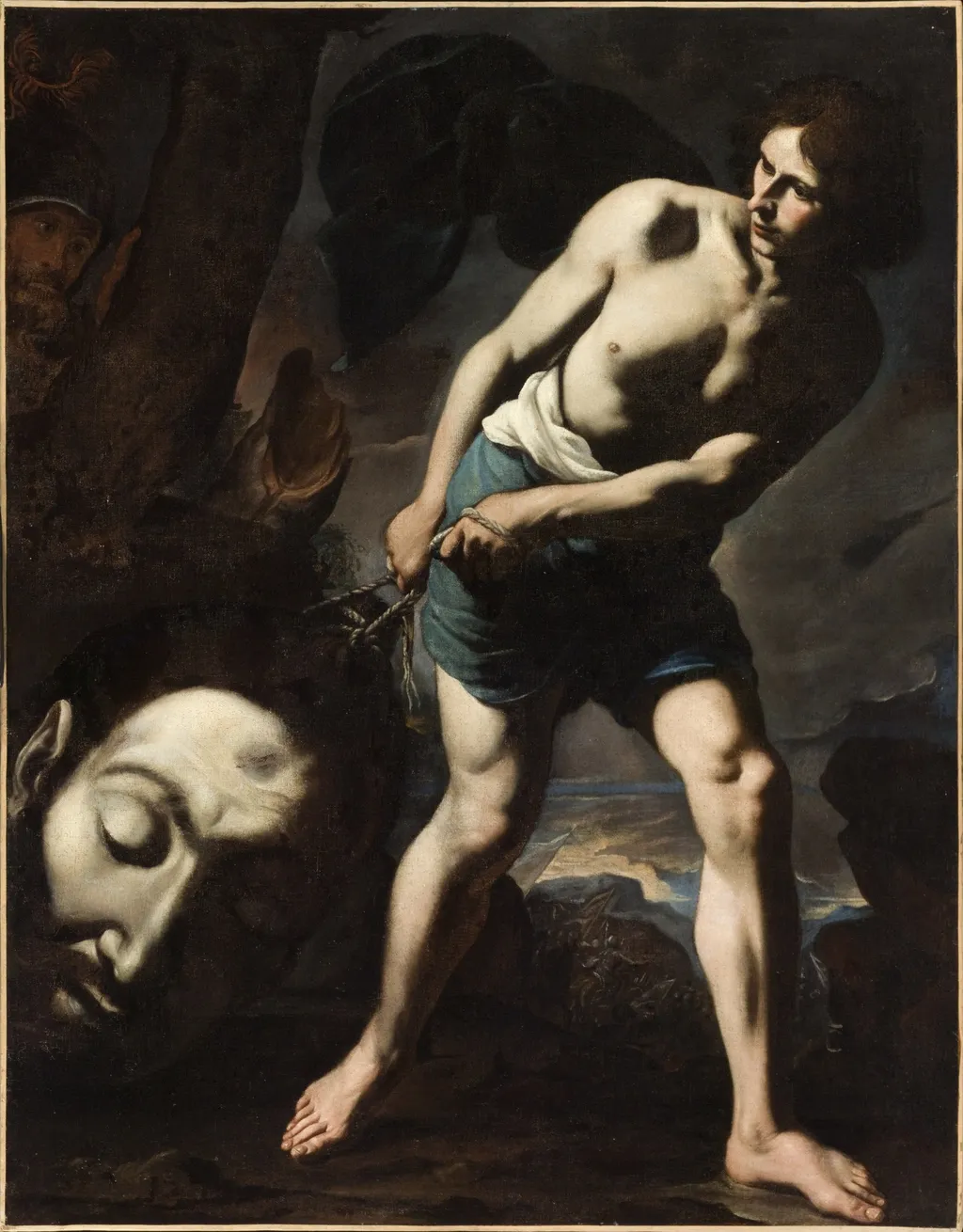
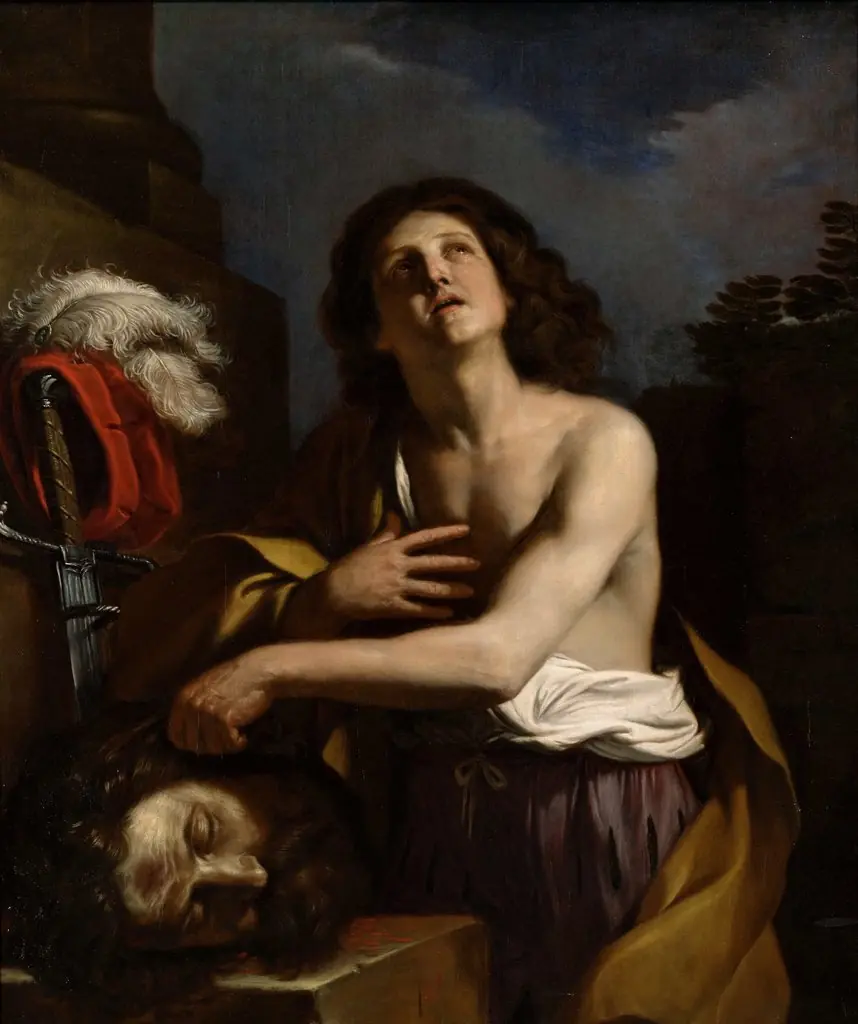
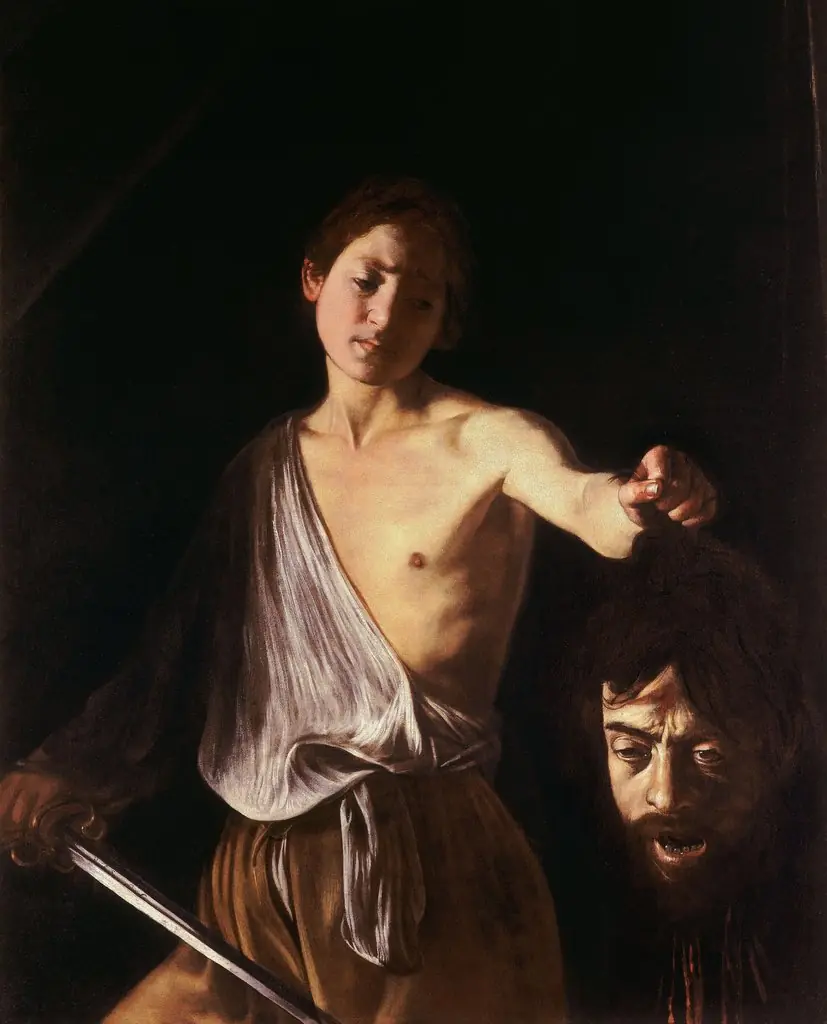
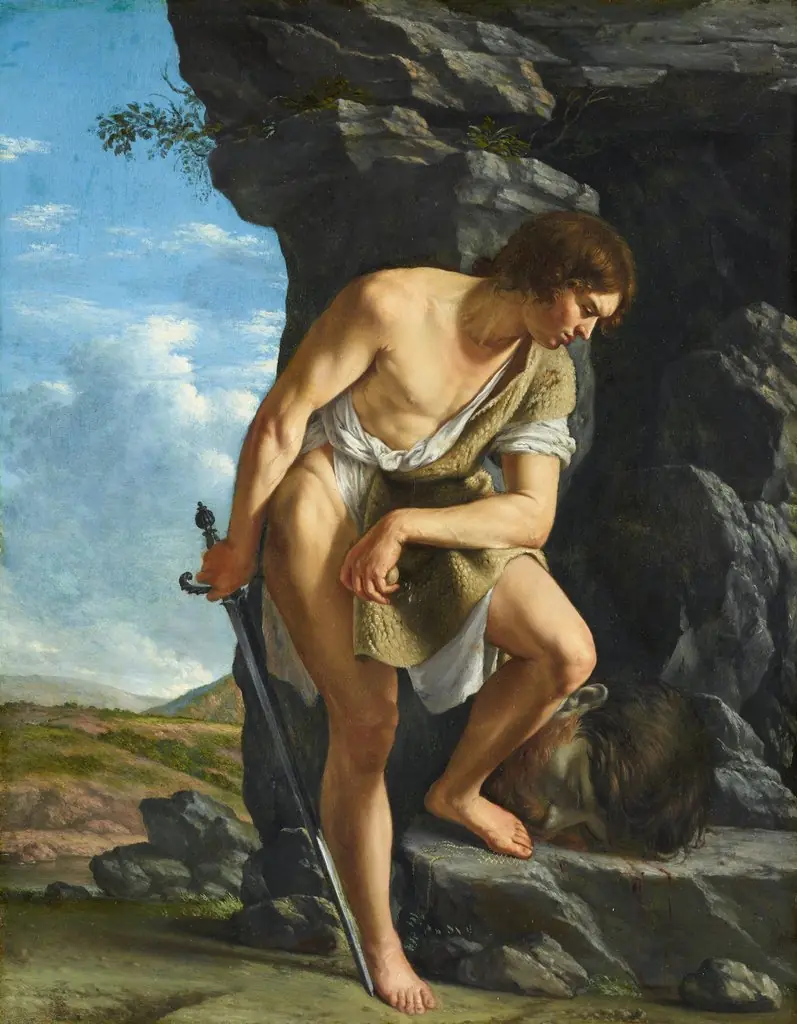
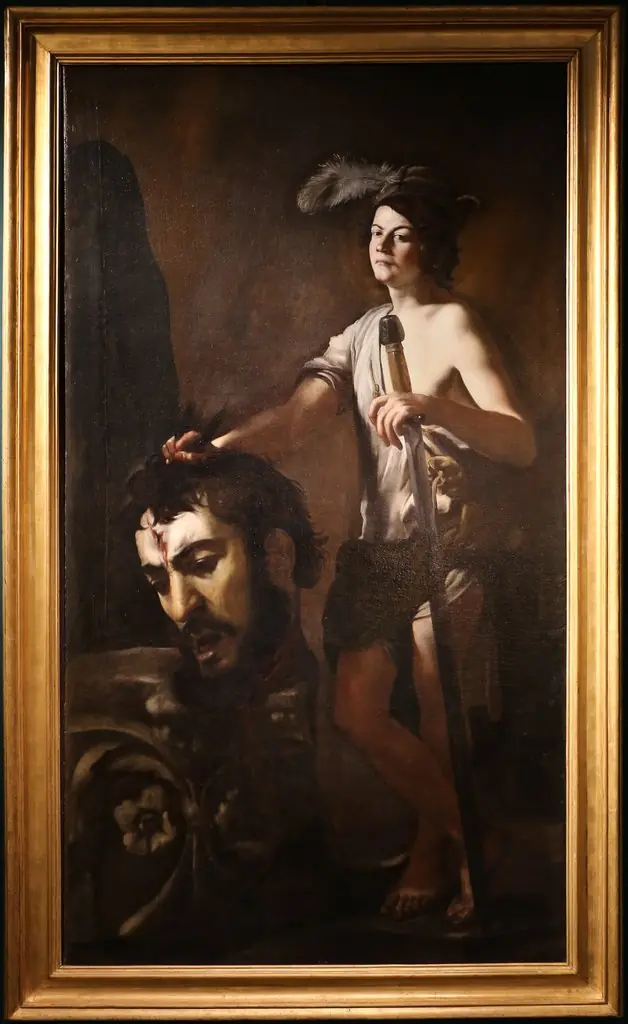
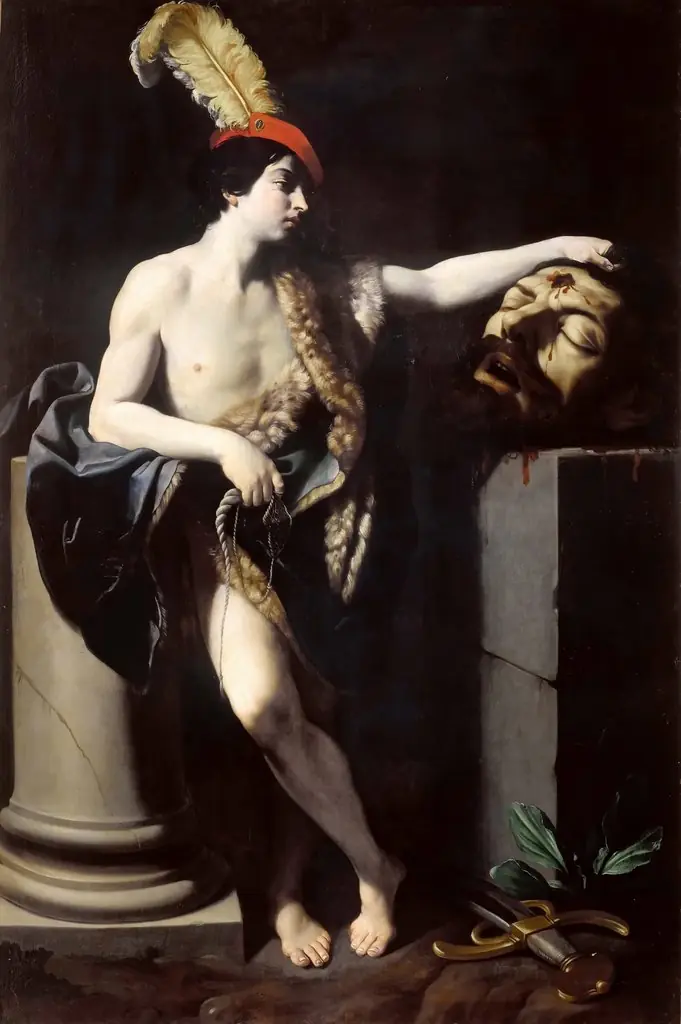
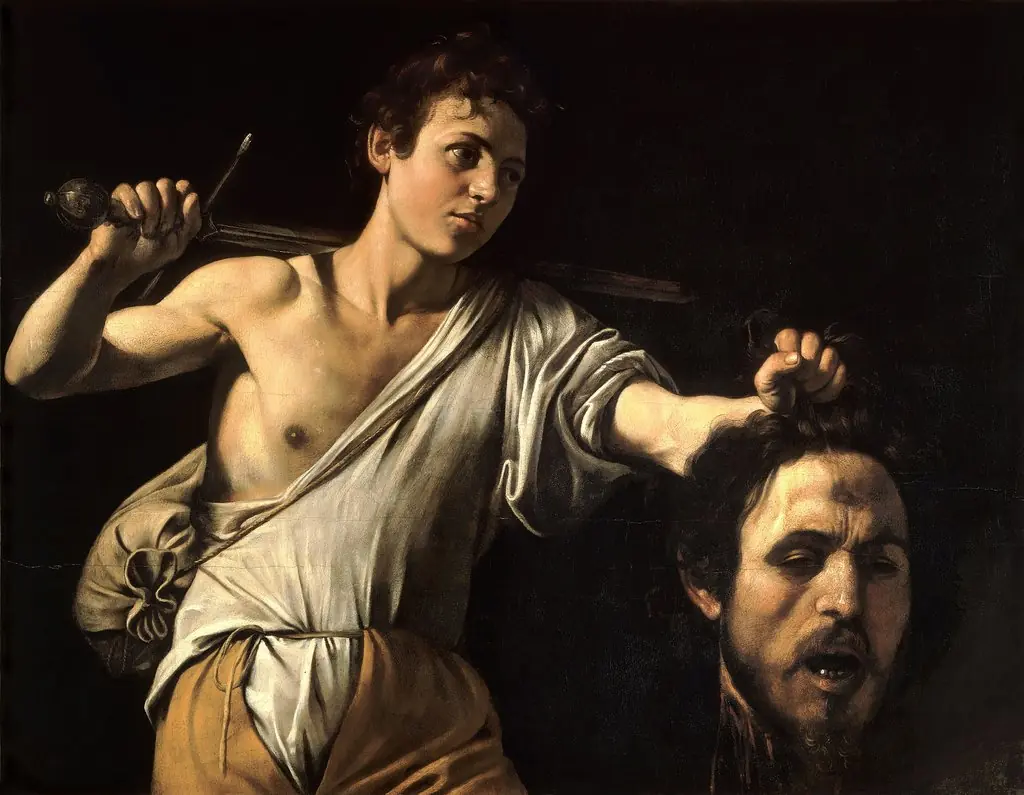
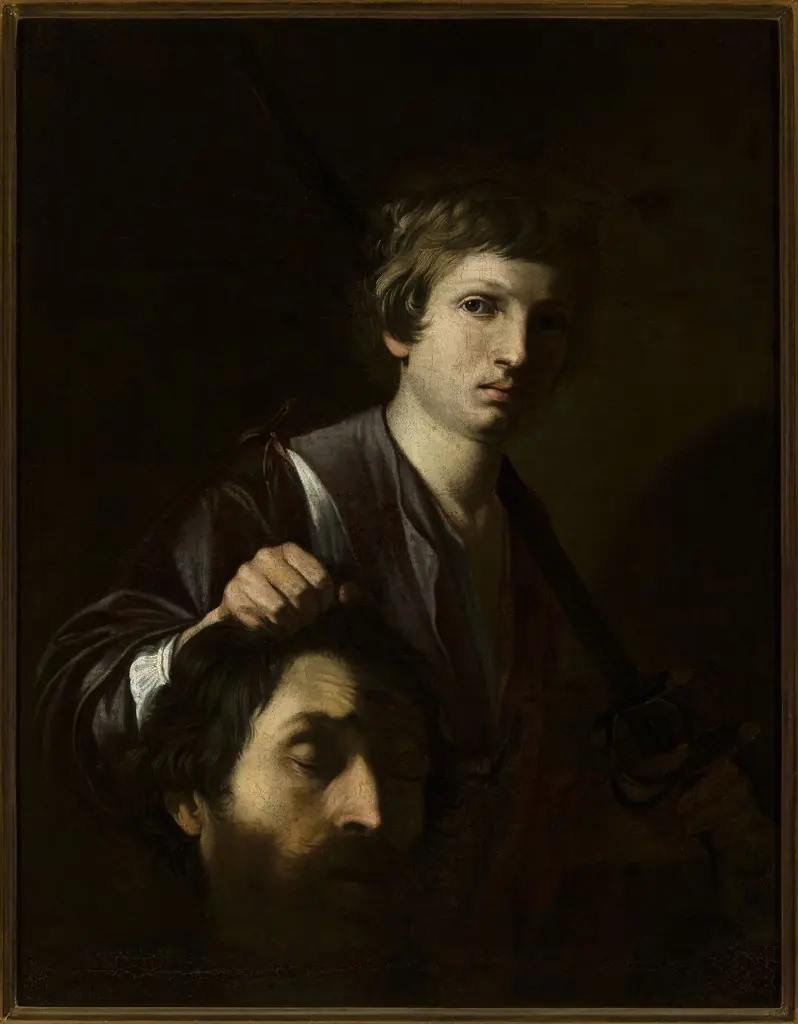
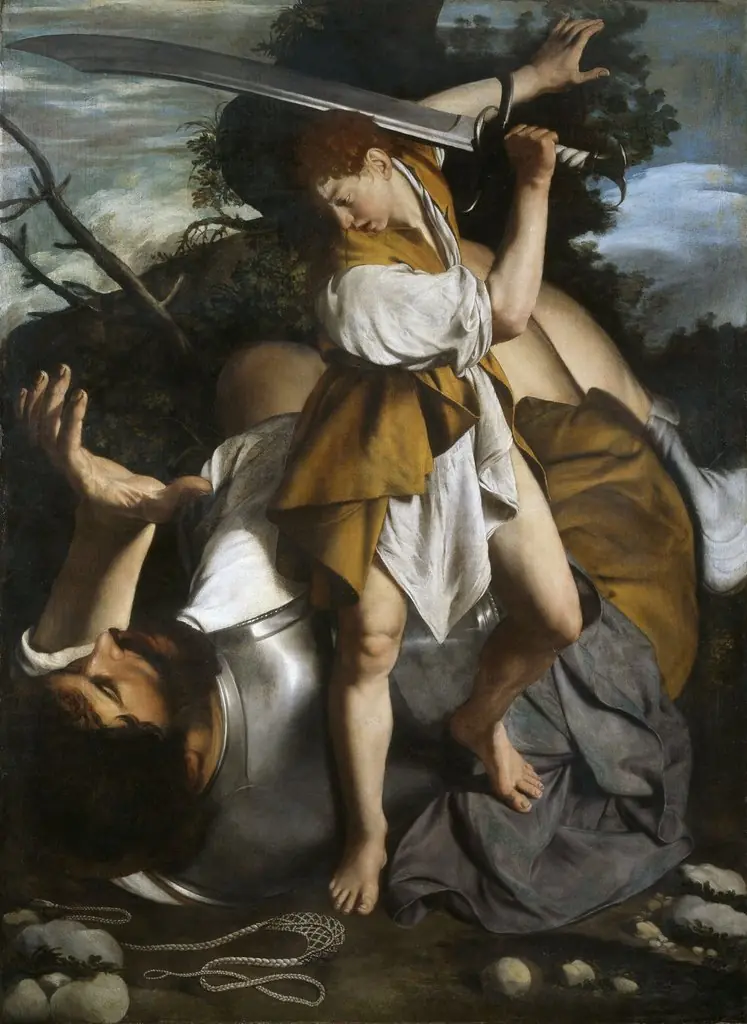
David with the Head of Goliath is an oil painting by the Early Baroque Italian artist Andrea Vaccaro. It dates from 1635 and is held in the collection of the Los Angeles County Museum of Art.
About this work
Overview
Andrea Vaccaro’s *David with the Head of Goliath* (1635) is an oil painting created in the early Baroque period in Naples. The work portrays the biblical hero David immediately after beheading the Philistine giant, a narrative frequently revisited by artists of the time for its moral and dramatic resonance.
Subject & Meaning
The central figure, a nude David, clutches Goliath’s severed head by the hair, his expression tense and his posture dynamic. The scene underscores themes of divine justice and the triumph of the underdog, reflecting the Counter‑Reformation emphasis on moral exemplars drawn from Scripture.
Technique & Style
Vaccaro employs a stark chiaroscuro, allowing deep shadows to engulf the background while the illuminated flesh of David appears to glow from within. The rendering of the human form is naturalistic, and the peripheral figures—blurred onlookers and a dog’s head on the ground—enhance the dramatic focus on the central act.
History & Provenance
A prolific Neapolitan painter, Vaccaro was known for integrating Caravaggio’s dramatic lighting with a refined, realistic approach to figures. *David with the Head of Goliath* remains a representative example of his mid‑17th‑century output, though specific details of its ownership history after its creation are not extensively documented.
Artist & collection
Artist
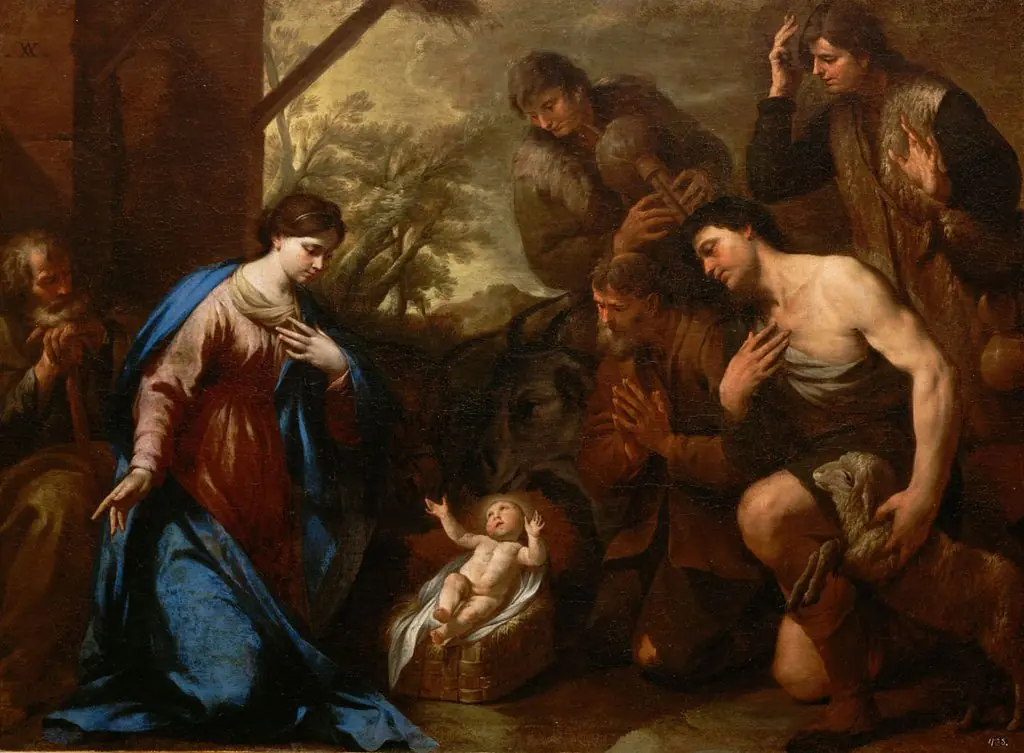
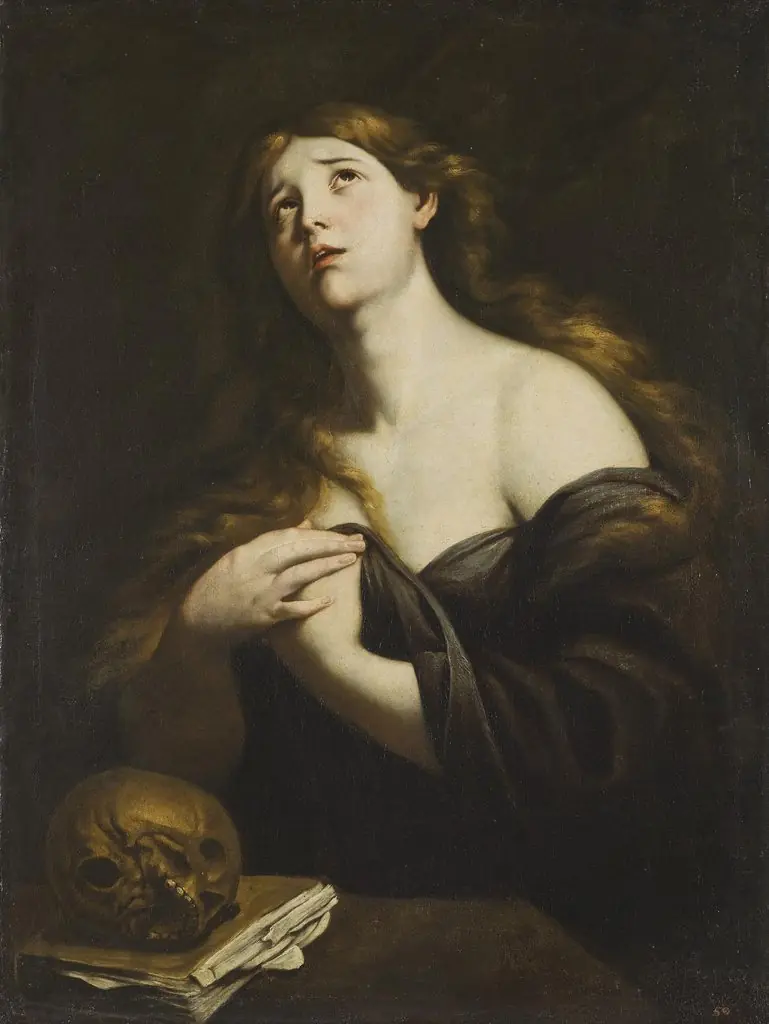
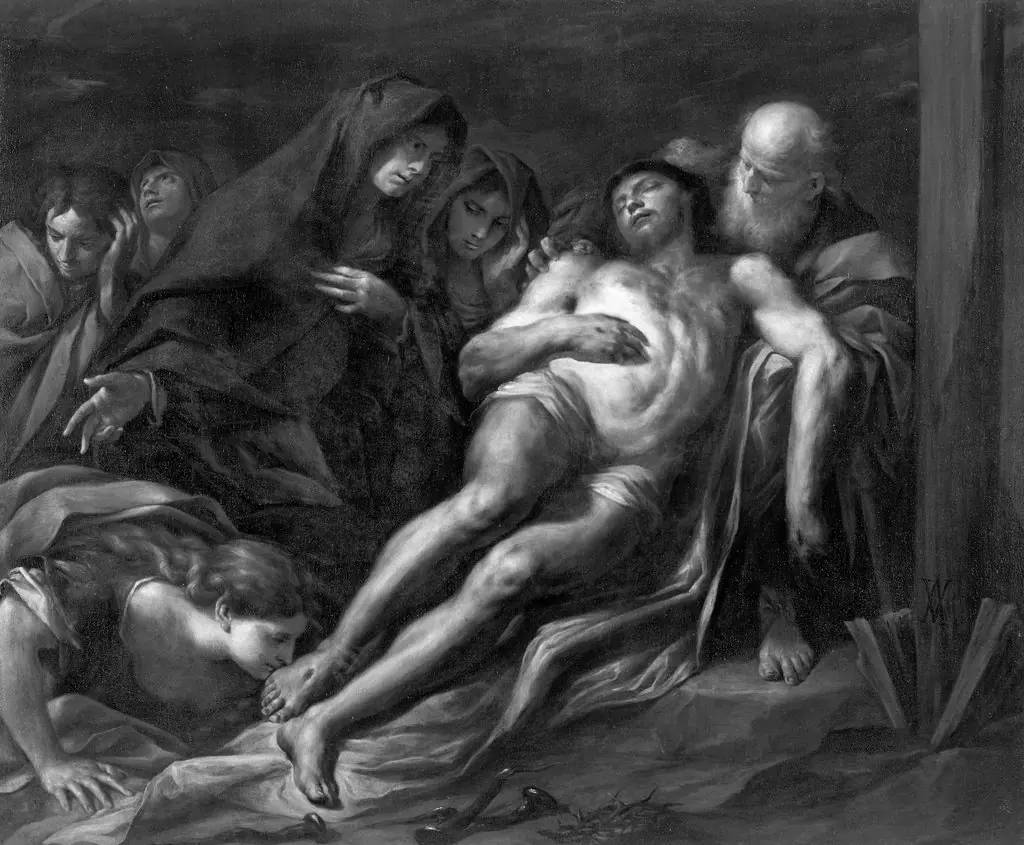
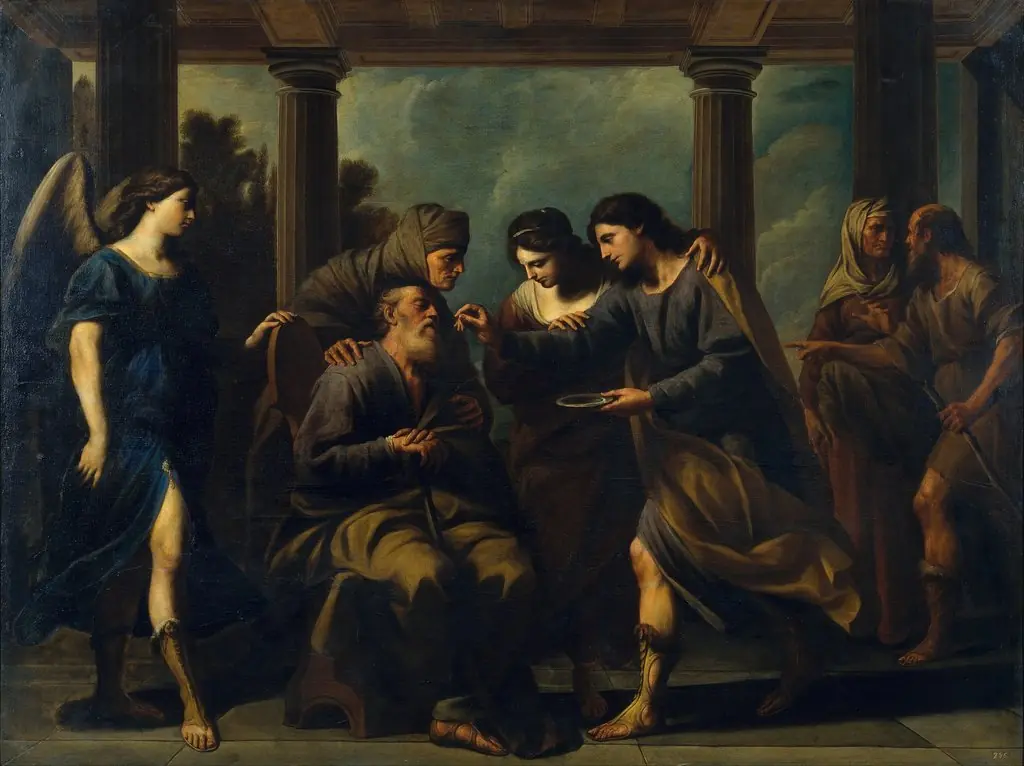
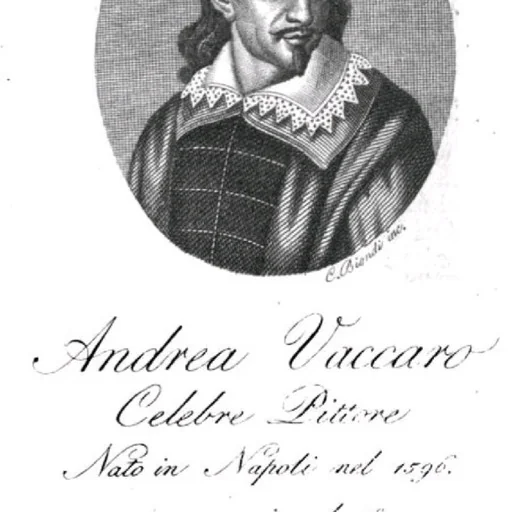
Andrea Vaccaro (baptised on 8 May 1604 – 18 January 1670) was an Italian painter of the Baroque period.