Artwork
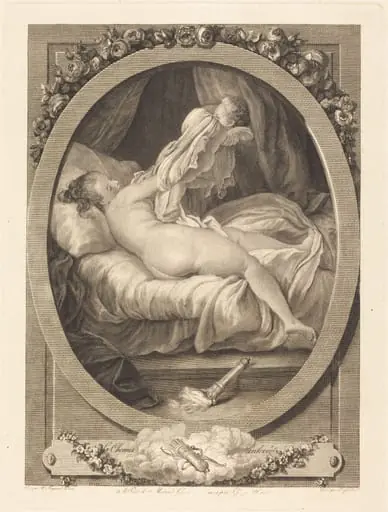
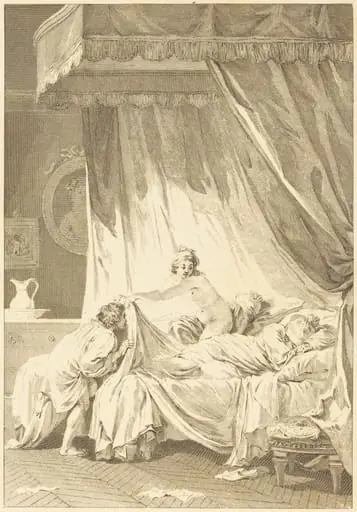
La Chemise enlevée
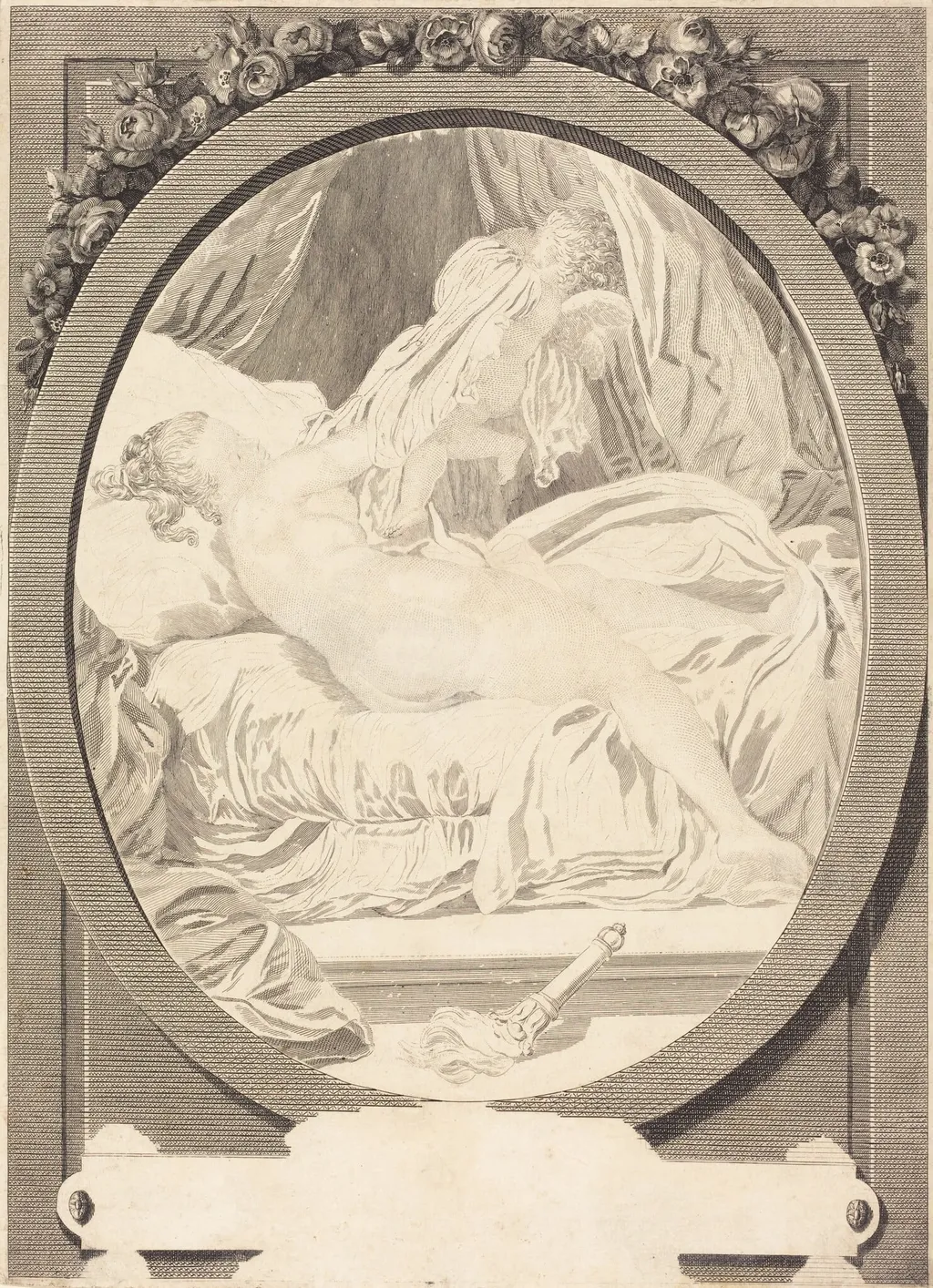
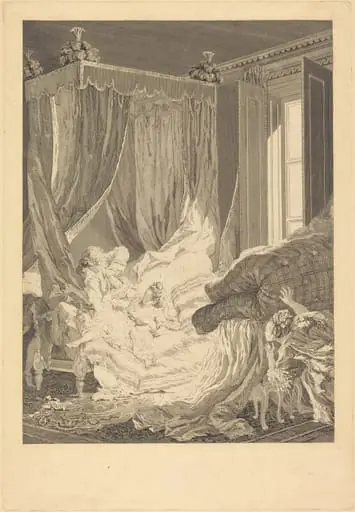
La Chemise enlevée is an ink print by the Romanticist artist E. Guersant. It dates from 1782 and is held in the collection of the National Gallery of Art.
About this work
Overview
The work belongs to the broader tradition of 18th-century graphic art, where intimacy and subtle emotion were explored through delicate line work.
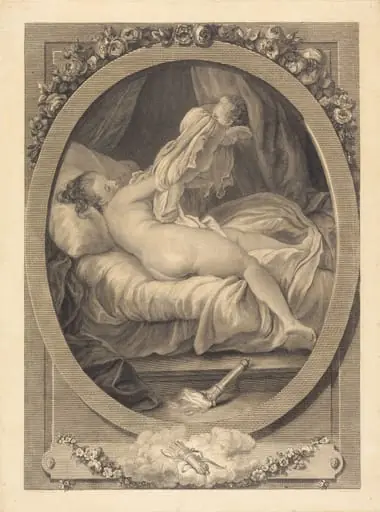
La Chemise enlevée is an 1782 print by E. Guersant, executed in etching and engraving on laid paper. It depicts a solitary female figure in a dimly lit interior, partially undressed as a garment slips from her shoulder. The composition emphasizes stillness and private gesture, avoiding narrative clarity in favor of atmospheric suggestion. The work belongs to the broader tradition of 18th-century graphic art, where intimacy and subtle emotion were explored through delicate line work.
Subject & Meaning
The figure, turned away from the viewer, engages in a quiet act of undressing, evoking a sense of personal ritual rather than theatrical exposure. The ambiguous object on the floor—perhaps a hairpin, glove, or ribbon—intensifies the feeling of a moment suspended between action and stillness. No explicit story is given; instead, the image invites contemplation of solitude, vulnerability, and the unspoken transitions of daily life.
Technique & Style
Guersant employed fine etched lines and controlled engraving to render soft textures and subtle tonal gradations. The background recedes into shadow with minimal detail, focusing attention on the figure’s form and the delicate fall of fabric. The style leans toward the refined elegance of late Rococo, with an emphasis on tactile surfaces and muted lighting, rather than the dramatic intensity later associated with Romanticism.
History & Provenance
Created in 1782, the print likely circulated among private collectors in France during the late Ancien Régime. Its modest scale and intimate subject suggest it was intended for personal viewing rather than public display. No documented exhibition history or prominent early ownership is recorded, and its survival reflects its appeal as a discreet, finely crafted object of domestic aesthetic interest.
Context
In the decades before the French Revolution, graphic arts flourished as a medium for exploring private life and sensibility. Prints like this one responded to a growing appetite for imagery that conveyed emotional nuance without overt narrative. While not overtly political, such works subtly reflected shifting attitudes toward individual experience, privacy, and the female form in domestic settings.
Legacy
La Chemise enlevée remains a quiet example of late 18th-century printmaking, valued for its restraint and technical precision. It contributes to the understanding of how intimacy was visually articulated before the rise of Romanticism’s overt emotionalism. Though not widely reproduced or studied today, it stands as a representative artifact of a moment when art turned inward, toward the unspoken gestures of everyday existence.
Artist & collection