Artwork
David and Abigail
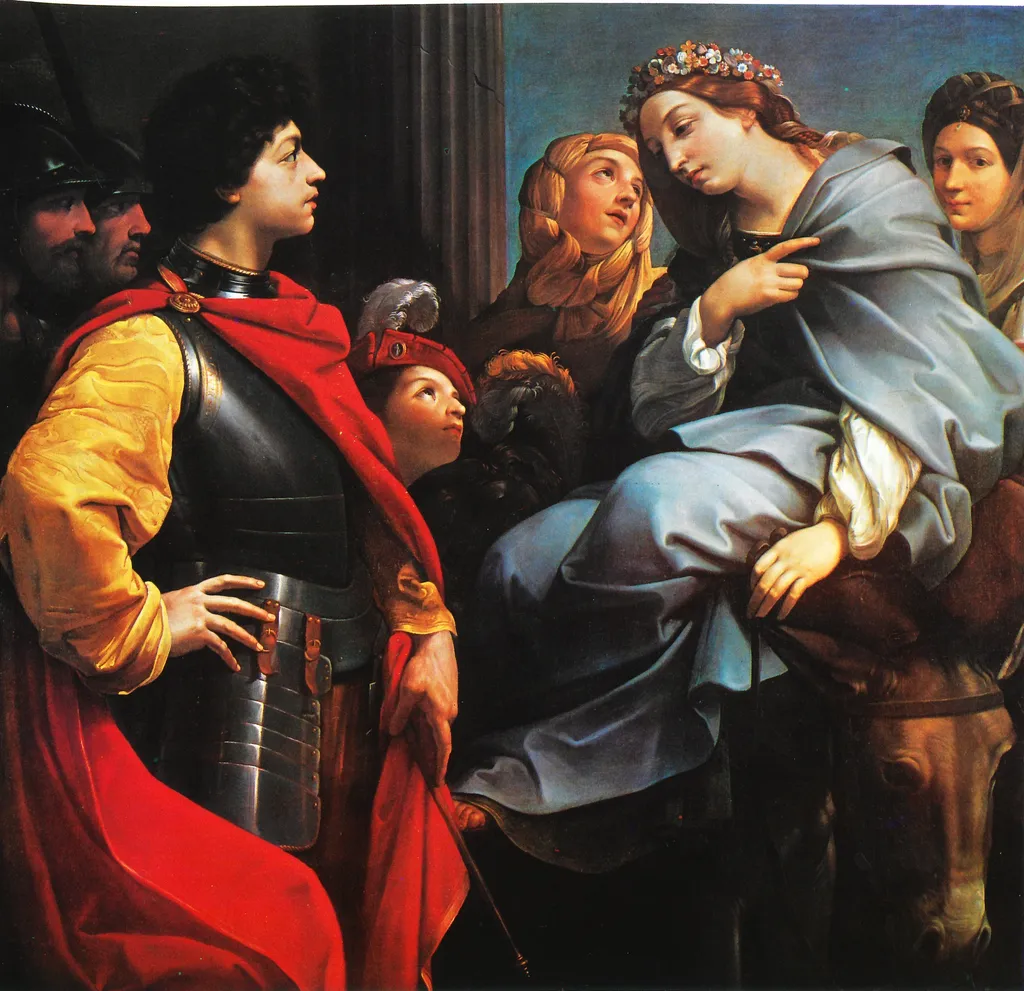
David and Abigail is an oil painting by the Early Baroque Italian artist Guido Reni. It dates from 1617 and is held in the collection of the Museum of Fine Arts, Budapest.
About this work
Overview
Painted in 1617 by Guido Reni, this oil-on-canvas work depicts a moment from the biblical story of David and Abigail. It is part of the collection at the Museum of Fine Arts in Budapest. The composition centers on a poised female figure on horseback, surrounded by figures in varied states of attention, suggesting a narrative of intervention and moral authority.
Subject & Meaning
The scene illustrates Abigail’s encounter with David before he takes vengeance on her husband Nabal. Abigail, depicted with a floral crown, presents gifts and appeals for mercy. David, in armor, stands below her, listening intently. The moment captures her wisdom and courage, contrasting with the violent intentions she seeks to avert, emphasizing themes of restraint and divine justice.
Technique & Style
Reni employs a refined Baroque style with soft modeling and controlled lighting. Abigail’s blue robe draws the eye against muted earth tones, while David’s crimson cape adds dynamic contrast. Figures are arranged in a shallow stage-like space, with subtle gestures guiding the viewer’s attention. The brushwork is smooth, favoring clarity and emotional restraint over dramatic intensity.
History & Provenance
The painting was completed during Reni’s mature period in Bologna, a time when his religious subjects gained widespread acclaim. It entered the Hungarian national collection in the 19th century, likely through acquisitions by the Esterházy family or state purchases. Its presence in Budapest reflects broader European patterns of art collecting in the post-Reformation era.
Context
Created during the Counter-Reformation, the painting aligns with Catholic efforts to promote moral exemplars through visual art. Abigail’s virtue and David’s receptiveness to counsel served as models for obedience and temperance. Reni’s style, influenced by classical ideals and Carracci’s reforms, offered a serene alternative to the more theatrical approaches of his contemporaries.
Legacy
Though less frequently exhibited than Reni’s larger altarpieces, this work exemplifies his skill in conveying quiet moral authority. It remains a key example of early 17th-century Italian narrative painting in Central Europe. Its preservation in Budapest underscores its role in shaping regional tastes for classical religious imagery during the Habsburg era.
Own this work as a print
Artist & collection
Artist
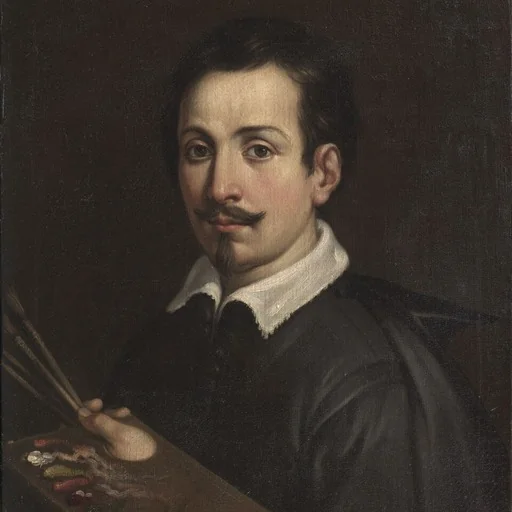
Guido Reni was an Italian Baroque painter, although his works showed a classical manner, similar to Simon Vouet, Nicolas Poussin, and Philippe de Champaigne.


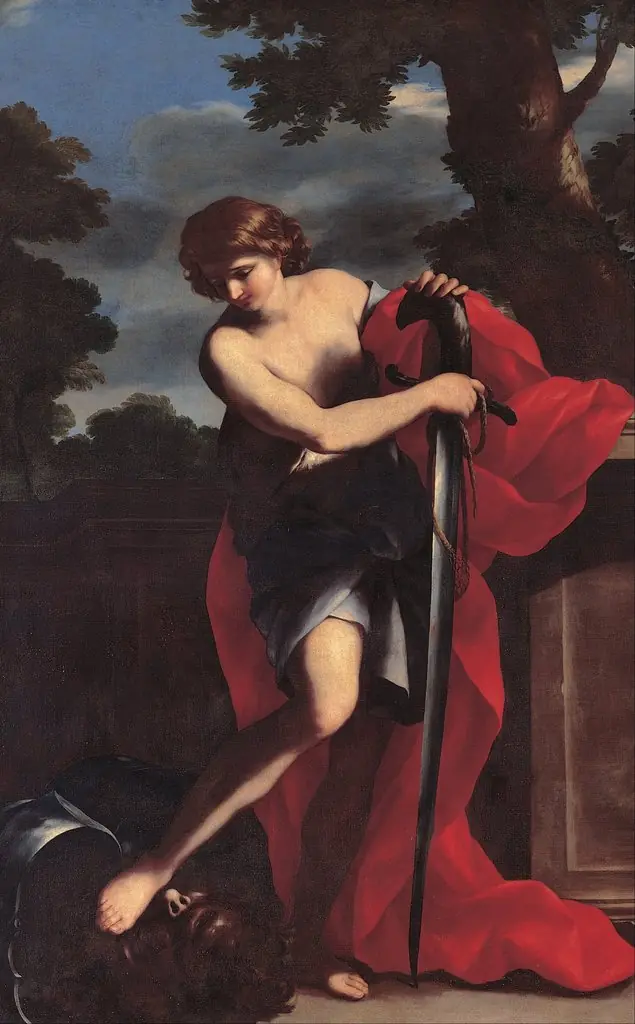 David
David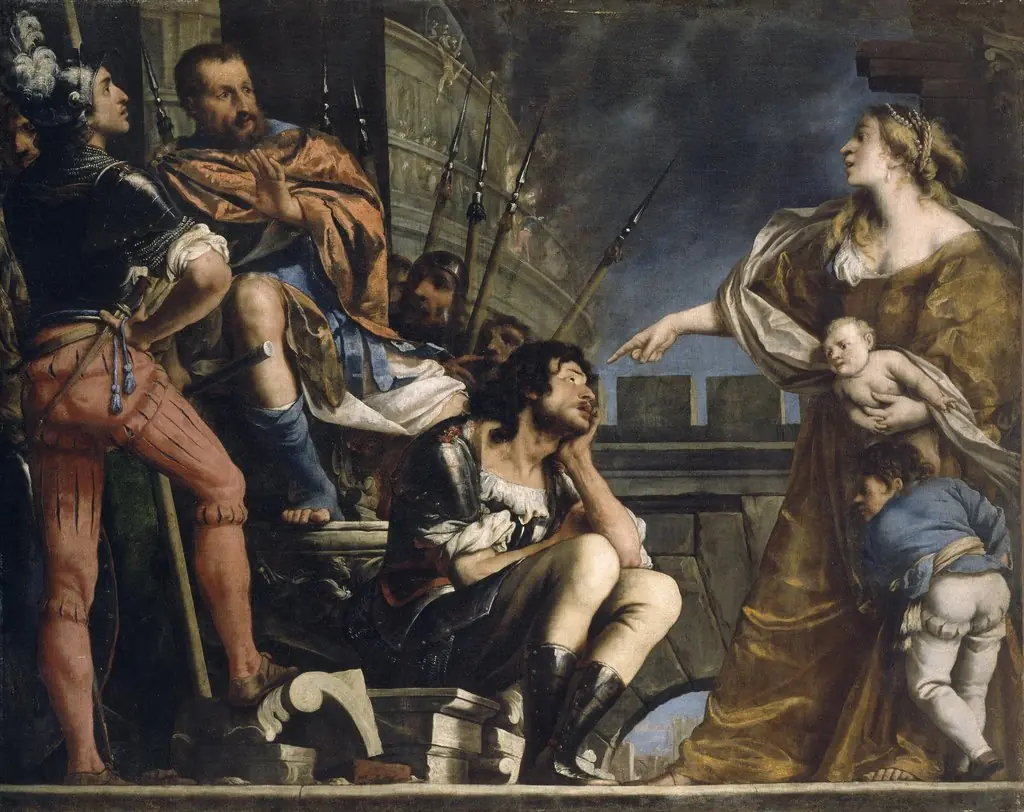 Haasdrubal's Wife Denouncing her Husband before Scipio Africanus
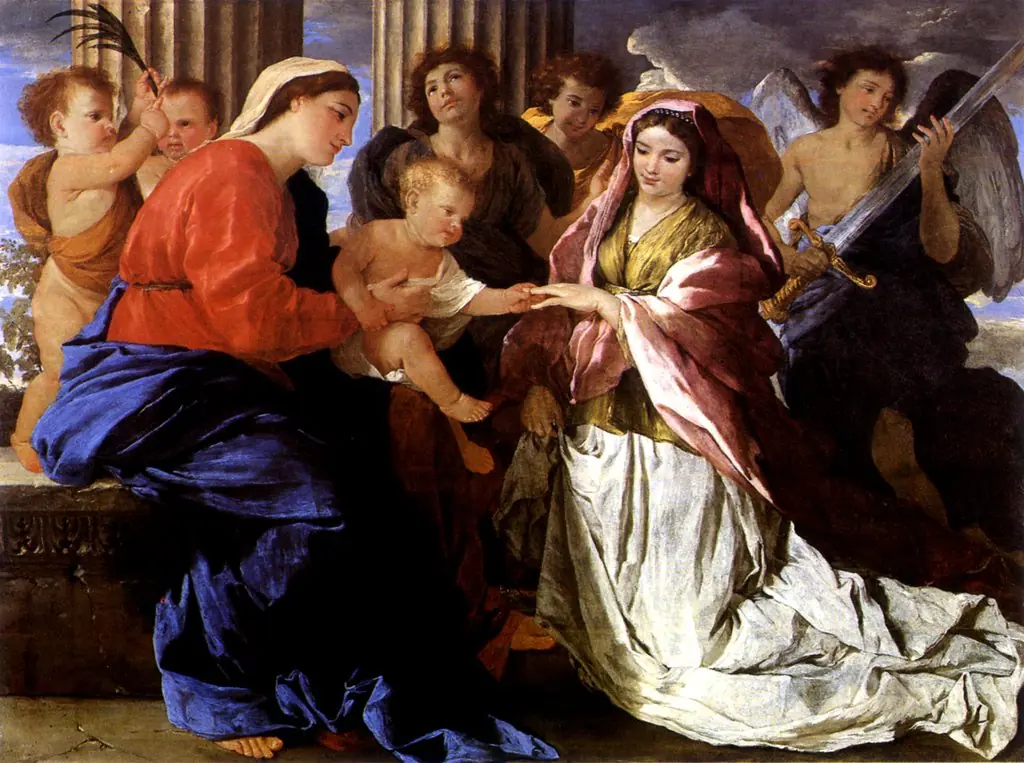 The Mystic Marriage of Saint Catherine
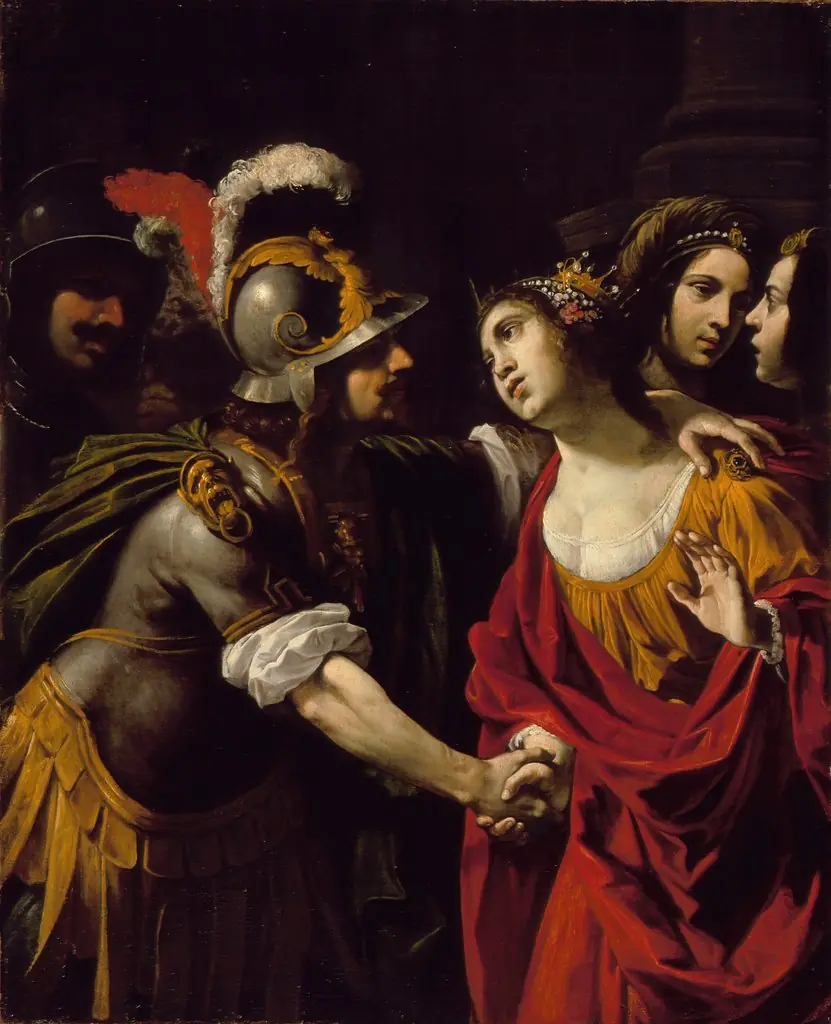 Dido and Aeneas
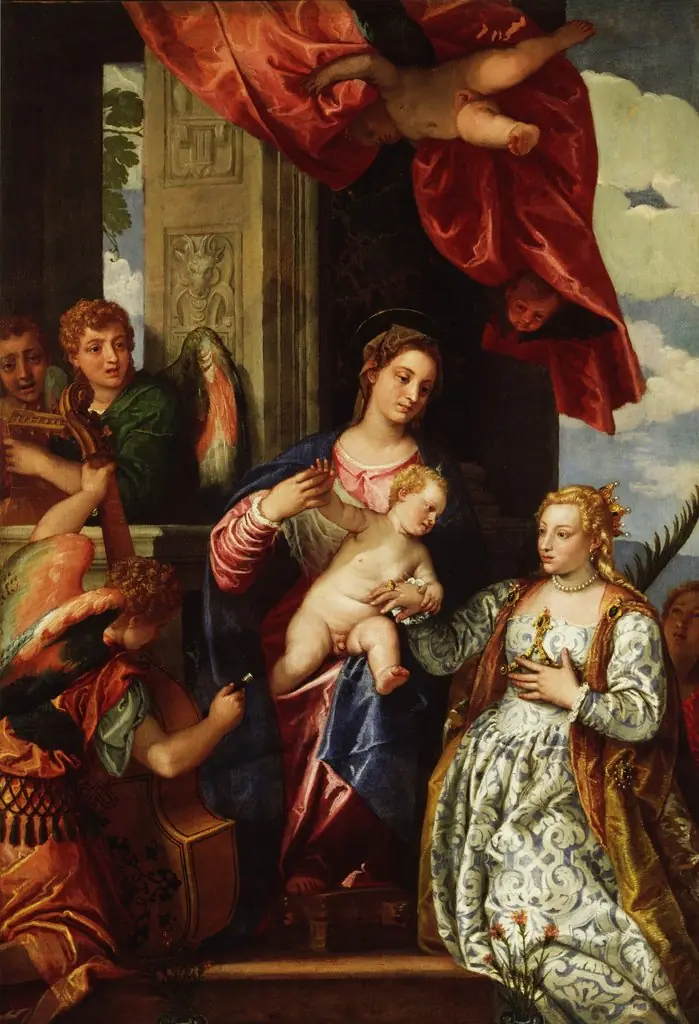 The Mystic Marriage of St. Catherine
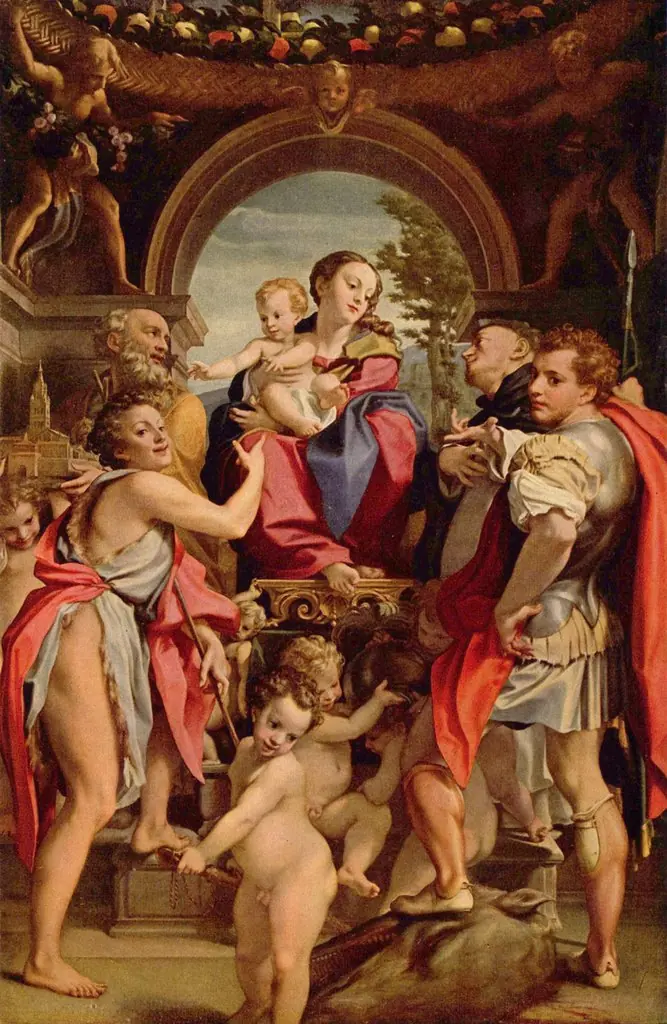 Madonna of Saint George
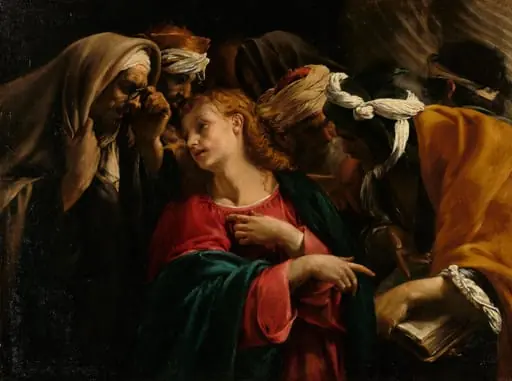 Christ among the Doctors
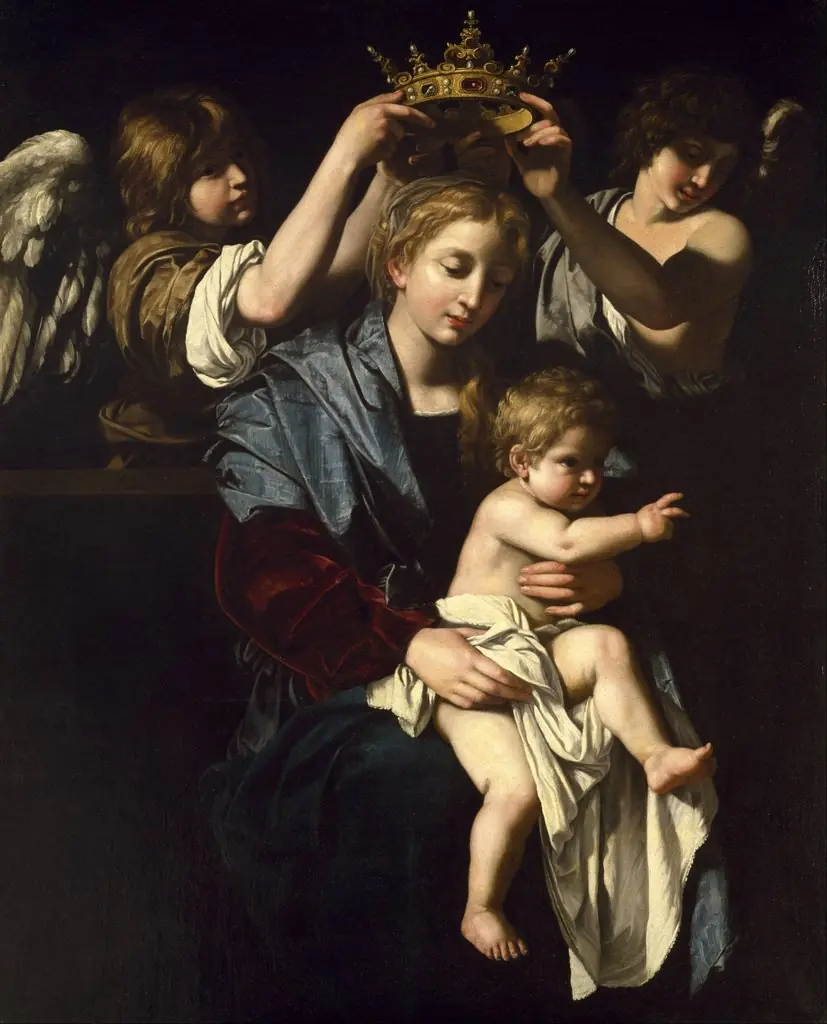 The House of Saints with Saint Catherine
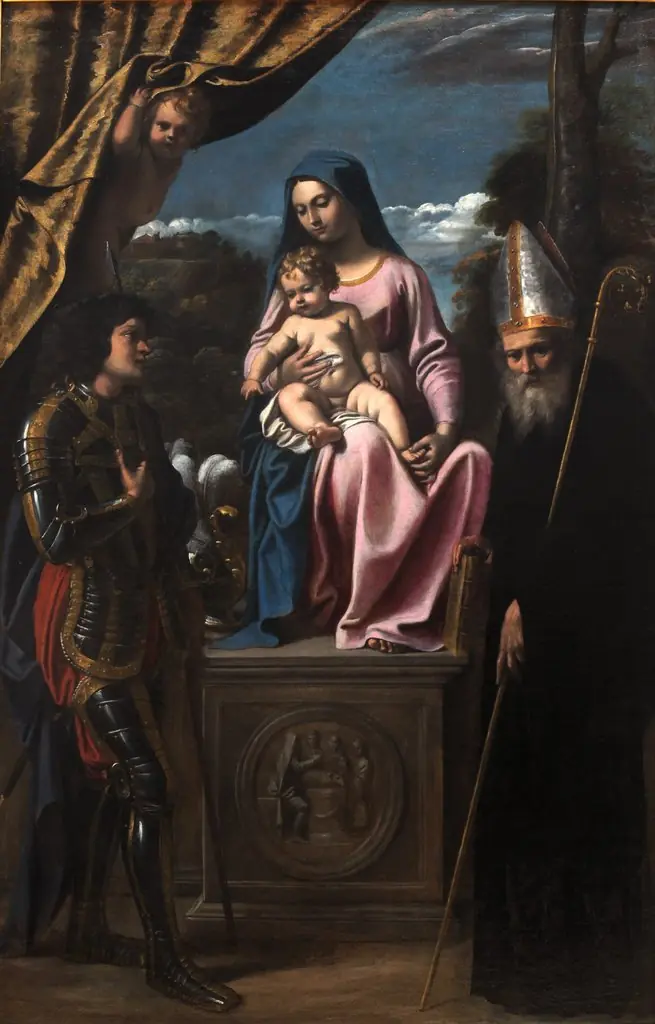 Virgin and Child between St Benedict and St Quentin
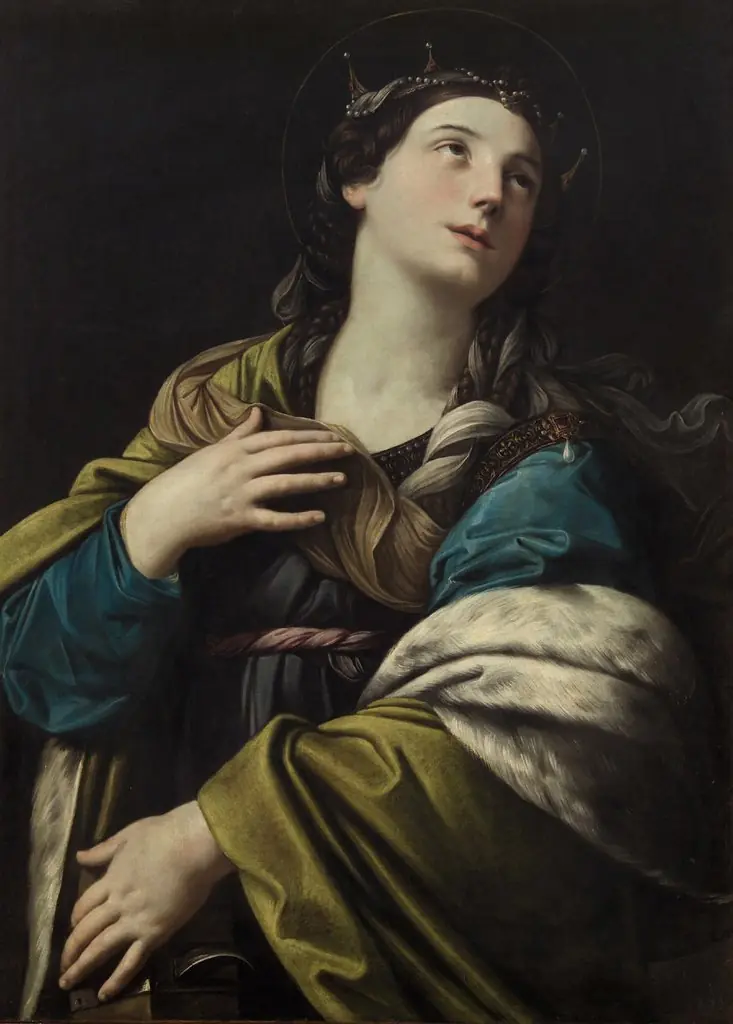 Saint Catherine