Artwork
Angels in Glory
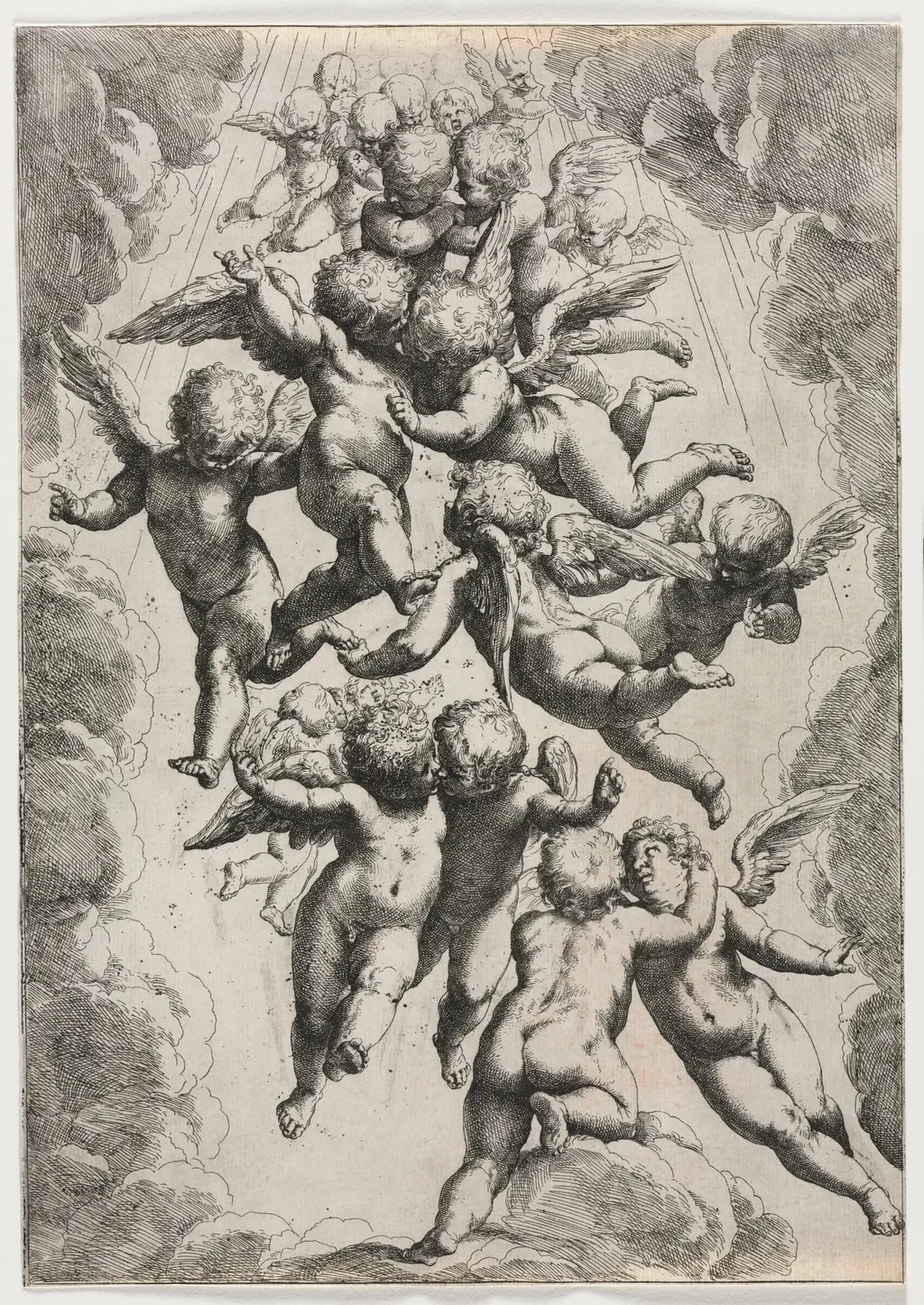
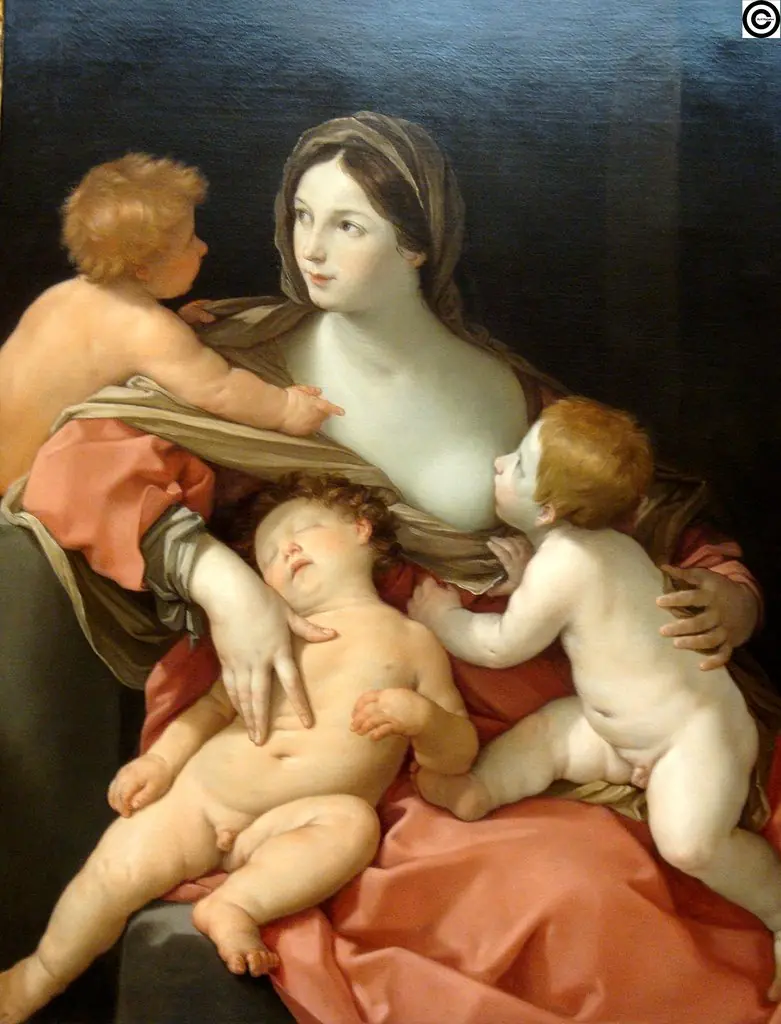
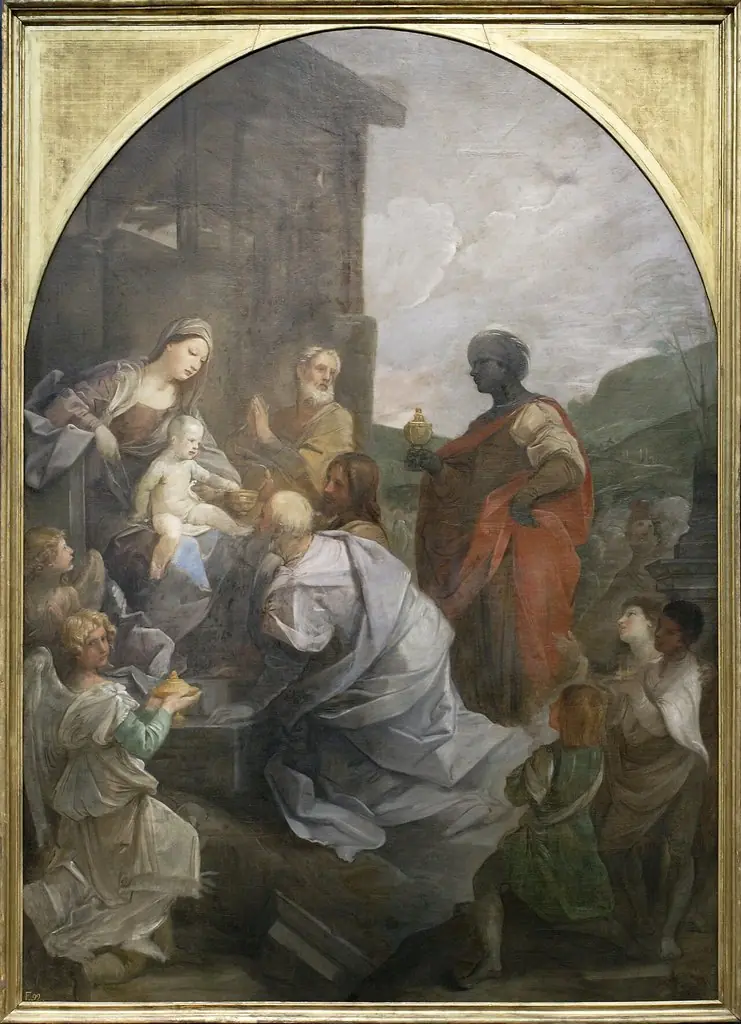
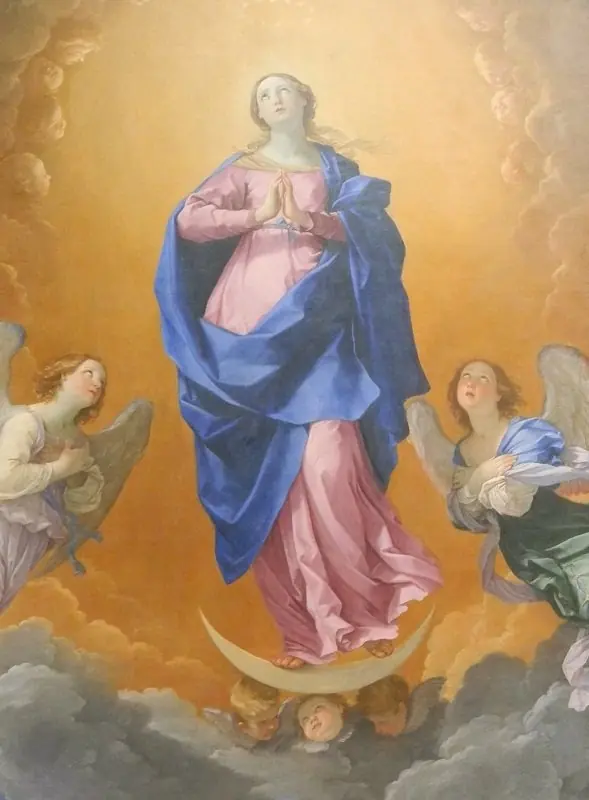
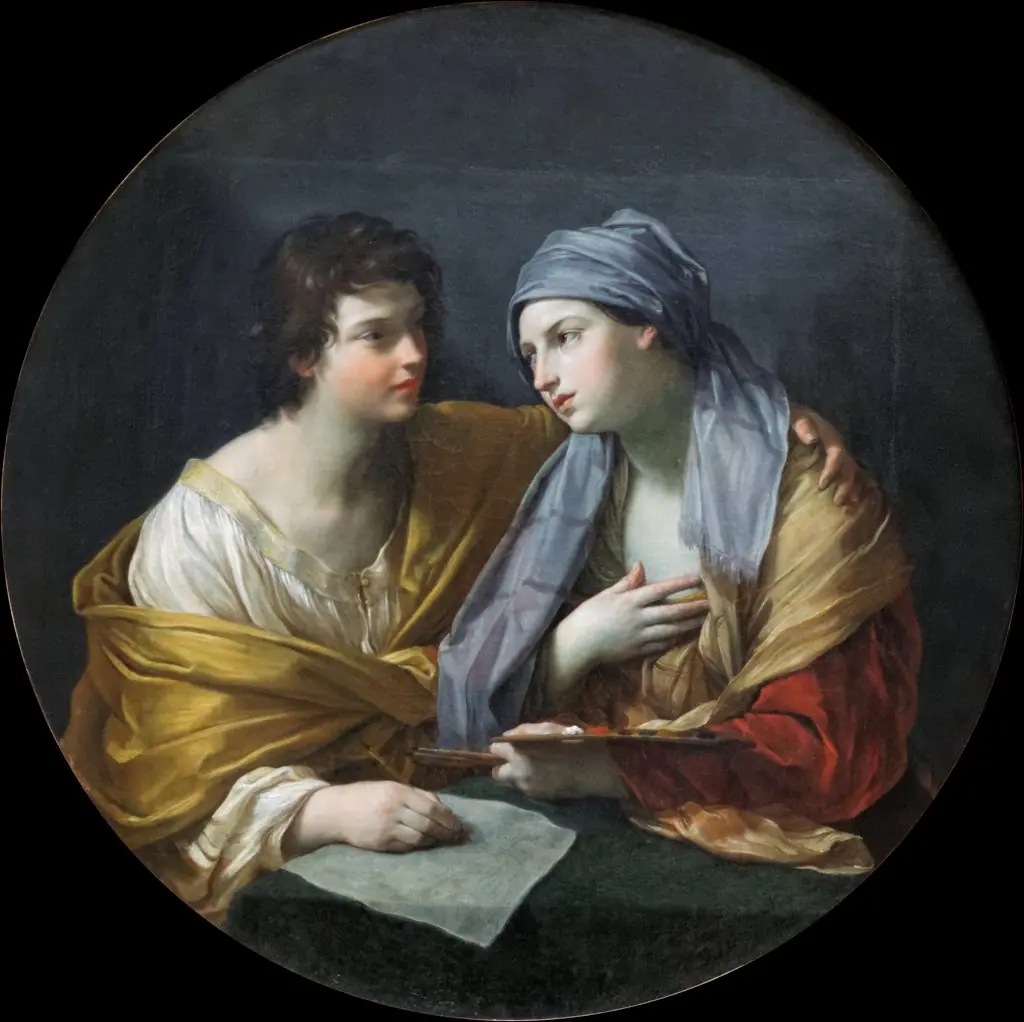
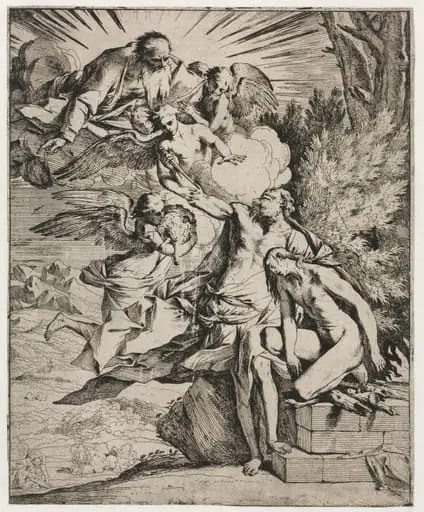
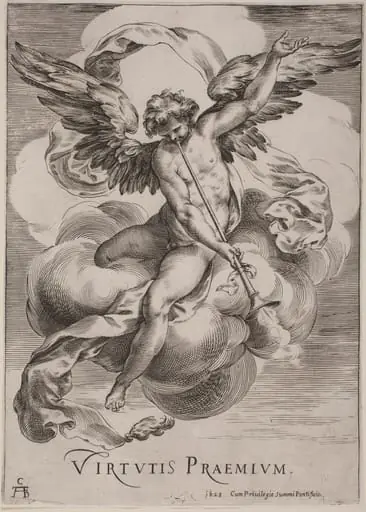
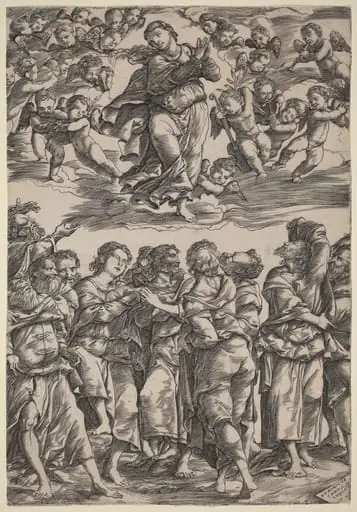
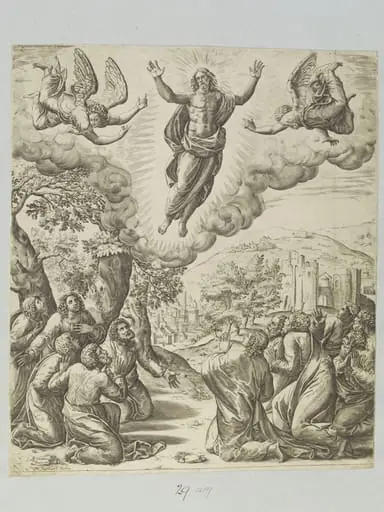
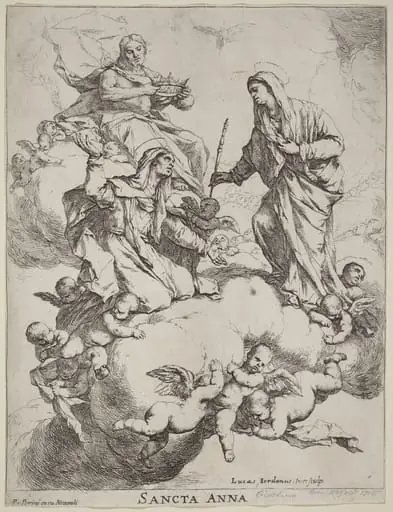
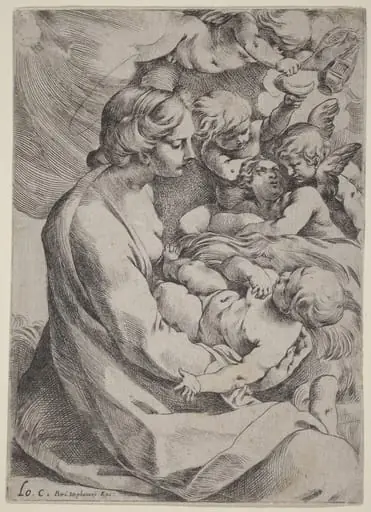
Angels in Glory is a print by the Baroque artist Guido Reni. It dates from 1607 and is held in the collection of the Cleveland Museum of Art.
About this work
Overview
The work reflects Reni’s early engagement with classical ideals and the emerging Baroque sensibility in Italy, balancing emotional warmth with formal clarity.
Angels in Glory, dated around 1607, is a painted panel by the Bolognese artist Guido Reni. It resides in the collection of The Cleveland Museum of Art. The composition centers on a luminous celestial core surrounded by a choir of angels, rendered with restrained movement and quiet dignity. The work reflects Reni’s early engagement with classical ideals and the emerging Baroque sensibility in Italy, balancing emotional warmth with formal clarity.
Subject & Meaning
The scene depicts a heavenly assembly of angels gathered around a radiant source, suggesting divine presence. Their gestures—some with uplifted hands, others as if in song—convey a silent harmony rather than dramatic spectacle. The absence of overt narrative or human figures shifts focus to spiritual serenity, aligning with Counter-Reformation ideals that emphasized contemplative devotion and celestial order as expressions of divine grace.
Technique & Style
Reni employs a soft, diffused palette and subtle gradations of light to model forms, avoiding harsh contrasts. The angels’ faces and drapery are rendered with delicate transitions, hinting at sfumato influences from Leonardo da Vinci. Brushwork remains controlled, prioritizing clarity and grace over theatricality. This refined approach distinguishes the work from the more dynamic styles of contemporaries, reflecting Reni’s preference for lyrical restraint.
History & Provenance
Created during Reni’s formative years in Bologna, the painting likely originated as a devotional piece for a private or ecclesiastical setting. It entered the Cleveland Museum of Art’s collection in the 20th century, following a documented lineage through European private holdings. Its preservation in good condition allows for clear study of Reni’s early technique before his later, more monumental works.
Context
Painted during a period of artistic transition in Italy, Angels in Glory responds to the tensions between Mannerist complexity and emerging Baroque energy. While Rome and Naples embraced theatricality, Bologna’s artistic circle, including the Carracci, favored balanced composition and emotional restraint. Reni’s work reflects this regional preference, aligning with efforts to renew religious imagery through clarity and calm rather than spectacle.
Legacy
The painting exemplifies Reni’s enduring influence on sacred imagery in early 17th-century Europe. Its quiet intensity informed later devotional works across Italy and beyond, particularly in regions favoring serene spirituality over dramatic intensity. Though less widely known than his large altarpieces, this smaller panel remains a key example of his ability to convey transcendence through subtlety and refined technique.
Own this work as a print
Artist & collection
Artist
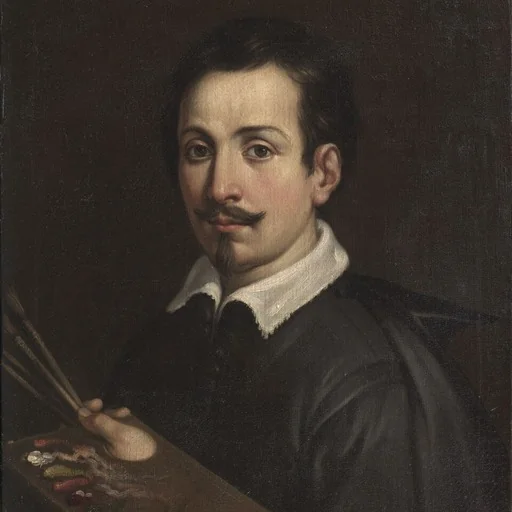
Guido Reni was an Italian Baroque painter, although his works showed a classical manner, similar to Simon Vouet, Nicolas Poussin, and Philippe de Champaigne.