Artwork
The Assumption of the Virgin
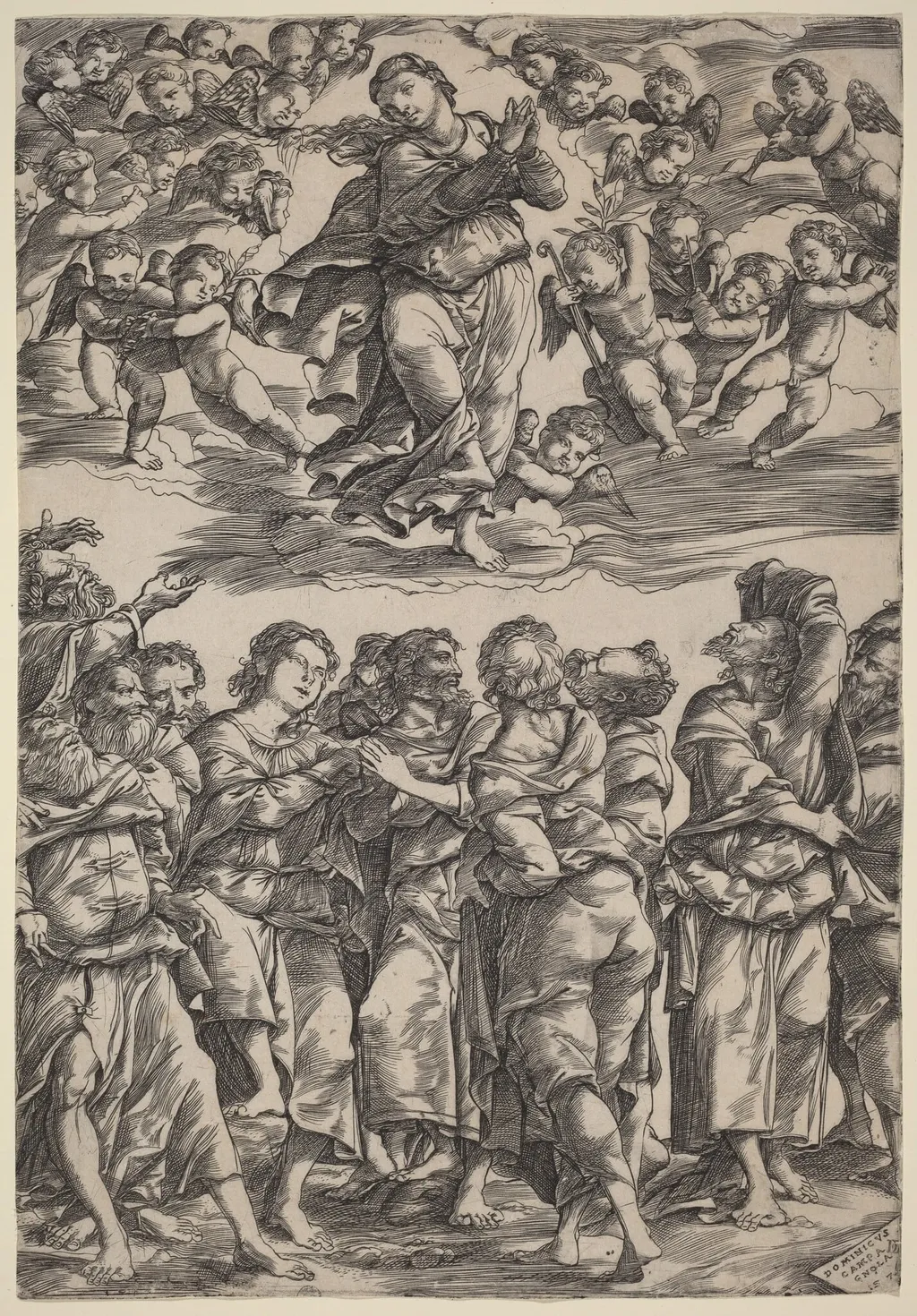
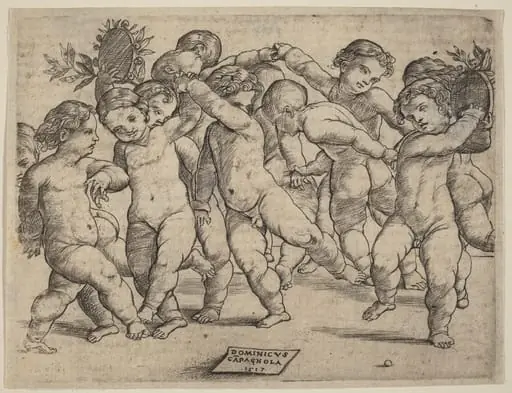
The Assumption of the Virgin is an ink print by the Renaissance artist Domenico Campagnola. It dates from 1517 and is held in the collection of the National Gallery of Art.
About this work
Overview
Domenico Campagnola’s 1517 engraving titled *The Assumption of the Virgin* presents a two‑part composition. The upper register shows the Virgin Mary rising on a cloud, surrounded by a host of cherubic figures, while the lower register depicts a gathering of onlookers in simple attire, their gazes directed upward toward the celestial event.
Subject & Meaning
The work visualizes the theological narrative of Mary’s bodily ascent to heaven, a motif common in late medieval and Renaissance devotion. The contrast between the divine realm, populated by animated angels playing instruments, and the earthly crowd emphasizes the miraculous nature of the event and invites contemplation of the boundary between heaven and earth.
Technique & Style
Executed as a copper engraving, the image relies on fine line work to convey texture and movement. Campagnola employs hatching and cross‑hatching to model the flowing robes, the billowing cloud, and the delicate wings of the cherubs, creating a sense of depth and dynamism characteristic of early 16th‑century Italian printmaking.
History & Provenance
Created in 1517, the print reflects Campagnola’s activity in the Venetian artistic circle, where he was known for disseminating designs through prints. While specific ownership records are scarce, the engraving survives in several museum collections, attesting to its circulation among collectors of Renaissance graphic art during the centuries following its production.
Artist & collection


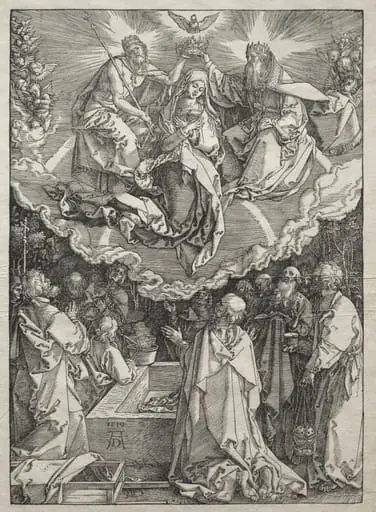 Life of the Virgin: Assumption of the Virgin
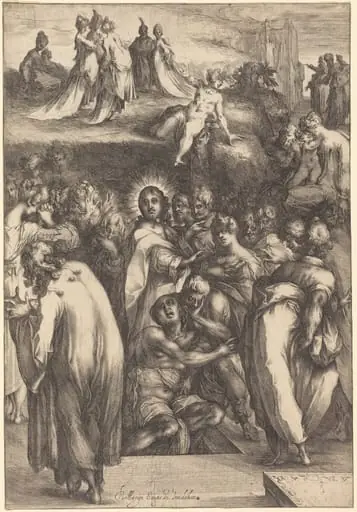 The Raising of Lazarus
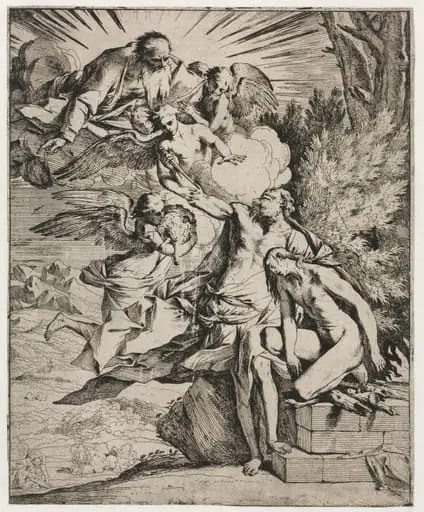 The Sacrifice of Abraham
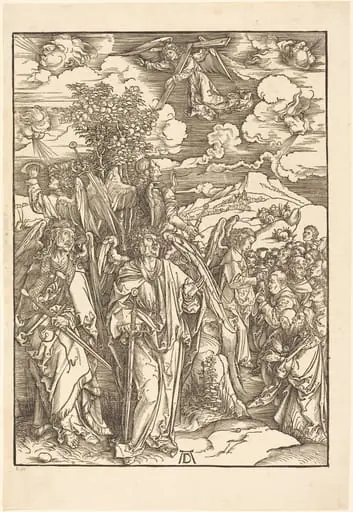 The Four Angels Holding the Winds
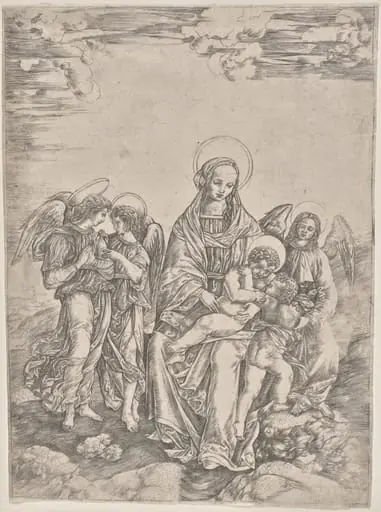 Virgin and Child with the Infant Saint John
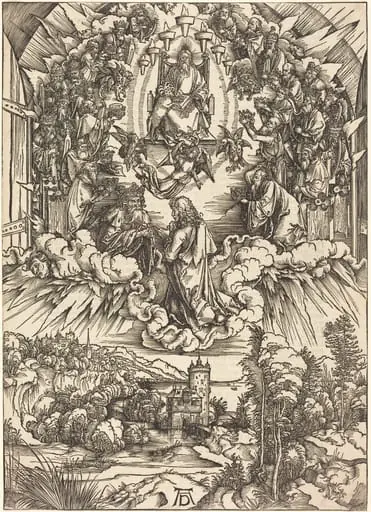 Saint John before God and the Elders
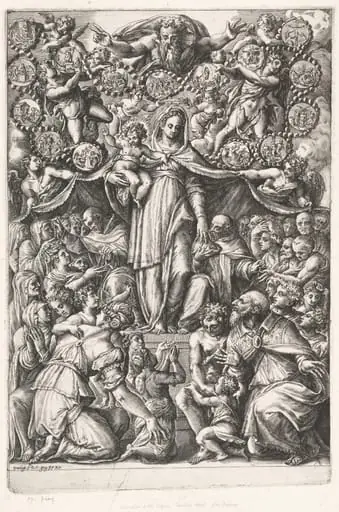 The Virgin of the Rosary with Saint Dominic and a Monk
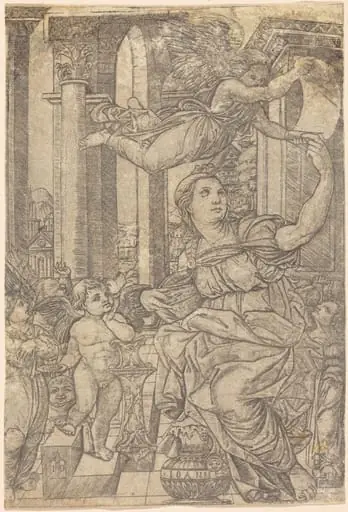 The Cumaean Sibyl
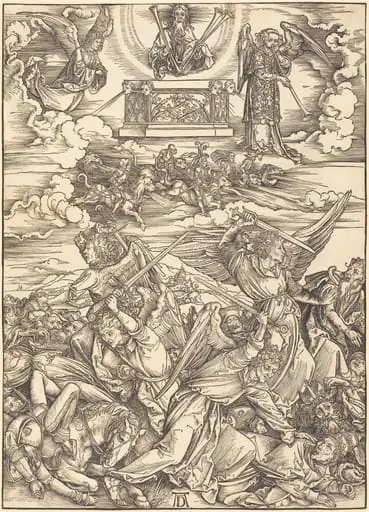 The Four Avenging Angels
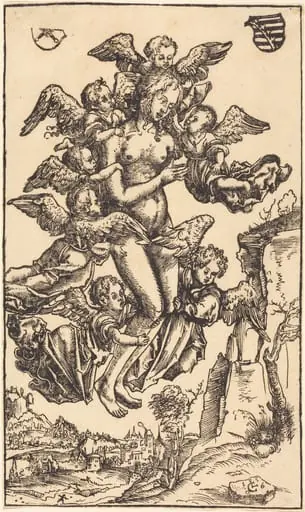 The Ecstasy of Saint Mary Magdalene