Artwork
Hl. Hieronymus
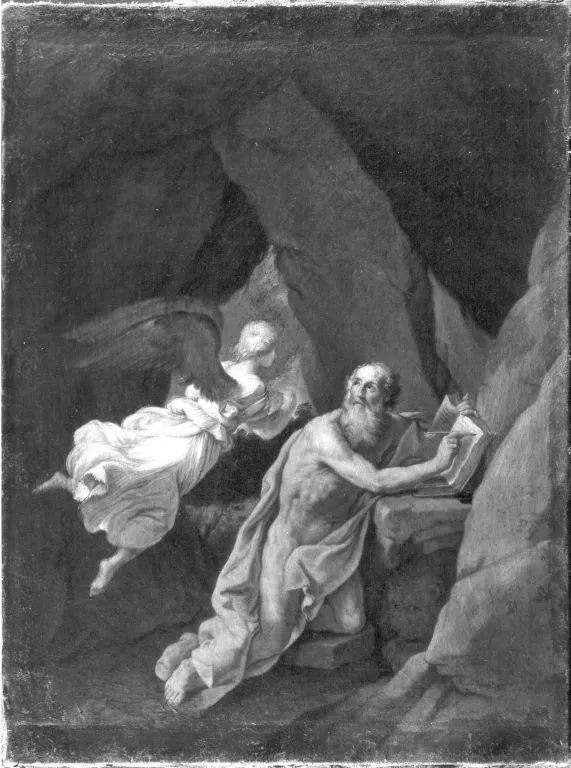
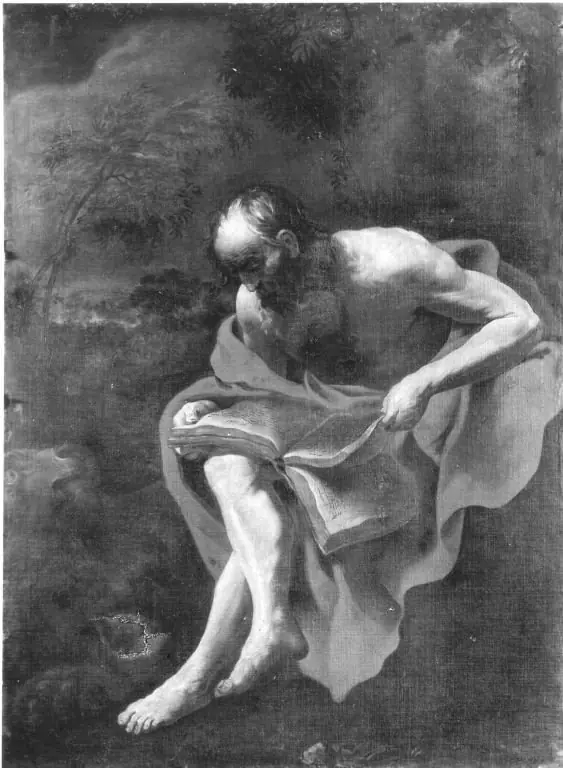
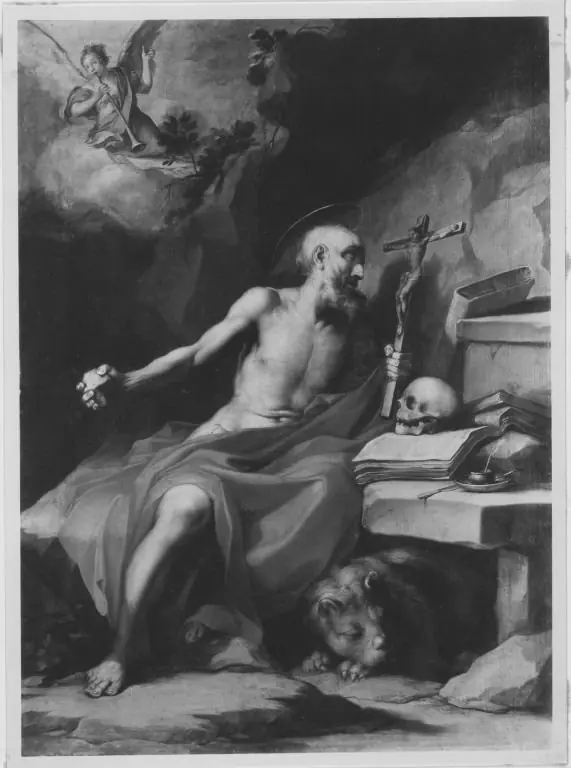
Hl. Hieronymus is an unspecified painting by the Early Baroque Italian artist Guido Reni. It dates from 1608 and is held in the collection of the Bavarian State Painting Collections.
About this work
Overview
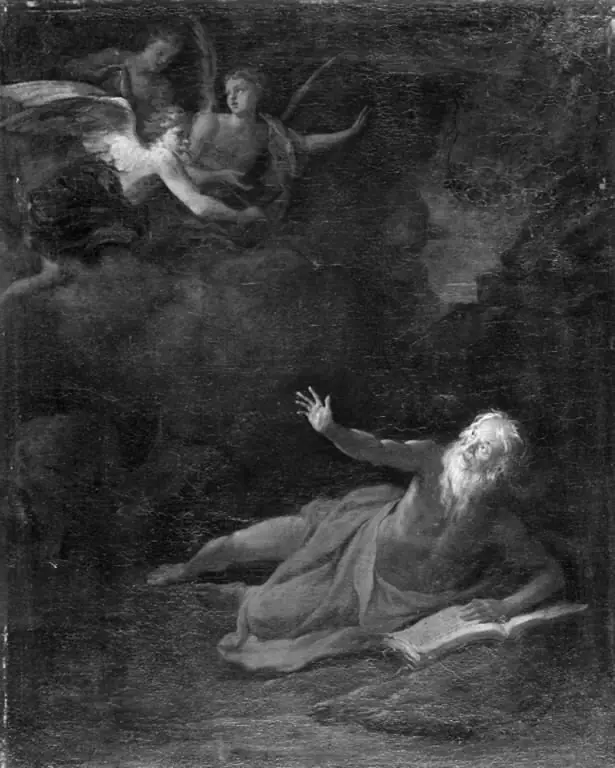
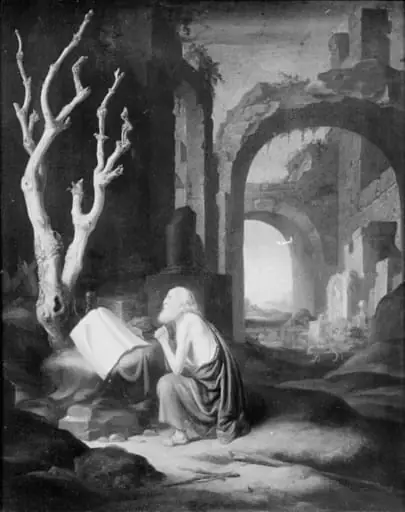
Guido Reni’s 1608 oil painting presents Saint Jerome in a dimly lit cavern. The saint, bearded and absorbed in writing, is illuminated against rugged stone, while a winged angel hovers nearby, also bathed in the same focused light. The composition is dominated by the contrast between bright figures and surrounding darkness.
Subject & Meaning
The work portrays the biblical scholar Jerome, traditionally shown translating the Scriptures. The presence of the angel suggests divine assistance in his scholarly labor, emphasizing the intertwining of human effort and heavenly guidance in the creation of sacred texts.
Technique & Style
Reni employs chiaroscuro to heighten the drama, using stark illumination to separate the saint and the angel from the shadowy environment. The soft modeling of drapery and the delicate rendering of the angel’s wings reveal the artist’s mastery of Baroque light effects and anatomical precision.
History & Provenance
Completed in 1608, the painting entered the collection of the Alte Pinakothek in Munich, where it remains on display. Its acquisition reflects the museum’s focus on significant Italian Baroque works and contributes to the broader representation of Reni’s religious oeuvre.
Context
Created during the Counter‑Reformation, the image aligns with contemporary calls for clear, emotionally resonant religious art. By depicting Jerome’s scholarly devotion under divine illumination, Reni provides a visual model of piety intended to inspire contemplation among viewers.
Artist & collection
Artist
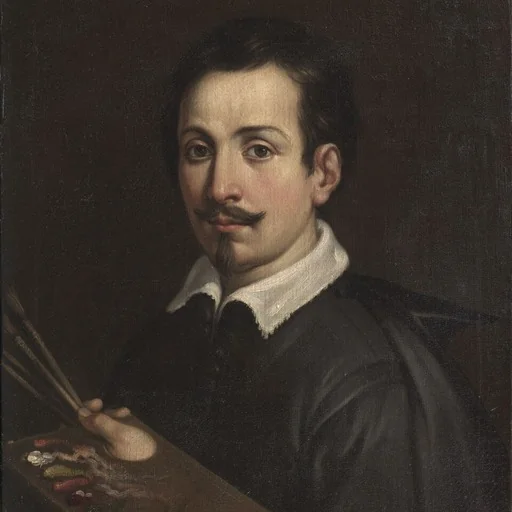
Guido Reni was an Italian Baroque painter, although his works showed a classical manner, similar to Simon Vouet, Nicolas Poussin, and Philippe de Champaigne.