Artwork
The hermits Paul and Antonius in the desert
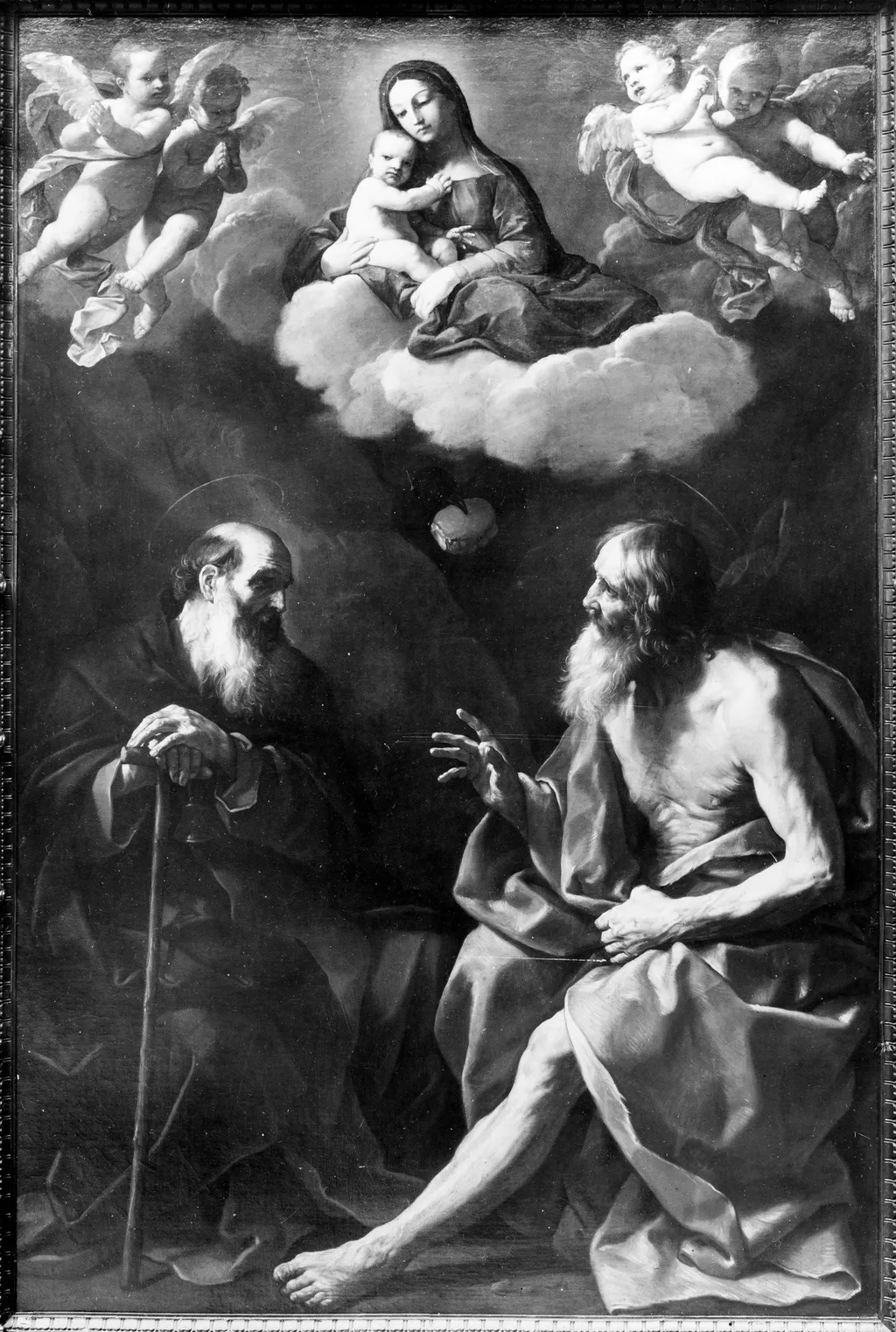
The hermits Paul and Antonius in the desert is a paint painting by the Early Baroque Italian artist Guido Reni. It dates from 1620 and is held in the collection of the Gemäldegalerie Berlin.
About this work
Overview
Guido Reni’s oil painting, dated 1620, portrays the hermits Paul and Antonius seated in a barren landscape. The work is part of the collection of the Gemäldegalerie in Berlin. Rendered in a muted palette, the composition balances a grounded, contemplative foreground with a luminous, otherworldly vision above.
Subject & Meaning
The two cloaked figures, one grasping a staff, occupy a moment of silent meditation, evoking the ascetic lives of the desert saints. Above them, a woman in a dark mantle cradles an infant, surrounded by three cherubic figures, suggesting a divine revelation or heavenly intercession that underscores the painting’s spiritual narrative.
Technique & Style
Reni employs a pronounced chiaroscuro, juxtaposing deep shadows with a focused beam of light that illuminates the central characters. This contrast heightens the sense of mystery and draws attention to the interplay between earthly solitude and celestial presence, characteristic of early Baroque sensibilities.
History & Provenance
Created in the early seventeenth century, the canvas entered the Gemäldegalerie’s holdings in Berlin, where it remains on display. Its provenance traces back to the artist’s workshop, reflecting the period’s demand for devotional images that combined contemplative realism with visionary elements.
Context
The painting aligns with the Counter‑Reformation’s emphasis on vivid religious imagery intended to inspire piety. Reni’s choice of desert hermits, figures associated with withdrawal from the world, resonates with contemporary calls for personal devotion, while the ethereal vision above reflects the era’s fascination with heavenly intercession.
Artist & collection
Artist
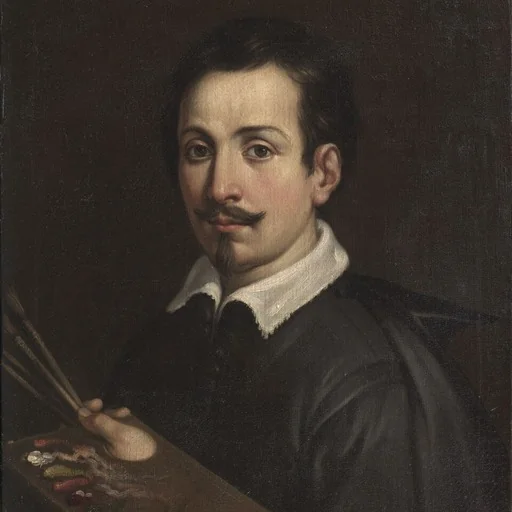
Guido Reni was an Italian Baroque painter, although his works showed a classical manner, similar to Simon Vouet, Nicolas Poussin, and Philippe de Champaigne.

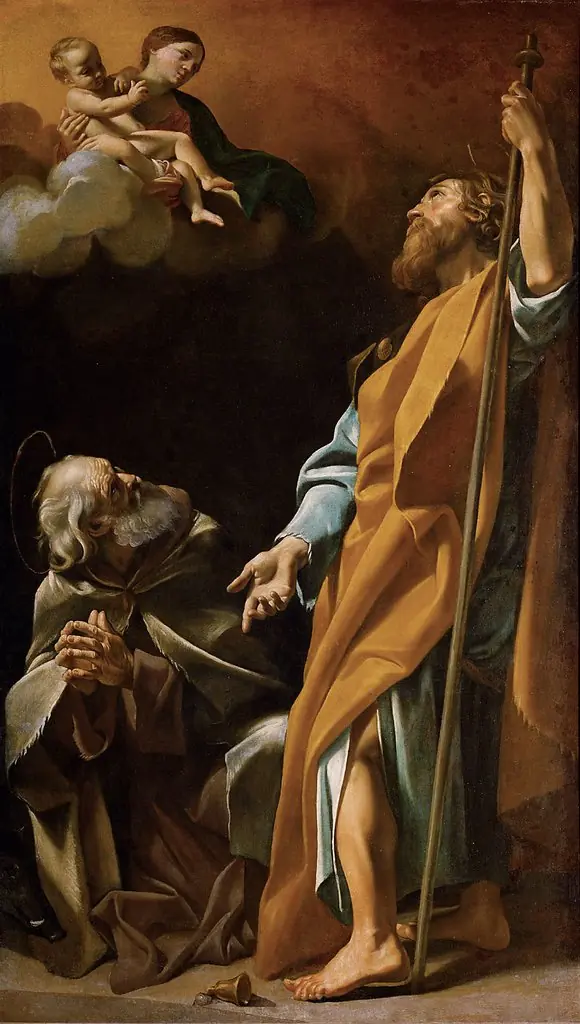 Madonna and Child with Sts Anthony Abbot and James the Greater
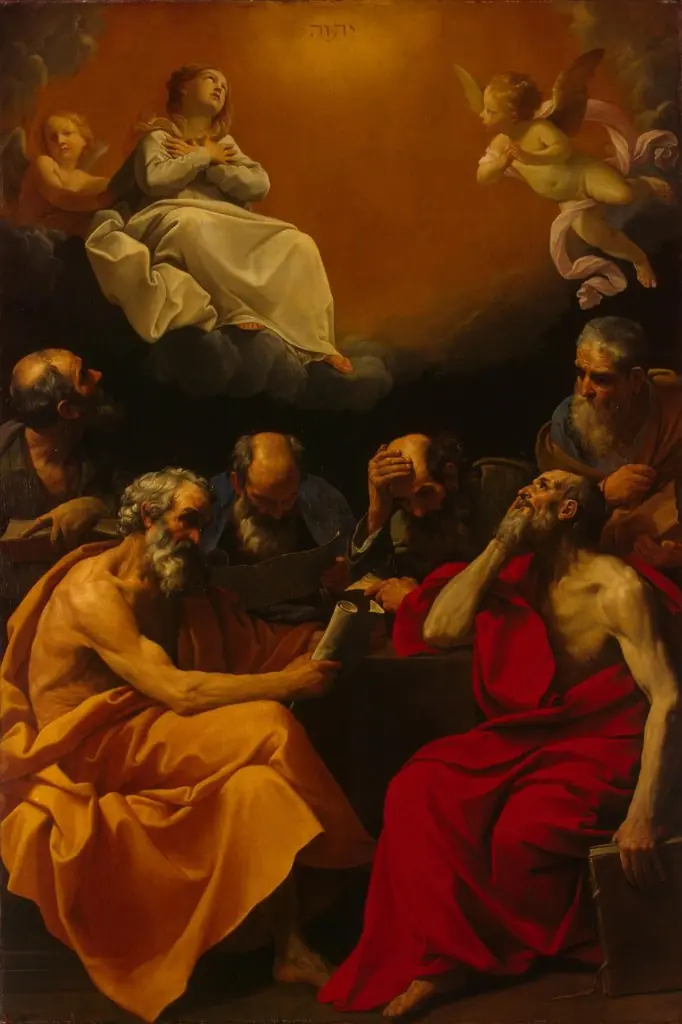 Fathers of the Church Disputing the Dogma of the Immaculate Conception
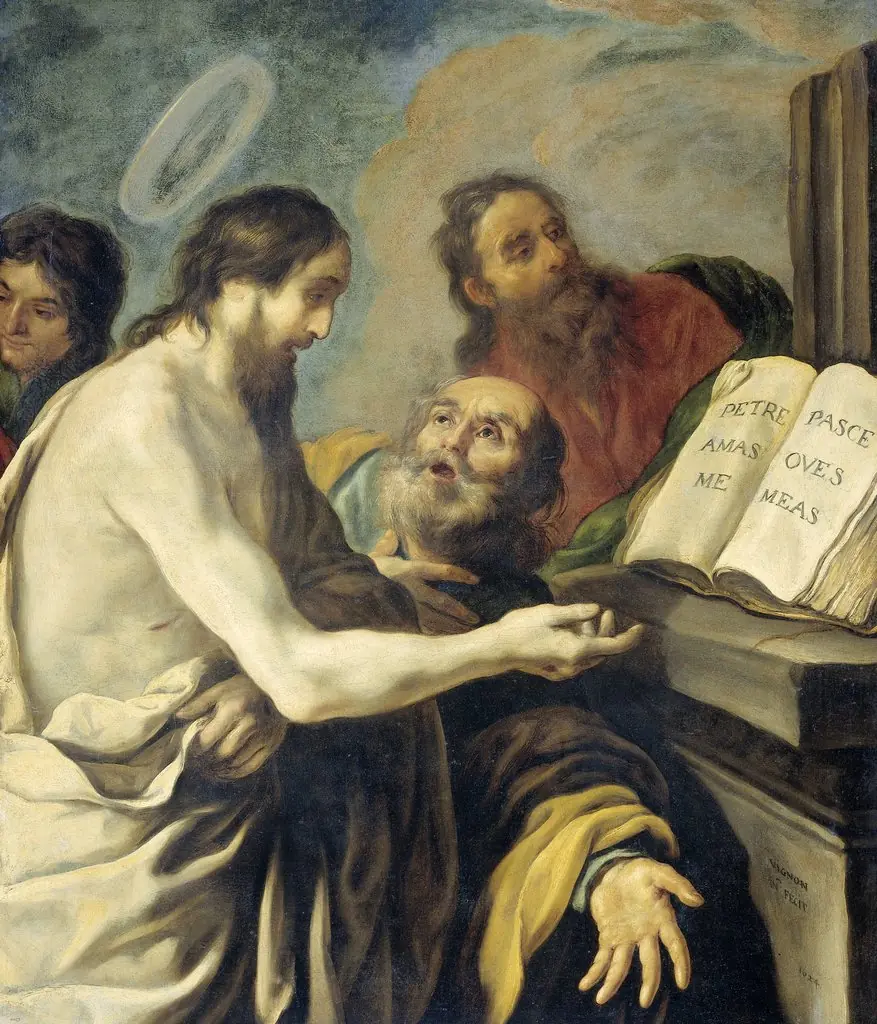 Christ Instructs Peter to Feed My Sheep
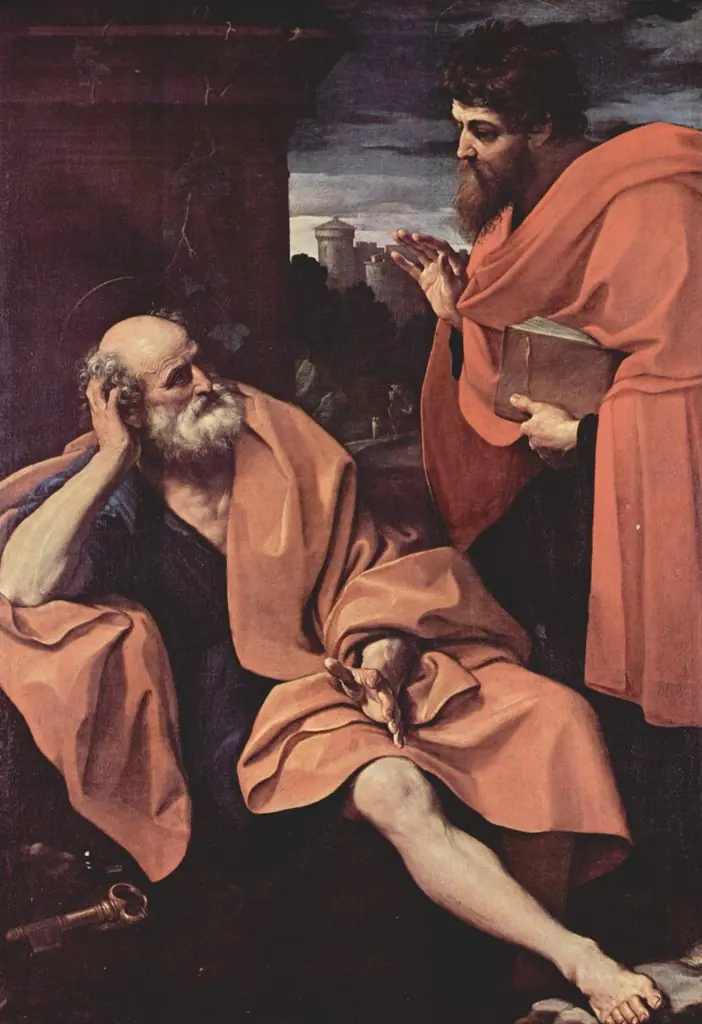 Peter and Paul
 Christ Instructs Peter to Feed My Sheep
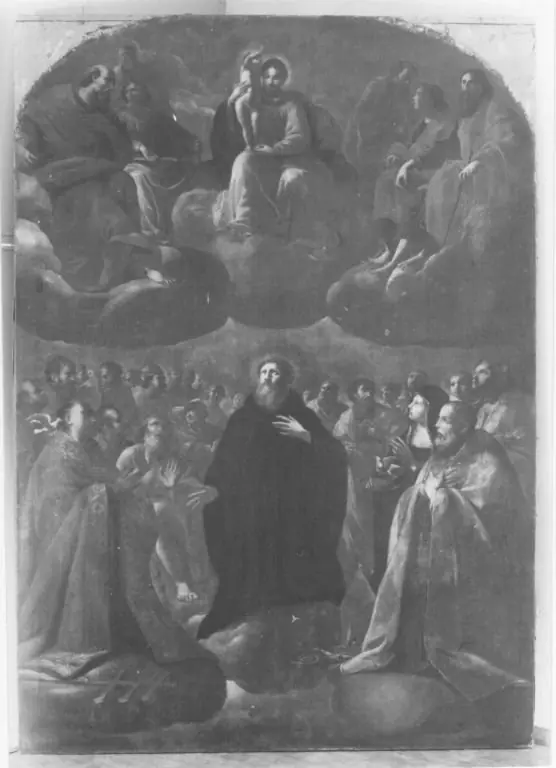 Der hl. Benedikt
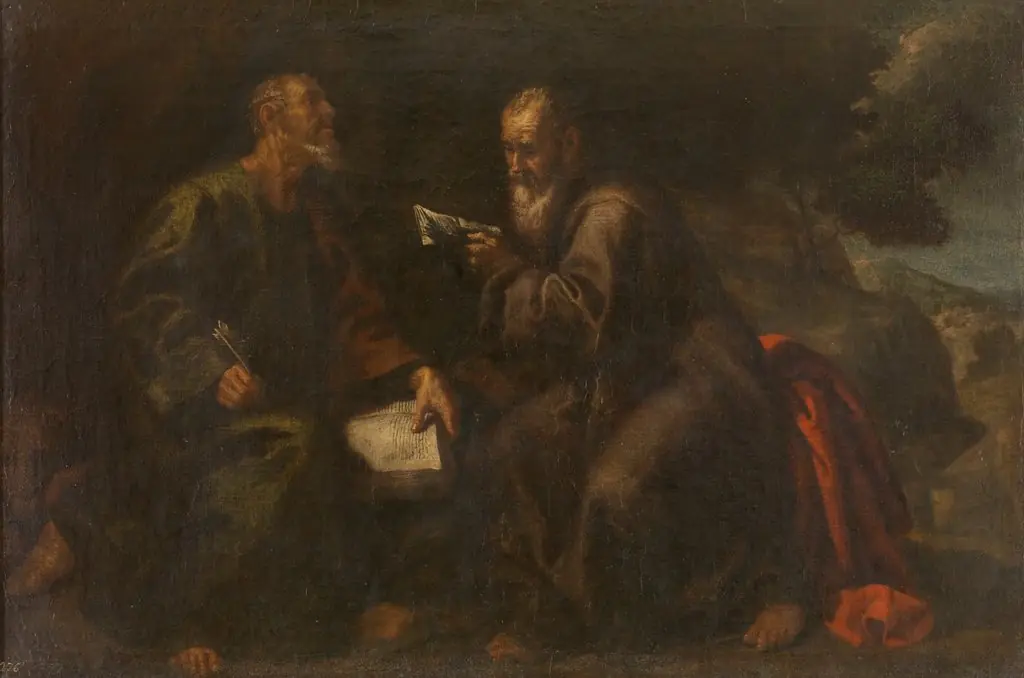 Saint Mark and Saint Luke
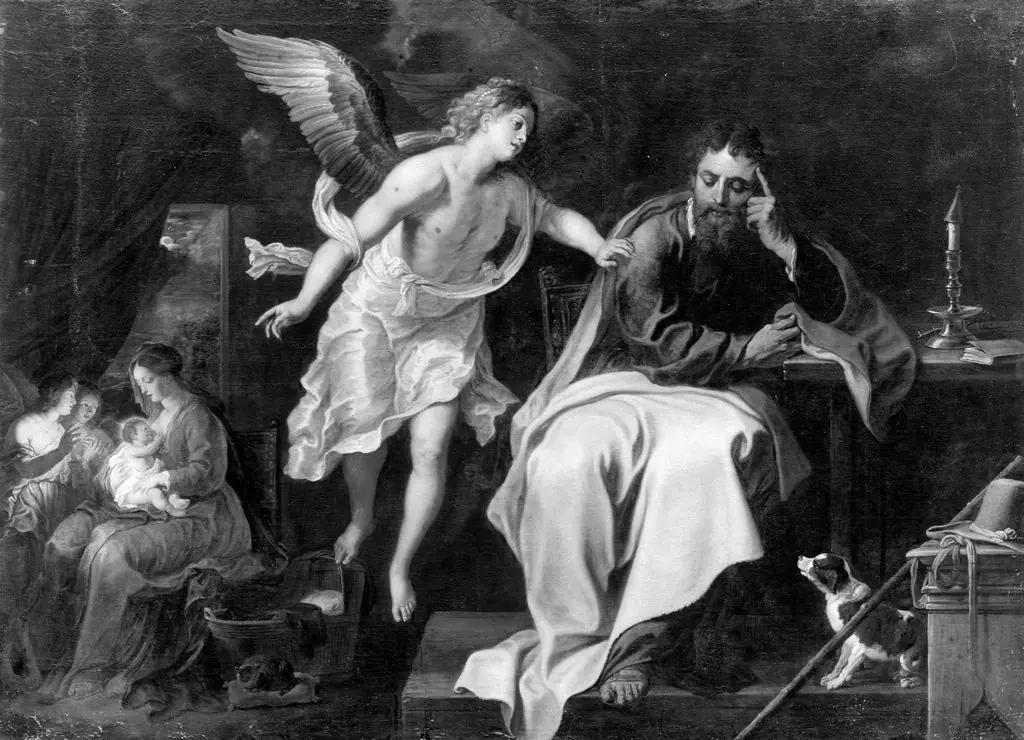 Joseph's dream
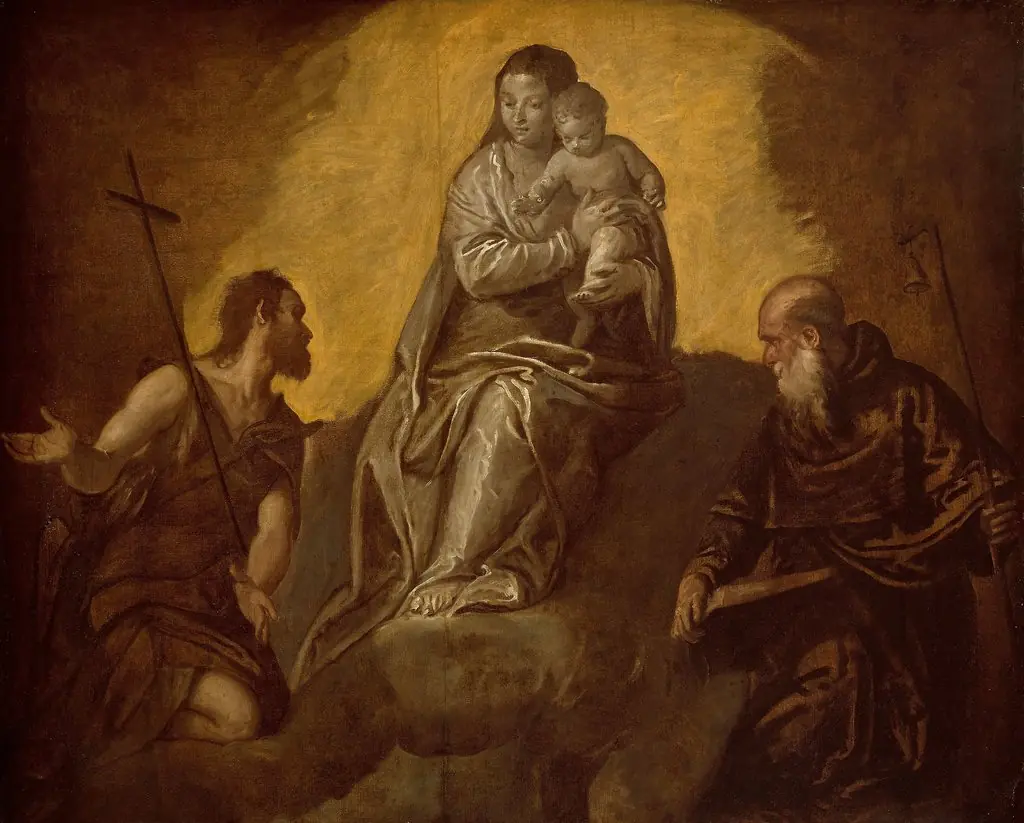 Virgin and Child with Saints John the Baptist and Anthony Abbot
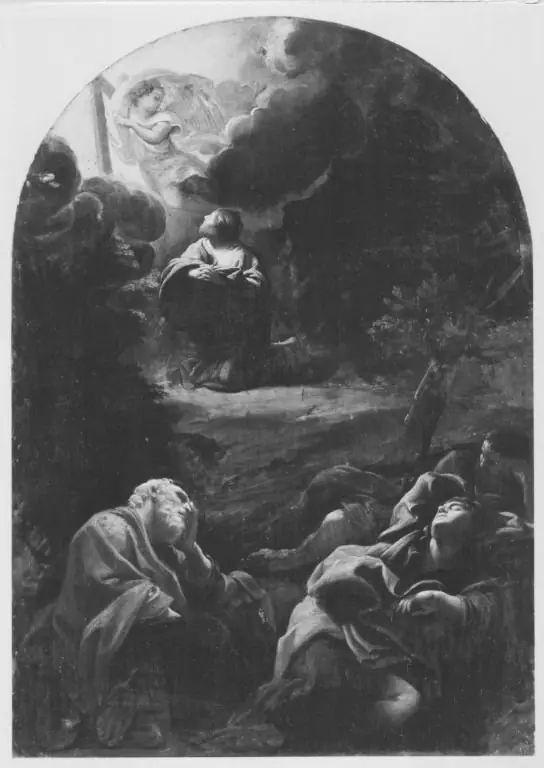 Christus am Ölberg
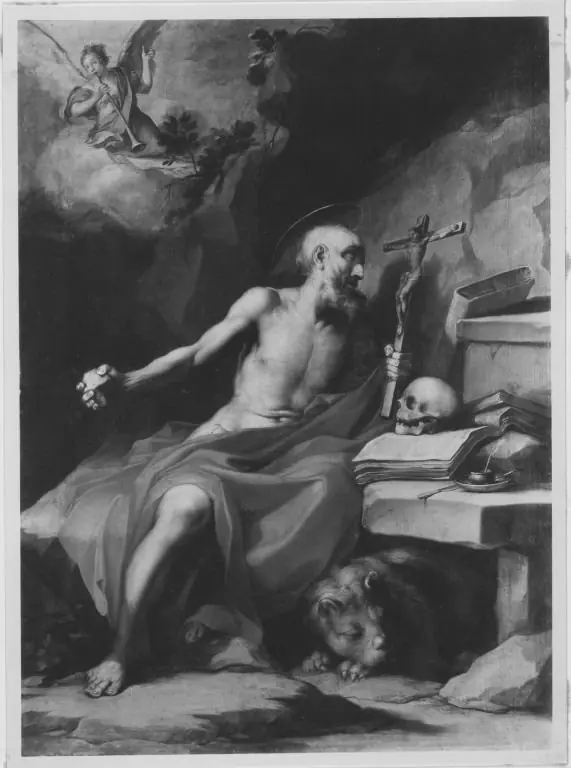 Hl. Hieronymus
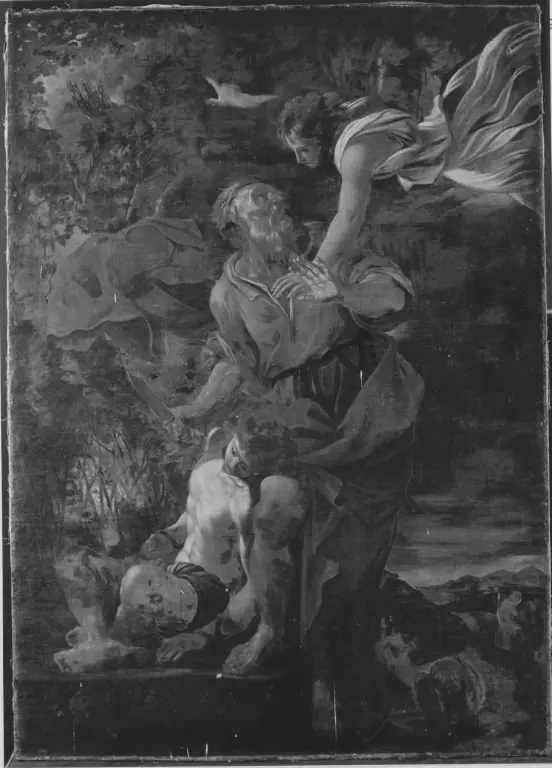 Abrahams Opfer (zugeschrieben)