Artwork
Albin-Reine, baron Roussin, admiral of France
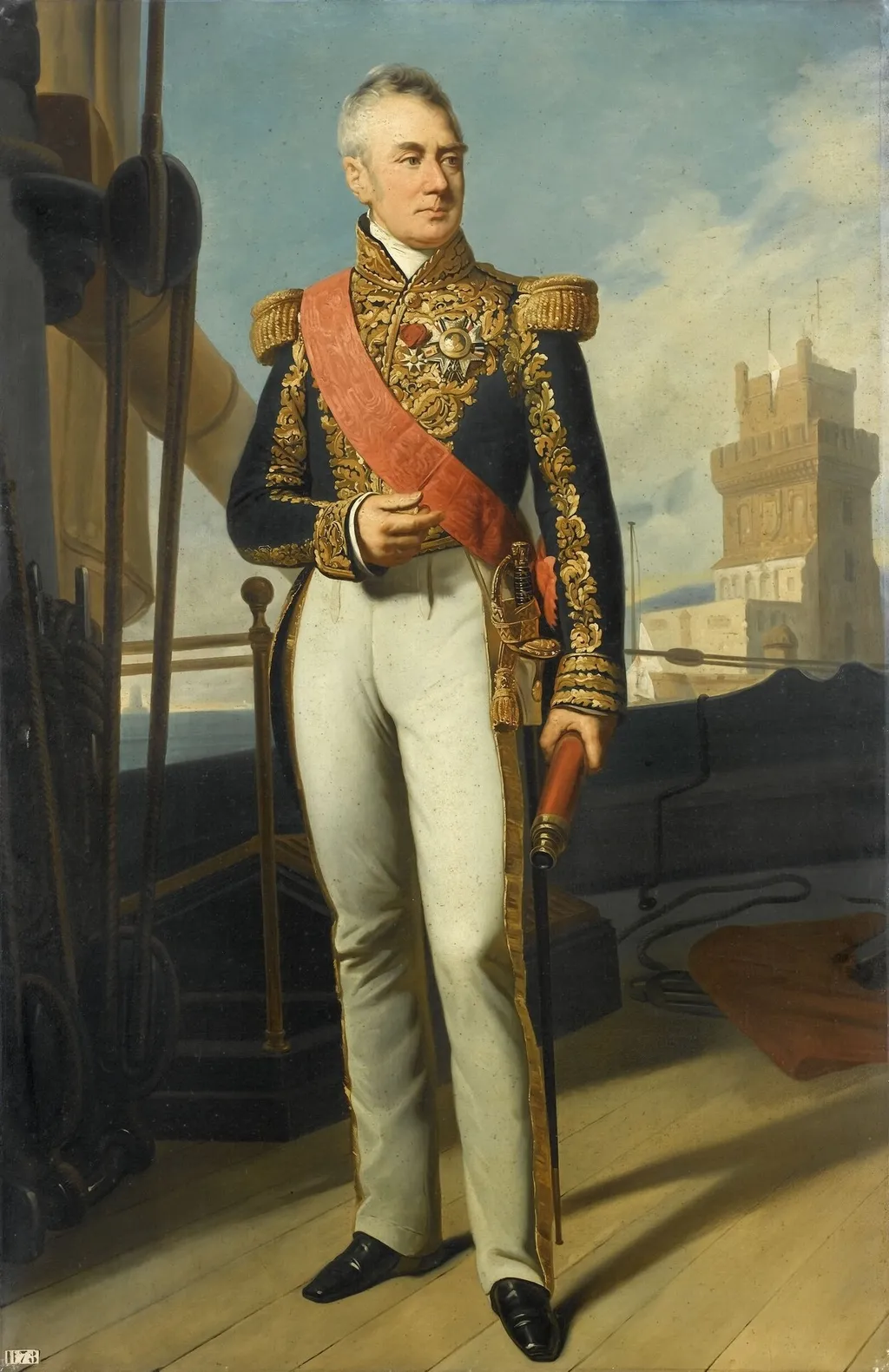
Albin-Reine, baron Roussin, admiral of France is an oil painting by Charles-Philippe Larivière. It dates from 1842 and is held in the collection of the Palace of Versailles.
About this work
Overview
Painted in 1842 by Charles-Philippe Larivière, this oil portrait depicts Albin-Reine, baron Roussin, a senior French naval officer.
Painted in 1842 by Charles-Philippe Larivière, this oil portrait depicts Albin-Reine, baron Roussin, a senior French naval officer. Executed in the academic tradition, the work serves as an official representation of Roussin’s rank and service. It is held in the collection of the Palace of Versailles, where it contributes to the historical documentation of France’s military leadership in the 19th century.
Subject & Meaning
Albin Roussin is portrayed standing on a ship’s deck, dressed in a formal naval uniform with gold embroidery and a red sash, symbols of his status as an admiral and marshal. The sword in his hand underscores his command authority. The setting—open sea and distant architecture—hints at his maritime responsibilities without narrative detail, emphasizing dignity and institutional role over personal narrative.
Technique & Style
Larivière employed precise brushwork and careful tonal modeling to render the textures of fabric, metal, and sky. The uniform’s intricate embroidery and the reflective surfaces of the sword are rendered with academic realism, reflecting the period’s preference for clarity and formal presentation. The background, though simplified, provides spatial depth without distracting from the central figure.
History & Provenance
Commissioned during Roussin’s lifetime, the portrait entered the Palace of Versailles collection shortly after its completion. As a state-sponsored work, it was likely intended to honor Roussin’s service and reinforce the prestige of the French navy. Its preservation in Versailles aligns with the monarchy’s practice of documenting military elites within royal residences.
Context
Created during the July Monarchy, the portrait reflects a period when France sought to legitimize its naval power through visual culture. Larivière, known for historical and military subjects, was part of a broader effort to portray state figures with gravitas. The painting’s formality echoes contemporary European traditions of official portraiture, particularly in naval and aristocratic circles.
Legacy
The portrait remains a documented example of 19th-century French military portraiture, valued for its historical accuracy and adherence to academic conventions. While not widely exhibited outside Versailles, it continues to serve as a reference for understanding the visual language of naval authority during the early industrial era.
Artist & collection
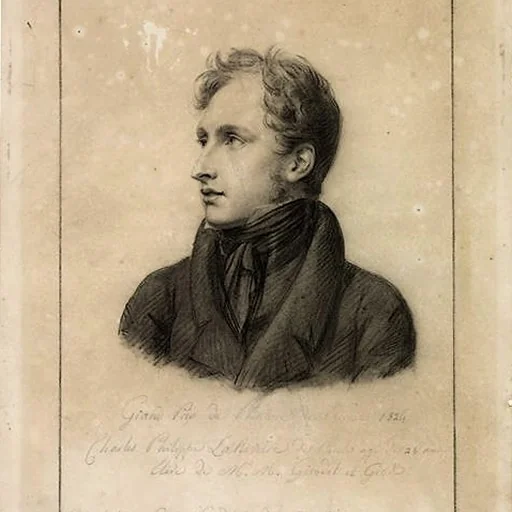
Artist
Charles-Philippe Larivière (28 September 1798 in Paris – 29 February 1876 in Paris) was a French academic painter and lithographer.

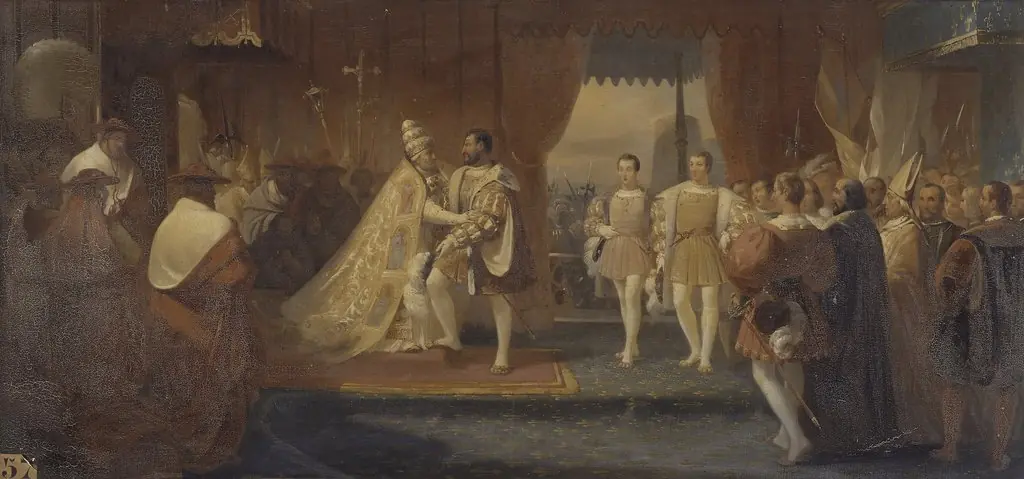 Meeting of Francis I and Pope Clement VII in Marseilles on 13 October 1533
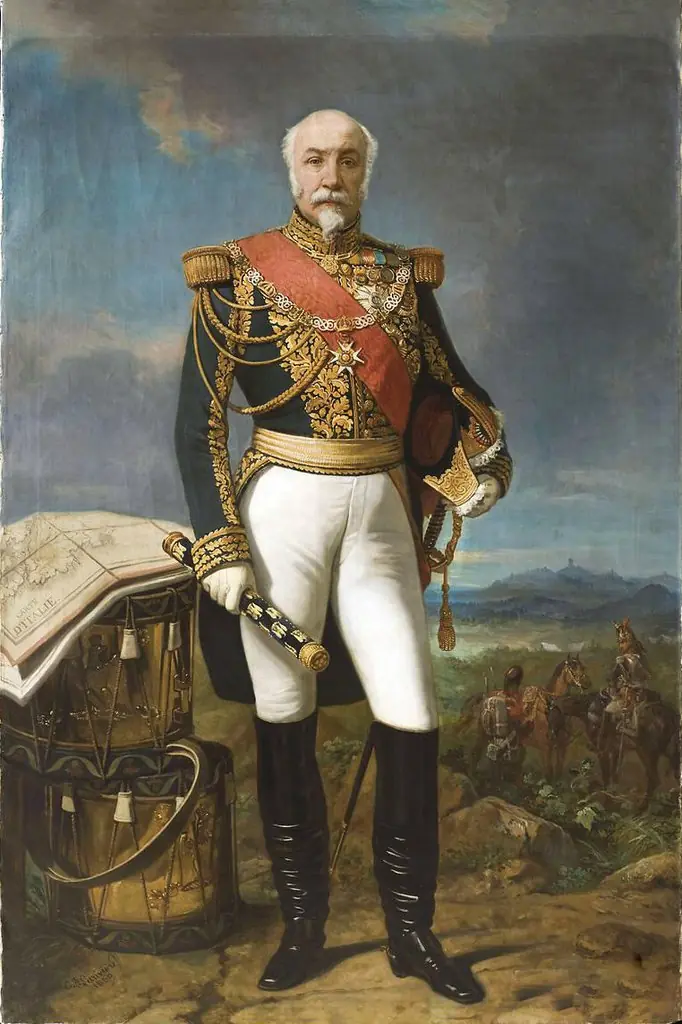 Auguste-Etienne Regnaud de Saint-Jean d'Angély, maréchal de France
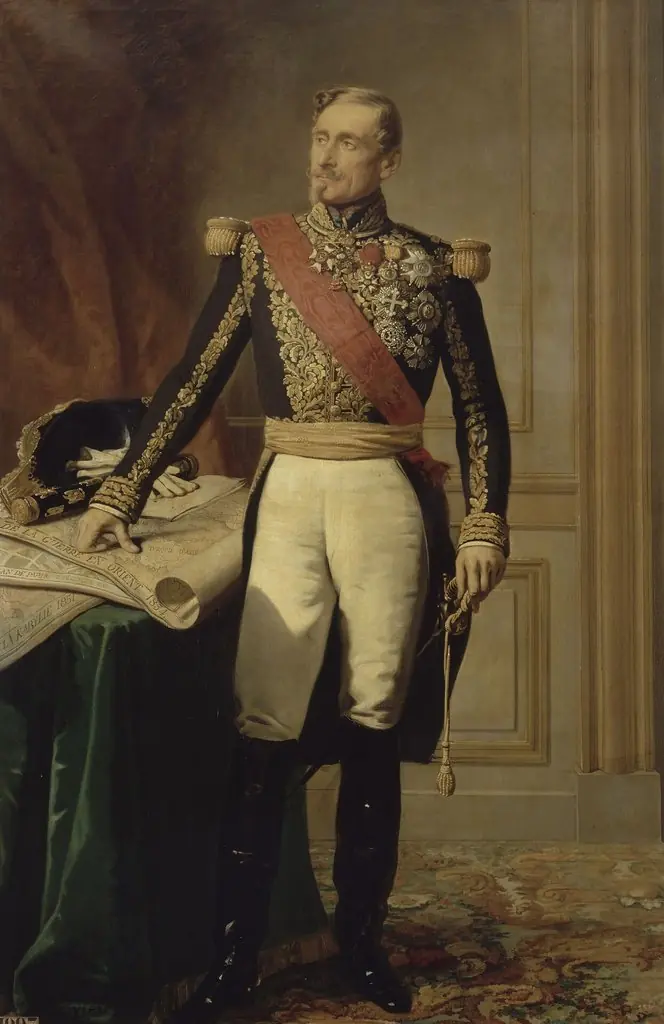 Armand-Jacques Leroy de Saint-Arnaud, Marshal of France
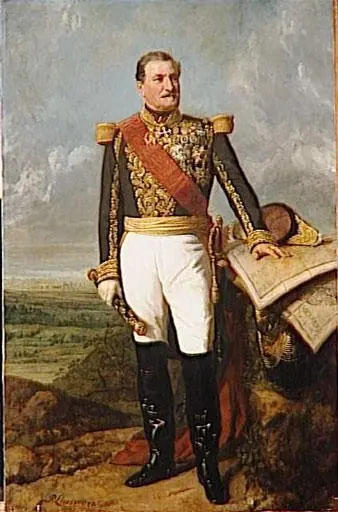 Elie-Frédéric Forey, Marshal
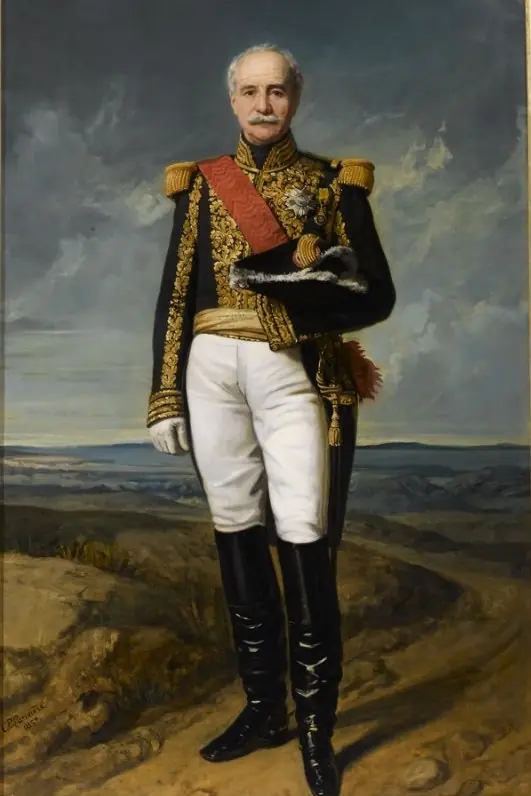 Achille, Marshal-Count Baraguey d'Hilliers
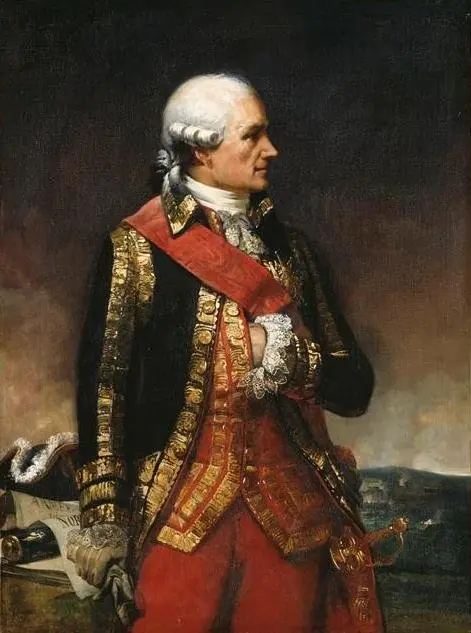 Jean-Baptiste-Donatien de Vimeur, comte de Rochambeau, maréchal de France (1725-1807)
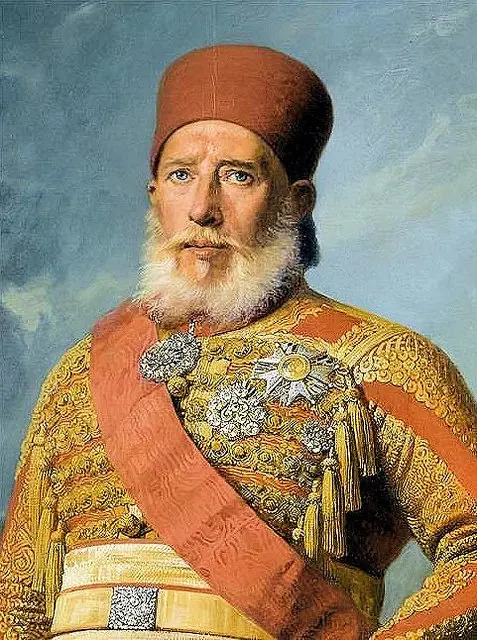 Portrait of Ibrahim Pasha of Egypt (1789–1848)
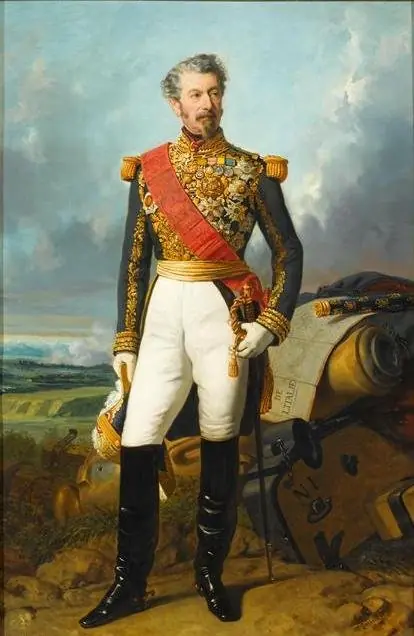 Adolphe Niel, maréchal de France (1802-1869)
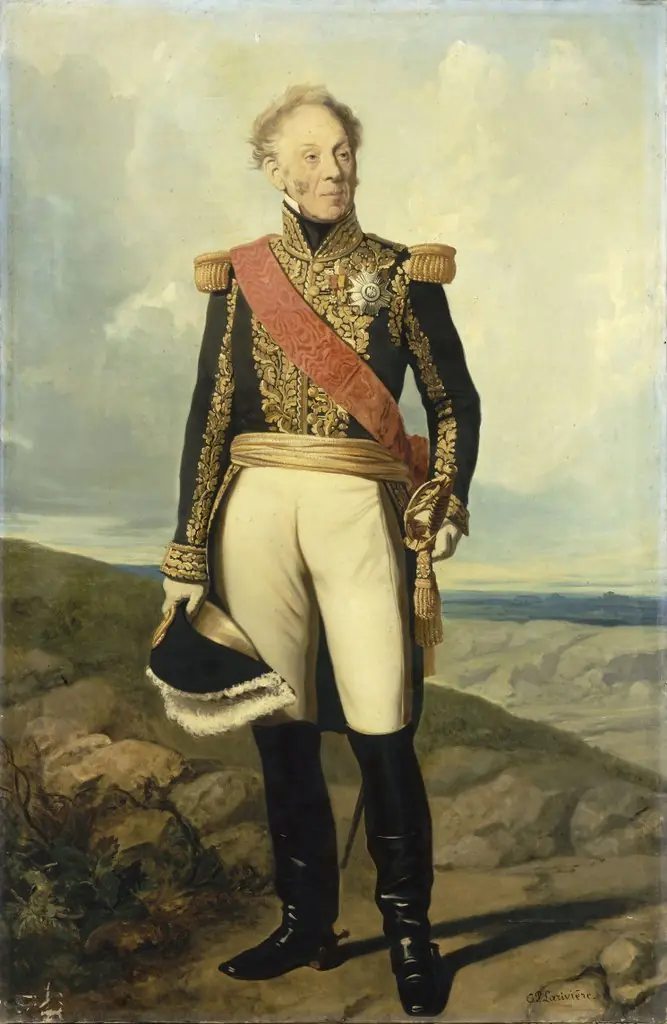 Porträt des Rémi Joseph Isidore Exelmans, Marechal De France (1775-1852)
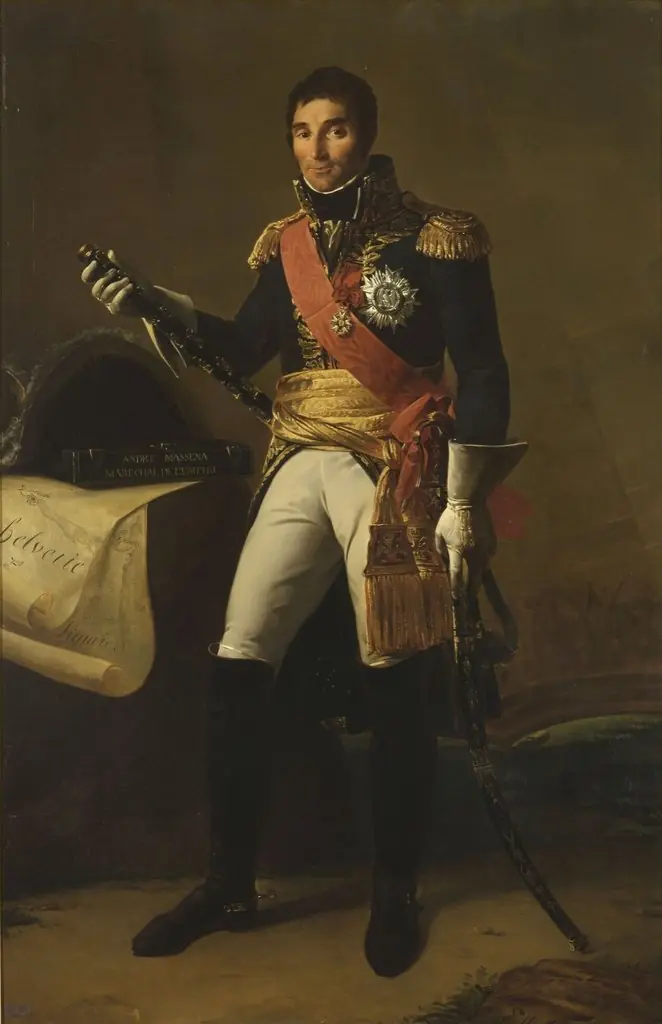 Le maréchal André Masséna (1758-1817), duc de Rivoli et prince d'Essling.
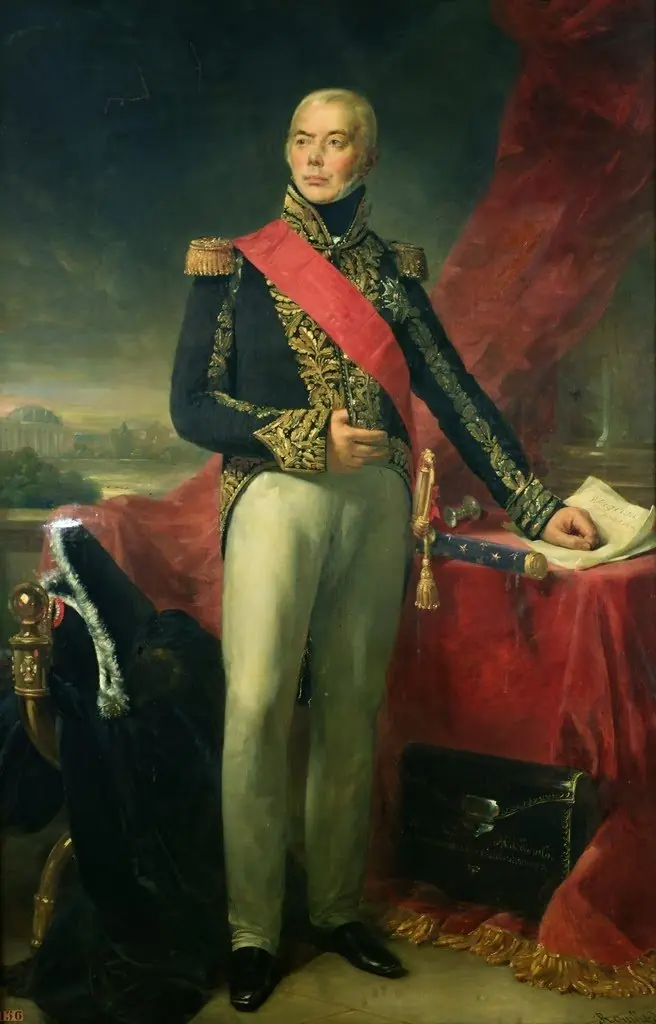 Etienne-Joseph-Jacques-Alexandre MacDonald, Duke of Taranto, Marshal of France (1765-1840)
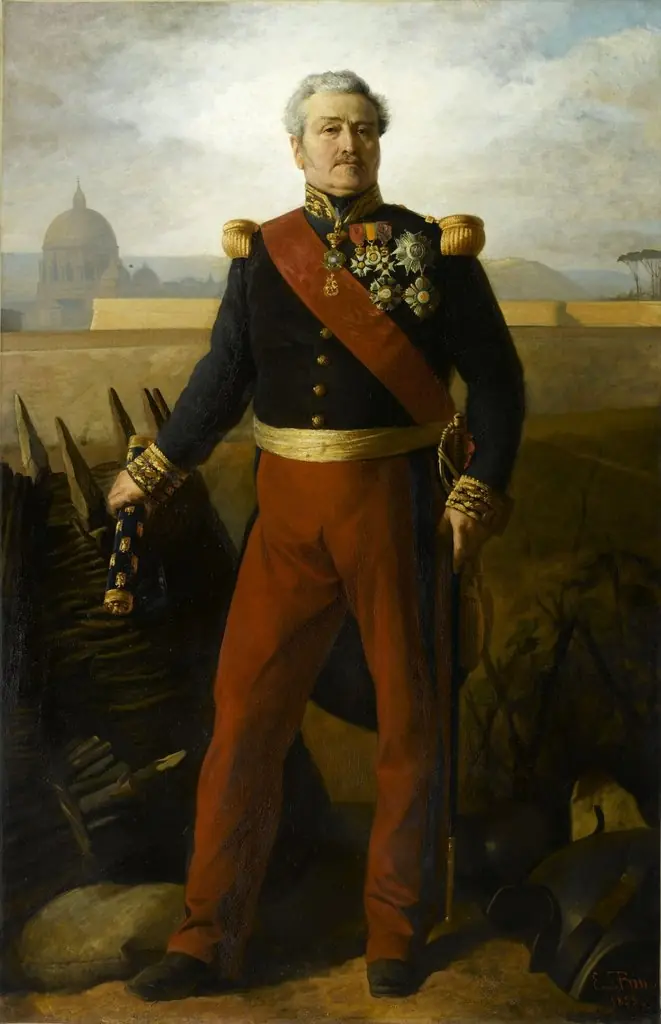 Jean-Baptiste-Philibert Vaillant, Marshal of France
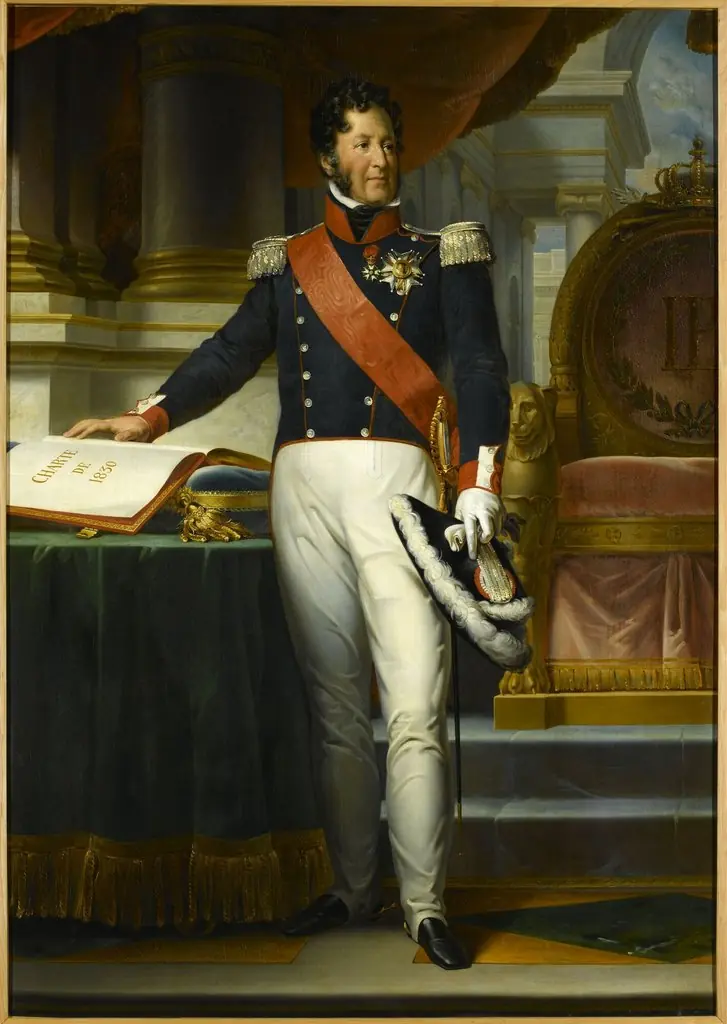 Portrait of Louis Philippe I
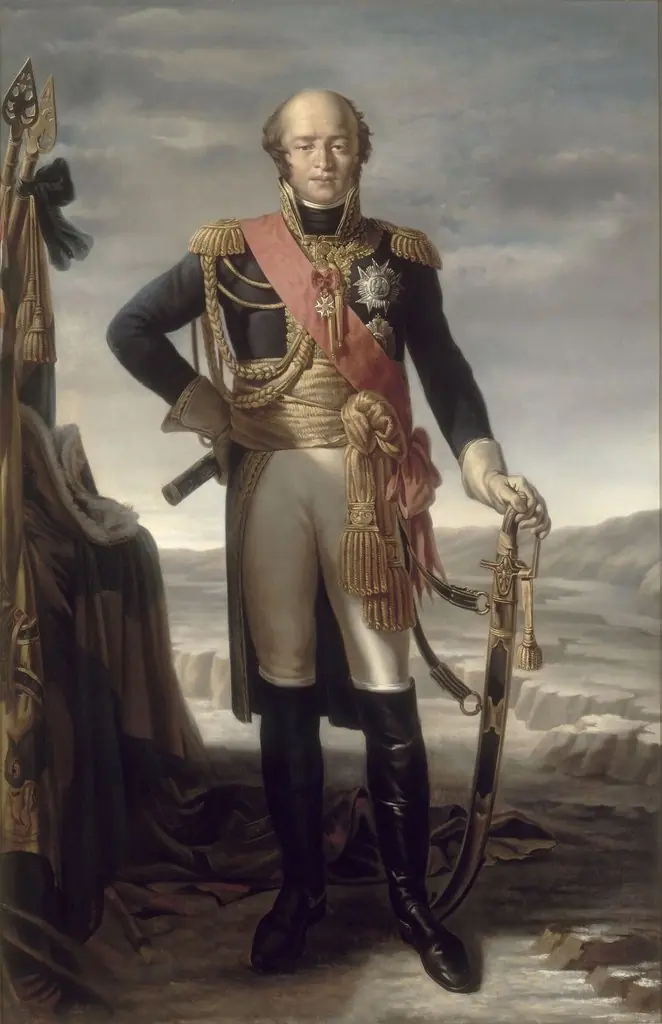 Portrait de Louis Nicolas Davout
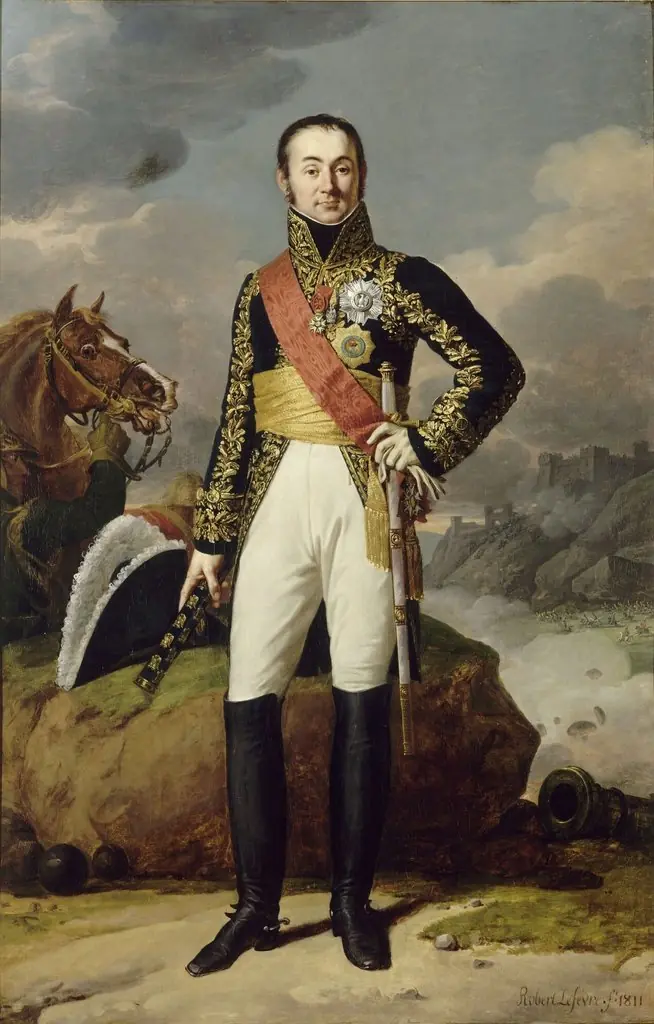 Nicolas-Charles Oudinot, Duke of Reggio, Marshal of France (1767-1847)
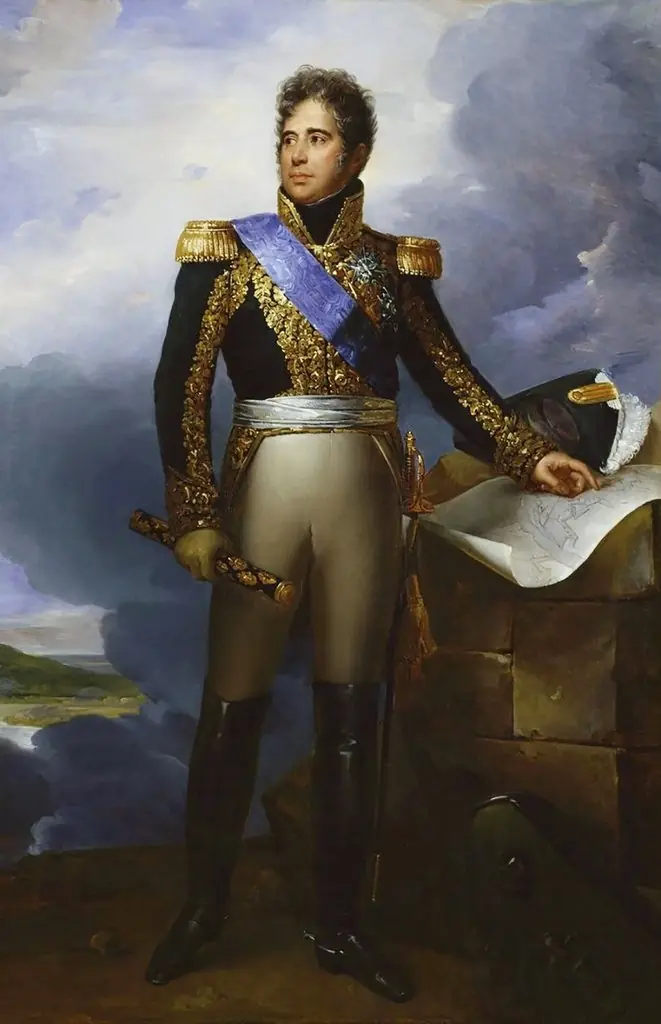 Jacques-Alexandre-Bernard Law de Lauriston