Artwork
Boy and Goat
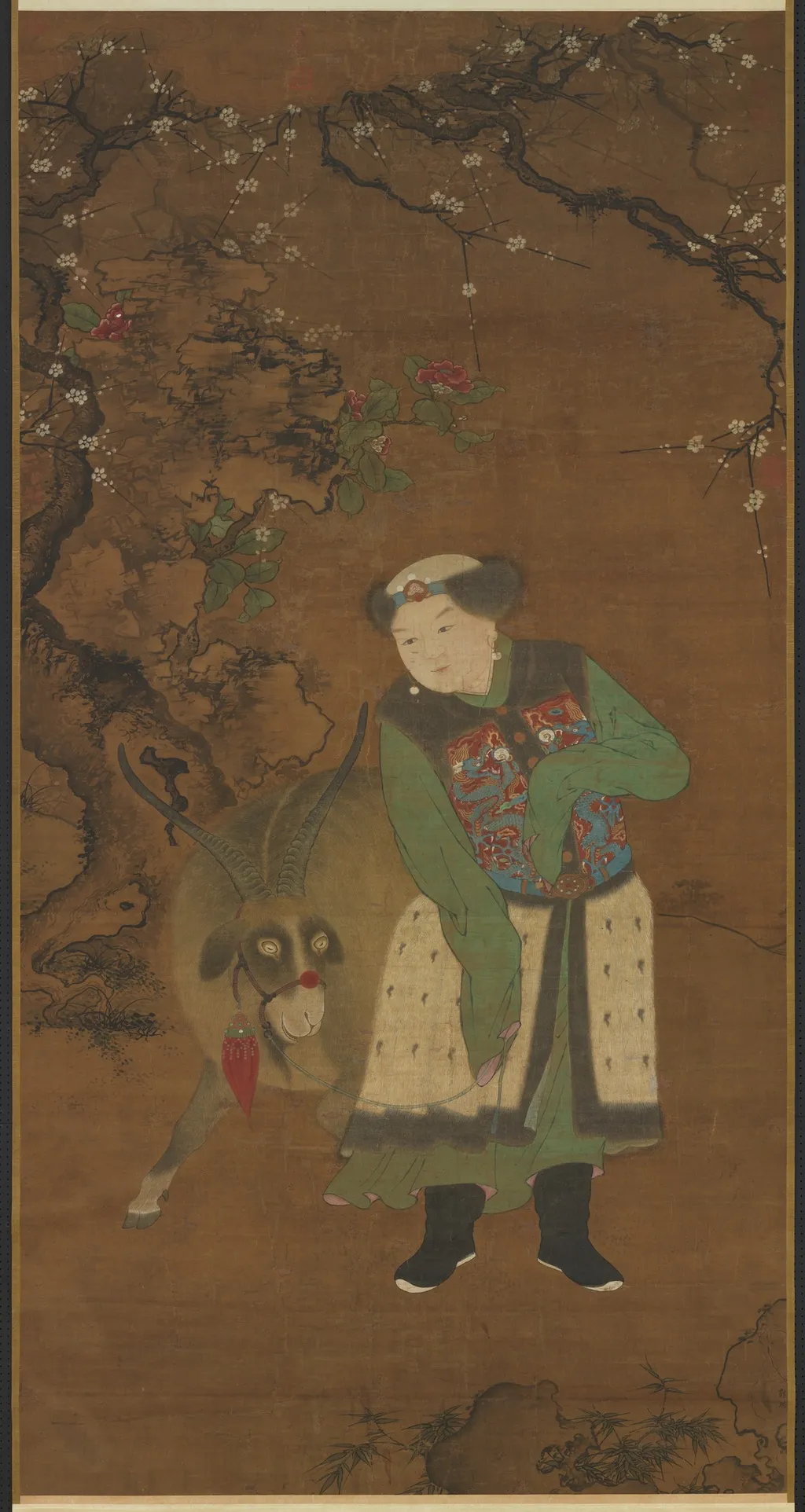
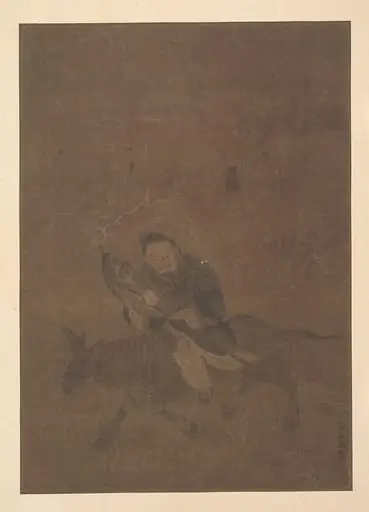
Boy and Goat is an unspecified painting by the Ming dynasty painting artist Guo Si. It dates from 1100 and is held in the collection of the National Palace Museum.
About this work
Overview
Created in the year 1100 by the painter Guo Si, this work is a small-scale painting titled Boy and Goat. It is part of the collection of the National Palace Museum, where it is displayed among other early Chinese artworks. The piece presents a quiet scene that reflects the aesthetic preferences of its period.
Subject & Meaning
The composition centers on a youthful figure in traditional dress standing beside a goat that wears a modest ornamental collar. Both figures are placed within a gentle landscape populated by trees and blossoms, suggesting a harmonious relationship between humanity and nature. The tranquil interaction may evoke themes of pastoral innocence and simple rural life.
Technique & Style
Guo Si employs a restrained palette of muted hues, allowing the forms to emerge softly from the background. Brushwork is delicate, with fine lines defining the boy’s clothing and the goat’s features, while broader washes suggest foliage and sky. The overall effect is one of calm restraint, characteristic of early Song-era painting conventions.
History & Provenance
Since its creation, the painting has remained within Chinese imperial collections, eventually entering the holdings of the National Palace Museum. Its survival through centuries attests to the care afforded to courtly artworks and provides scholars with a tangible example of early 12th‑century visual culture.
Artist & collection
Artist
Guo Si painted lively scenes of daily life in 12th-century China. One of their known works, Boy and Goat, shows a child tending a goat, capturing the quiet moments of rural childhood. Their art belongs to the Northern…

 Paintings after Ancient Masters: Laozi Riding an Ox
 A Lady
 宋人畫仙巖壽鹿 軸
 Yang Guifei Leaving the Bath
 Chinese Beauty
 “Taira no Koremori’s Farewell,” from The Tale of the Heike (Heike monogatari)
 Poet and Recluse Hanshan
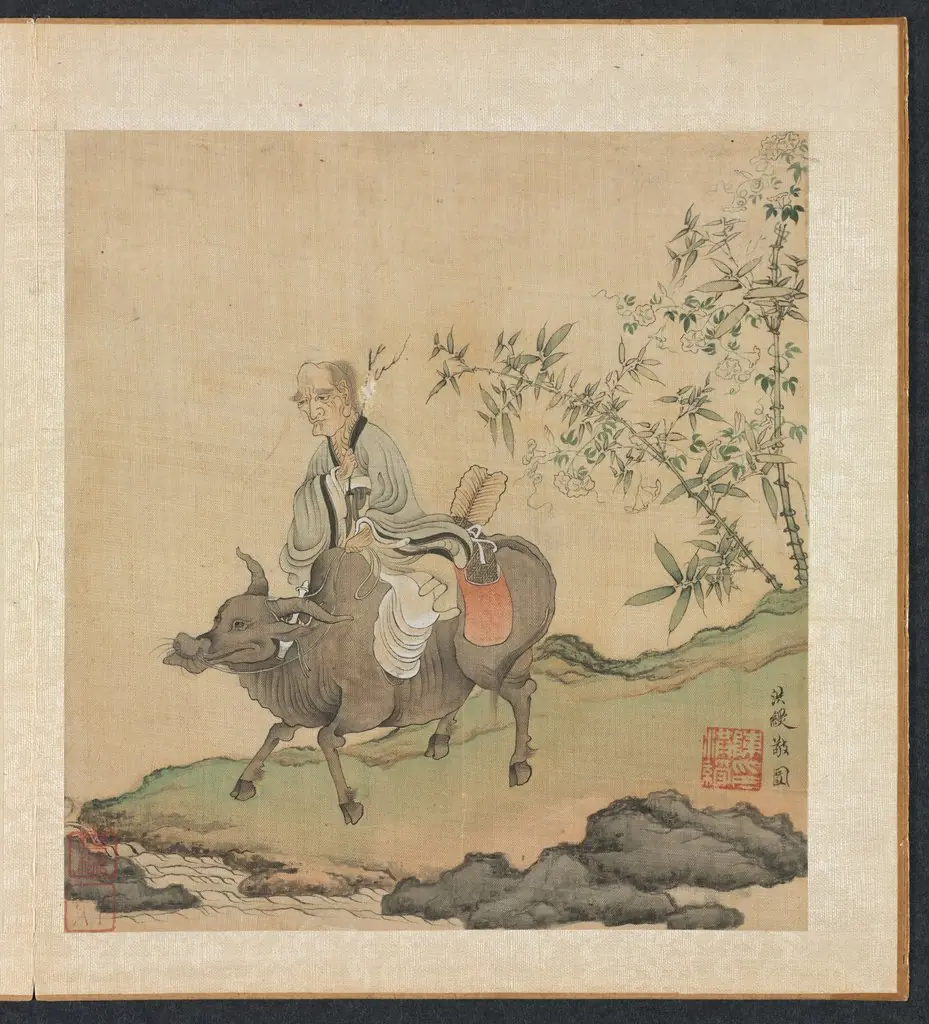 Paintings after Ancient Masters: Laozi Riding an Ox
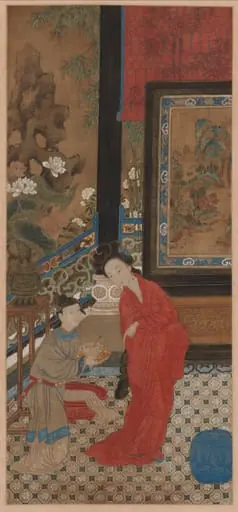 Yang Guifei Leaving the Bath
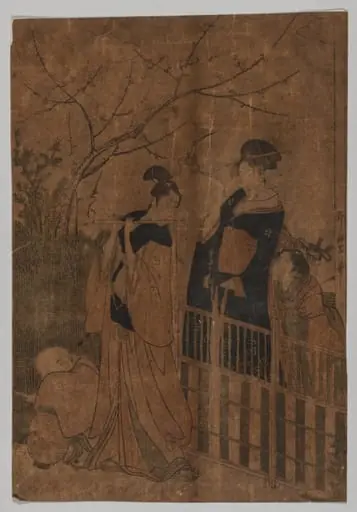 Serenade
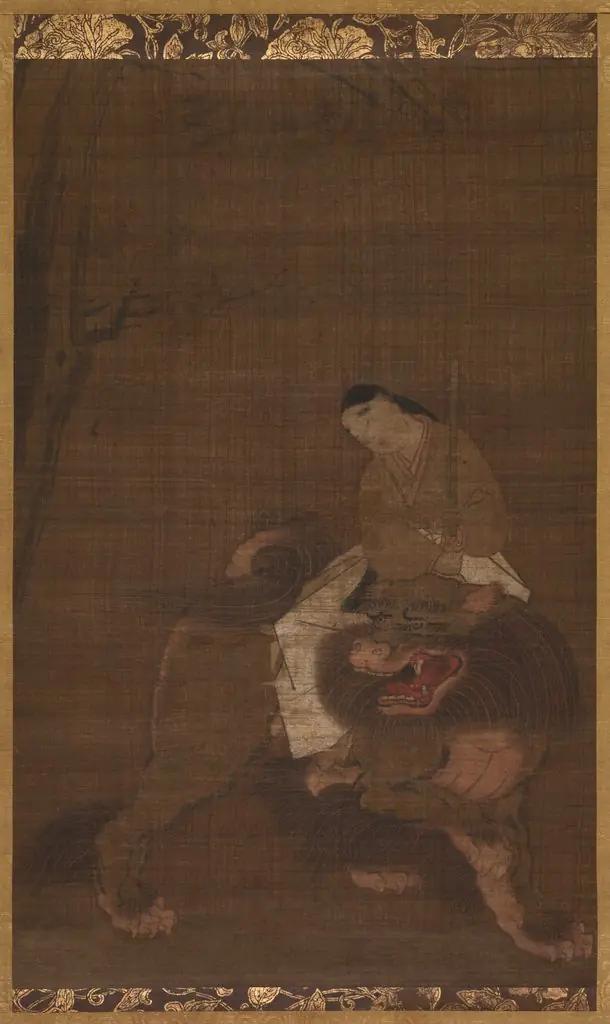 Monju as a Child
 Untitled