Artwork
Maskerade. Intermedium
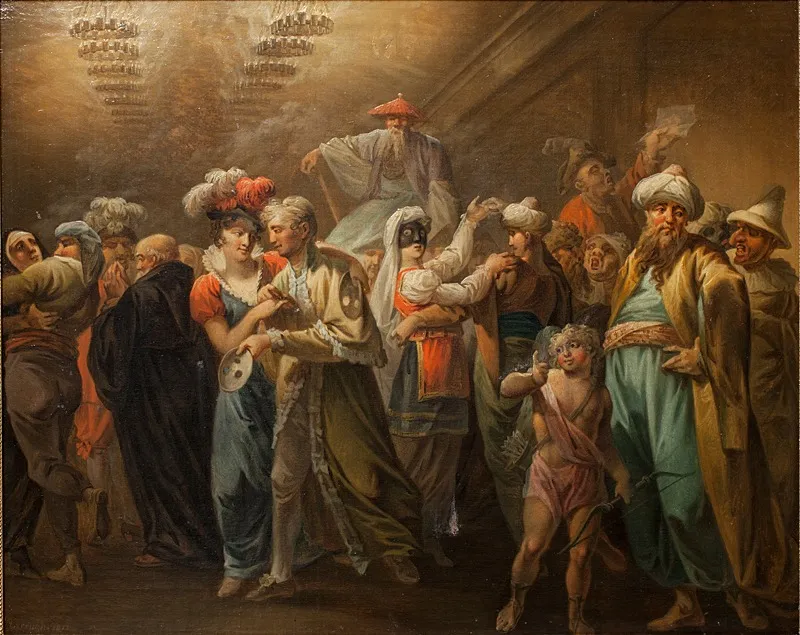
Maskerade. Intermedium is an oil painting by the Biedermeier artist Christian August Lorentzen. It dates from 1813 and is held in the collection of the Statens Museum for Kunst.
About this work
Overview
The canvas captures a group of revelers in elaborate dress, many wearing masks, set against a dimly lit space illuminated by a few scattered light sources.
Christian August Lorentzen’s 1813 oil work titled “Maskerade. Intermedium” depicts a bustling interior gathering. The canvas captures a group of revelers in elaborate dress, many wearing masks, set against a dimly lit space illuminated by a few scattered light sources. Central to the composition is a seated figure in a red hat and flowing robe, suggesting a position of authority within the festive scene.
Subject & Meaning
The painting portrays a masquerade party, a social event that allowed participants to adopt alternate identities through costume and mask. The central figure’s distinguished attire and posture imply a host or master of ceremonies, while the surrounding figures engage in conversation and laughter, emphasizing the communal pleasure and theatricality inherent in such gatherings of the early nineteenth century.
Technique & Style
Executed in oil on canvas, Lorentzen employs a muted palette for the background, allowing the vivid colors of the costumes to stand out. The chiaroscuro effect created by limited lighting enhances depth and draws attention to the central figure. Brushwork varies between the finely detailed facial expressions and broader, more fluid strokes in the drapery, reflecting a balance between realism and decorative flair.
History & Provenance
Created in 1813, “Maskerade. Intermedium” entered the collection of Denmark’s National Gallery, Statens Museum for Kunst, where it remains on display. The work is part of Lorentzen’s broader oeuvre that documents social life in Denmark during the Napoleonic era, offering insight into contemporary customs and the artist’s interest in genre scenes.
Artist & collection
Artist
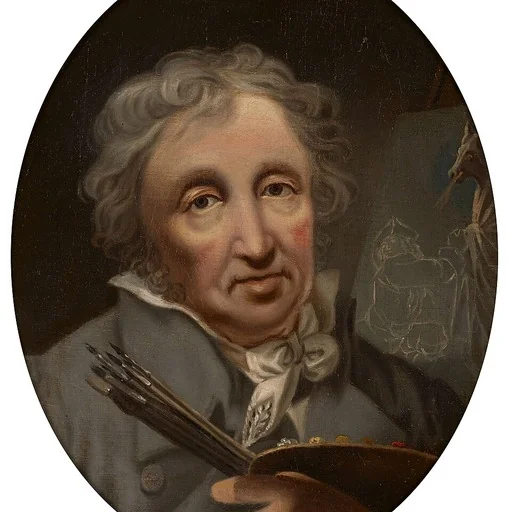
Christian August Lorentzen (1749–1828) was an artist, born in Sønderborg.

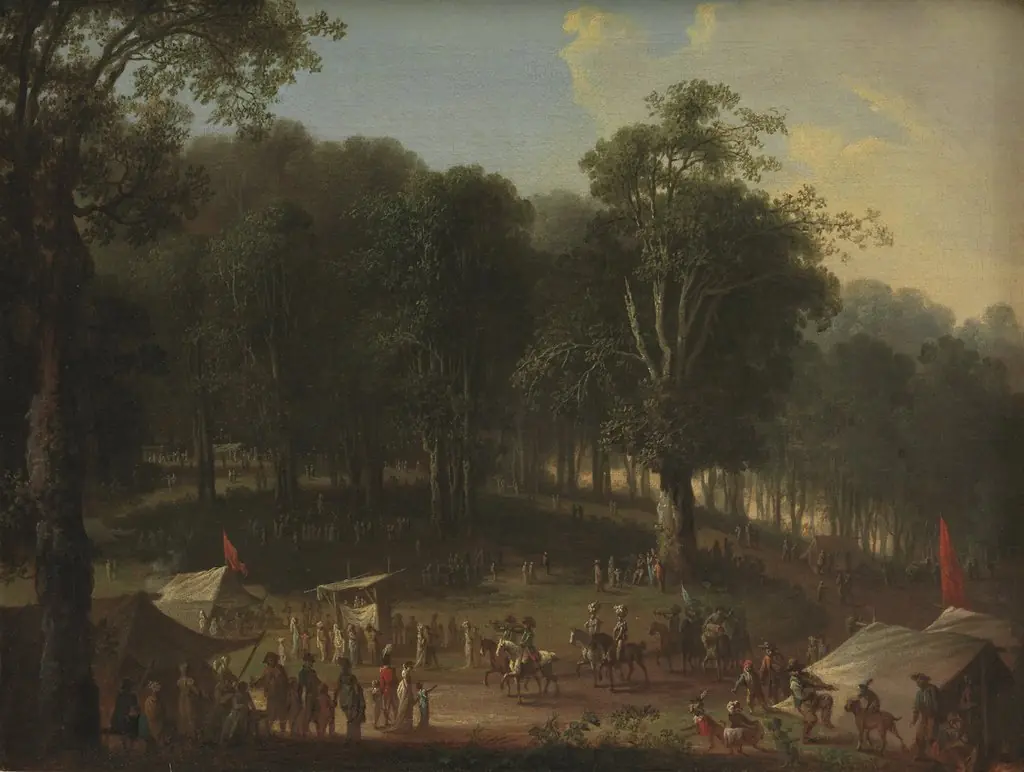 A Troup of Performers Arriving at the Fair at Dyrehavsbakken Near the Deer Park, North of Copenhagen
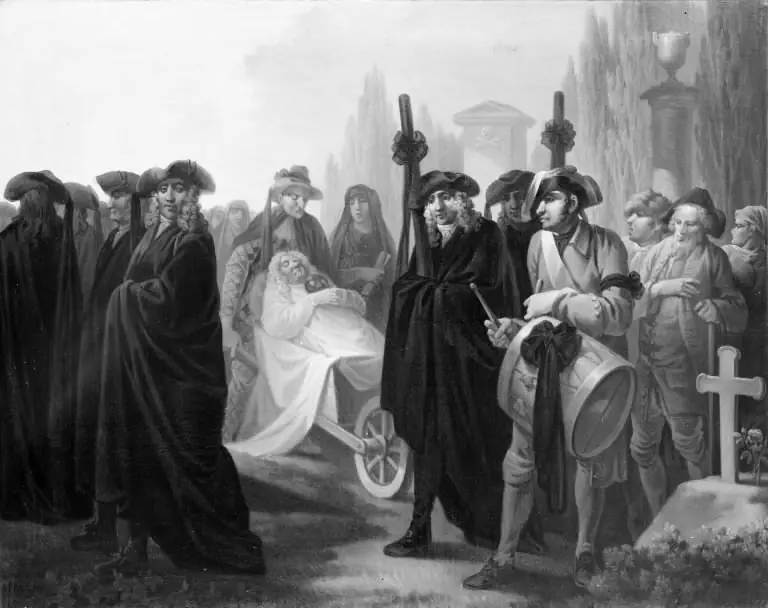 Den danske Comedies Ligbegængelse, 5. scene
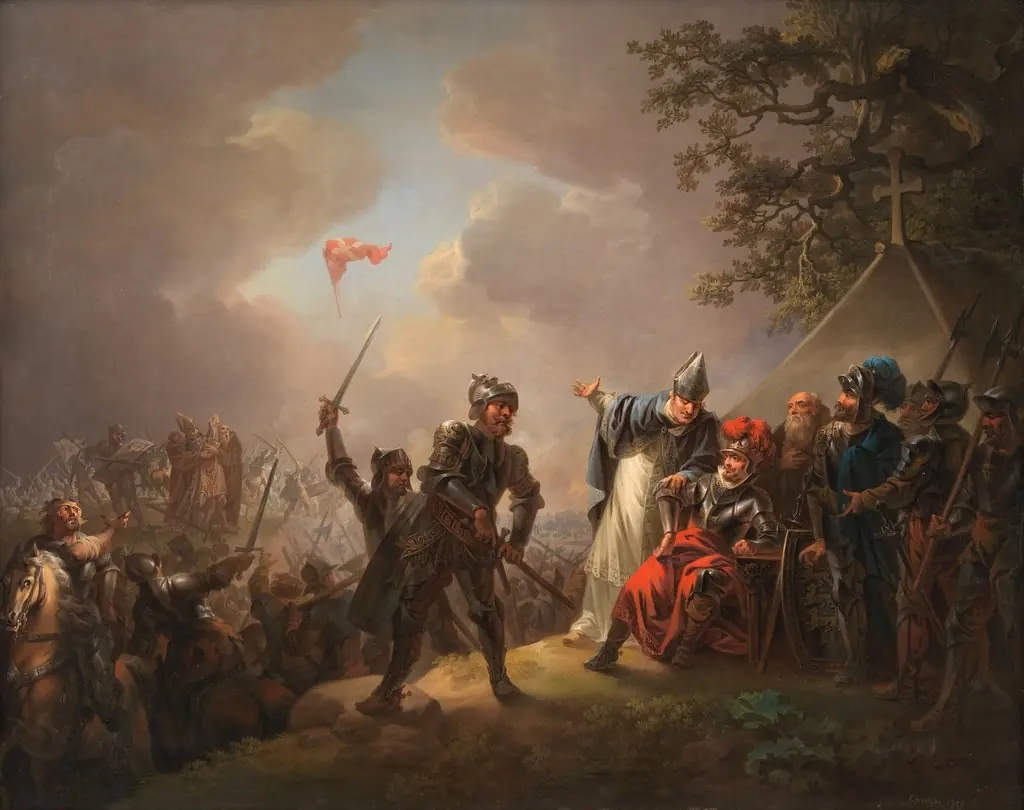 The Legend of the Danish Flag (the Dannebrog) Falling from the Heavens during the Battle of Lyndanise in Estonia in 1219
 To ynglinge med en hund
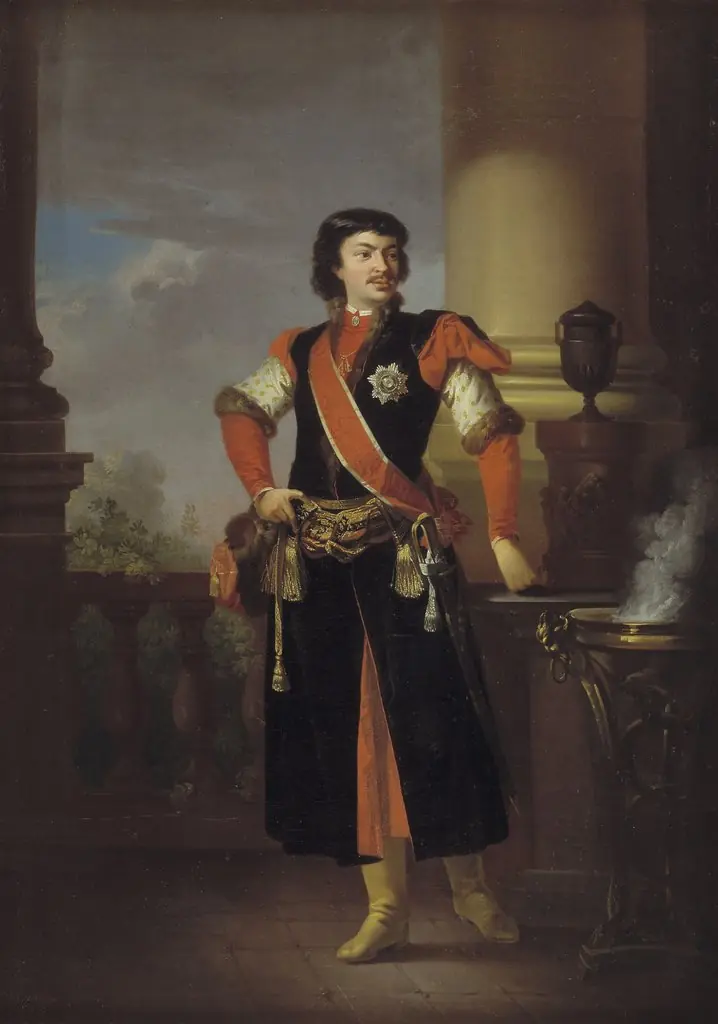 Portrait of Count Rzewuski, Polish Ambassador to Denmark
 Kristus og synderinden
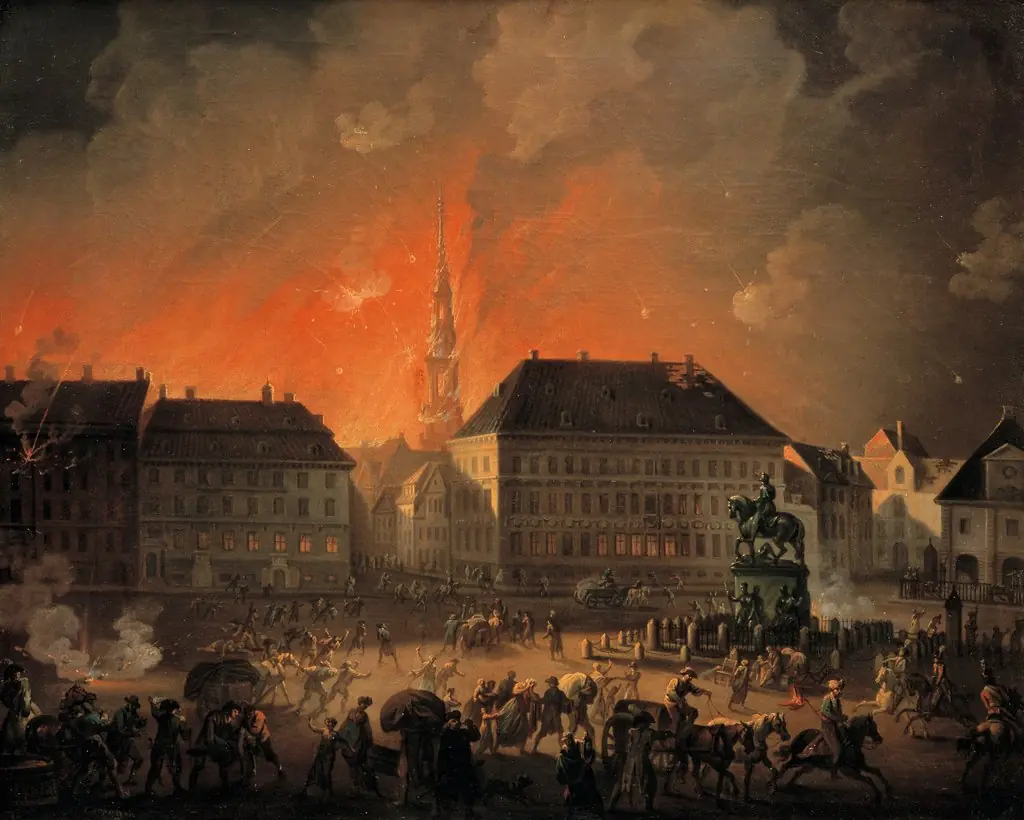 The Most Terrible Night. View of Kongens Nytorv in Copenhagen During the English Bombardement of Copenhagen at Night between 4 and 5 September 1807
 Mandsportræt
 Abraham und Melchisedek
 Aeneas Offering Presents to King Latinus and Asking Him for the Hand of His Daughter
 Sacrifice of Iphigenia
 Salomo ontvangt geschenken
 Scenă alegorică
 Julestuen, 13. scene
 Joseph Selling Corn in Egypt
 Courtyard of a temple
 El minuet
 The House of Caiaphas
 Salome Dancing before Herod
 Tobias and his wife say goodbye to his in-laws in order to return to his father