Artwork
Sarah la bañista
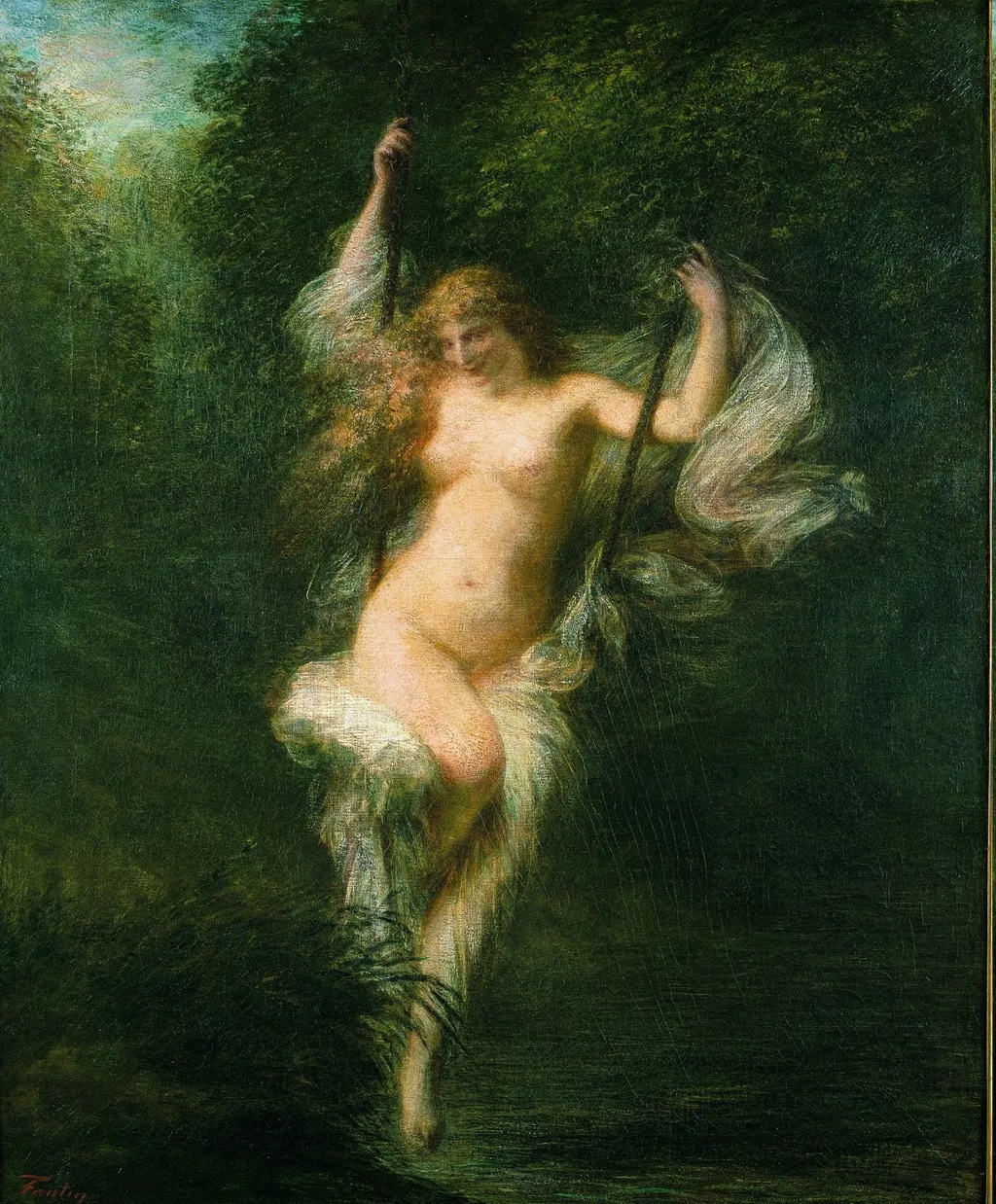
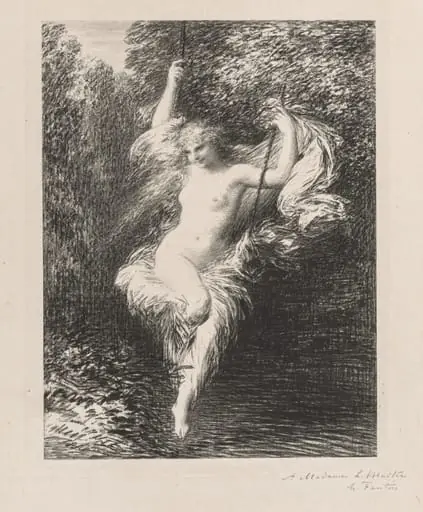
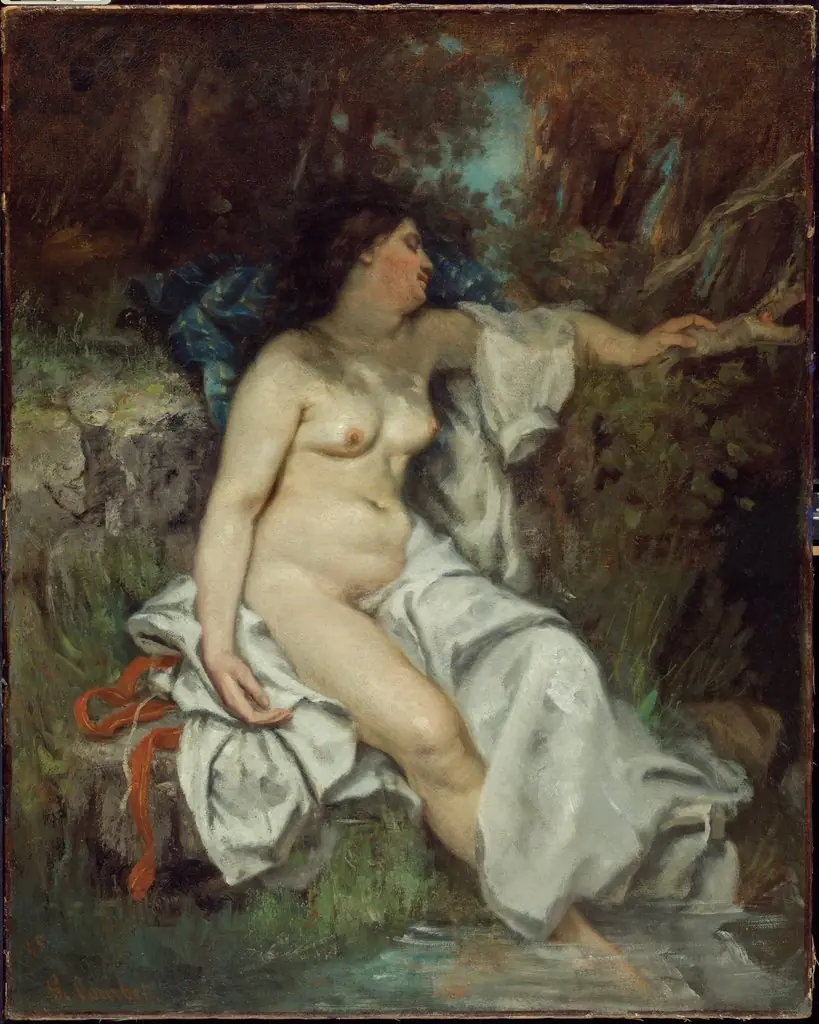
Sarah la bañista is an oil painting by the Impressionist artist Henri Fantin-Latour. It dates from 1894 and is held in the collection of the National Museum of Fine Arts, Argentina.
About this work
Overview
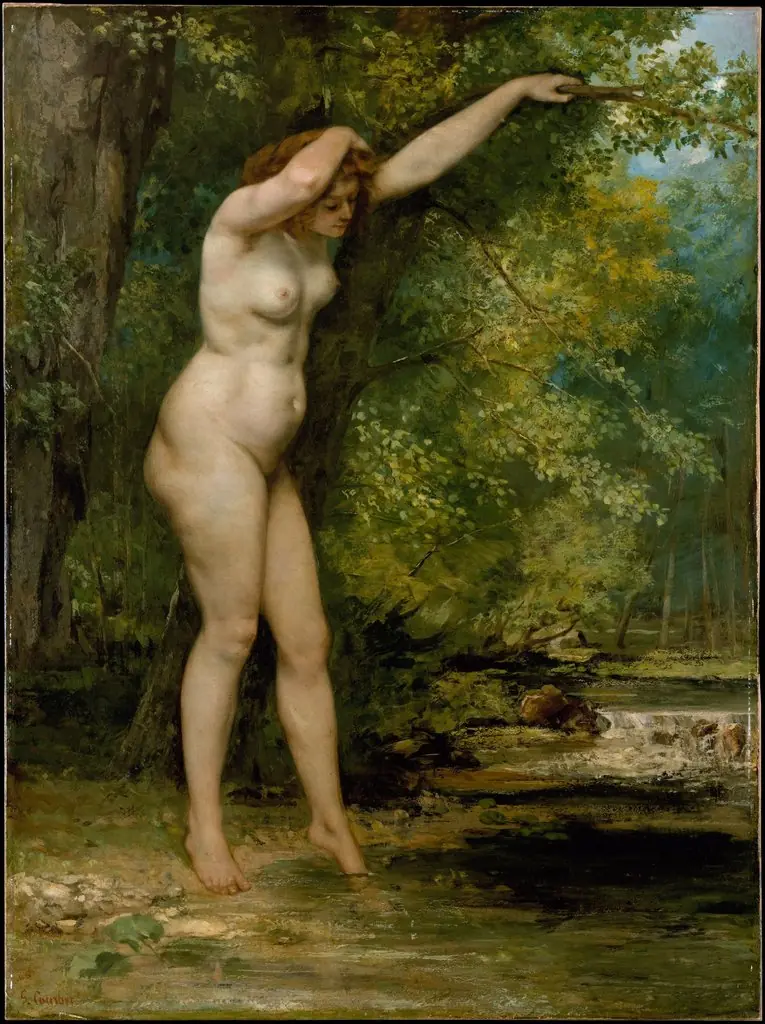
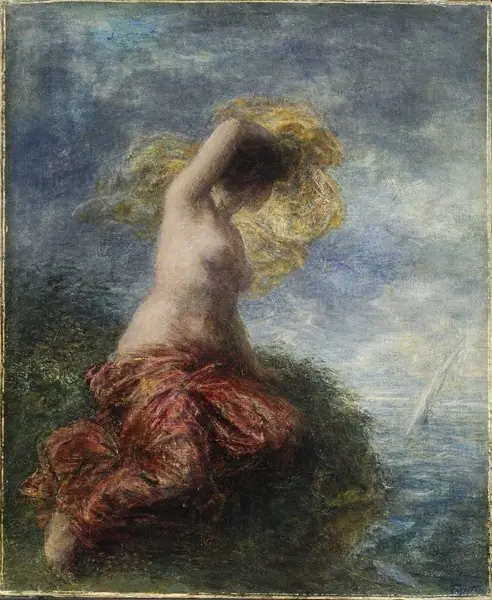
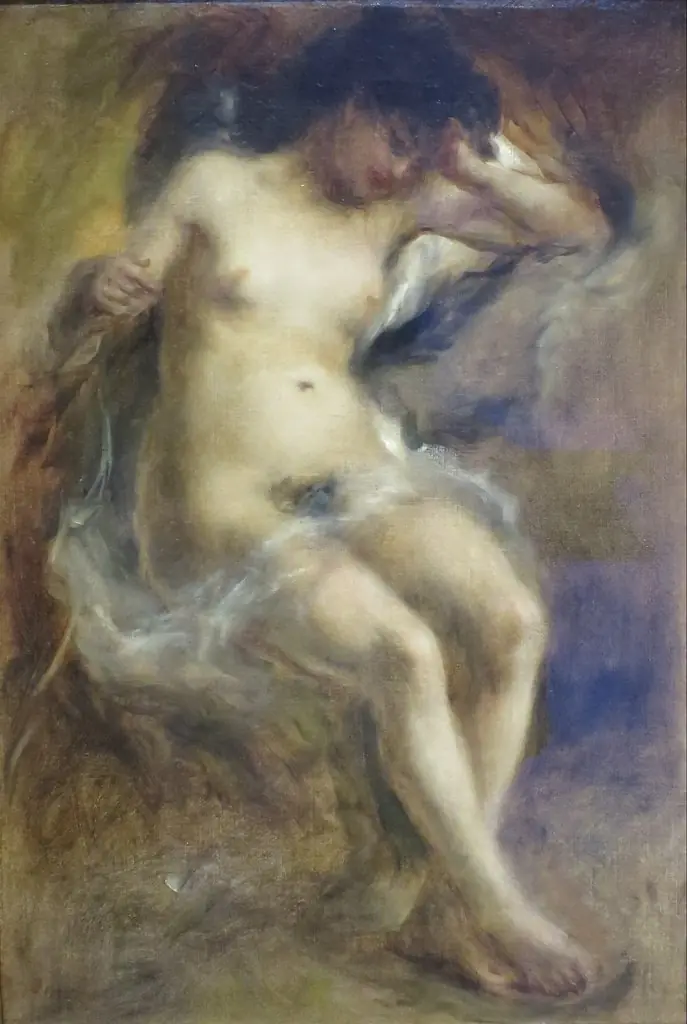
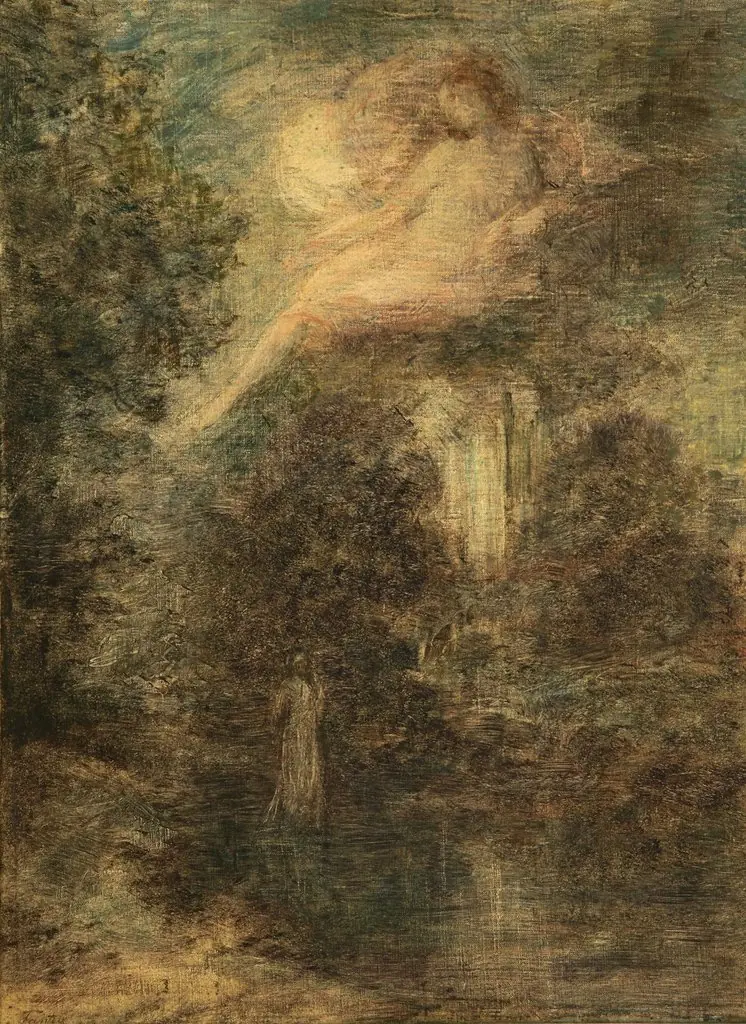
Henri Fantin‑Latour painted *Sarah la bañista* in 1894 using oil on canvas. The work is part of the National Museum of Fine Arts in Buenos Aires. It presents a solitary female figure in a moment of bathing, rendered with the light‑focused sensibility typical of late‑19th‑century French painting.
Subject & Meaning
The composition centers on a nude woman with long, curling hair, caught mid‑movement as she clutches a rope or vine. Surrounded by dense foliage, the scene suggests a private, domestic ritual, echoing the Impressionist interest in everyday life and the fleeting qualities of light on skin.
Technique & Style
Fantin‑Latour employs a naturalistic approach, detailing the woman's facial expression and the subtle folds of her flesh. A restrained palette of greens and distant blues frames the figure, while chiaroscuro modeling creates depth, emphasizing volume and the play of illumination across the body.
History & Provenance
Created toward the end of Fantin‑Latour’s career, the painting entered the collection of the National Museum of Fine Arts in Buenos Aires, where it remains on display. Its acquisition reflects the museum’s broader effort to represent European Impressionist works within a Latin American context.
Context
Although best known for floral still‑lifes and group portraits of Parisian artists, Fantin‑Latour explored intimate genre scenes such as this one. *Sarah la bañista* aligns with the Impressionist preoccupation with light, atmosphere, and the candid portrayal of ordinary moments.
Own this work as a print
Artist & collection
Artist
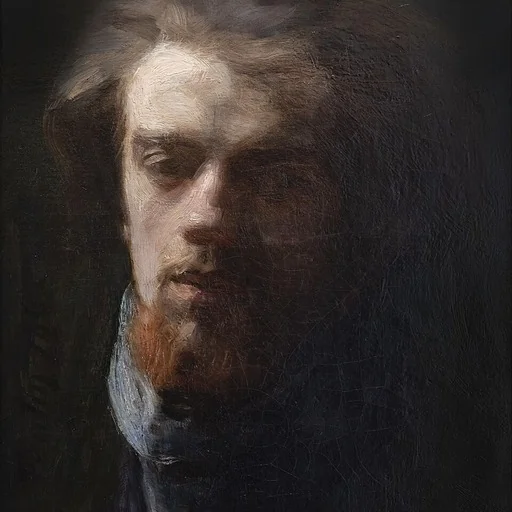
Ignace Henri Jean Theodore Fantin-Latour (French pronunciation: ; 14 January 1836 – 25 August 1904) was a French painter and lithographer best known for his flower paintings and group portraits of Parisian artists and writers.

Museum
National Museum of Fine Arts, Argentina
Continue through works from the same source collection.