Artwork
Salomé Dancing before Herod
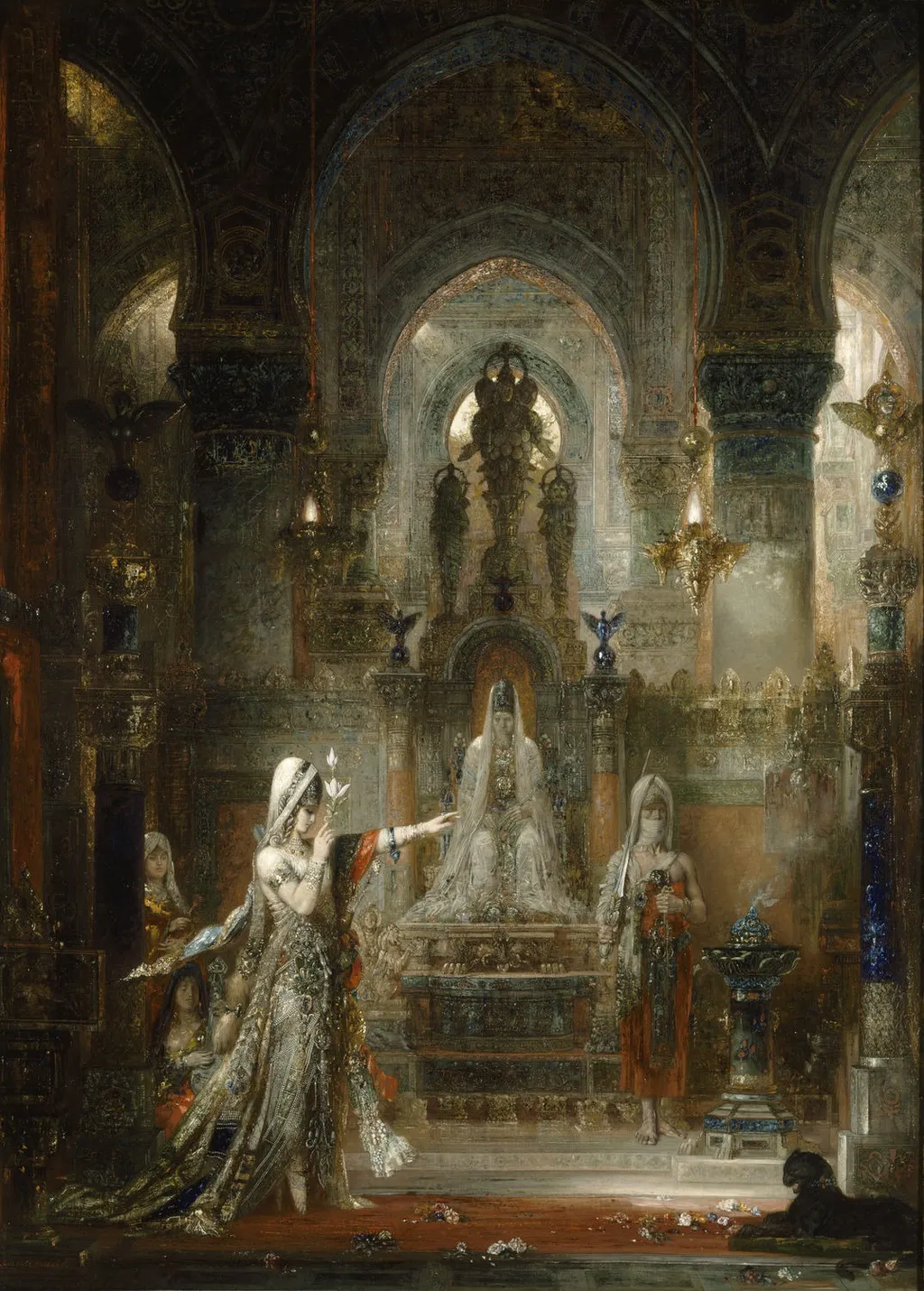
Salomé Dancing before Herod is an oil painting by the Symbolist artist Gustave Moreau. It dates from 1888 and is held in the collection of the Hammer Museum.
About this work
Overview
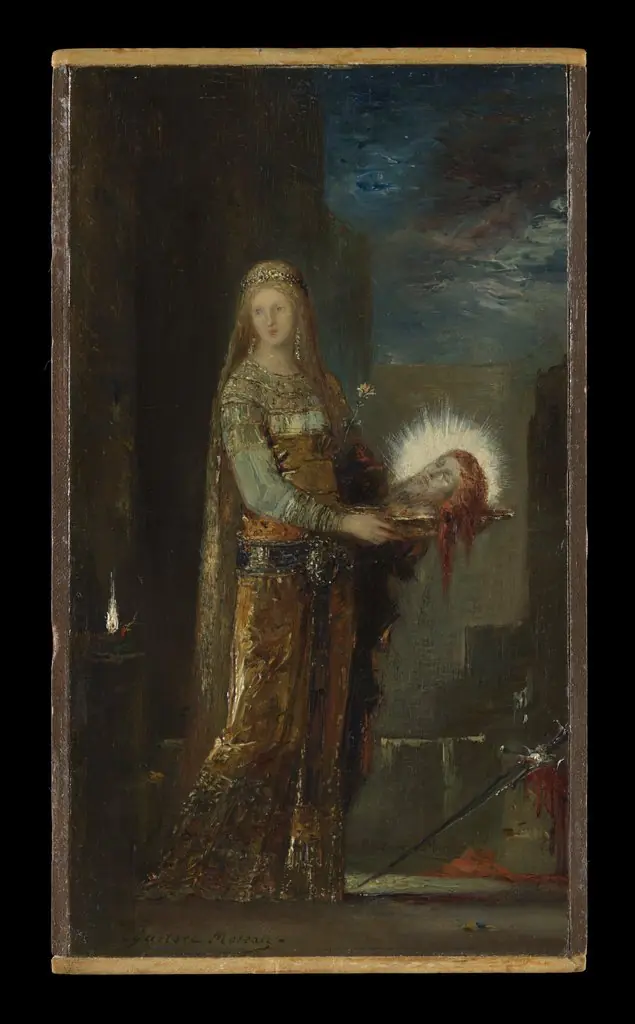
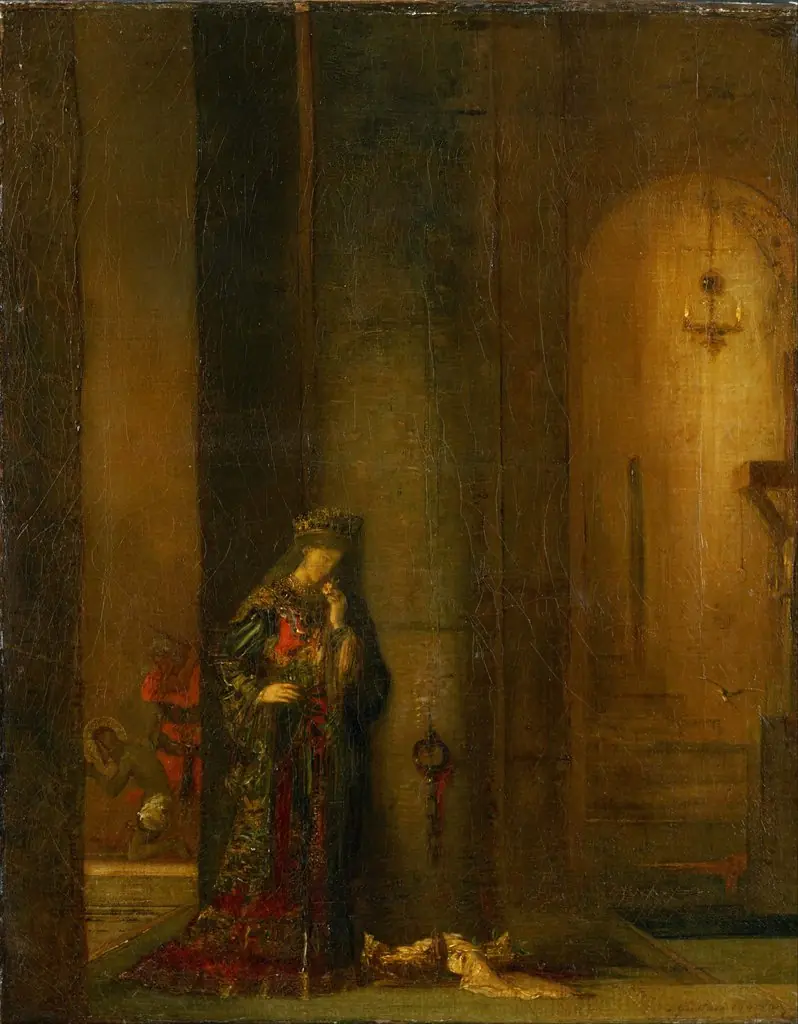
Created in 1876, this oil on canvas by French Symbolist Gustave Moreau portrays the biblical figure Salome performing for Herod Antipas. The composition reflects Moreau’s prolonged engagement with the subject, a project that occupied him for seven years before its debut at the Paris Salon.
Subject & Meaning
The scene draws on the New Testament narrative of Salome, daughter of Herod II and Herodias, whose dance precedes the beheading of John the Baptist. Moreau emphasizes the moment’s theatricality, inviting contemplation of desire, power, and the moral ambiguities surrounding the legendary performance.
Technique & Style
Executed in oil, the painting employs the meticulous glazing technique characteristic of Moreau’s Symbolist approach, layering translucent pigments to achieve luminous depth and intricate detail. The rich coloration and ornamental surface echo the artist’s fascination with mythic and exotic visual vocabularies.
History & Provenance
After a striking reception at the 1876 Salon, the work entered private collections before being acquired by the Hammer Museum in Los Angeles. The museum highlighted its significance in a 2012 exhibition titled “A Strange Magic: Gustave Moreau’s Salome.”
Context
Within the late‑nineteenth‑century revival of biblical and literary subjects, Moreau’s Salome stands out for its synthesis of academic training and Symbolist imagination. The painting contributed to the era’s broader interest in sensuality and moral complexity, influencing subsequent depictions of the same legend.
Artist & collection

Artist
Gustave Moreau was a French artist and an important figure in the Symbolist movement.