Artwork
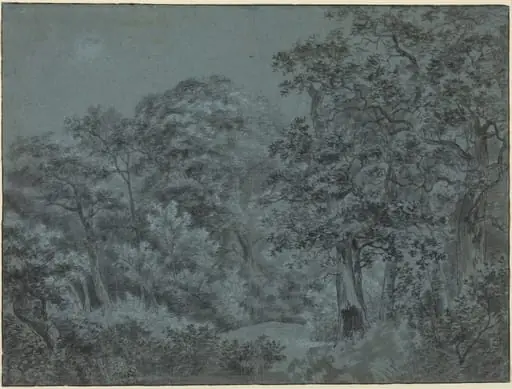
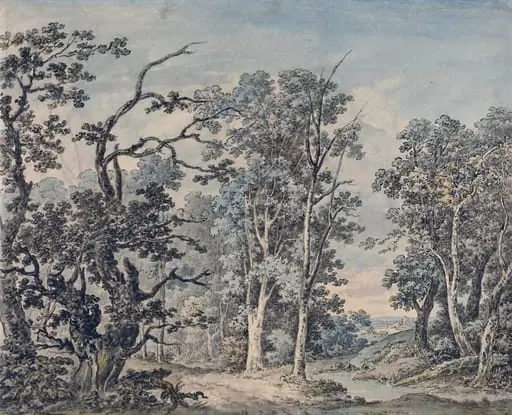
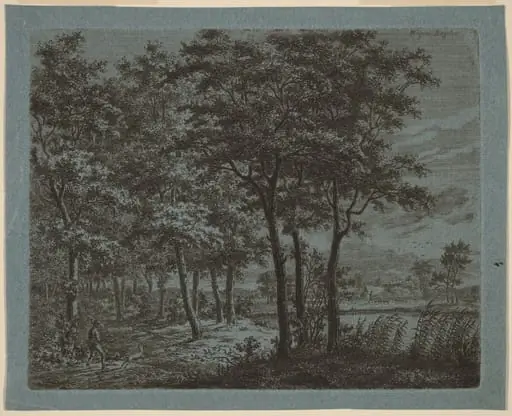
Woods at Night with Travelers
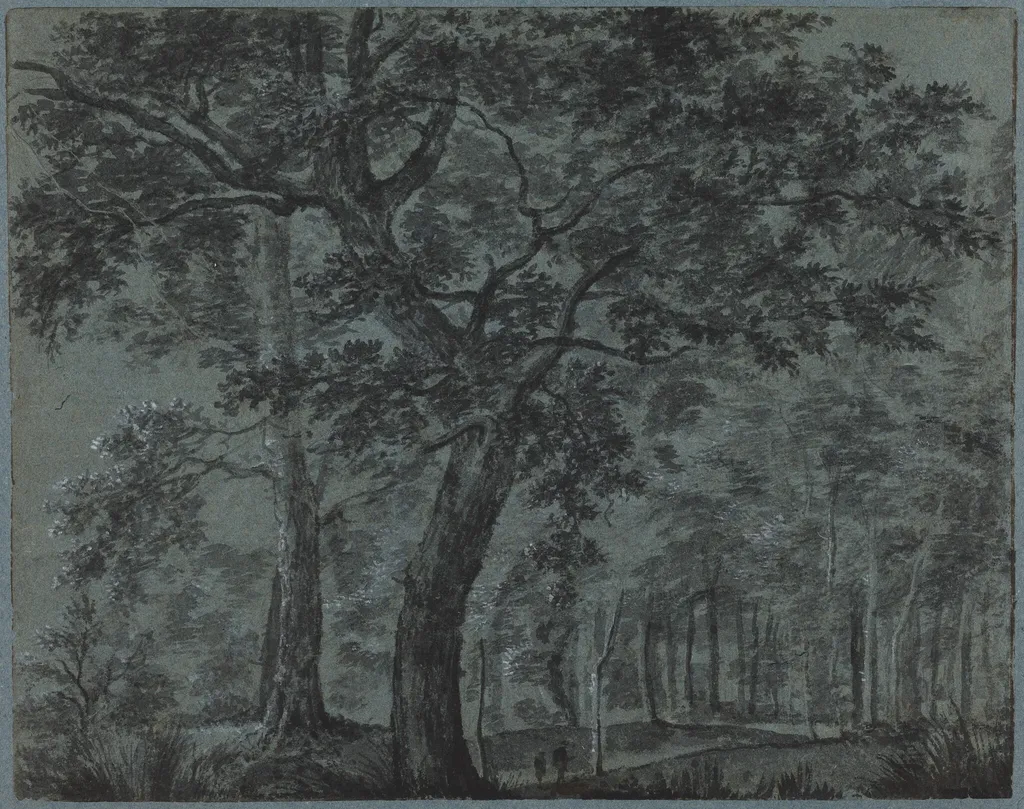
Woods at Night with Travelers is a paint drawing by the Baroque artist Joris van der Haagen. It dates from 1642 and is held in the collection of the National Gallery of Art.
About this work
Overview
Executed in brush and gray wash with selective white gouache highlights on blue laid paper, the work is mounted on a matching blue album sheet.
Created in 1642 by Joris van der Haagen, this drawing depicts a quiet woodland at night. Executed in brush and gray wash with selective white gouache highlights on blue laid paper, the work is mounted on a matching blue album sheet. The choice of colored paper enhances the nocturnal mood, while the restrained palette suggests moonlit shadows and faint illumination. It belongs to a tradition of Dutch landscape studies focused on subtle atmospheric effects.
Subject & Meaning
A narrow path winds through a dense grove of trees, where two small figures move under the canopy. Their presence introduces a quiet narrative of travel or pilgrimage, but the scene avoids drama or moralizing. The emphasis lies in the stillness of the night and the fragile human scale against the natural world. The travelers are not the focus; rather, they anchor the viewer’s gaze within the enveloping darkness.
Technique & Style
Van der Haagen used fluid gray washes to model the trees and ground, building depth through layered tones. White gouache was applied sparingly to suggest moonlight catching leaves, branches, or mist. The blue paper beneath contributes to the cool, nocturnal atmosphere, acting as a mid-tone that reduces the need for heavy shading. The technique reflects a refined, observational approach typical of Dutch draftsmanship of the period.
History & Provenance
The drawing was likely part of a private album, given its mounting on a blue sheet consistent with collector practices of the time. It remained in Dutch hands through the 17th and 18th centuries, though specific ownership records are sparse. Its survival in good condition suggests careful preservation, possibly within a circle of connoisseurs interested in landscape studies rather than finished paintings.
Context
In mid-17th century Holland, landscape drawing flourished as both artistic exercise and independent art form. Artists like van der Haagen moved beyond topographical recording to explore mood and light. Nocturnal scenes were rare but valued for their technical challenge. This work aligns with contemporaries such as Rembrandt and Hercules Seghers, who also experimented with wash and tone to evoke atmosphere.
Legacy
Van der Haagen’s nocturnal drawings are less widely known than his painted works, but they exemplify the quiet precision of Dutch draftsmanship. This piece illustrates how artists used simple materials to achieve complex emotional resonance. It remains a reference for understanding how light, paper, and minimal mark-making could convey the stillness of night without narrative embellishment.
Own this work as a print
Artist & collection
Artist
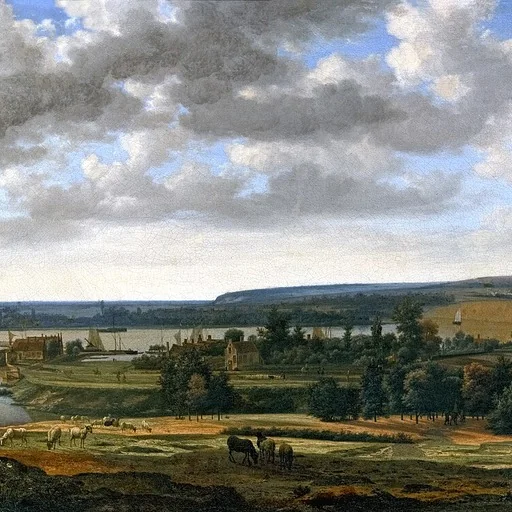
Joris Abrahamsz. van der Haagen (c. 1615 – 23 May 1669 (buried)) was a Dutch Golden Age painter specialized in landscapes.

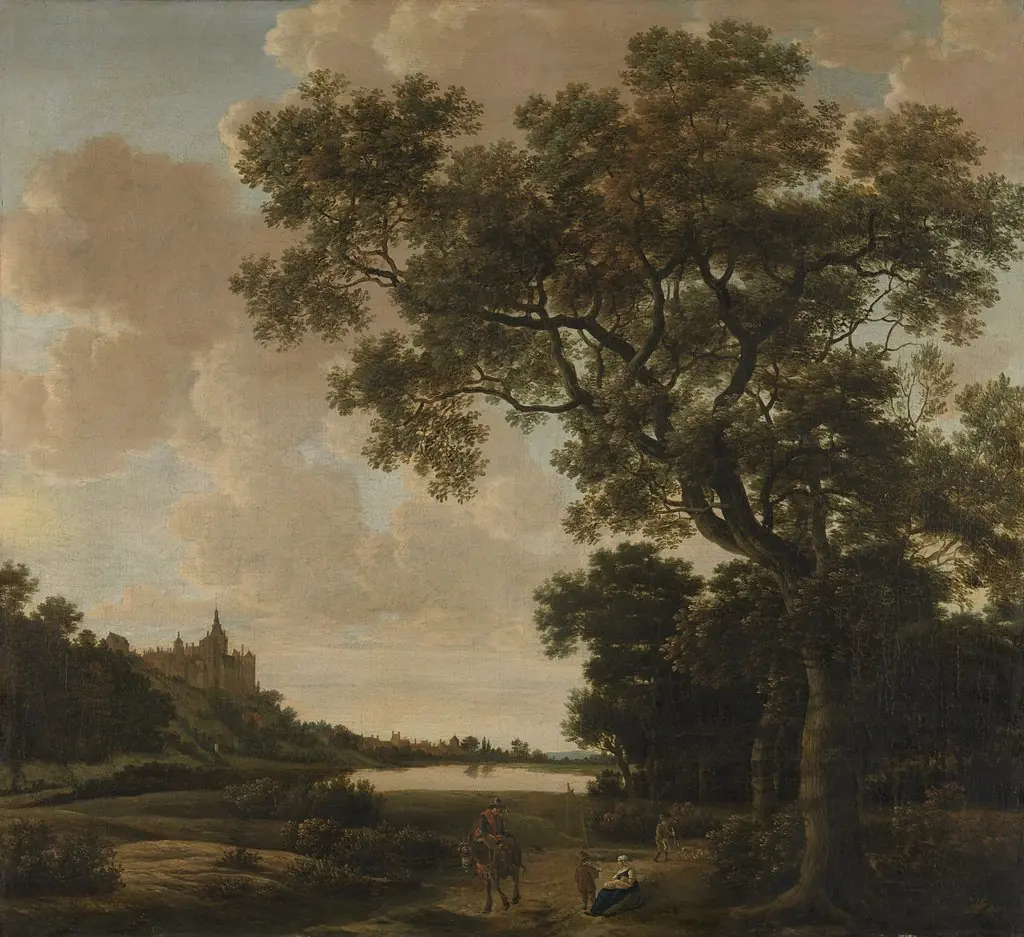 Landscape with the Schwanenturm, Kleve
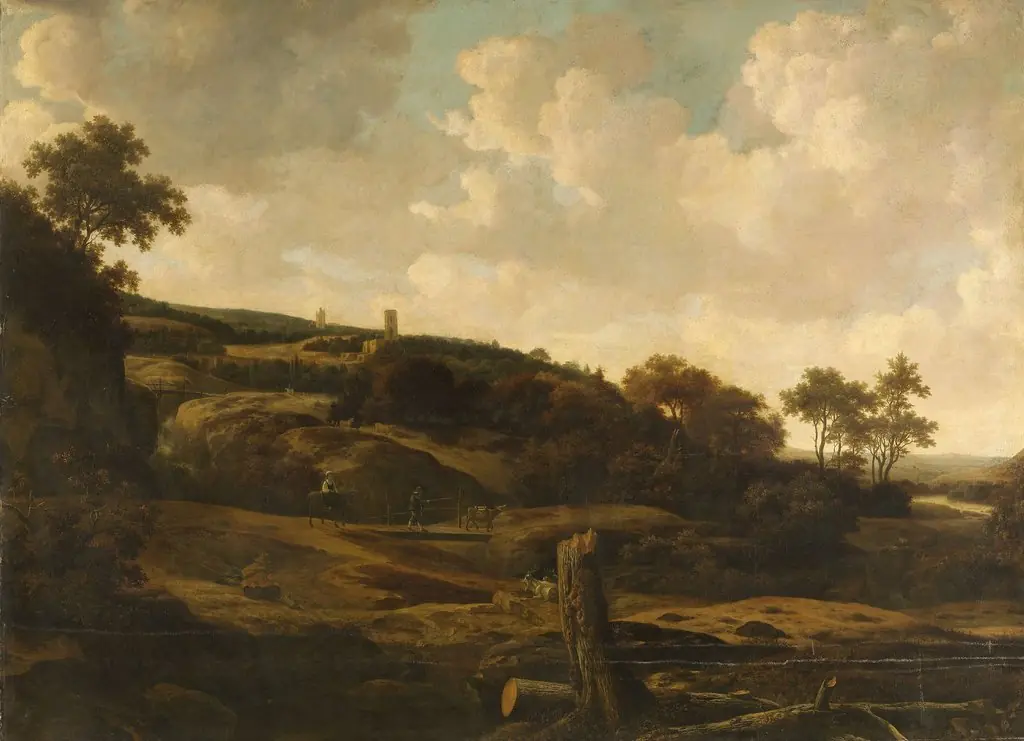 Mountainous landscape, possibly the St Pietersberg, with Lichtenberg castle, near Maastricht
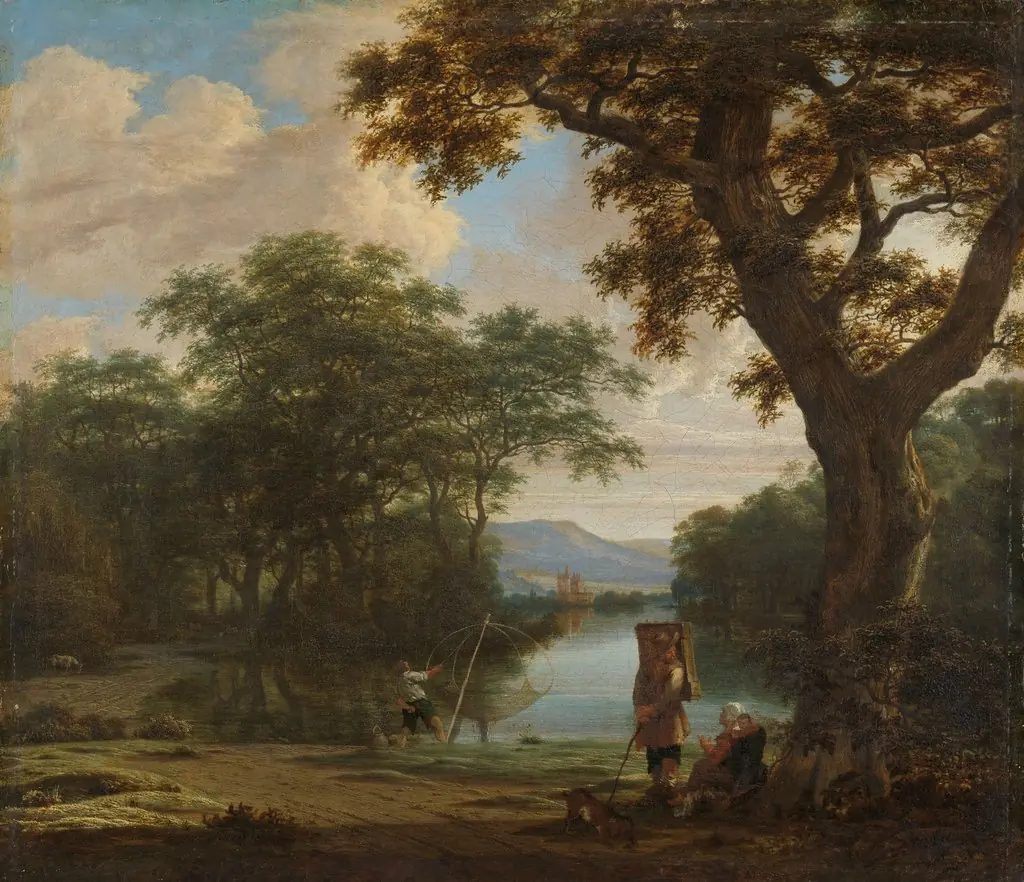 Landscape with fisherman with a square net
 Landscape with Fisherman with a square Net
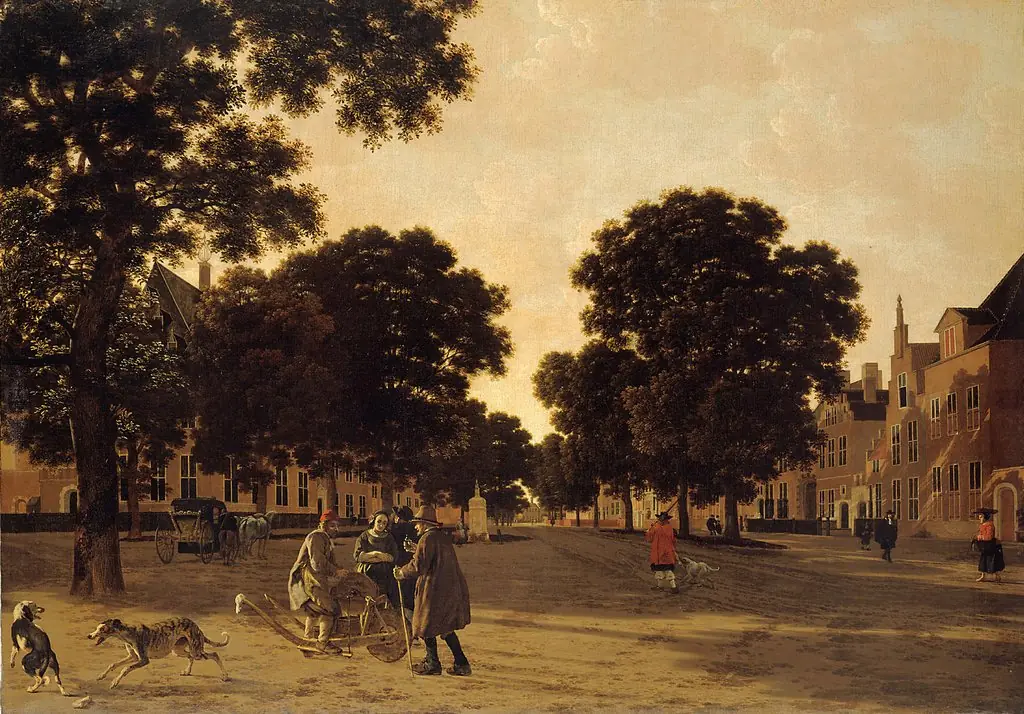 Ansicht des Kneuterdijk im Haag
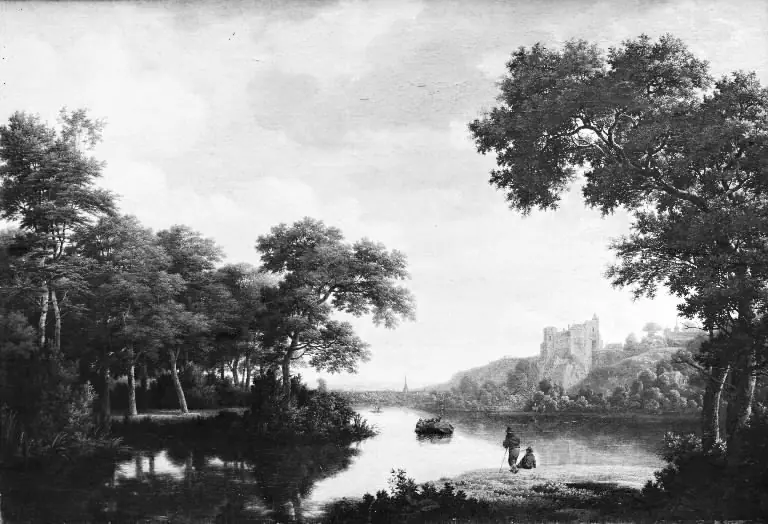 River Landscape
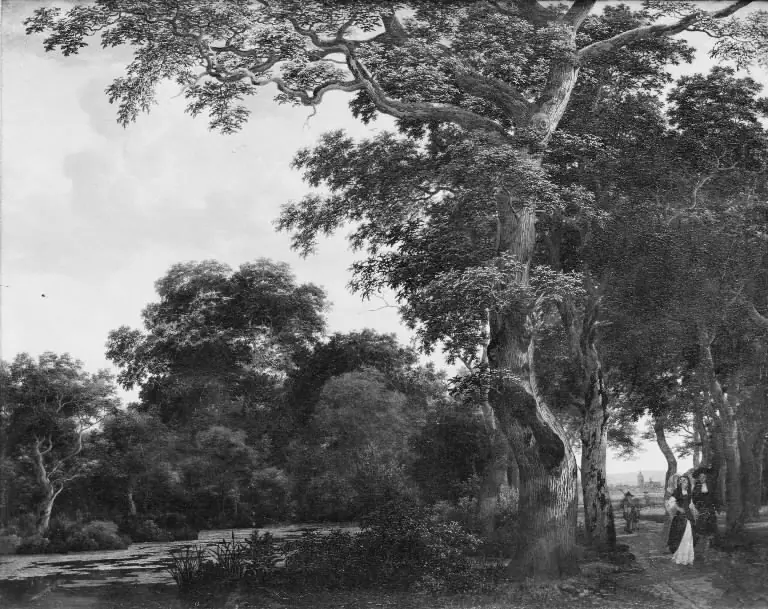 The Oak Avenue
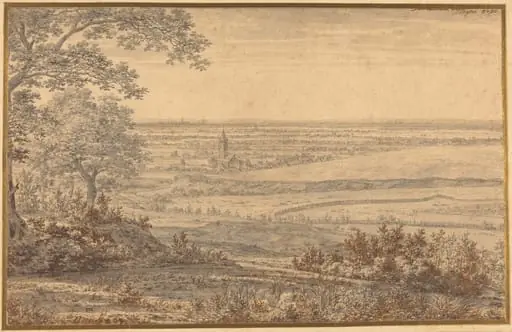 Extensive Landscape Seen from the Edge of a Forest