Artwork
Ōtsu-e Nirvana of the Buddha (Ōtsu-e Butsu Nehanzu)
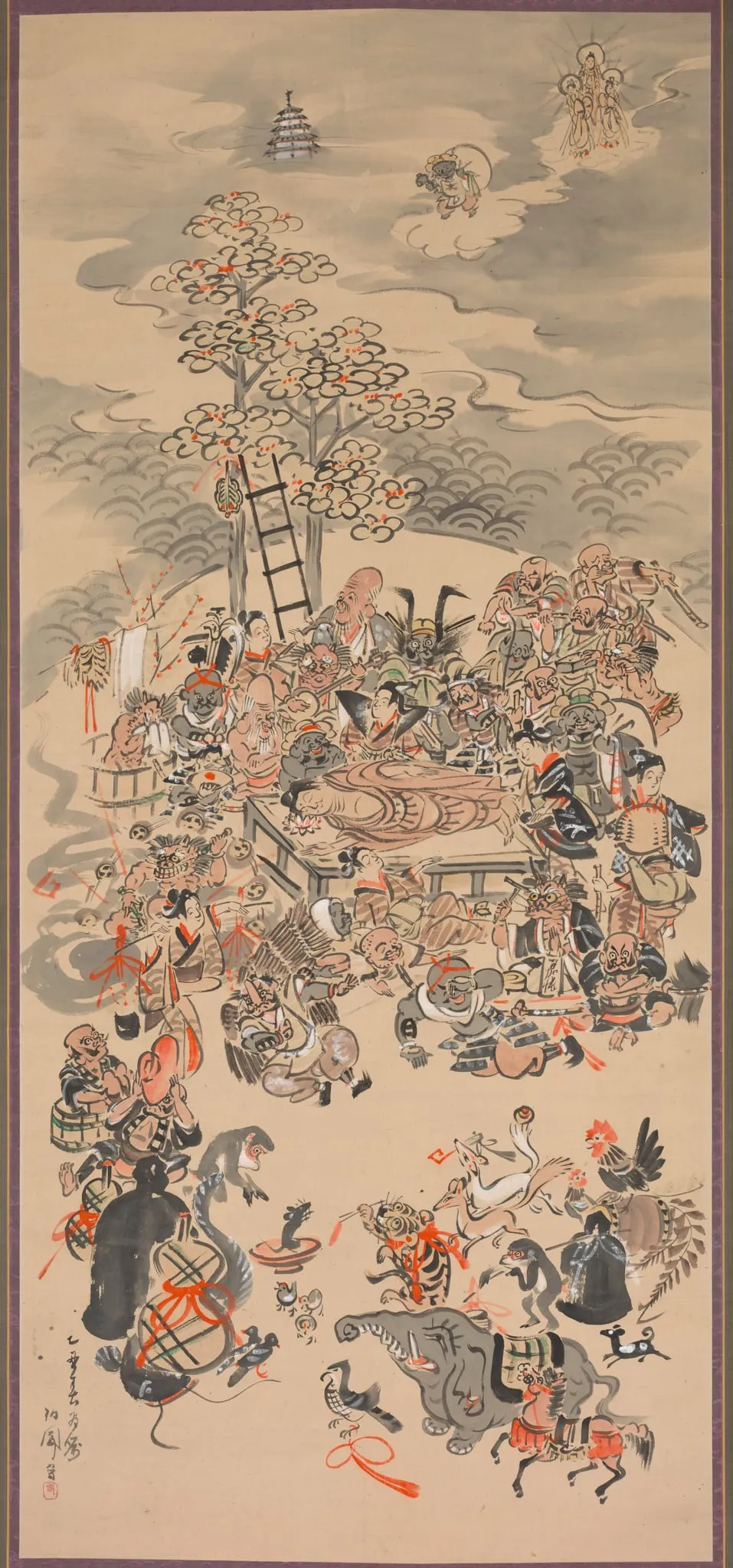
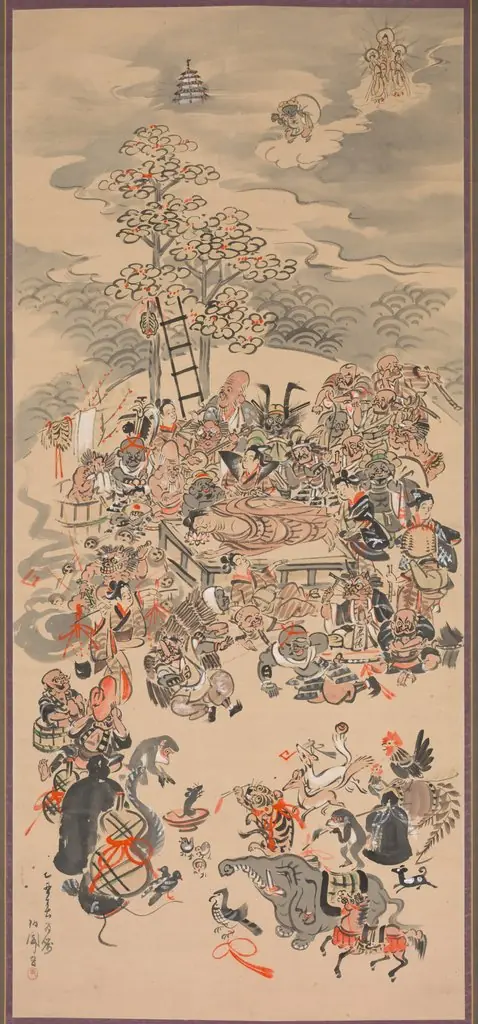
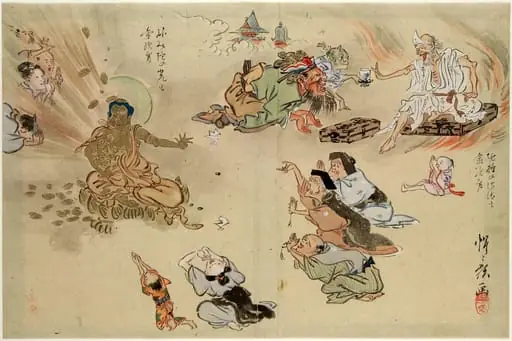
Ōtsu-e Nirvana of the Buddha (Ōtsu-e Butsu Nehanzu) is an unspecified painting by the Romanticist artist Hakuen. It dates from 1804 and is held in the collection of the Cleveland Museum of Art. The work presents a satirical take on the conventional depiction of the Buddha’s passing into nirvana.
About this work
If this quirky style grabs you, check out works by Hakuen (Japanese, active 1850–1870).
This painting shows a cartoonish Buddha lying down with a crowd around him. The mourners include a grinning demon dressed as a priest beating a gong. A wisteria maiden stands on the left looking bored.
Hakuen turned a serious scene into playful fun. The demon pretends to pray but his drum hides his smirk. Traditional nirvana art is calm, but here everyone acts silly.
If this quirky style grabs you, check out works by Hakuen (Japanese, active 1850–1870).
Overview
The work presents a satirical take on the conventional depiction of the Buddha’s passing into nirvana. Rather than a solemn tableau, the scene is filled with exaggerated characters surrounding a reclining Buddha, turning a moment of spiritual release into a lively, comic tableau that would have resonated with 19th‑century viewers familiar with Buddhist iconography.
Subject & Meaning
In traditional Buddhist art, the Buddha’s death marks his attainment of nirvana, ending the cycle of rebirth. Here the artist subverts that gravity, populating the space with mourners, a grinning demon masquerading as a priest, and a wisteria maiden, thereby mocking the ritualistic solemnity and inviting a playful reinterpretation of the event.
Technique & Style
Executed in the Ōtsu‑e folk‑painting tradition, the piece employs bold outlines and simplified forms characteristic of popular visual culture. The figures are rendered with a cartoonish quality, their exaggerated gestures and expressions emphasizing humor over reverence, while the composition retains the basic layout of classic nirvana scenes.
History & Provenance
Created by the Japanese artist Hakuen, active between roughly 1850 and 1870, the painting reflects the period’s appetite for vernacular reinterpretations of religious subjects. It was likely produced for a domestic audience that enjoyed the blend of sacred themes with the accessible, often irreverent style of Ōtsu‑e.
Context
During the late Edo and early Meiji eras, Ōtsu‑e flourished as a commercial art form, catering to travelers and urban consumers with inexpensive prints that combined familiar motifs and humor. This work exemplifies that trend, using recognizable Buddhist imagery as a vehicle for popular entertainment.
Artist & collection

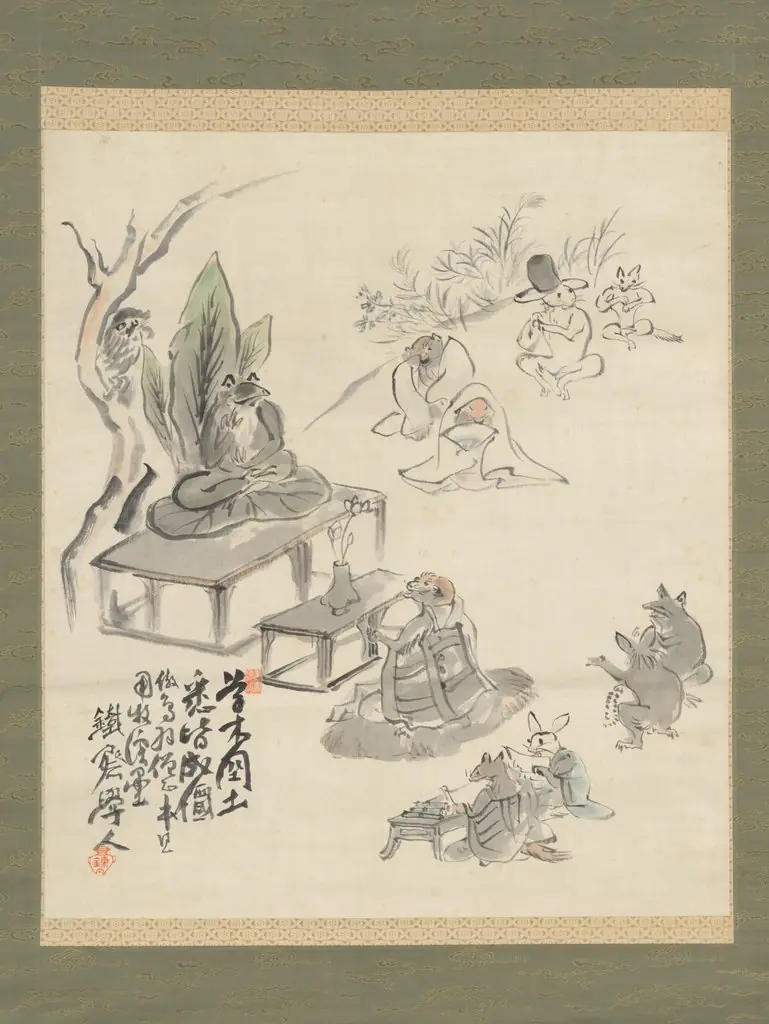 Scene Inspired by the Scrolls of Frolicking Animals and Humans
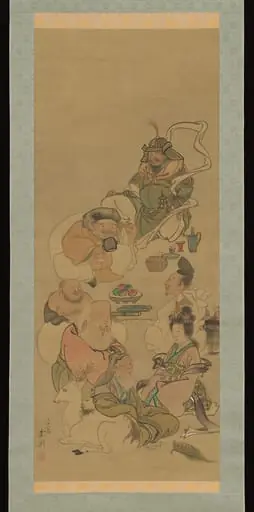 長澤蘆洲筆 七福神図|Seven Gods of Good Fortune
 Painting Party
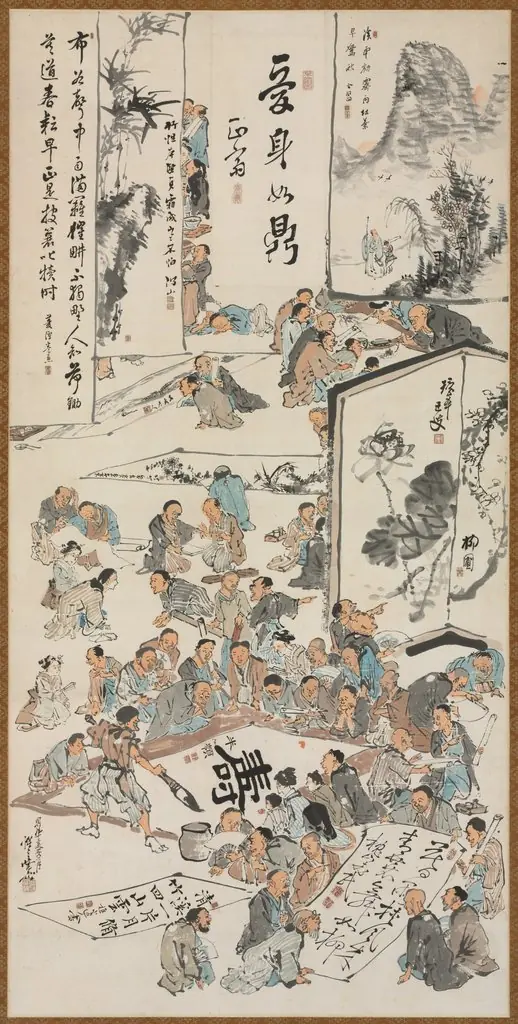 Painting Party
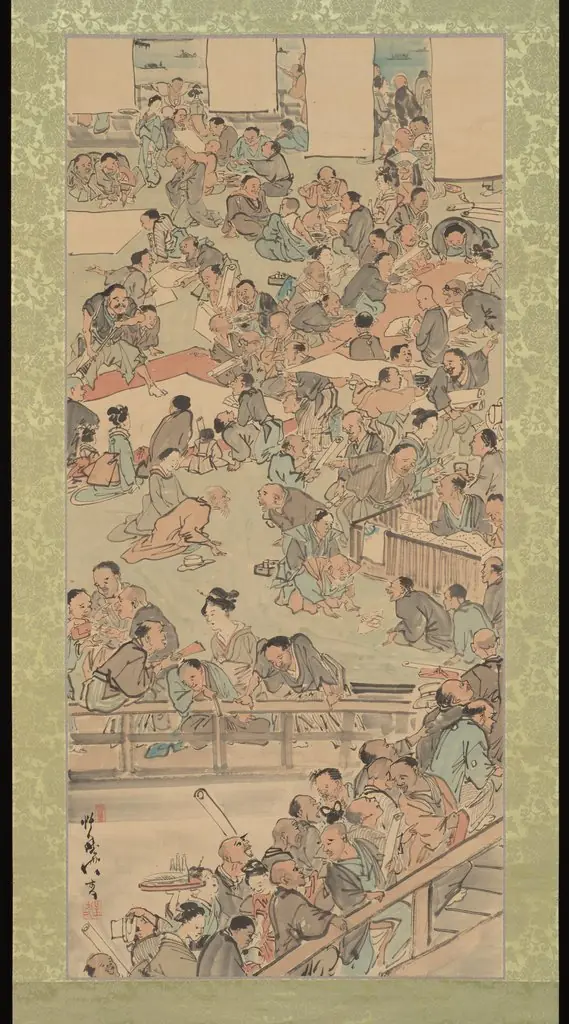 Painting and Calligraphy Gathering at the Nakamurarō in Ryōgoku 両国中村楼書画会之図 (Ryōgoku Nakamurarō shogakai no zu)
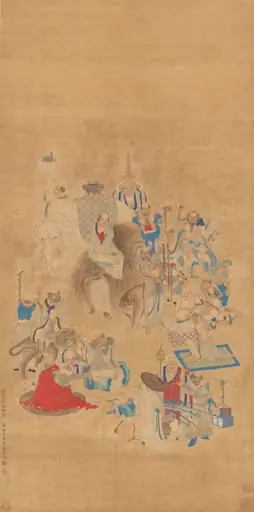 Bathing of the Buddha Festival
 Buddha
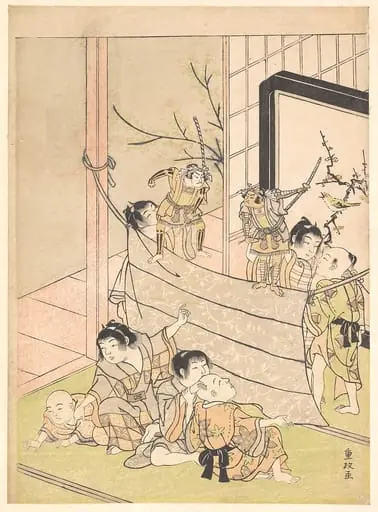 Untitled
 Eight Daoist Immortals