Artwork
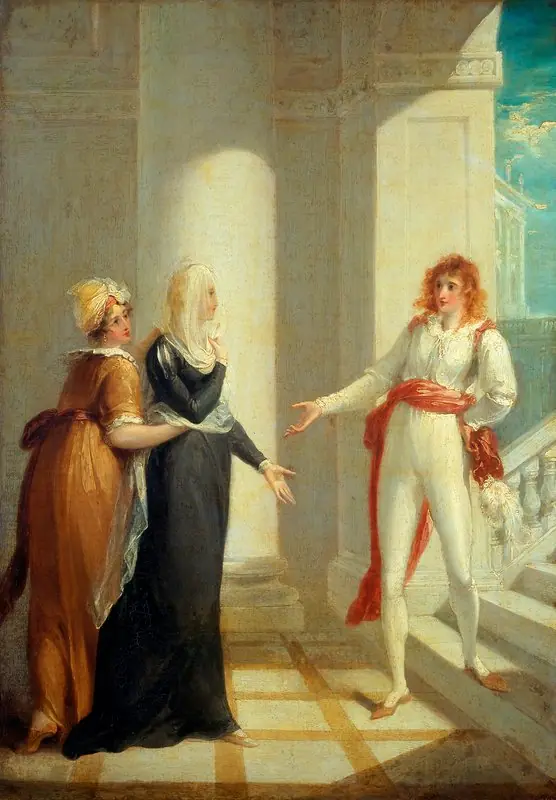
Scene from <font -i>Twelfth Night</font -i>: Maria, Olivia, Viola
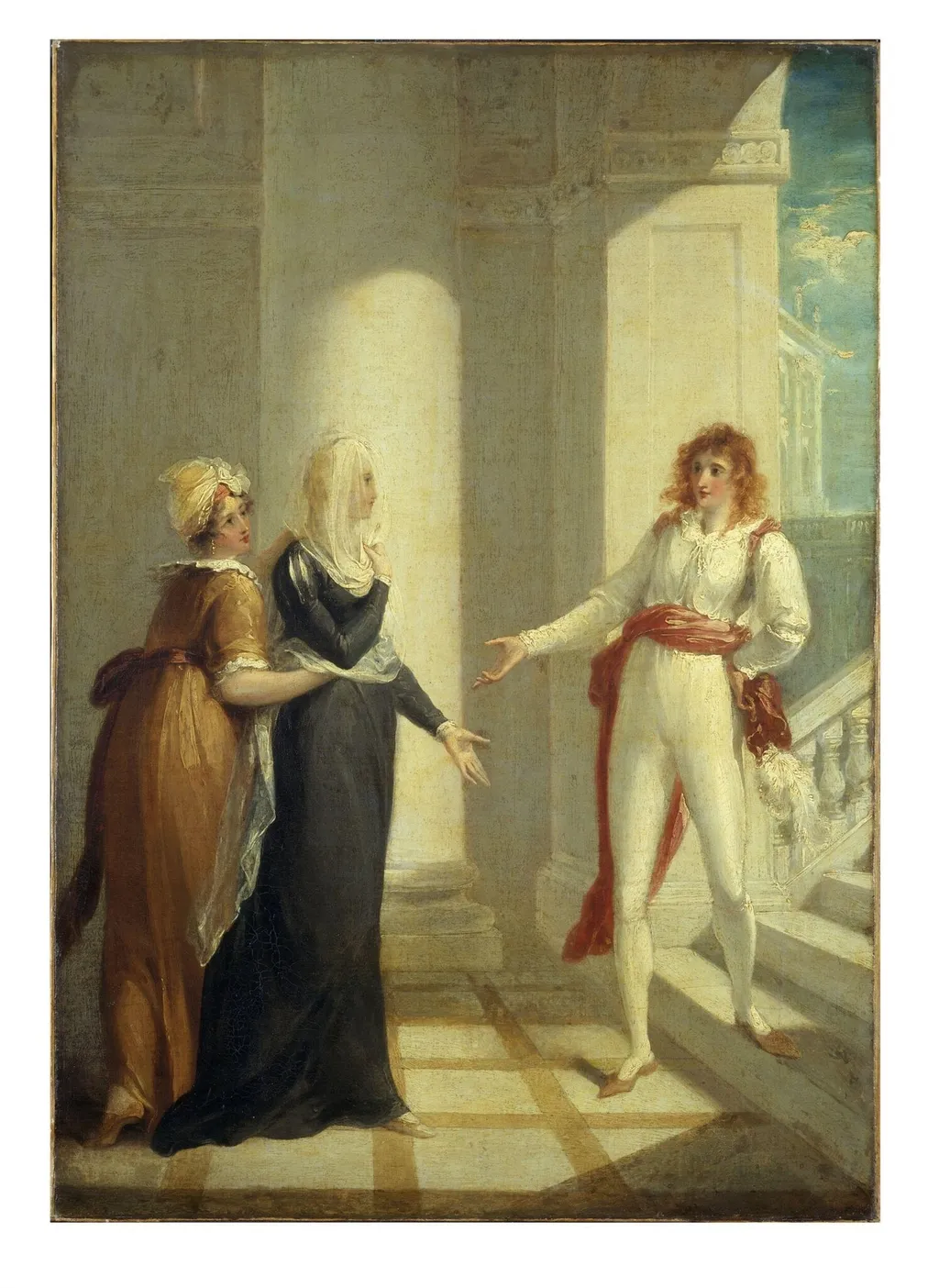
Scene from <font -i>Twelfth Night</font -i>: Maria, Olivia, Viola is an oil painting by the Rococo painting artist William Hamilton. It dates from 1789 and is held in the collection of the Victoria and Albert Museum.
About this work
Overview
This oil painting illustrates a moment from Shakespeare’s Twelfth Night, capturing Viola in male disguise as she meets Olivia and her attendant Maria.
This oil painting illustrates a moment from Shakespeare’s Twelfth Night, capturing Viola in male disguise as she meets Olivia and her attendant Maria. Created by John Hamilton, it was part of a series of twenty-three works commissioned for Josiah Boydell’s Shakespeare Gallery in London. The painting was exhibited between 1789 and 1805 and later reproduced as an engraving, contributing to the popular dissemination of Shakespearean imagery in late 18th-century Britain.
Subject & Meaning
The scene portrays Viola, disguised as the page Cesario, in a private encounter with Olivia and Maria. The tension of mistaken identity and unspoken desire central to the play is subtly conveyed through posture and gaze. Maria’s alert expression and Olivia’s reserved demeanor reflect the social and emotional complexities of the moment, grounding the theatrical drama in a quiet, intimate setting that invites contemplation rather than spectacle.
Technique & Style
Hamilton employed traditional oil painting methods, including glazing to achieve luminous skin tones and rich fabric textures. The composition is carefully balanced, with figures arranged to guide the viewer’s eye through the interaction. Soft lighting and restrained color harmonies reflect the influence of academic portraiture, while the detailed rendering of clothing and interior elements underscores a commitment to historical and textual fidelity.
History & Provenance
Commissioned by publisher Josiah Boydell for his Shakespeare Gallery, the painting was one of twenty-three works intended to elevate British art through literary themes. It was displayed publicly in Pall Mall from 1789 until the gallery’s closure in 1805. After its exhibition, the painting was reproduced as an engraving, broadening its reach. Its subsequent ownership history remains largely undocumented beyond its initial public display.
Context
The painting emerged during a period of renewed interest in Shakespeare as a national cultural icon. Boydell’s gallery was part of a broader movement to align British art with literary heritage, positioning painting as a vehicle for moral and intellectual engagement. Hamilton’s work reflects this ambition, translating theatrical narrative into visual form for an audience increasingly invested in the cultural authority of the stage.
Legacy
Though not widely known today, Hamilton’s painting contributed to the visual vocabulary of Shakespearean illustration in the late 18th century. Its inclusion in Boydell’s project helped standardize certain interpretations of Shakespearean characters, influencing later artists and engravers. The work remains a tangible artifact of an ambitious, if ultimately short-lived, cultural initiative to fuse fine art with literary tradition.
Artist & collection
Artist
William Hamilton painted actors and scenes from plays in the late 1700s. His real paintings include Sarah Siddons as Jane Shore and a Twelfth Night scene with Maria, Olivia, and Viola. He also made a watercolor copy of…

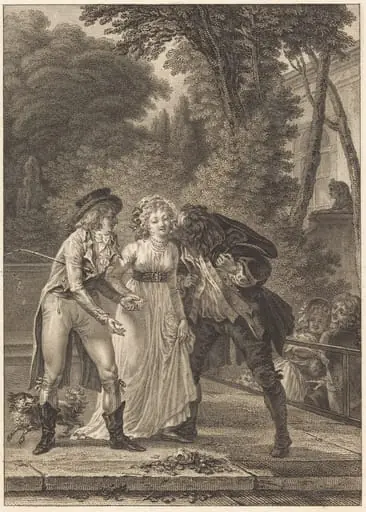 Le baiser rendu: Le baiser rendu
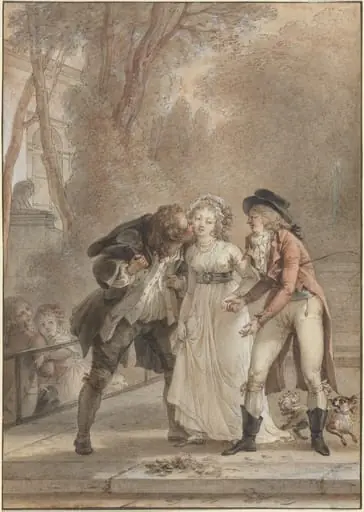 Loaned Kiss
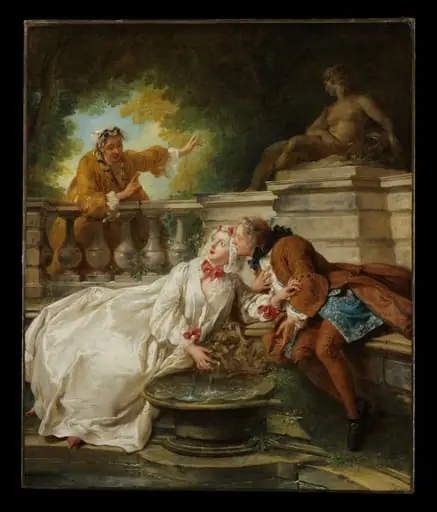 The Alarm
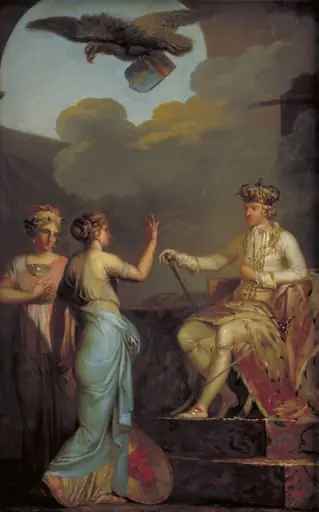 Christian VII Uniting the Ducal with the Royal Part of Holstein in 1773
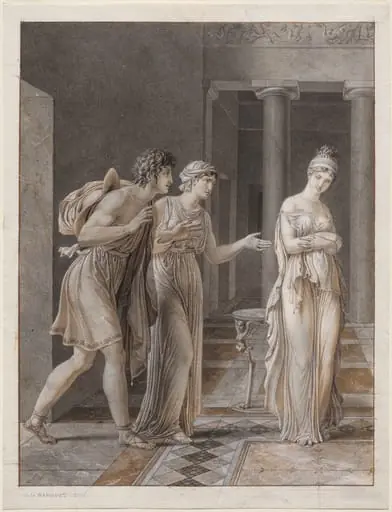 The Meeting of Orestes and Hermione
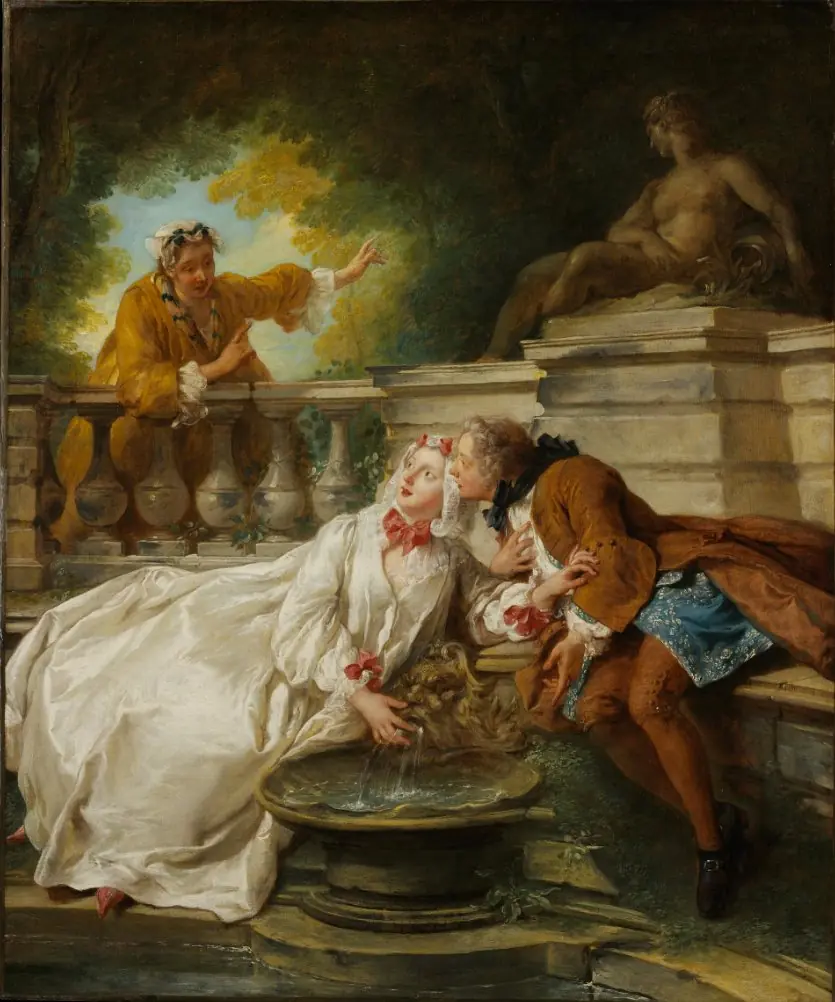 The Alarm
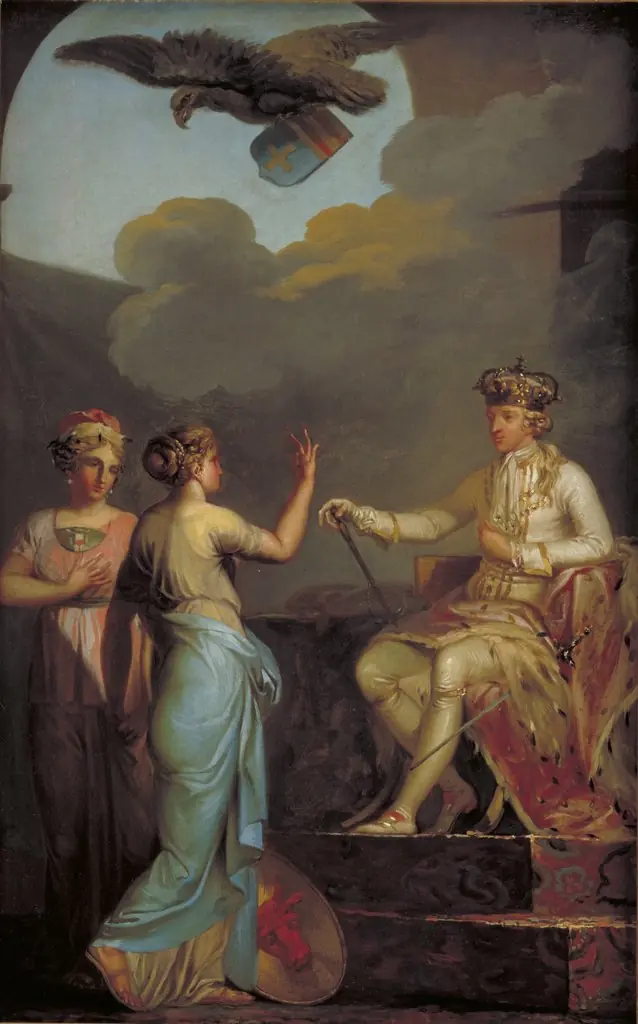 Christian VII Uniting the Ducal with the Royal Part of Holstein in 1767
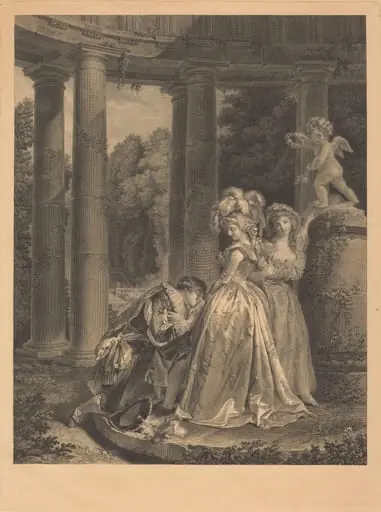 La Declaration
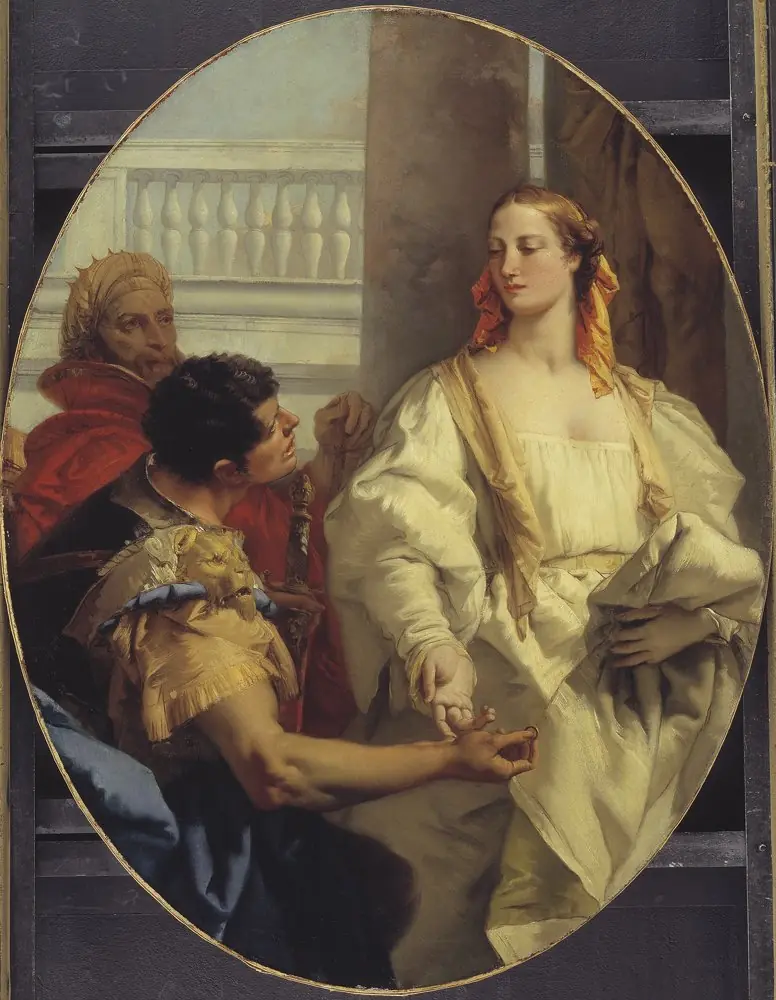 Latinus Offering his Daughter Lavinia to Aeneas in Matrimony
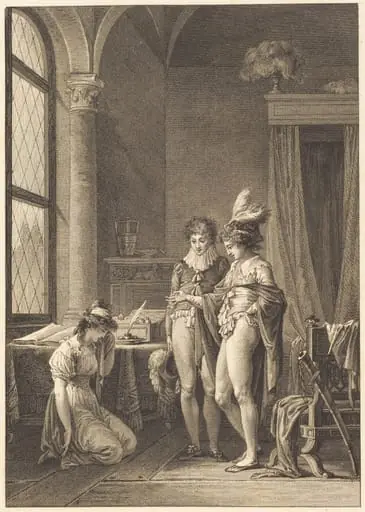 Joconde: Le pardon
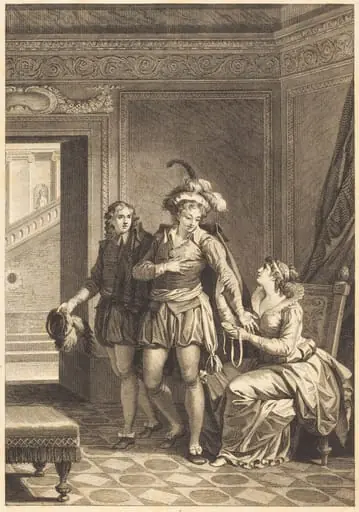 Joconde: Le depart
 Maria, Olivia and Viola from 'Twelfth Night' by William Shakespeare