Artwork
The Meeting of Orestes and Hermione
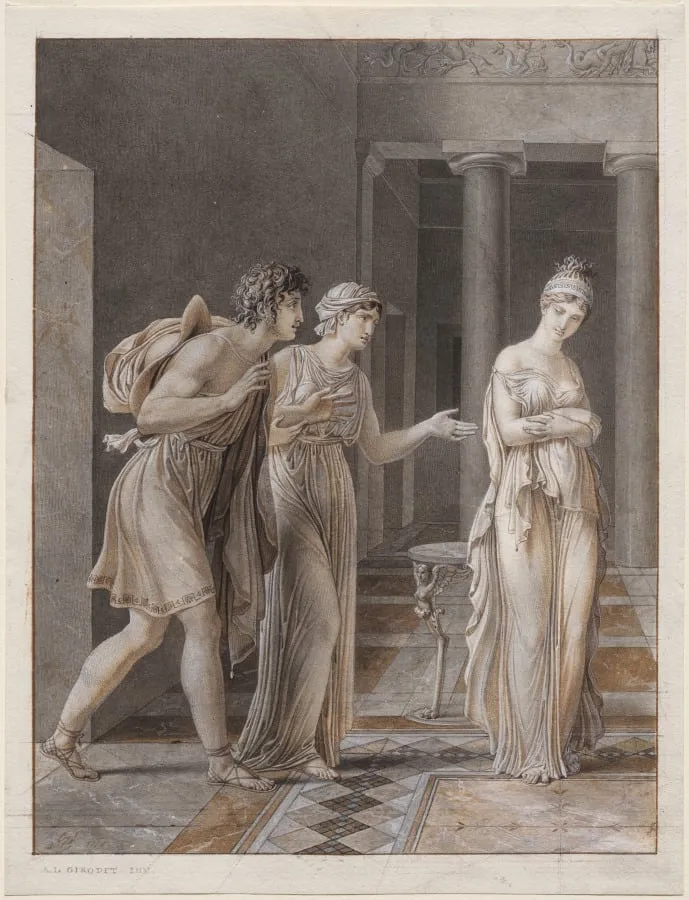
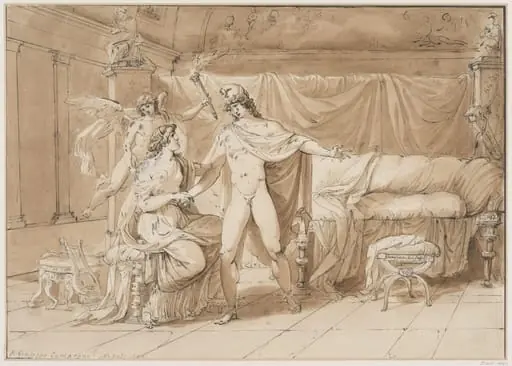
The Meeting of Orestes and Hermione is a drawing by the Romanticist artist Anne-Louis Girodet. It dates from 1800 and is held in the collection of the Cleveland Museum of Art.
About this work
Overview
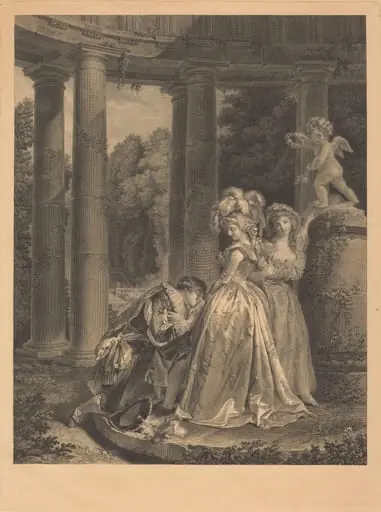
The scene captures a silent exchange between two figures, rendered with precise, delicate linework that emphasizes psychological nuance over dramatic action.
This drawing by Anne-Louis Girodet depicts a moment from Jean Racine’s tragedy Andromaque, created during a commission for a new edition of the playwright’s works. Though Jacques-Louis David was initially approached, he delegated the task to his pupil, who brought a lyrical sensitivity to the literary subject. The scene captures a silent exchange between two figures, rendered with precise, delicate linework that emphasizes psychological nuance over dramatic action.
Subject & Meaning
The drawing illustrates the moment when Cléone, a servant, introduces Orestes to Hermione. Orestes, consumed by unrequited love, approaches with visible longing, while Hermione, aware of his devotion, remains emotionally distant. Her folded arms and turned posture suggest control and calculation; her subtle backward glance reveals her intent to manipulate him. The scene embodies themes of emotional exploitation and psychological tension central to Racine’s drama.
Technique & Style
Girodet employs fine, controlled lines and subtle tonal gradations to convey texture and mood. Unlike his teacher David’s sculptural clarity, his approach is softer, with a focus on atmospheric delicacy. The figures emerge from a restrained architectural setting, their forms defined by light and shadow rather than bold contours. The use of chiaroscuro enhances the emotional ambiguity, isolating the characters in a space that feels both grand and emotionally cold.
History & Provenance
Created around 1795–1800, the drawing was part of a series commissioned to illustrate new editions of Racine’s plays. Girodet’s illustrations were admired for their literary fidelity and emotional subtlety. The work remained within French artistic circles, later entering public collections where it is now recognized as a key example of early 19th-century French draftsmanship tied to classical tragedy.
Context
In post-Revolutionary France, there was renewed interest in classical literature as a source of moral and emotional reflection. Artists turned to ancient and Renaissance drama to explore human psychology under pressure. Girodet’s drawing reflects this trend, using the stage of Racine’s tragedy to examine power, desire, and manipulation—themes resonant in a society redefining personal and political relationships.
Legacy
Girodet’s drawing stands as a refined example of literary illustration in the transition from Neoclassicism to Romanticism. Its quiet intensity and psychological depth influenced later artists seeking to convey inner states through gesture and composition. While less celebrated than his paintings, this work remains a significant study in the expressive potential of line and light in narrative drawing.
Artist & collection
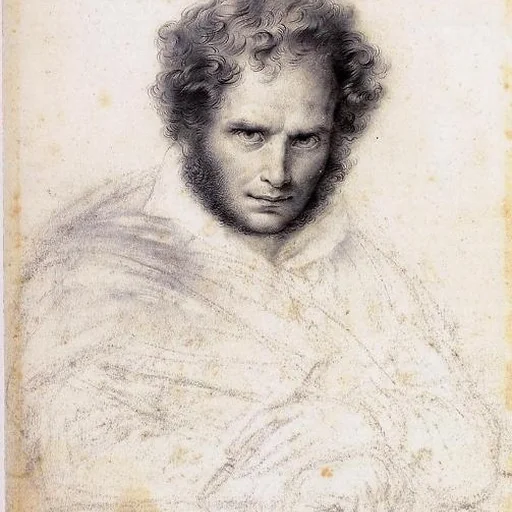
Artist
Anne-Louis Girodet de Roussy-Trioson (French pronunciation: ; or de Roucy), also known as Anne-Louis Girodet-Trioson or simply Girodet (29 January 1767 – 9 December 1824), was a French painter and pupil of Jacques-Louis…

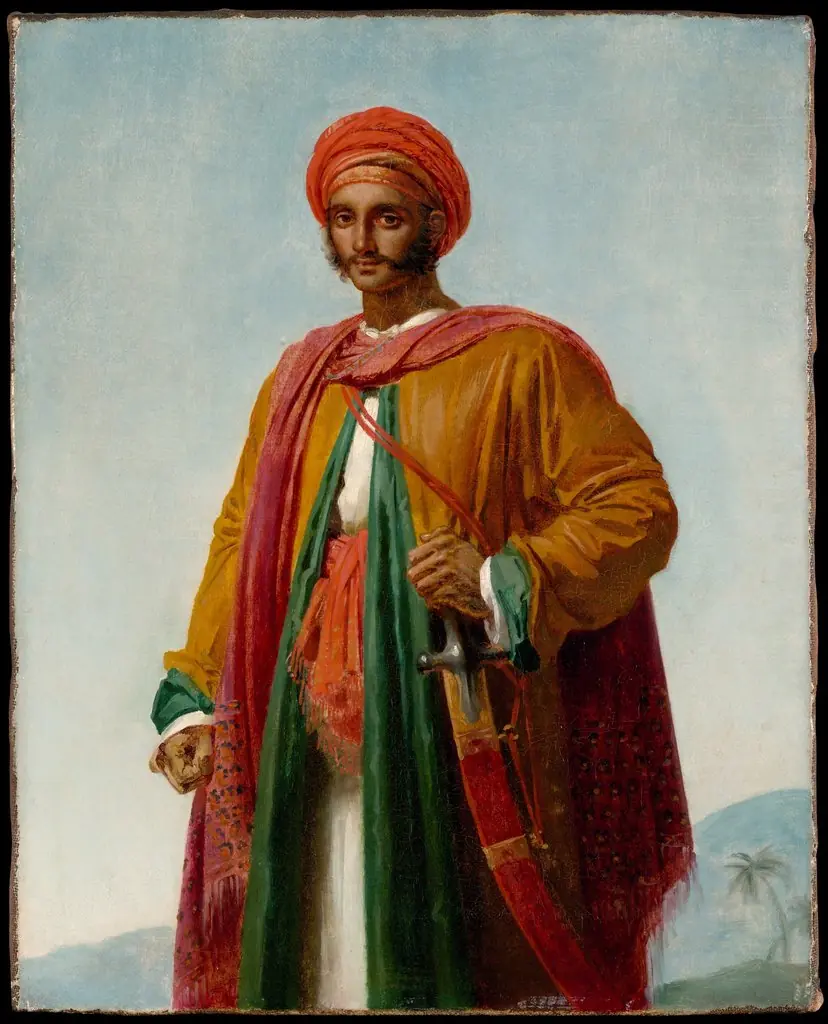 Study for "Portrait of an Indian"
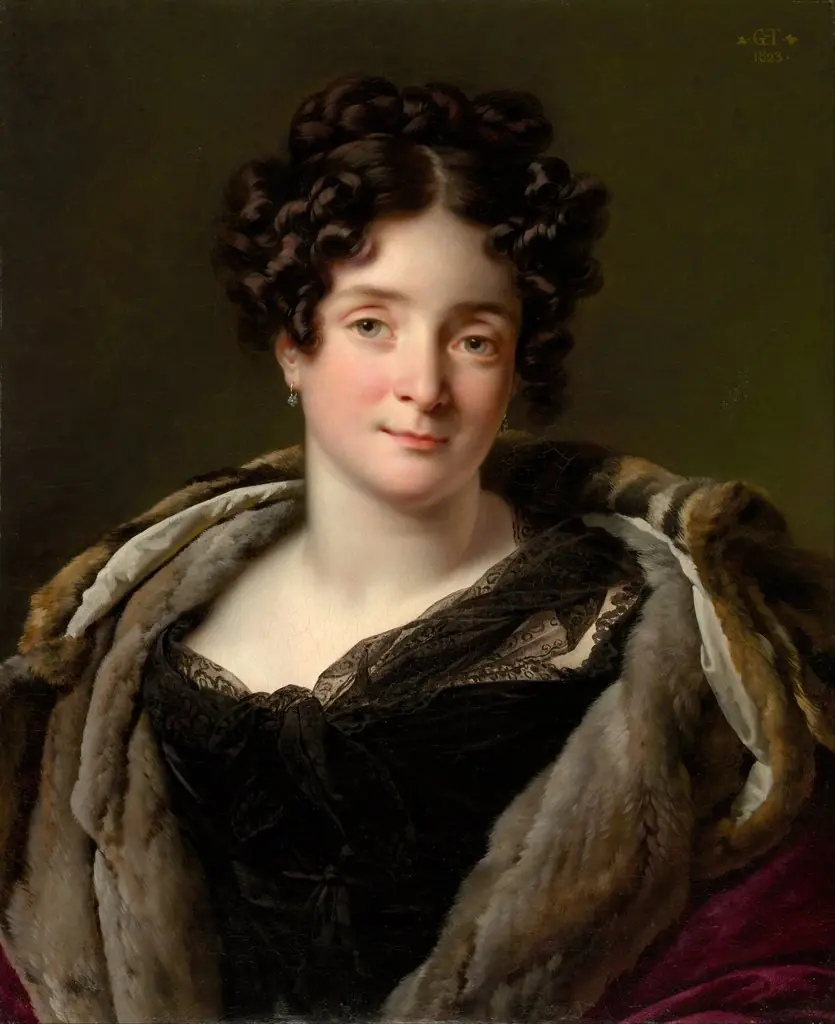 Madame Jacques-Louis-Étienne Reizet (Colette-Désirée-Thérèse Godefroy, 1782–1850)
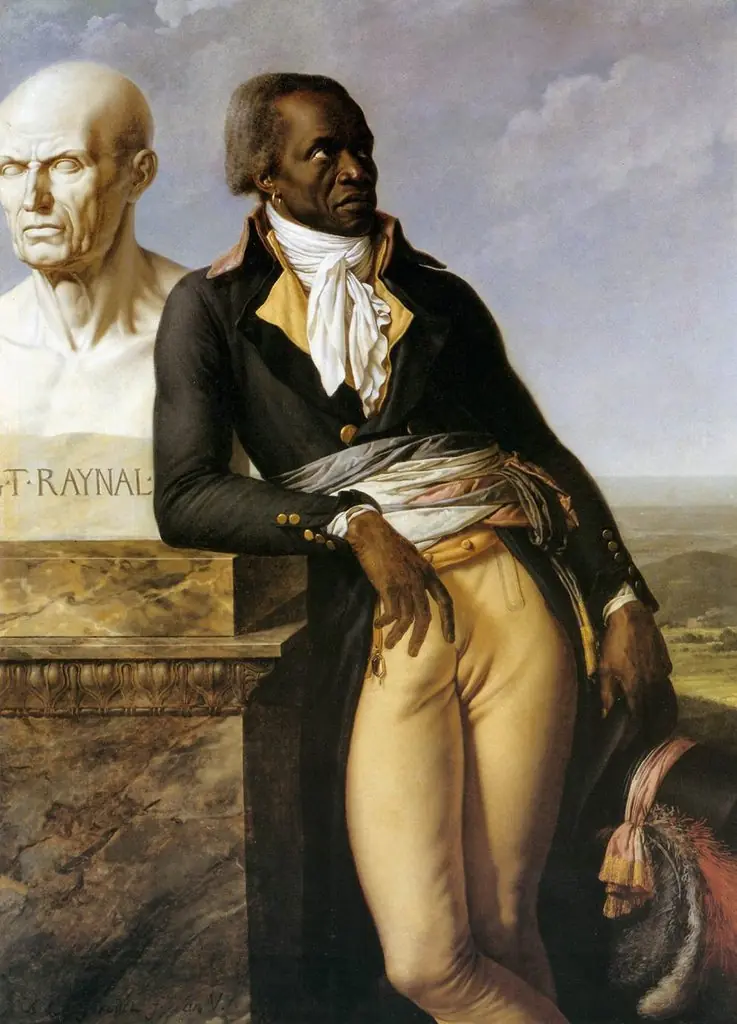 Jean-Baptiste Belley, member of the National Convention
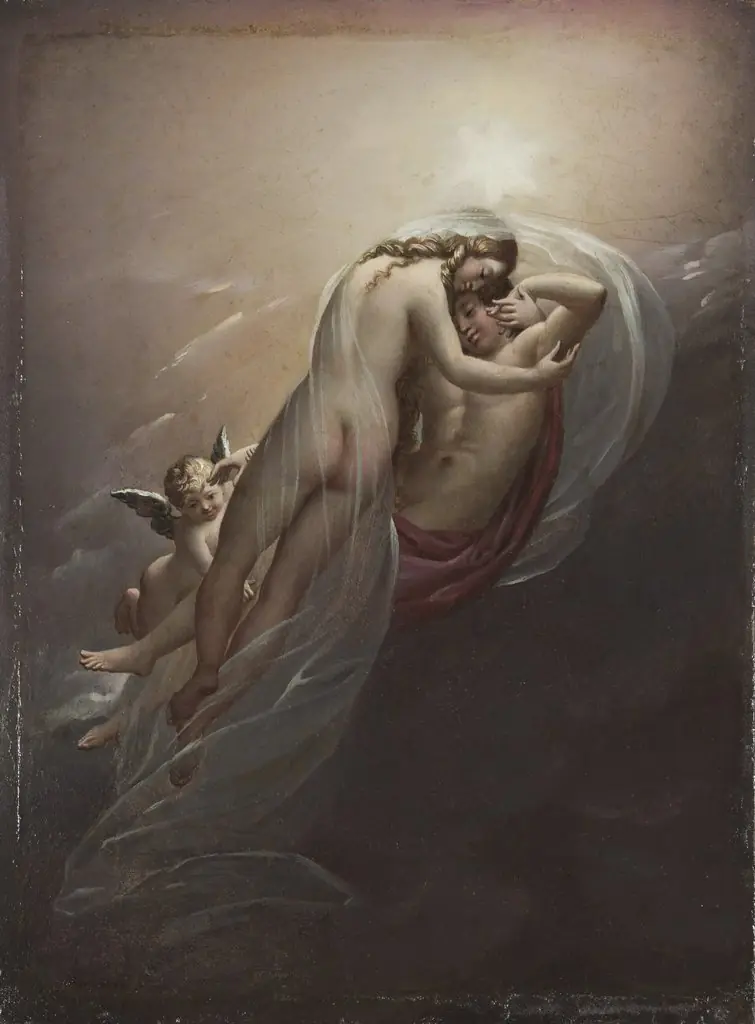 Aurora and Cephalus
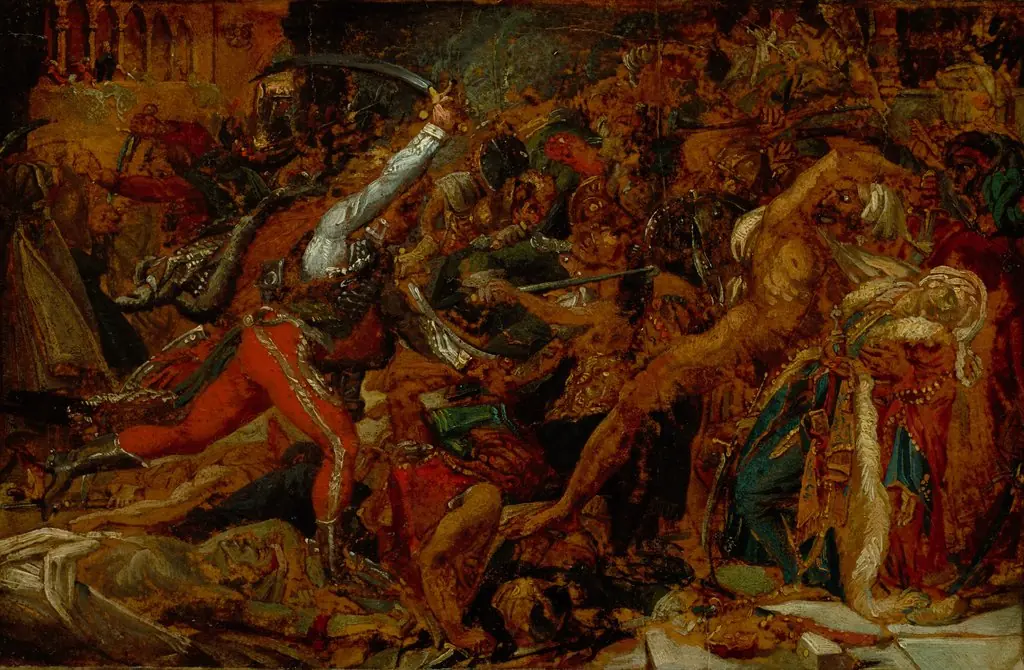 Sketch for "The Revolt at Cairo"
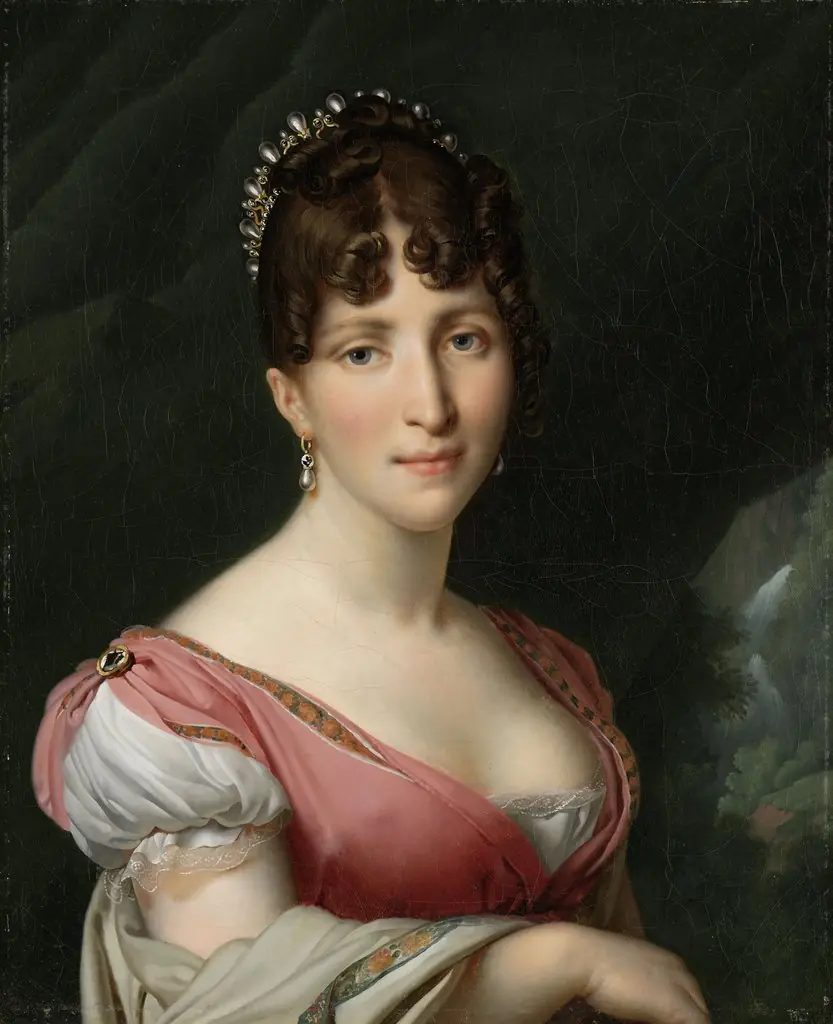 Portrait of Hortense de Beauharnais, Queen of Holland
 Head of a Woman in a Turban
 Self-Portrait