Artwork
The Altar of the Three Kings
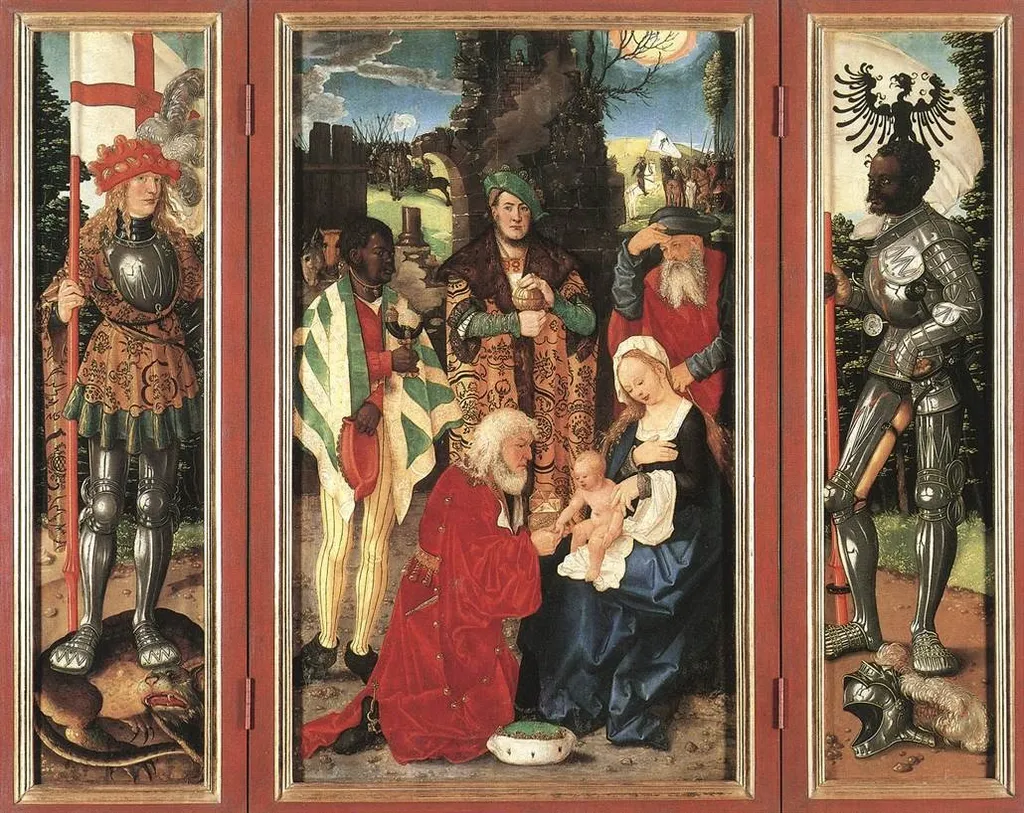
The Altar of the Three Kings is a paint painting by the Northern Renaissance artist Hans Baldung Grien. It dates from 1506 and is held in the collection of the Gemäldegalerie Berlin.
About this work
Overview
The Altar of the Three Kings, created in 1506 by German artist Hans Baldung Grien, is a tempera painting on a religious theme, comprising three panels. It is part of the German Renaissance and Mannerism movements, characterized by vivid colors and detailed imagination.
Subject & Meaning
The painting depicts the Adoration of the Magi. The left panel shows a armored figure with a red cross-tipped staff and distinctive attire; the central panel focuses on a group surrounding a woman and baby, with a kneeling figure in a red robe; the right panel features another armored figure holding a white flag with a black eagle. The scene is set outdoors.
Technique & Style
Baldung Grien's use of vibrant colors (notably reds, greens, and blues) and outdoor setting with visible trees and a blue sky, suggests an influence of chiaroscuro, though the primary technique here is tempera. The work reflects the artist's training under Albrecht Dürer.
History & Provenance
Created in 1506 by Hans Baldung Grien, a student of Albrecht Dürer, the painting is currently housed in the Gemäldegalerie Berlin.
Context
As a product of the German Renaissance and early Mannerism, the painting blends traditional religious themes with the emerging expressive and imaginative elements of the time.
Legacy
While specific lasting impacts of *The Altar of the Three Kings* are not widely documented, it contributes to the broader understanding of Baldung Grien's contributions to the transition from Renaissance to Mannerist styles in German art.
Artist & collection
Artist
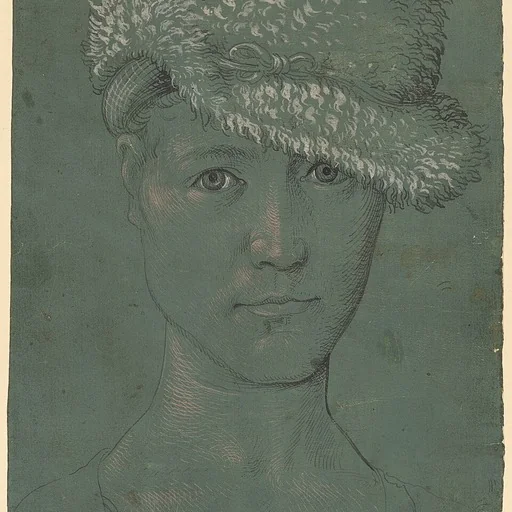
Hans Baldung (1484 or 1485 – September 1545), called Hans Baldung Grien, (being an early nickname, because of his predilection for the colour green), was a painter, printer, engraver, draftsman, and stained glass…

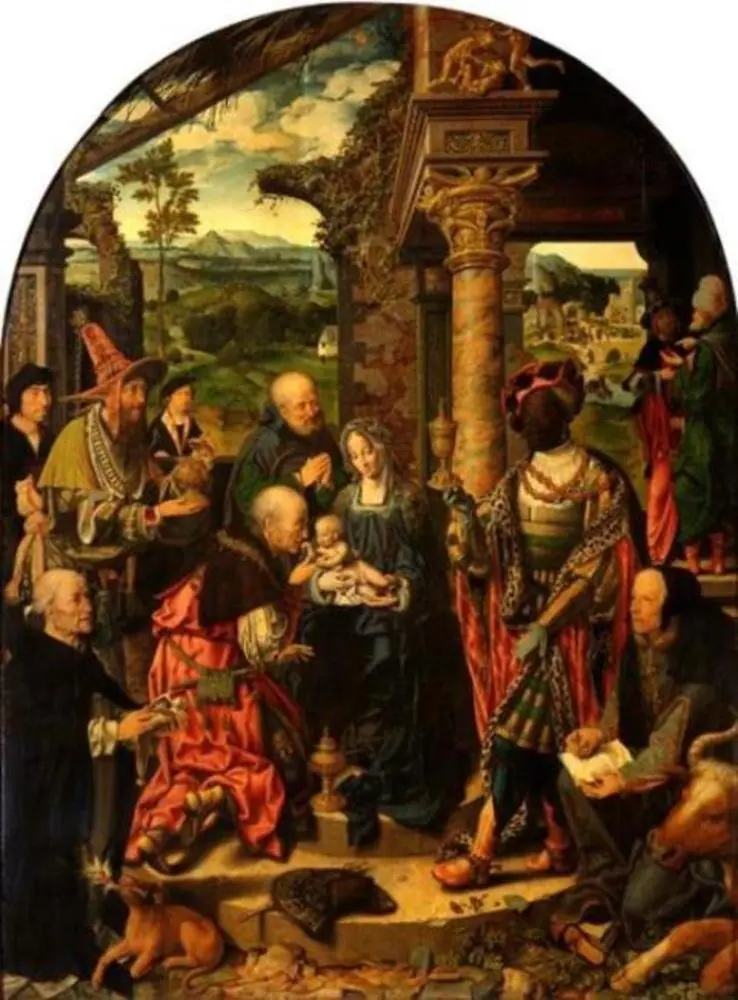 The large Adoration of the Kings
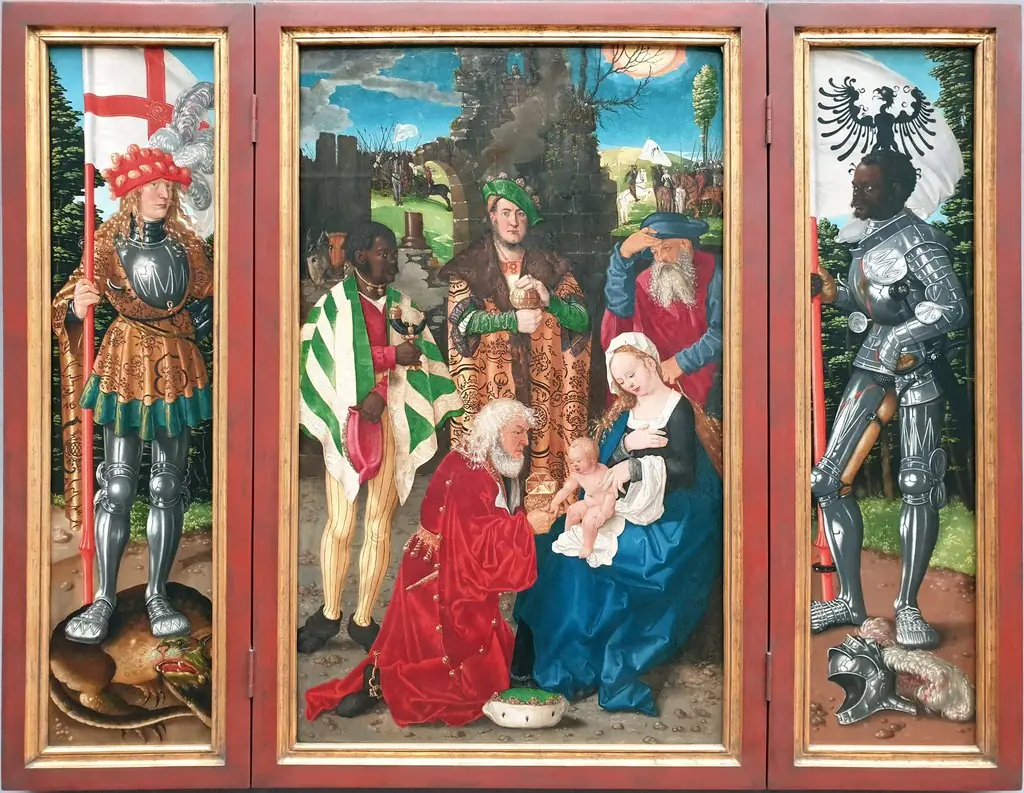 Der Dreikönigsaltar Innentafeln: Anbetung der Könige, der Heilige Georg und der Heilige Mauritius
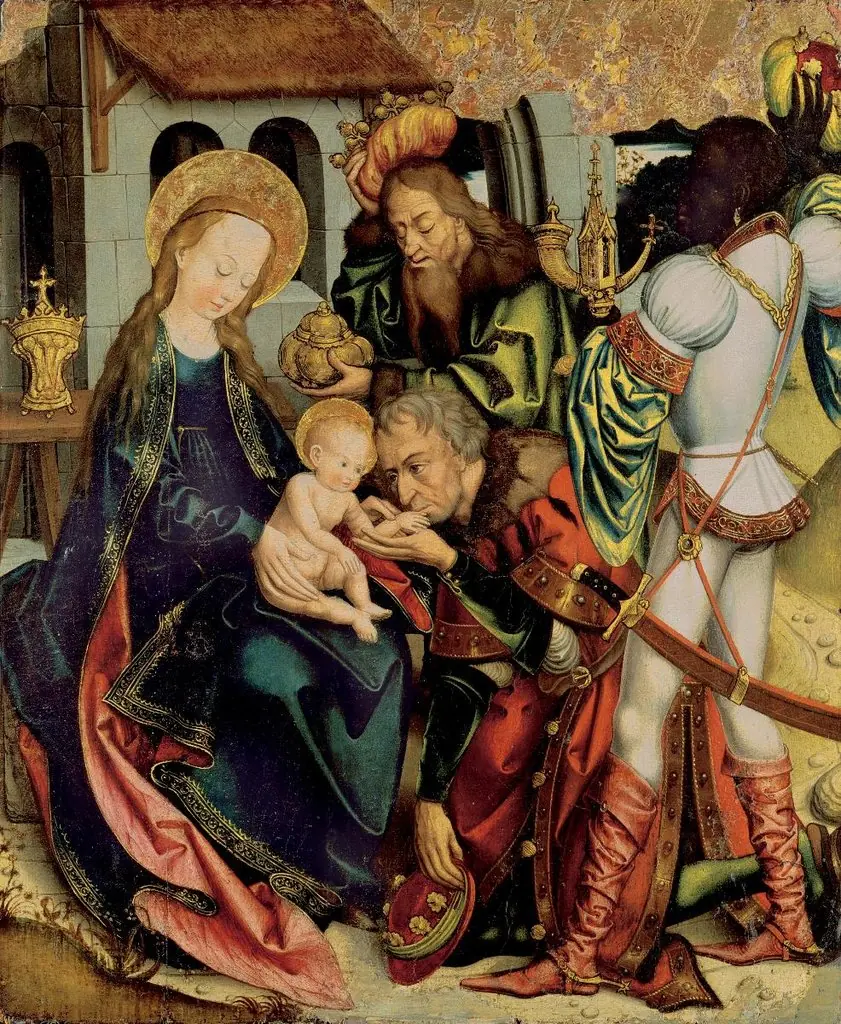 Anbetung der Heiligen Drei Könige
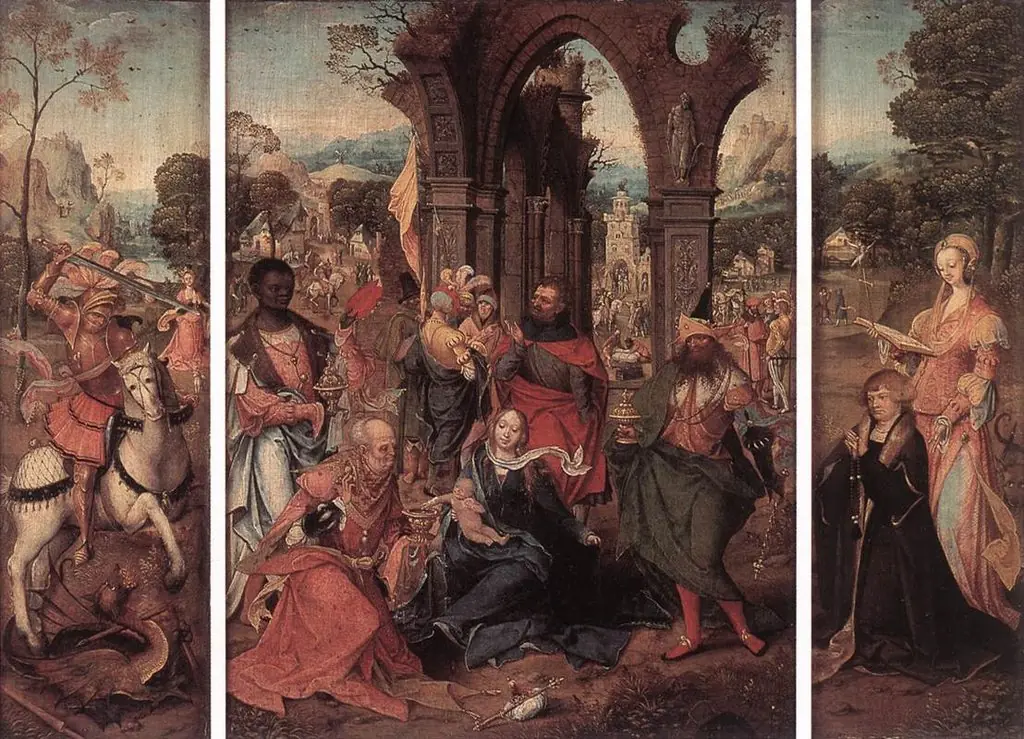 Adoration of the Magi
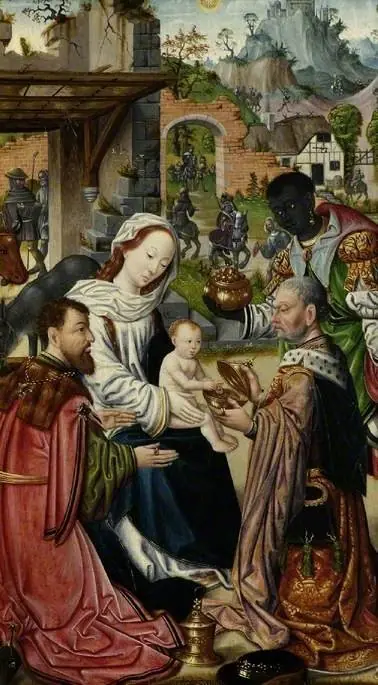 Adoration of the Kings (polyptych)
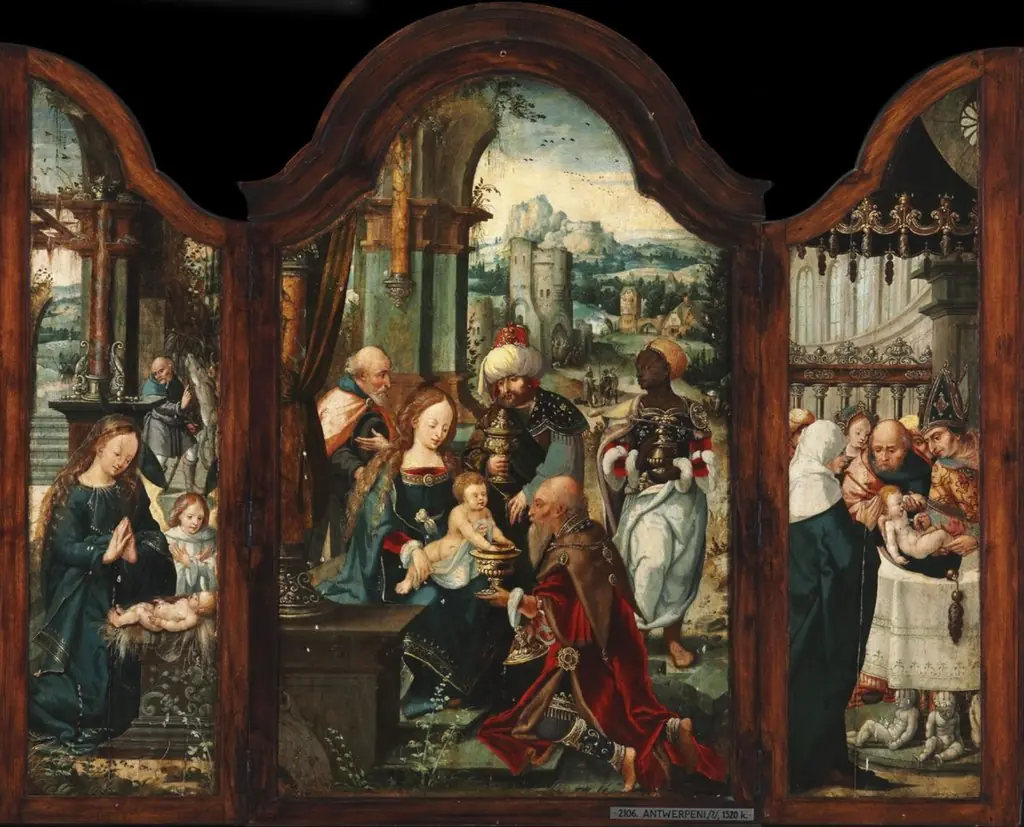 Triptych. Central panel: The Adoration of the Magi; left wing: The Nativity; right wing: The Circumcision
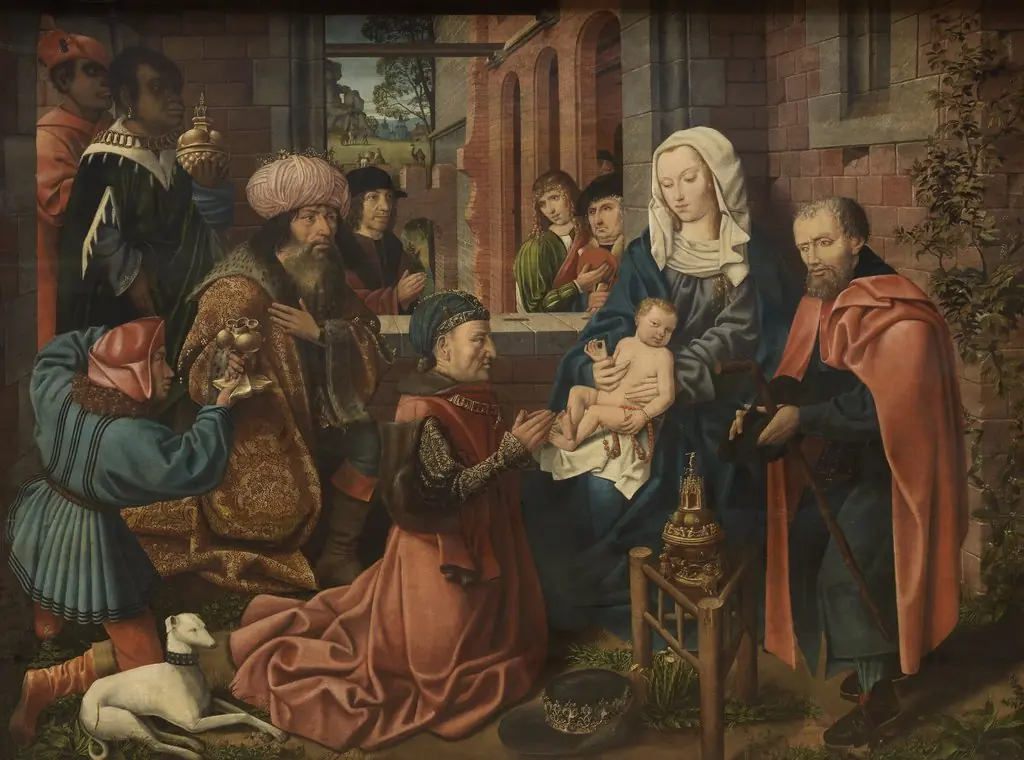 The Adoration of the Magi
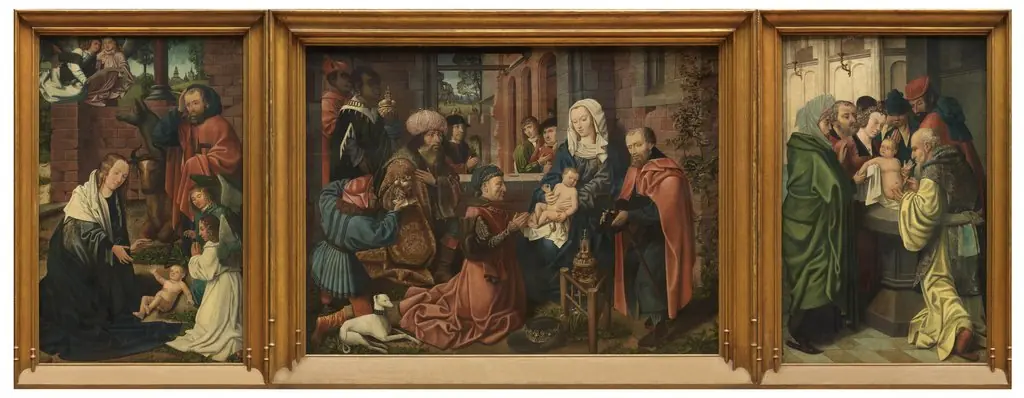 Epiphany Triptych
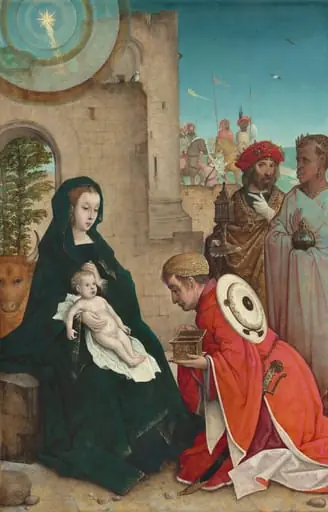 The Adoration of the Magi