Artwork
Epiphany Triptych
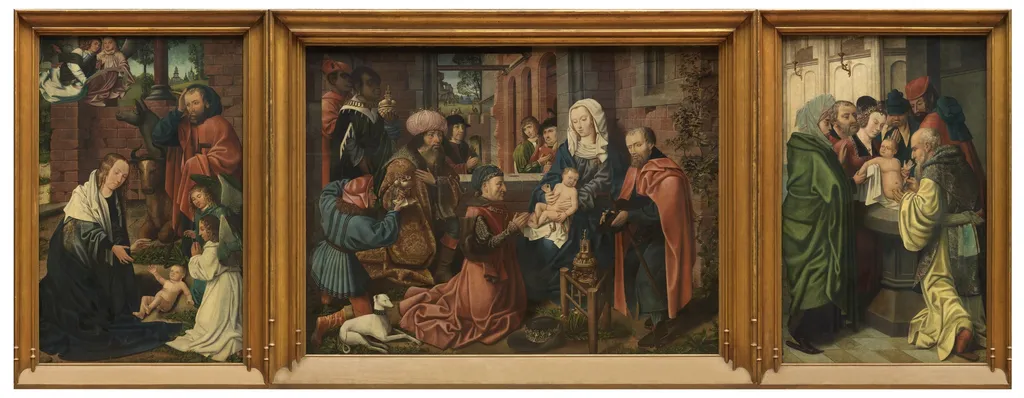
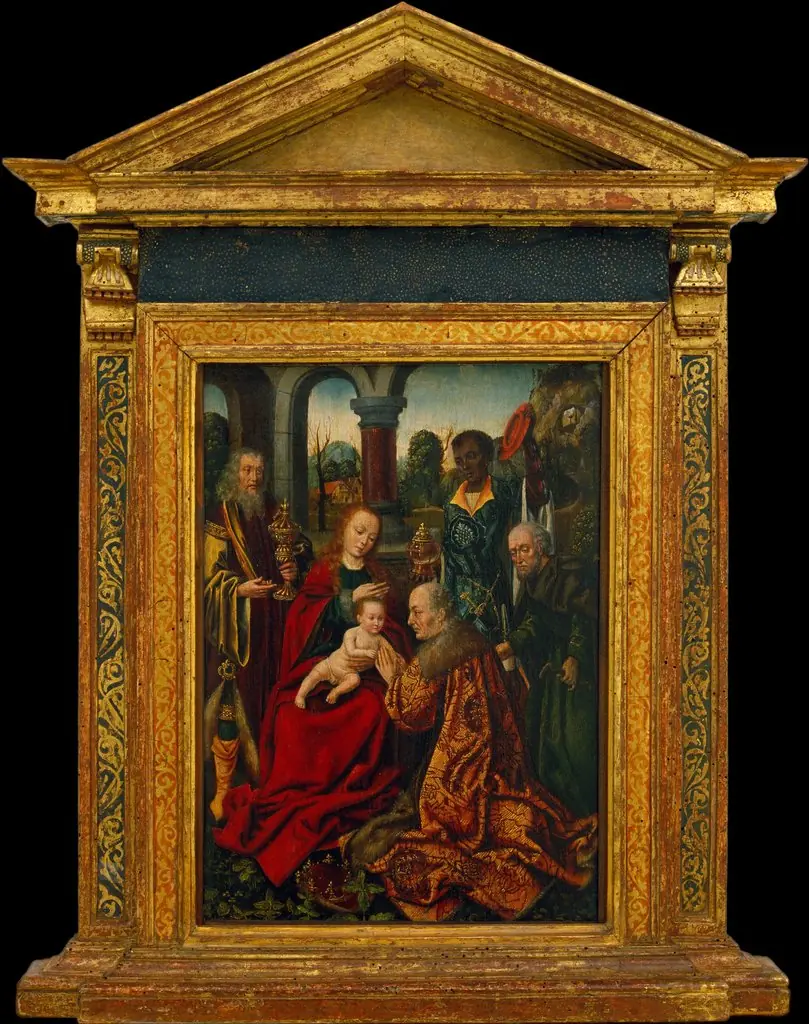
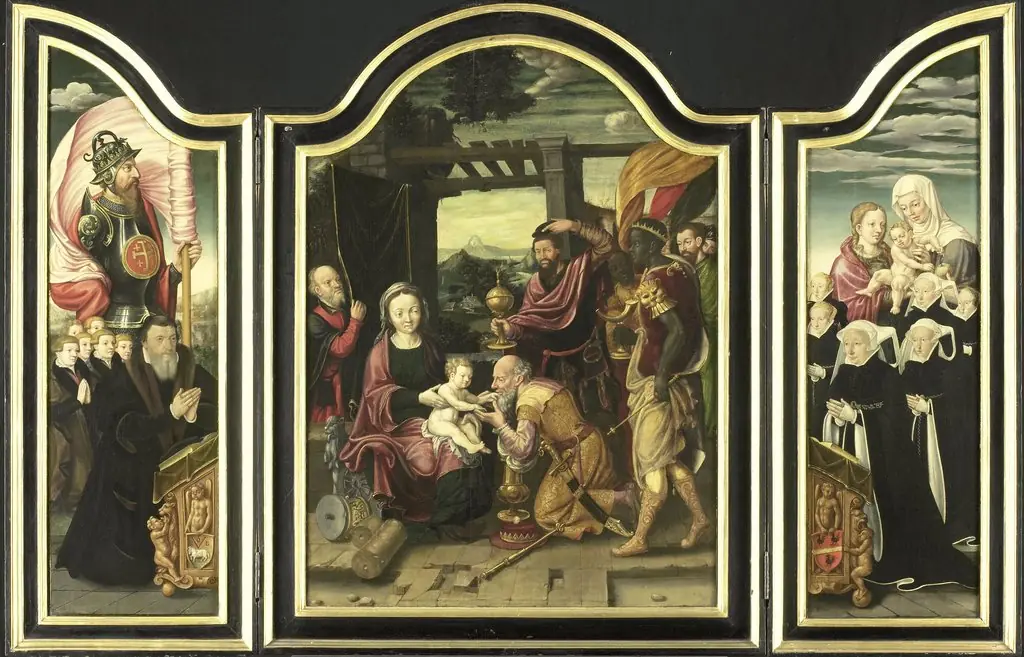
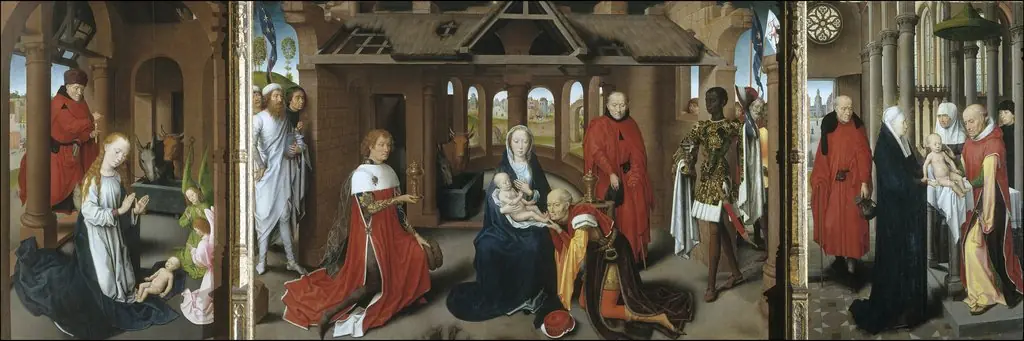
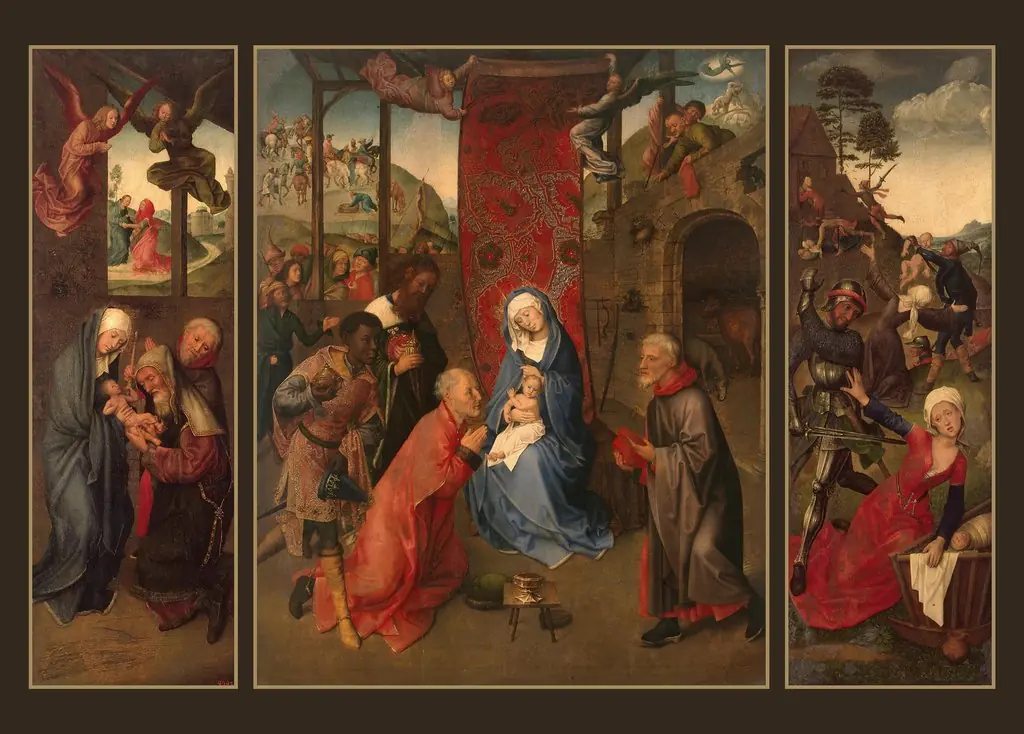
Epiphany Triptych is an oil painting by the Northern Renaissance artist Master of Frankfurt. It dates from 1500 and is held in the collection of the Vlaamse Kunstcollectie.
About this work
Overview
The Epiphany Triptych, executed in oil around 1500, is a three‑panel religious work attributed to the anonymous painter known as the Master of Frankfurt. Currently displayed in the Royal Museum of Fine Arts in Antwerp, the composition presents a narrative scene across three adjoining canvases, each centered on a figure with an infant.
Subject & Meaning
The central panel gathers a group around a table, foregrounding a woman cradling a baby, suggesting the biblical episode of the Epiphany.
The central panel gathers a group around a table, foregrounding a woman cradling a baby, suggesting the biblical episode of the Epiphany. Flanking scenes reinforce the theme: the left panel shows a kneeling woman in a dark dress and white shawl beside a child, while the right panel features a man in a green robe standing beside a table bearing another infant, emphasizing the universal recognition of the newborn.
Technique & Style
Rendered in oil, the work displays a restrained background that directs attention to the richly detailed costumes. The palette incorporates vivid reds, deep blues, and verdant greens, while the textures of fabric are meticulously modeled, revealing the Master of Frankfurt’s command of light, surface and compositional balance across the triptych format.
History & Provenance
Created at the turn of the sixteenth century, the triptych entered the collection of the Royal Museum of Fine Arts Antwerp, where it remains a key example of Northern Renaissance devotional painting. Its attribution to the Master of Frankfurt reflects scholarly consensus based on stylistic parallels with other works from the artist’s oeuvre.
Artist & collection

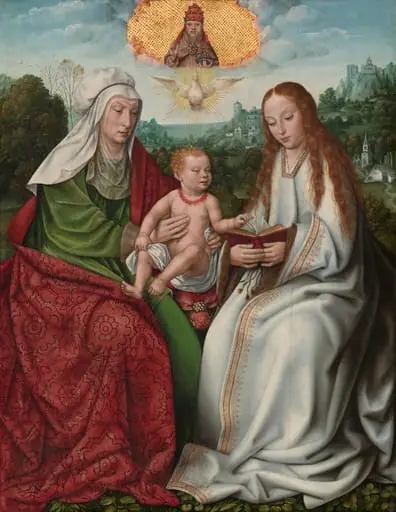 Saint Anne with the Virgin and the Christ Child
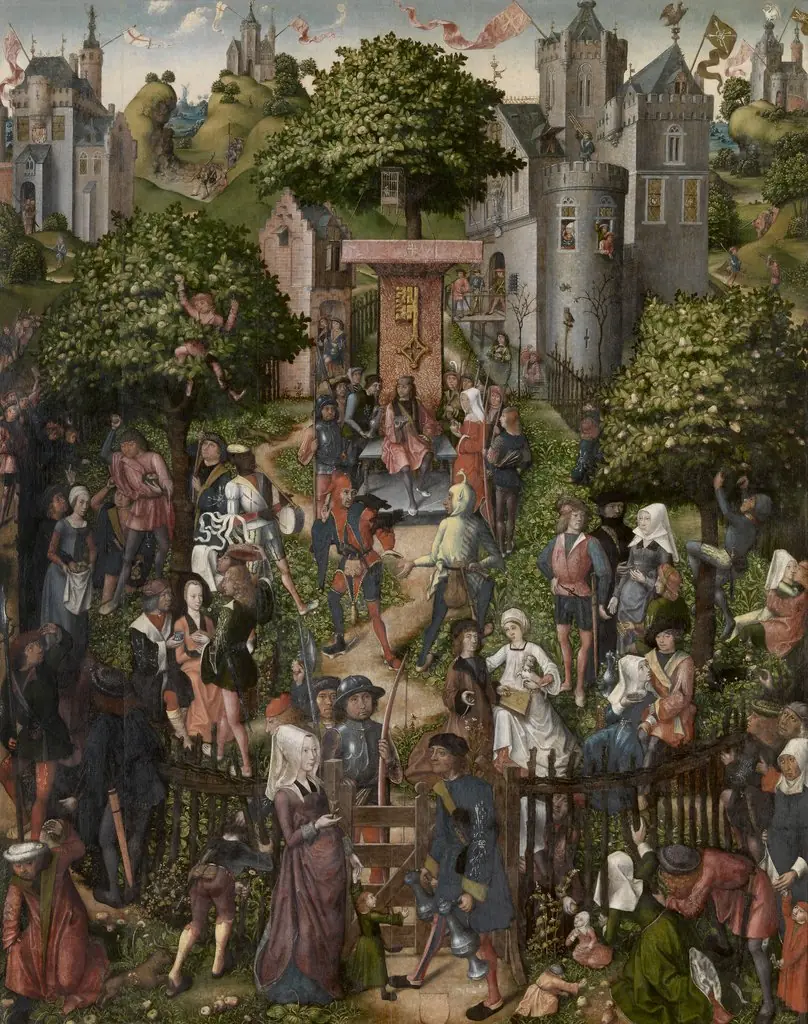 Festival of the Archers
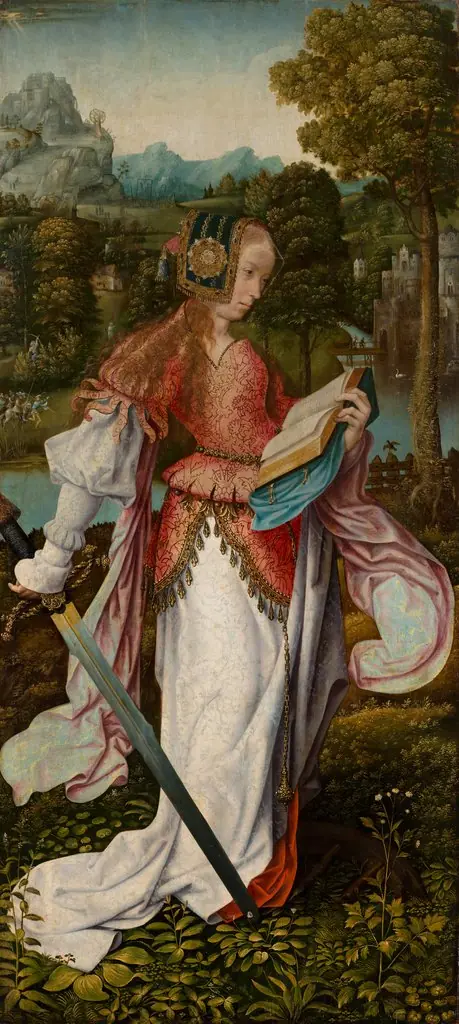 Saint Catherine
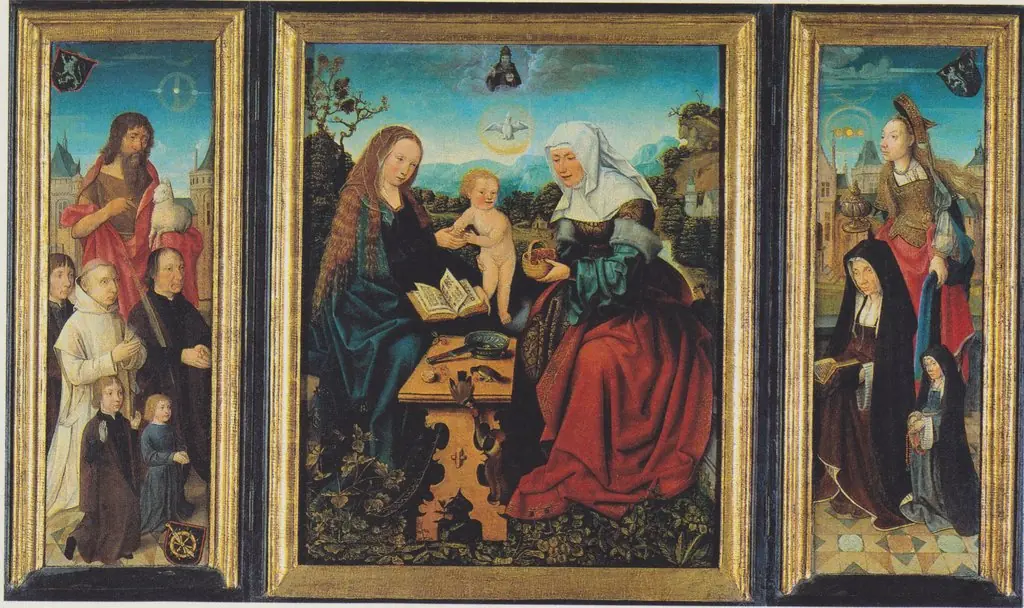 Portrait of Dirck van Heemskerck van Beest & sons with John the Baptist, Madonna and Child with St Anne, and Gertruid van Diemen & daughter with Mary Magdalene
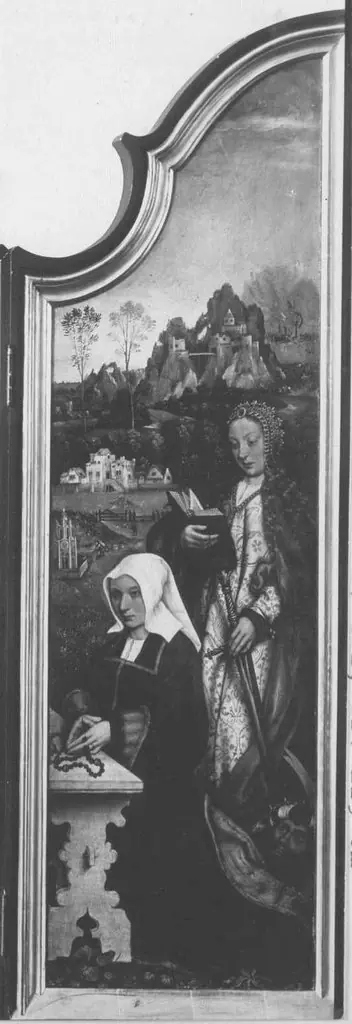 Beweinungsaltar: Hl. Katharina mit Stifterin
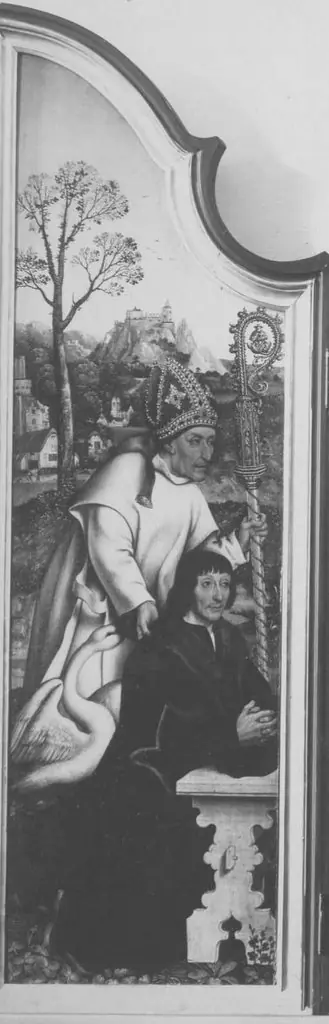 Beweinungsaltar: Hl. Hugo von Lincoln mit Stifter
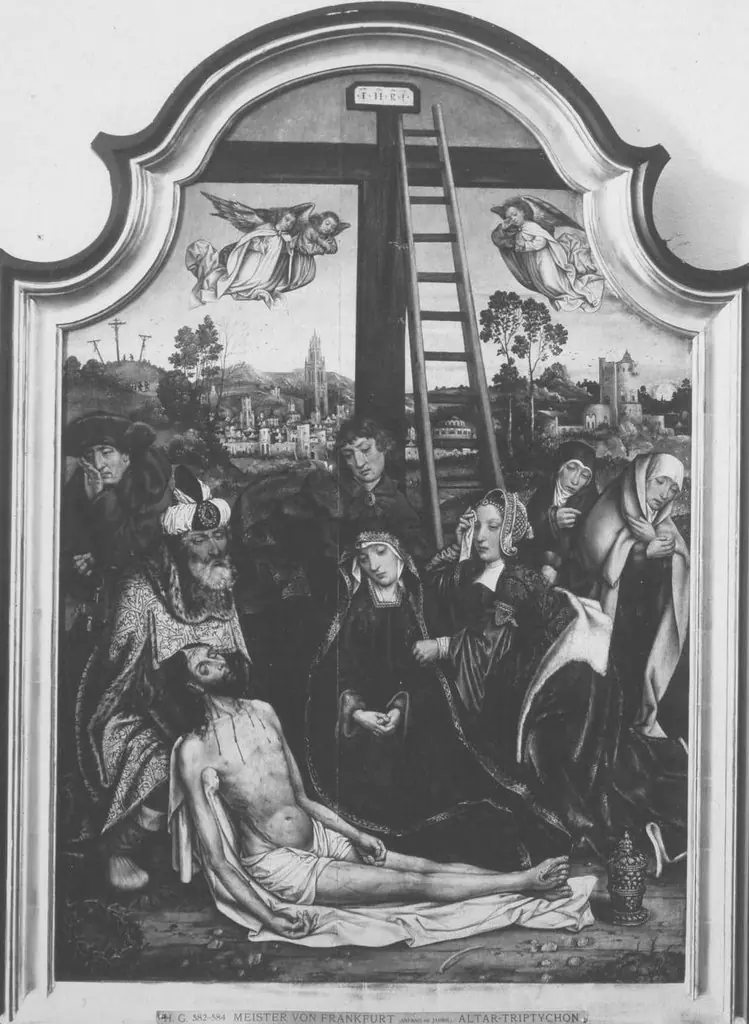 Beweinungsaltar: Beweinung Christi
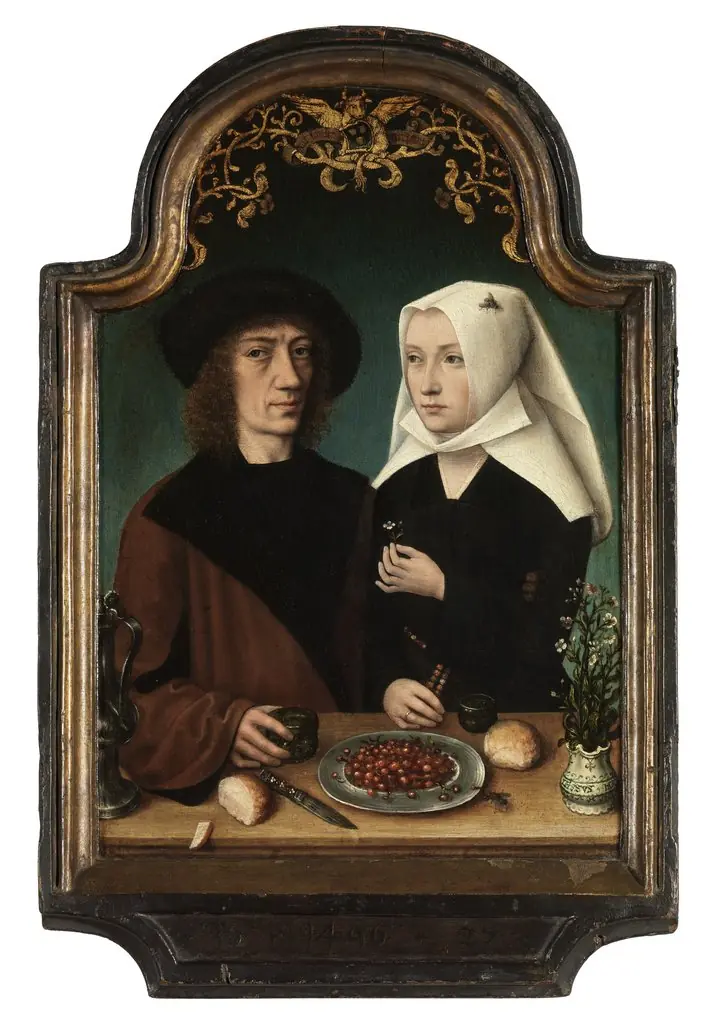 The Painter and his Wife