Artwork
Triptych of the Princes
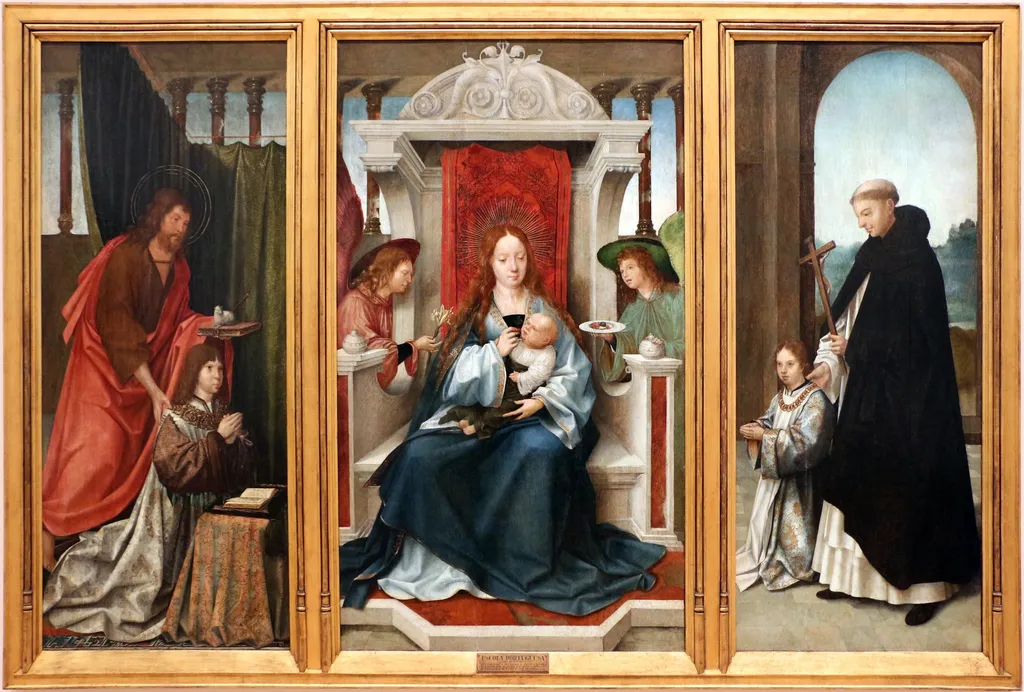
Triptych of the Princes is an unspecified painting by the Northern Renaissance artist Master of Lourinhã. It dates from 1510 and is held in the collection of the National Museum of Ancient Art.
About this work
Overview
Likely of North Netherlandish descent, the artist worked within the Northern Renaissance tradition.
The Triptych of the Princes is a three-panel religious painting created around 1510 by the Master of Lourinhã, a painter active in Portugal during the early 16th century. Likely of North Netherlandish descent, the artist worked within the Northern Renaissance tradition. The work is now held by the National Museum of Ancient Art in Lisbon, though two of its panels remain in the Church of Santa Casa da Misericórdia in Lourinhã, where they were originally installed.
Subject & Meaning
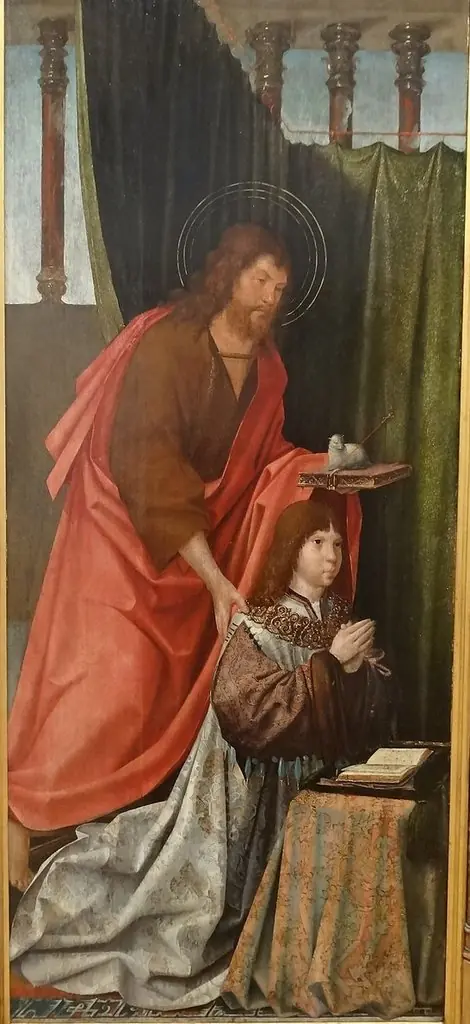
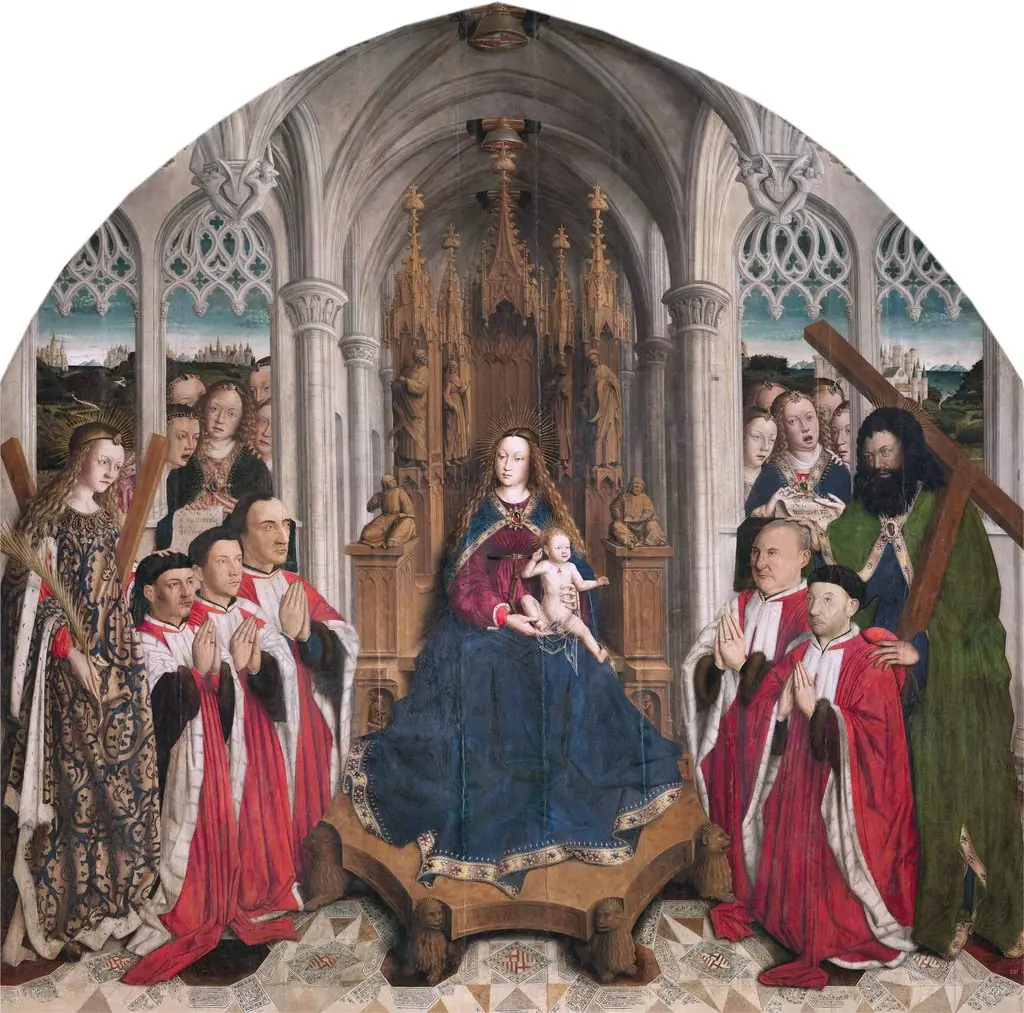
The central panel portrays a woman in blue, seated with a child, flanked by two other children, suggesting the Virgin Mary with the Christ Child and attendants. The left panel depicts a male figure in red with a halo, likely Saint Joseph or another saintly patron. The right panel shows a man in black holding a cross, possibly Saint John the Evangelist or a donor saint. The composition reflects devotional themes common in Portuguese religious art of the period, emphasizing familial piety and sacred hierarchy.
Technique & Style
The painting exhibits meticulous attention to textile detail, with gold embroidery on garments and layered pigments creating depth in fabrics. The figures are rendered with soft modeling and restrained chiaroscuro, characteristic of Northern Renaissance portraiture. Halos are rendered in thin gold leaf, and the backgrounds remain flat, focusing attention on the figures. The palette is rich but controlled, using ultramarine blue, vermilion, and earth tones to distinguish status and spiritual significance.
History & Provenance
Commissioned for a local religious confraternity, the triptych was originally installed in the Church of Santa Casa da Misericórdia in Lourinhã. Two side panels remained there, while the central panel was later transferred to the National Museum of Ancient Art for preservation. Its attribution to the Master of Lourinhã—named after the town—rests on stylistic parallels with other unsigned works from the region, as no documentary records of its creation survive.
Context
Created during Portugal’s Age of Discovery, the triptych reflects the enduring influence of Northern European artistic traditions in Iberian religious art. Despite growing contact with Italy, Portuguese patrons still favored the detailed, intimate style of Flemish painting. The work aligns with devotional practices of confraternities, which commissioned altarpieces to express communal piety and social standing within their communities.
Legacy
The Triptych of the Princes remains a key example of early 16th-century Portuguese panel painting, illustrating the fusion of Northern techniques with local religious customs. It contributes to the understanding of regional workshops that operated independently of major centers like Lisbon or Coimbra. Though the artist’s identity remains elusive, the triptych’s survival and partial retention in its original setting offer rare insight into devotional art in provincial Portugal.
Artist & collection
Artist
The Master of Lourinhã (Portuguese: Mestre da Lourinhã) was a Portuguese painter of religious scenes active between 1510 and 1525.

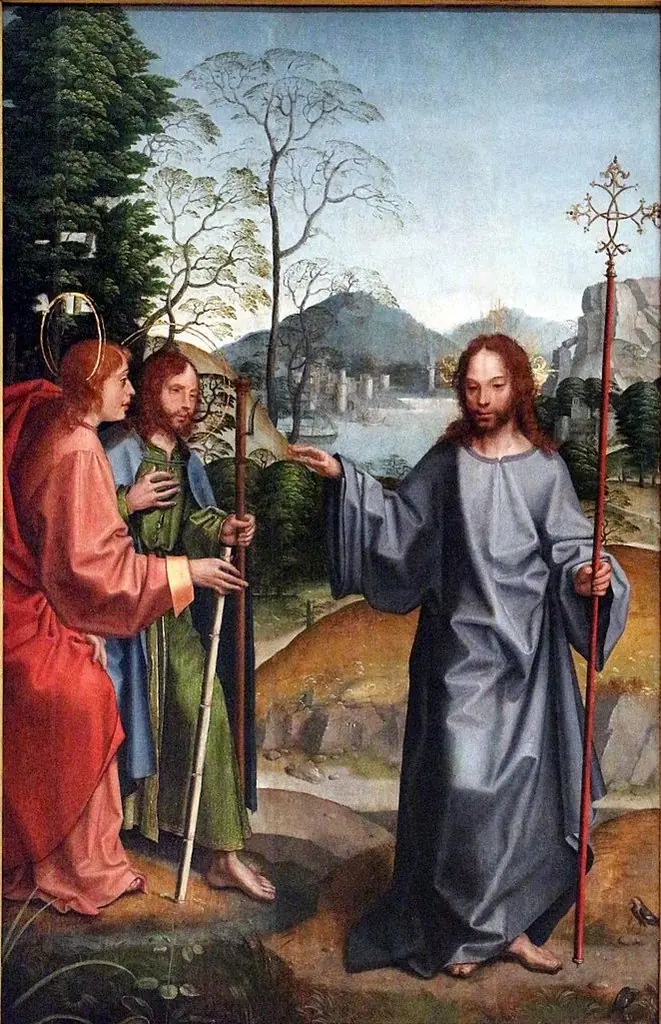
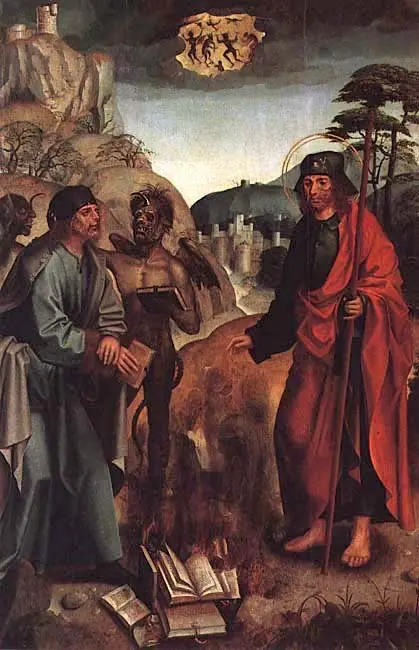
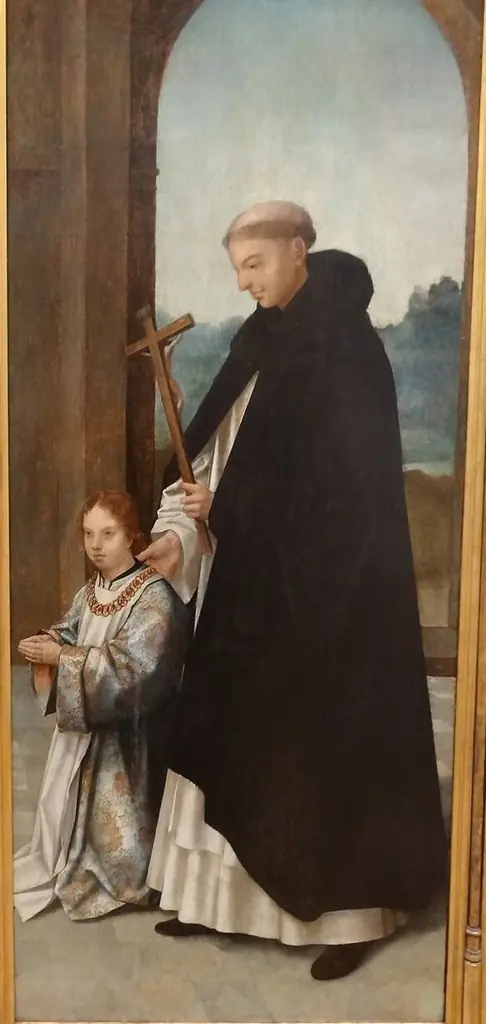
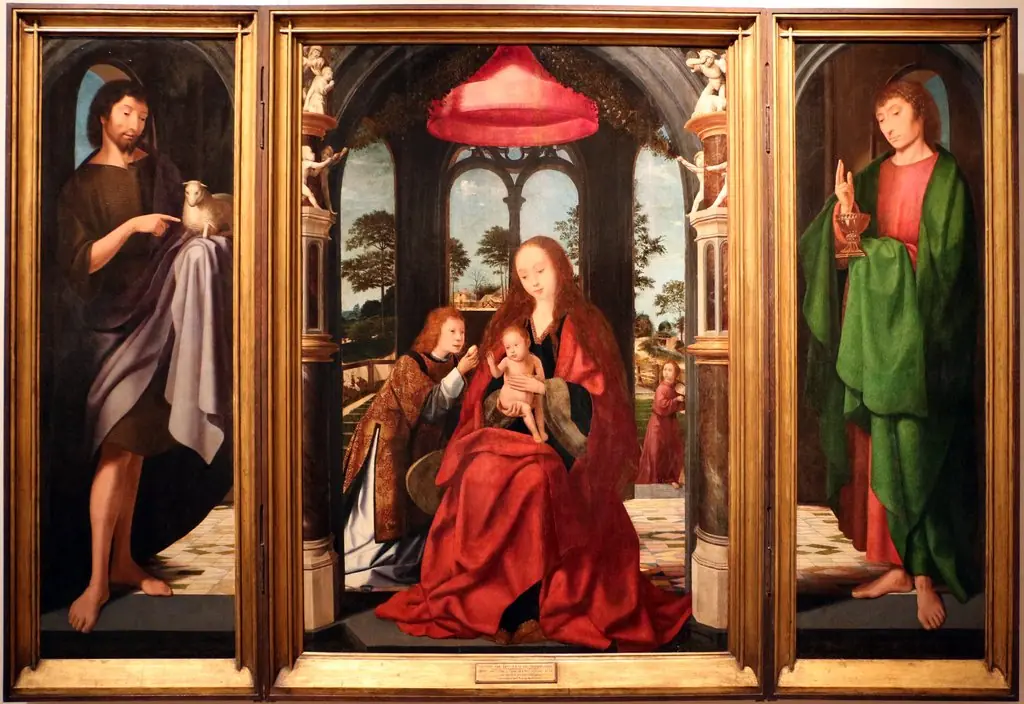 Triptych of the Virgin with the Child and Angels, St. John the Baptist and St. John the Evangelist
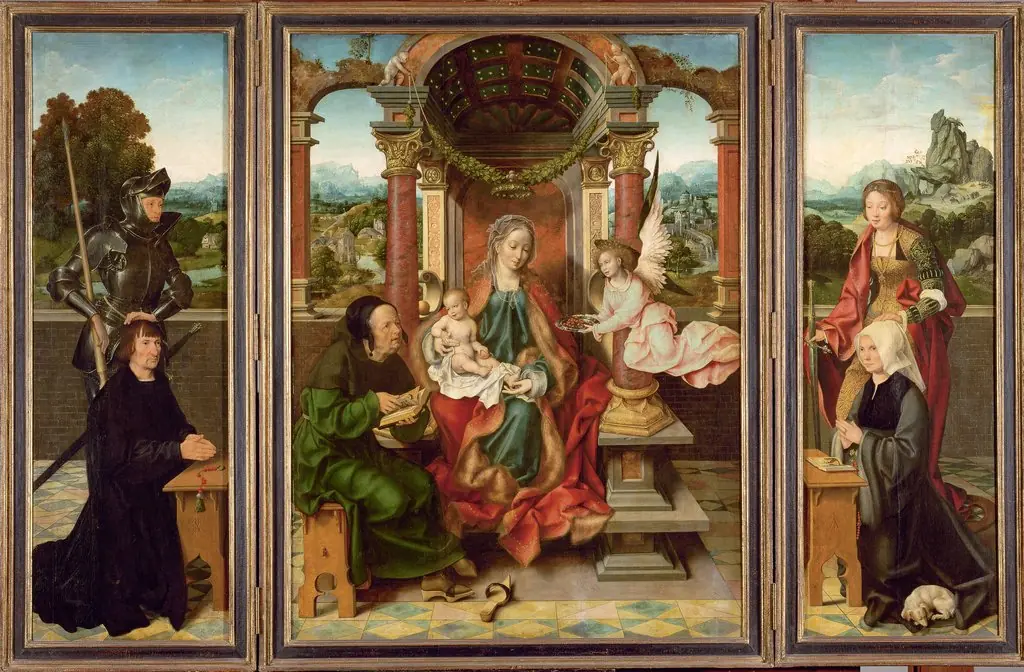 Winged Altar
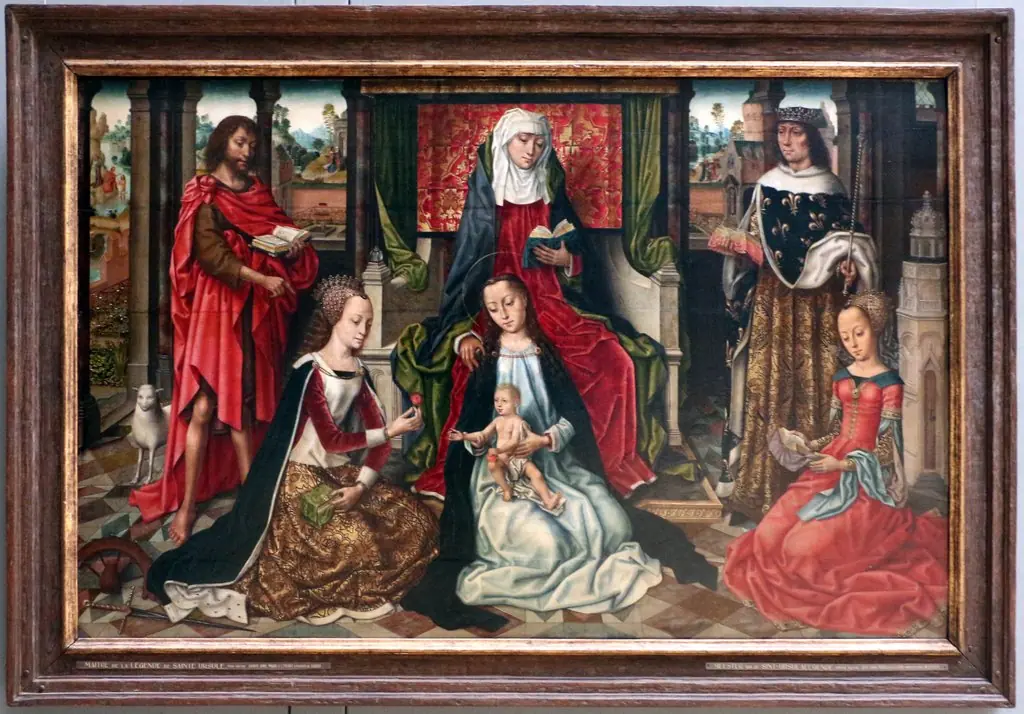 Saint Anne with the Virgin and Child and four saints (John the Baptist, Louis IX, Catherine and Barbara)
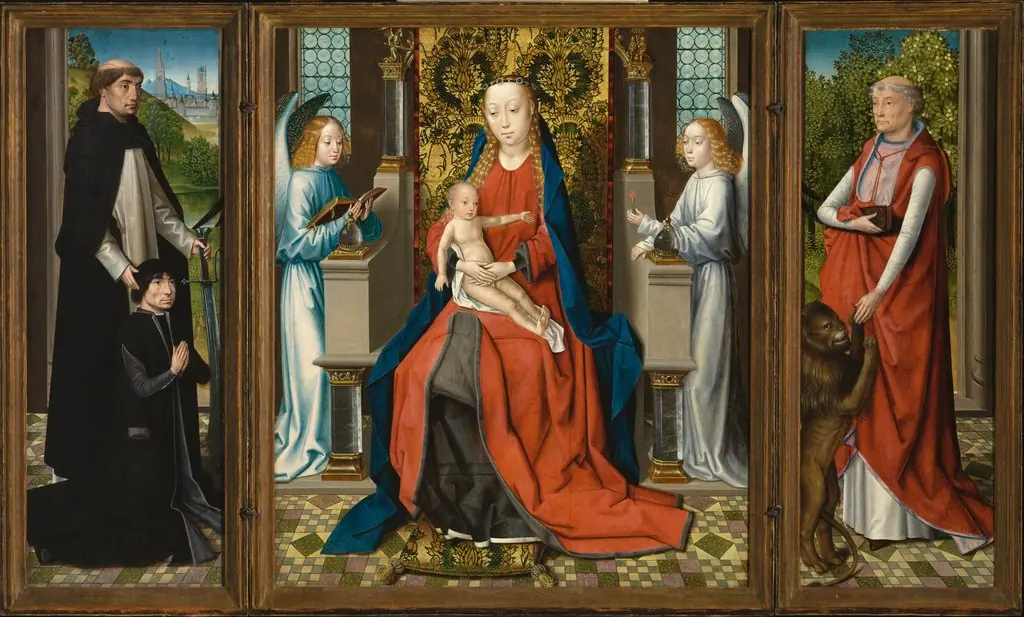 Triptych of Madonna and Child with Angels; Donor and His Patron Saint Peter Martyr; and Saint Jerome and His Lion
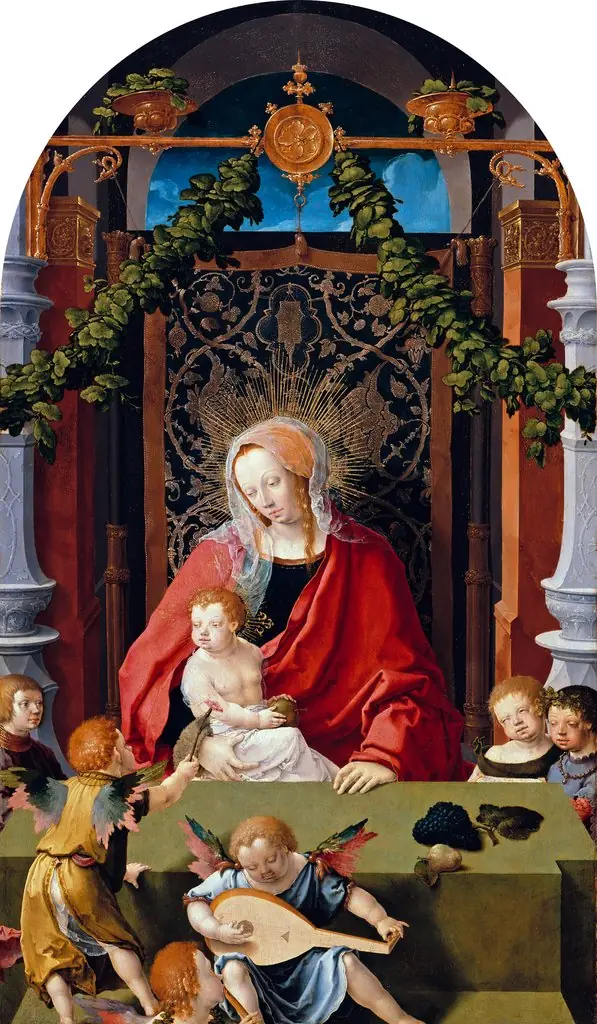 Virgin and Child with Angels
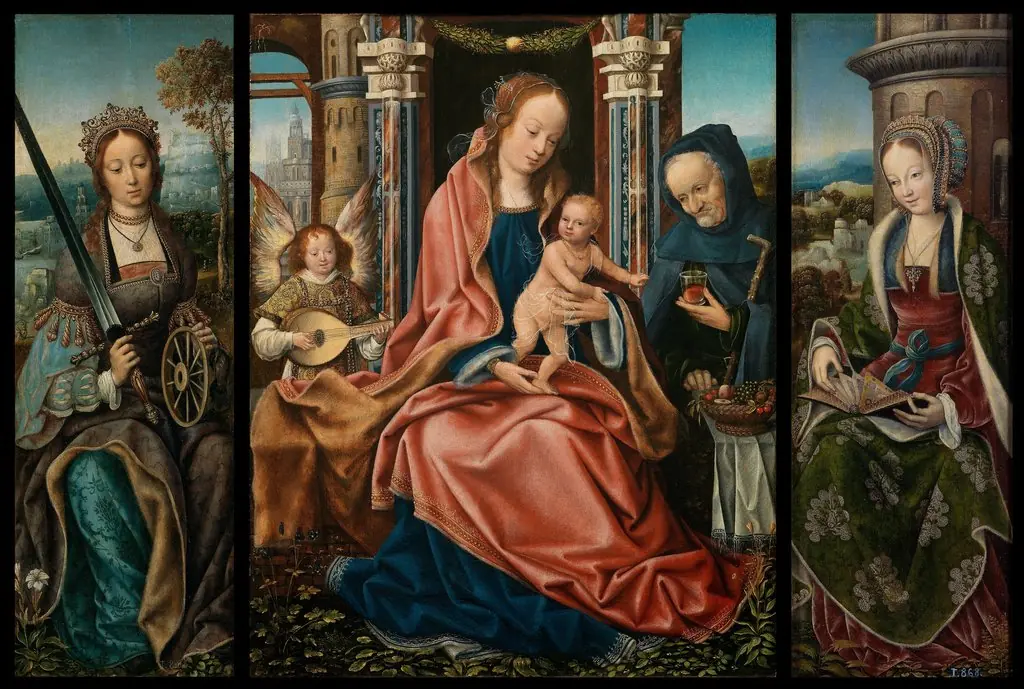 The Holy Family with a Musician Angel Saints Catherine and Barbara
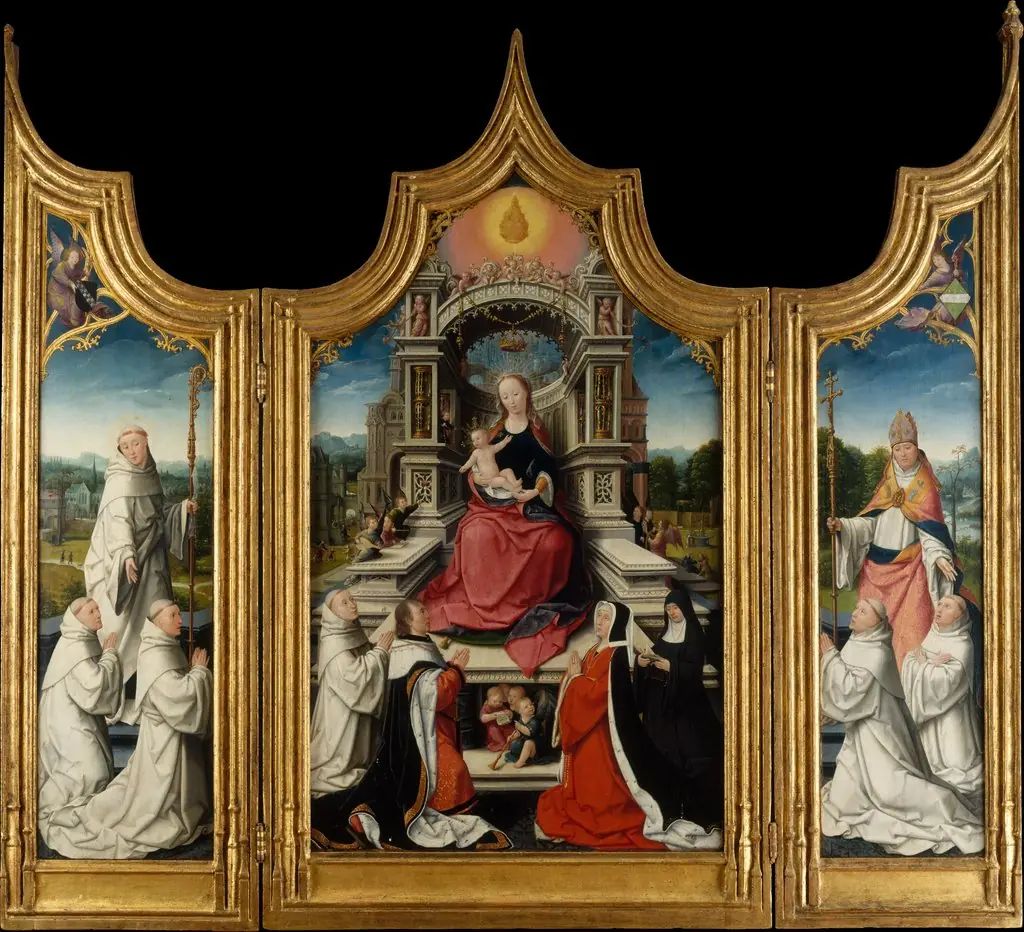 The Le Cellier Altarpiece
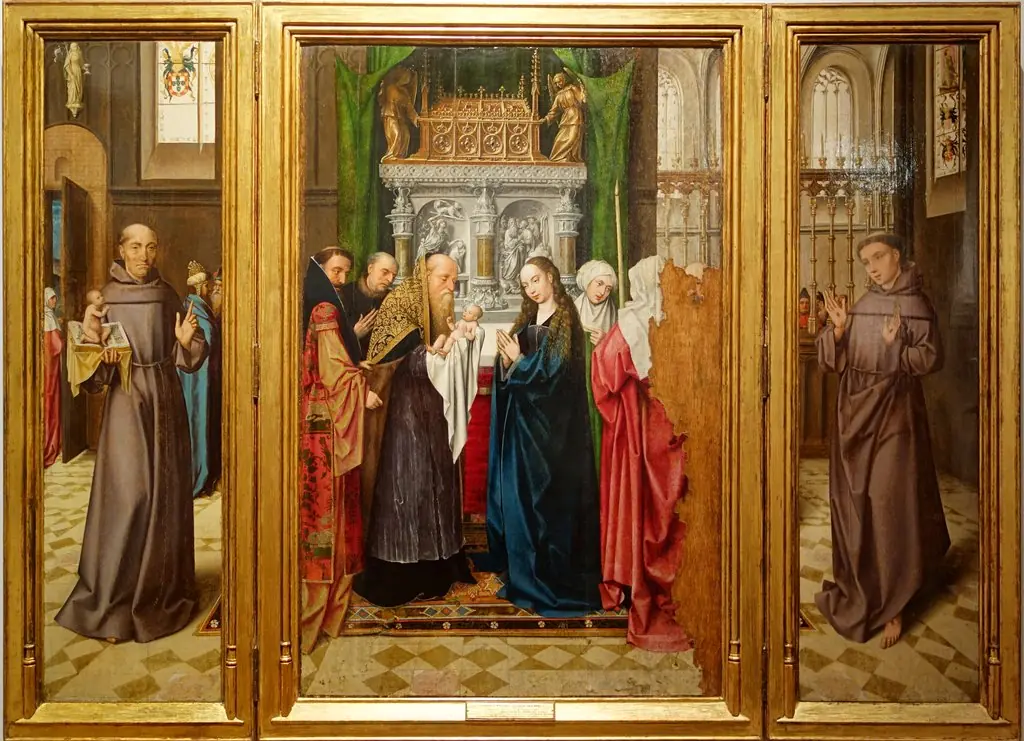 Triptych of the Presentation of Jesus in the Temple
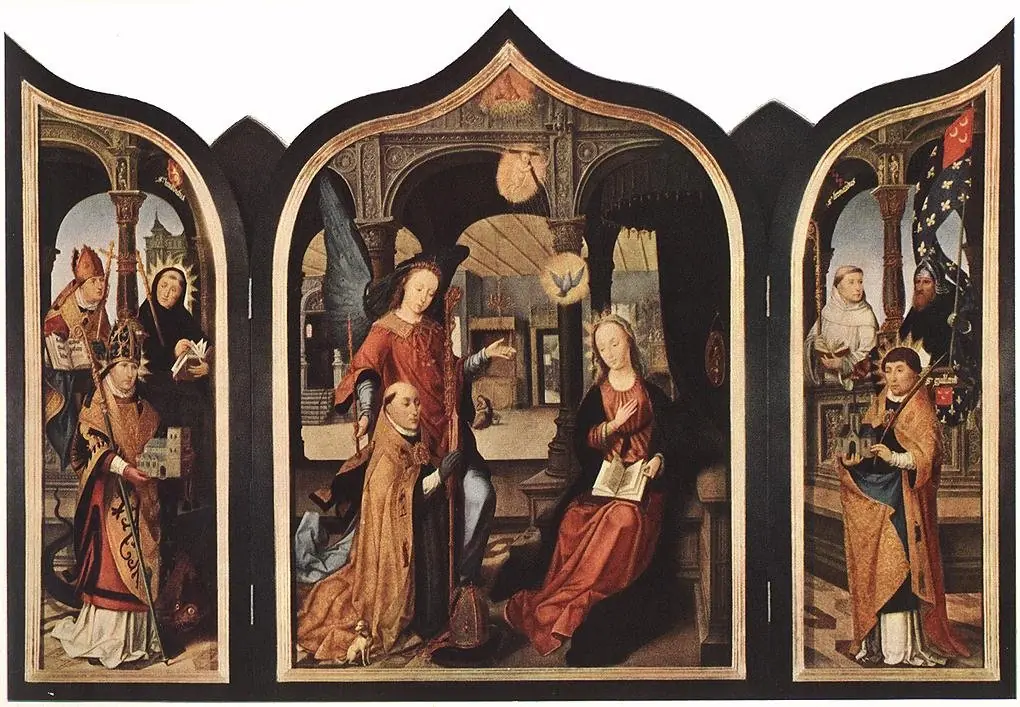 Annunciation
 Virgin of the Councillors