Artwork
Der Sieg des Lichtes über die Finsternis
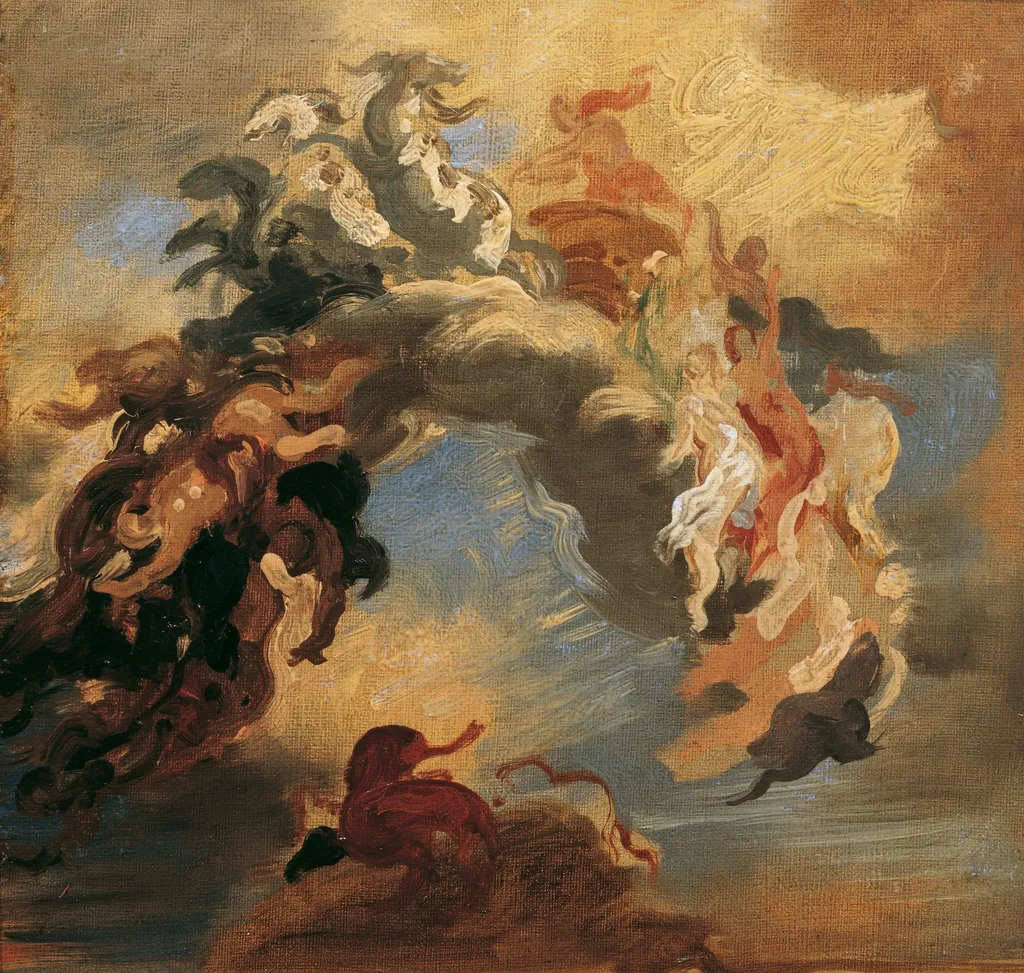
Der Sieg des Lichtes über die Finsternis is an unspecified painting by the Post-Impressionist artist Hans Canon. It dates from 1892 and is held in the collection of the Kunsthistorisches Museum.
About this work
Overview
The work reflects late 19th-century tendencies toward symbolic representation, blending mythic imagery with moral themes common in academic art of the period.
Painted in 1892 by Hans Canon, Der Sieg des Lichtes über die Finsternis is an allegorical composition executed in oil on canvas. It resides in the collection of the Kunsthistorisches Museum in Vienna, where it has been held since its creation. The work reflects late 19th-century tendencies toward symbolic representation, blending mythic imagery with moral themes common in academic art of the period.
Subject & Meaning
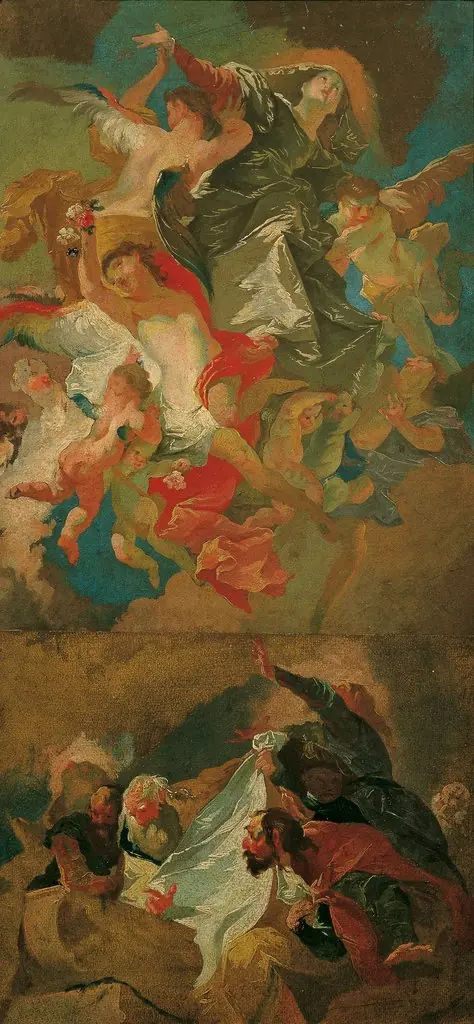
The painting depicts a dramatic confrontation between light and darkness, personified as opposing forces. Radiant figures emerge from a luminous core, advancing against shadowy, receding forms. This visual dichotomy symbolizes the triumph of enlightenment over ignorance, a theme resonant with intellectual currents of the time. The imagery draws from classical and Christian allegory, presenting moral victory through celestial order rather than narrative detail.
Technique & Style
Canon employs a highly polished academic style, with careful modeling of forms and controlled chiaroscuro to emphasize the contrast between illumination and obscurity. Figures are rendered with idealized proportions, typical of Viennese academic training. The composition is symmetrical and hierarchical, directing the viewer’s gaze upward toward the radiant center, reinforcing the theme of ascendant light through structured visual rhythm.
History & Provenance
Commissioned and completed in 1892, the painting entered the Kunsthistorisches Museum’s collection shortly after its creation. There is no record of public exhibition prior to its acquisition, suggesting it was intended for institutional display rather than private patronage. Its preservation in the museum’s holdings reflects its status as a representative work of late Habsburg-era academic art.
Context
Created during a period when Vienna’s cultural institutions promoted grand historical and moral themes, the work aligns with state-sponsored artistic ideals. The late 19th century saw a surge in allegorical painting as a means to convey civic values. Canon’s piece fits within this tradition, responding to a broader European appetite for visualized philosophical ideals, even as modernist movements began to challenge such conventions.
Legacy
Though not widely known outside Austria, the painting remains a significant example of academic allegory within the Kunsthistorisches Museum’s collection. It illustrates the persistence of symbolic representation in official art well into the modern era. Its continued presence in the museum underscores its role as a historical artifact of aesthetic and ideological priorities rather than a catalyst for artistic change.
Artist & collection

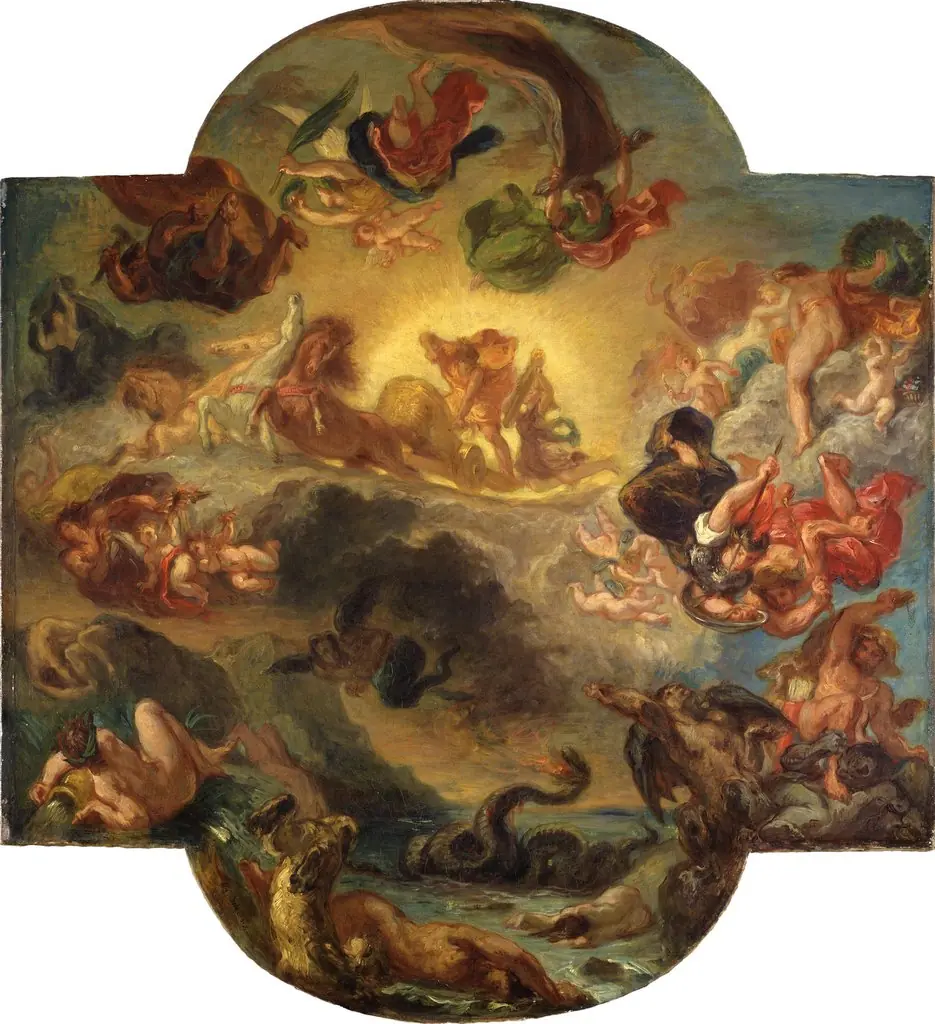 Apollo Slays Python
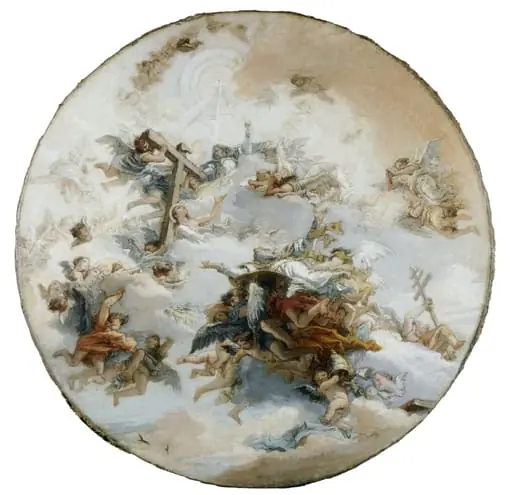 St Leo in Glory (sketch for the ceiling of the church of San Lio, Venice)
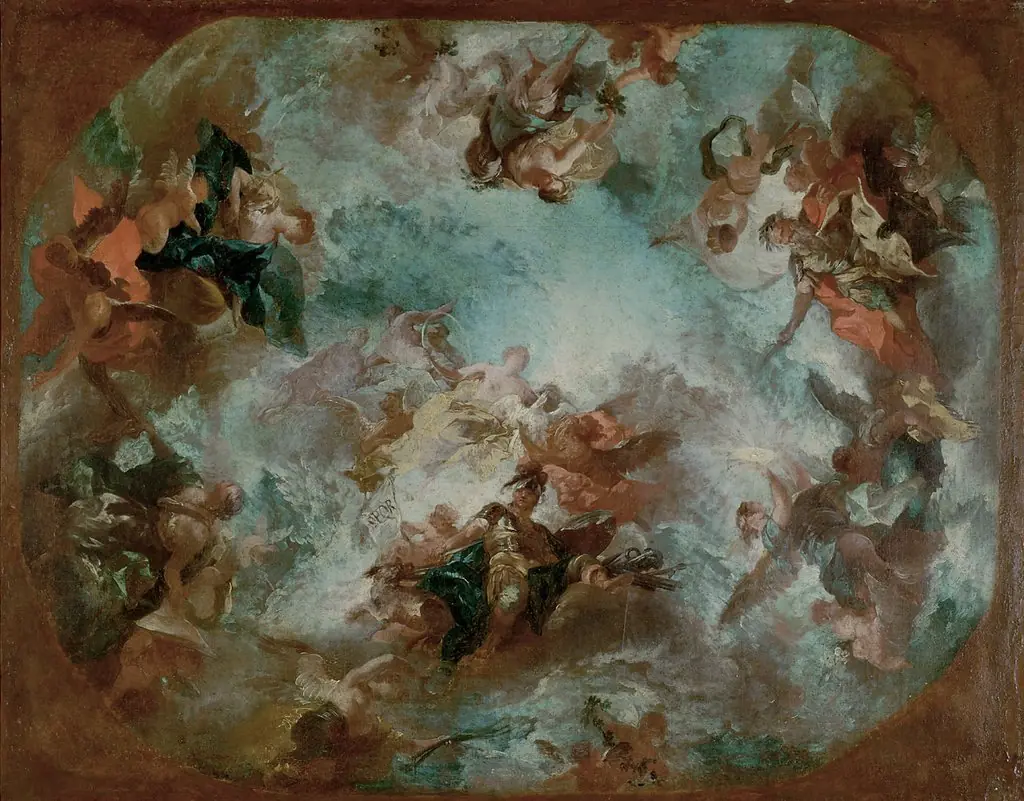 Verherrlichung des Hauses Österreich
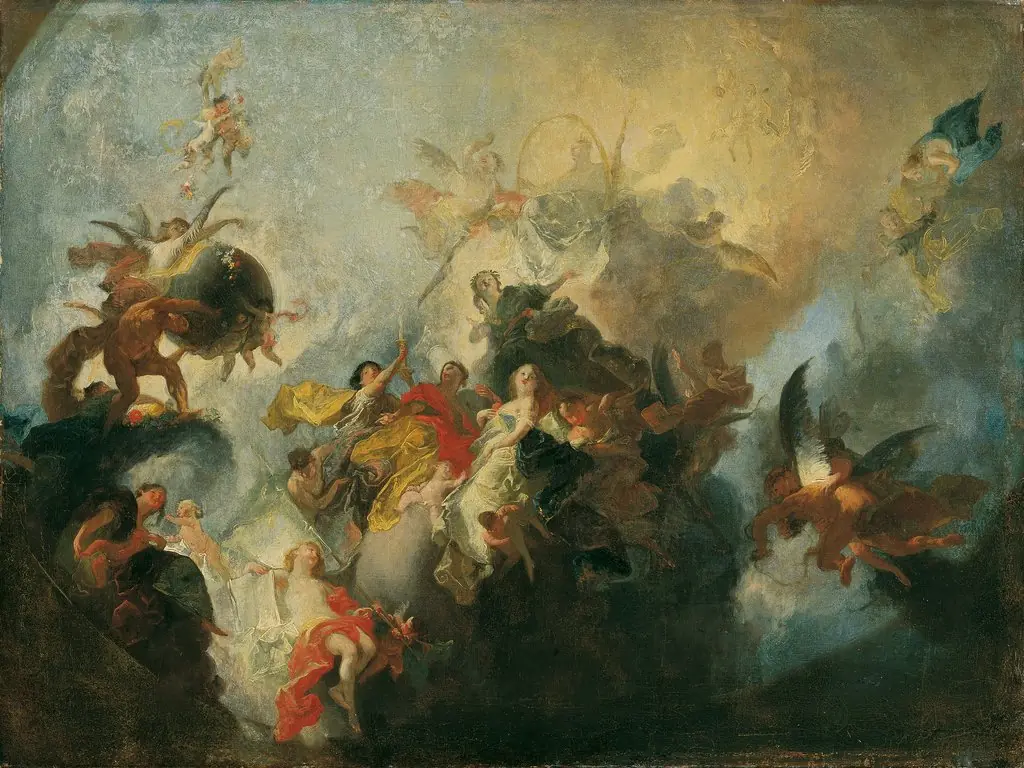 Divine Providence and Virtues
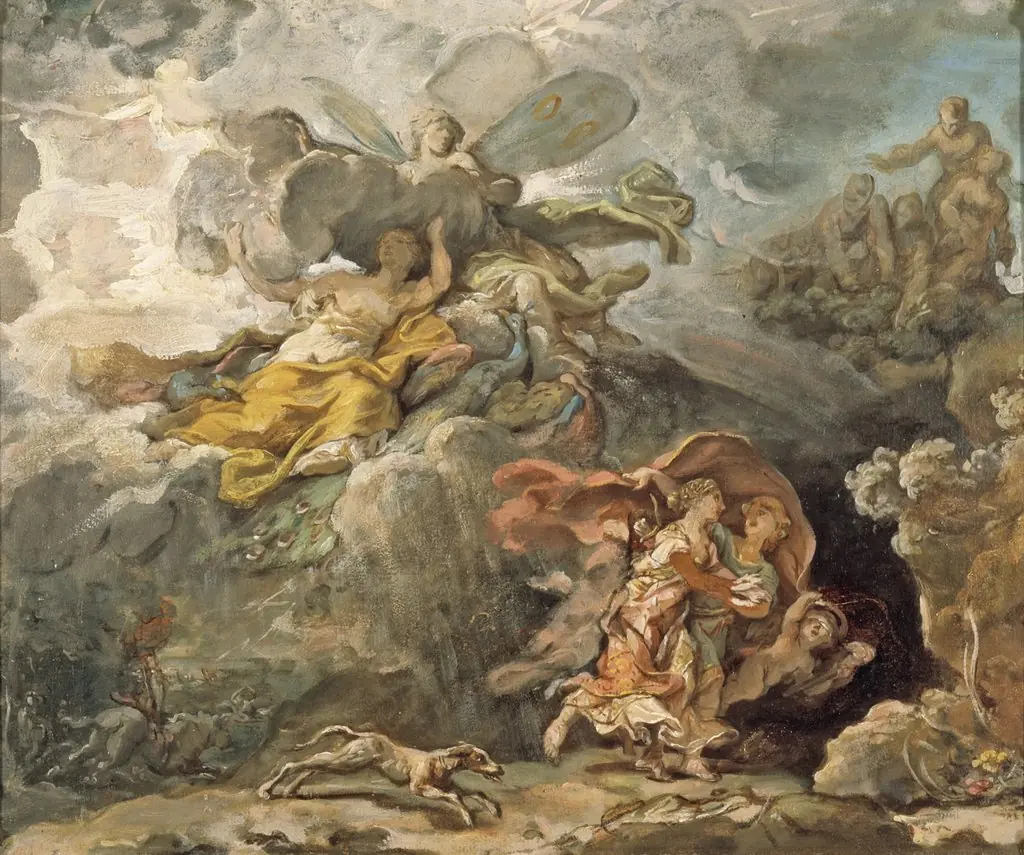 Aeneas and Dido Fleeing the Storm
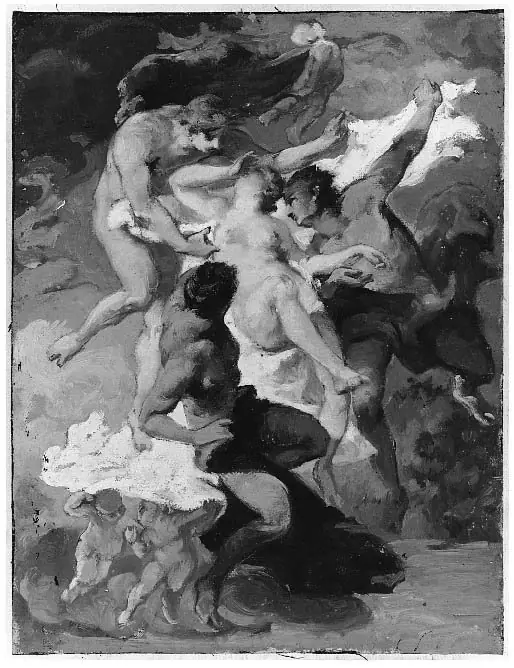 Psyche Carried Away by the Zephyrs
 The Glorification of the Royal Hungarian Saints
 Allegory of the Planets and Continents
 Snow Storm: Hannibal and his Army Crossing the Alps
 Arrival in Lyon
 Assumption of Mary