Artwork
Anna Schwartz von Morgenstern
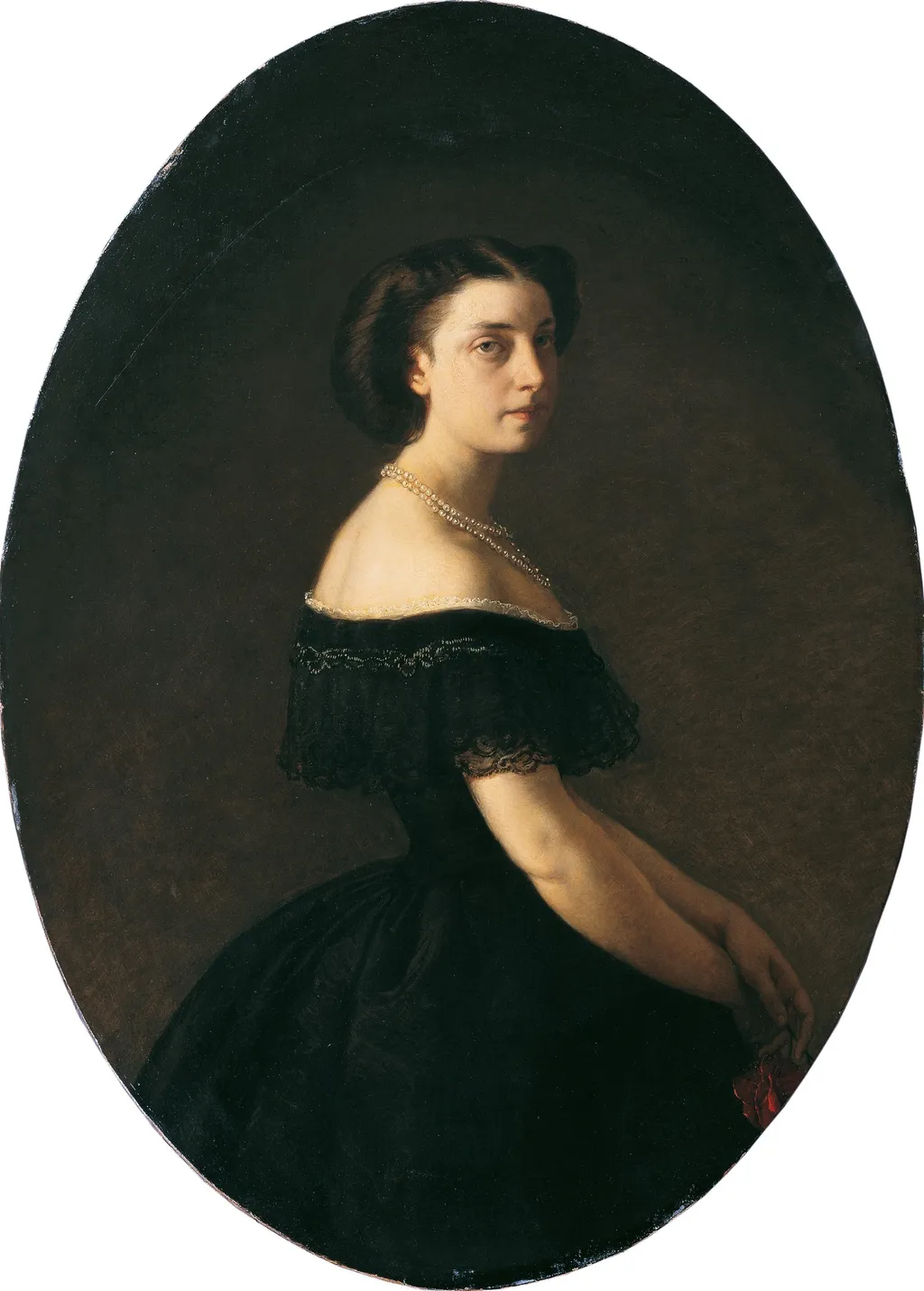
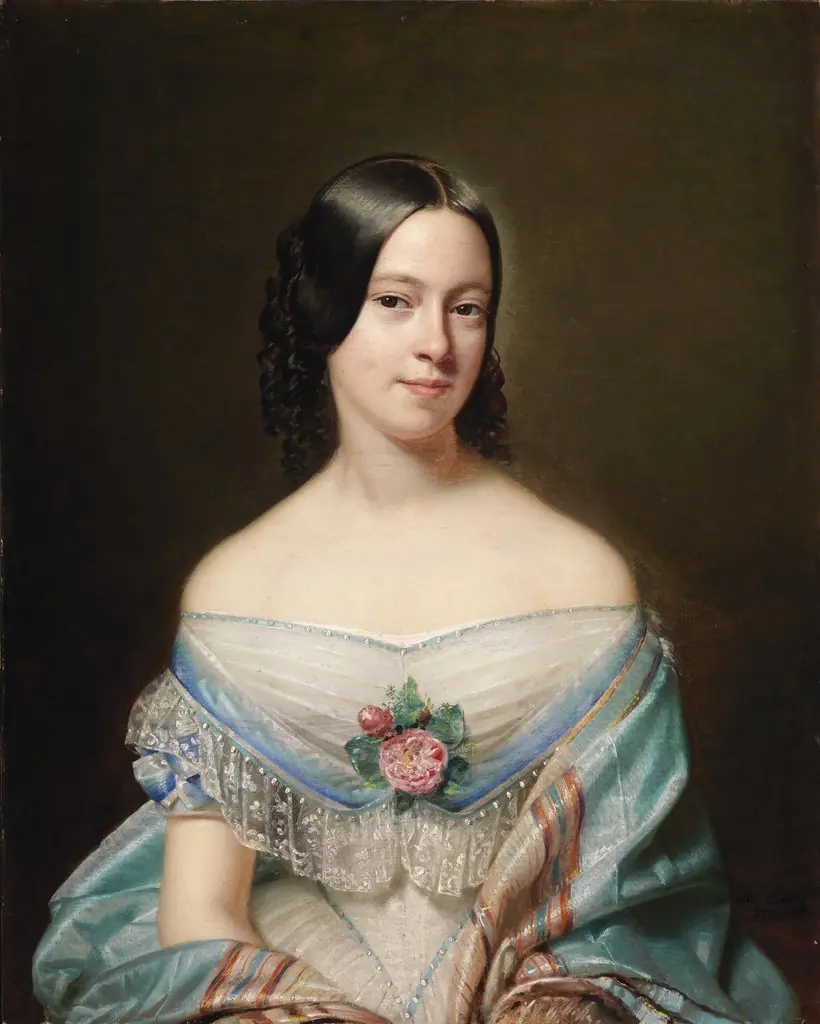
Anna Schwartz von Morgenstern is an oil painting by Hans Canon. It dates from 1931 and is held in the collection of the Kunsthistorisches Museum.
About this work
Overview
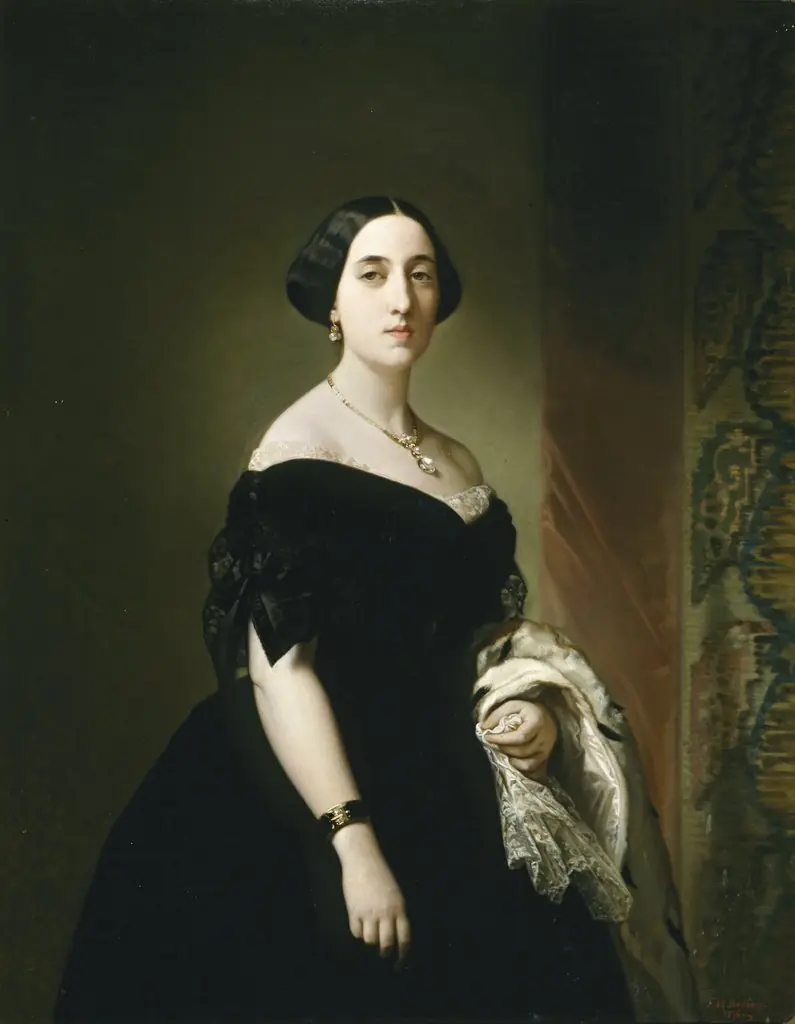
Painted around 1931 by Hans Canon, this oil portrait depicts Anna Schwartz von Morgenstern, a woman of documented social standing. The work resides in the collection of the Kunsthistorisches Museum in Vienna. Rendered with quiet precision, the painting presents its subject in a formal, full-length pose against a deep, unbroken background, emphasizing her presence without distraction.
Subject & Meaning
The pearl necklace hints at personal or familial status, while her upright posture conveys dignity rather than ornamentation.
Anna Schwartz von Morgenstern is portrayed with composed stillness, her gaze direct yet unemotional. Her attire—a black gown adorned with delicate lace at the sleeves and neckline—suggests both elegance and restraint. The pearl necklace hints at personal or familial status, while her upright posture conveys dignity rather than ornamentation. The portrait reflects an era in which personal identity was often expressed through subtle markers of class and refinement.
Technique & Style
Canon employs a restrained palette dominated by dark tones, allowing the subject’s form and textile details to emerge with clarity. The lacework on the dress is rendered with fine brushwork, contrasting the smoothness of the skin and the matte quality of the fabric. The background is left unmodeled, enhancing the figure’s three-dimensionality. The lighting is even and diffused, avoiding dramatic contrast in favor of quiet realism.
History & Provenance
The painting entered the Kunsthistorisches Museum’s collection following Canon’s death, likely through bequest or acquisition by the Austrian state. Little is documented about its exhibition history prior to its institutional custody. Anna Schwartz von Morgenstern’s personal background remains largely unrecorded in public archives, though her portrait suggests she belonged to Vienna’s upper-middle class during the early 20th century.
Context
Created in the early 1930s, the portrait emerges from a period when Viennese portraiture balanced traditional techniques with modern sensibilities. Canon, trained in academic traditions, maintained a focus on psychological presence over theatricality. This work aligns with a broader trend among Central European artists who sought to capture individual character through understated composition, resisting the expressive excesses of emerging modernist movements.
Legacy
Though not widely exhibited beyond museum walls, the portrait remains a representative example of Canon’s late career work. It contributes to the understanding of Austrian portraiture between the wars, illustrating how formal conventions persisted among certain artists even as the art world shifted. Its quiet authority continues to inform scholarly study of social identity in interwar Vienna.
Artist & collection

 Portrait of Sophia Naryshkina
 Concepción Remisa
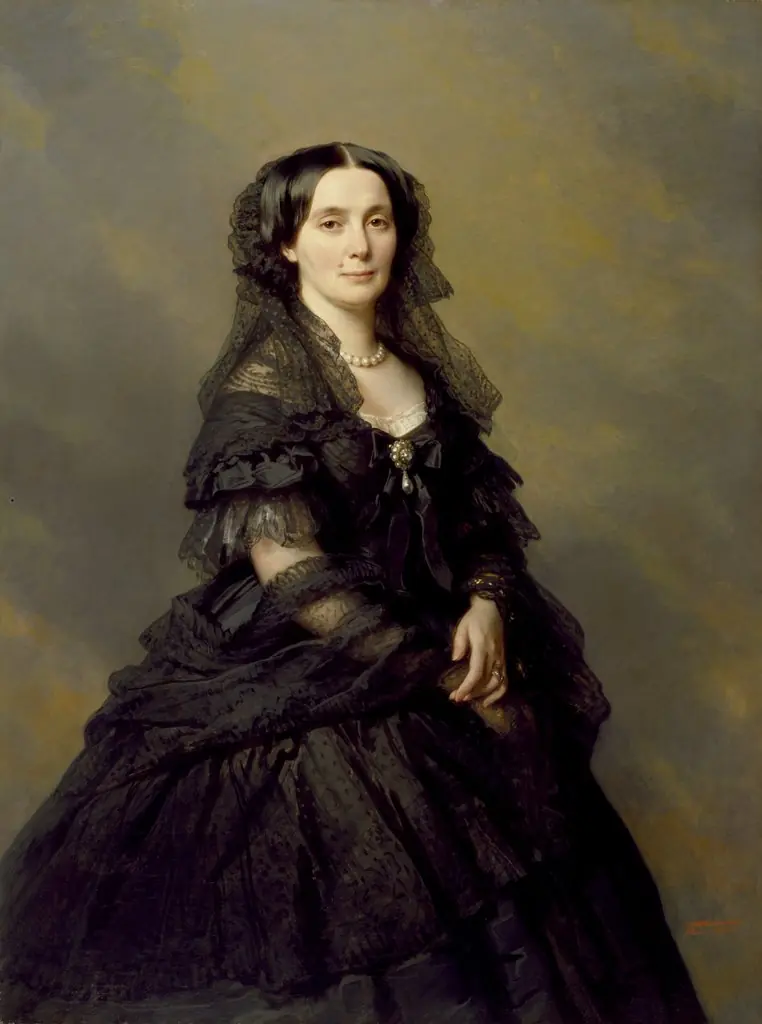 Portrait of Princess Kotschoubey
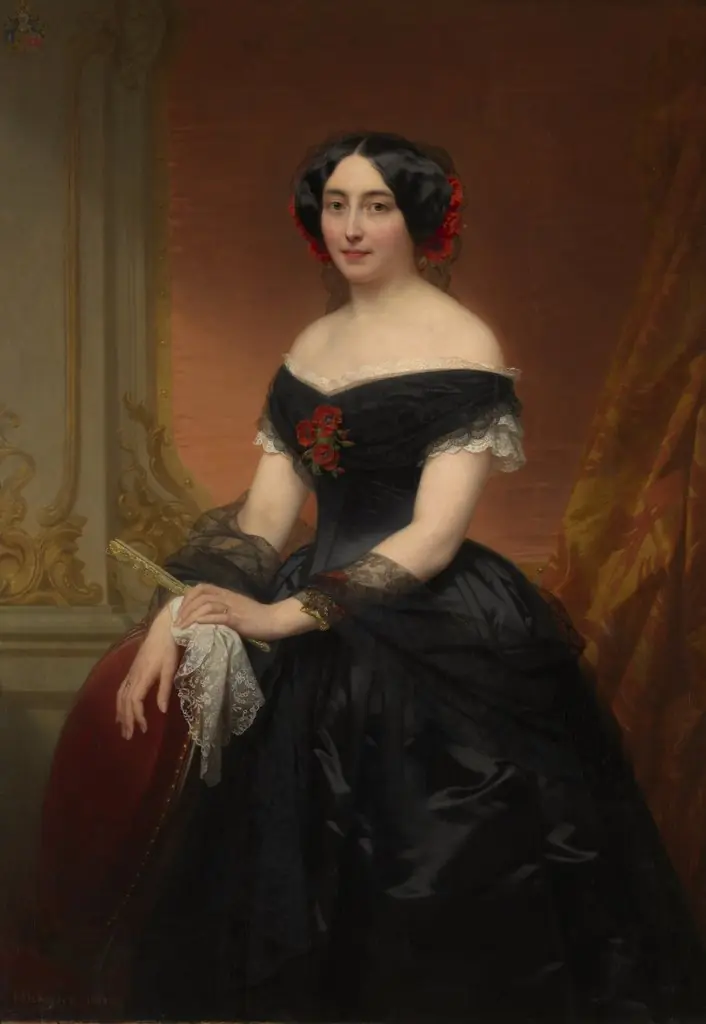 Madame Mols-de Brialmont
![Portrait of Countess Marie Branicka de Bialacerkiew [née Princess Sapieha], by Franz Xaver Winterhalter](https://artifactworldgallery.com/img/franz-xaver-winterhalter--portrait-of-countess-marie-branicka-de-bialacerkiew-nee-prin--b90e3708579c979d-w320.webp) Portrait of Countess Marie Branicka de Bialacerkiew [née Princess Sapieha]
Portrait of Countess Marie Branicka de Bialacerkiew [née Princess Sapieha]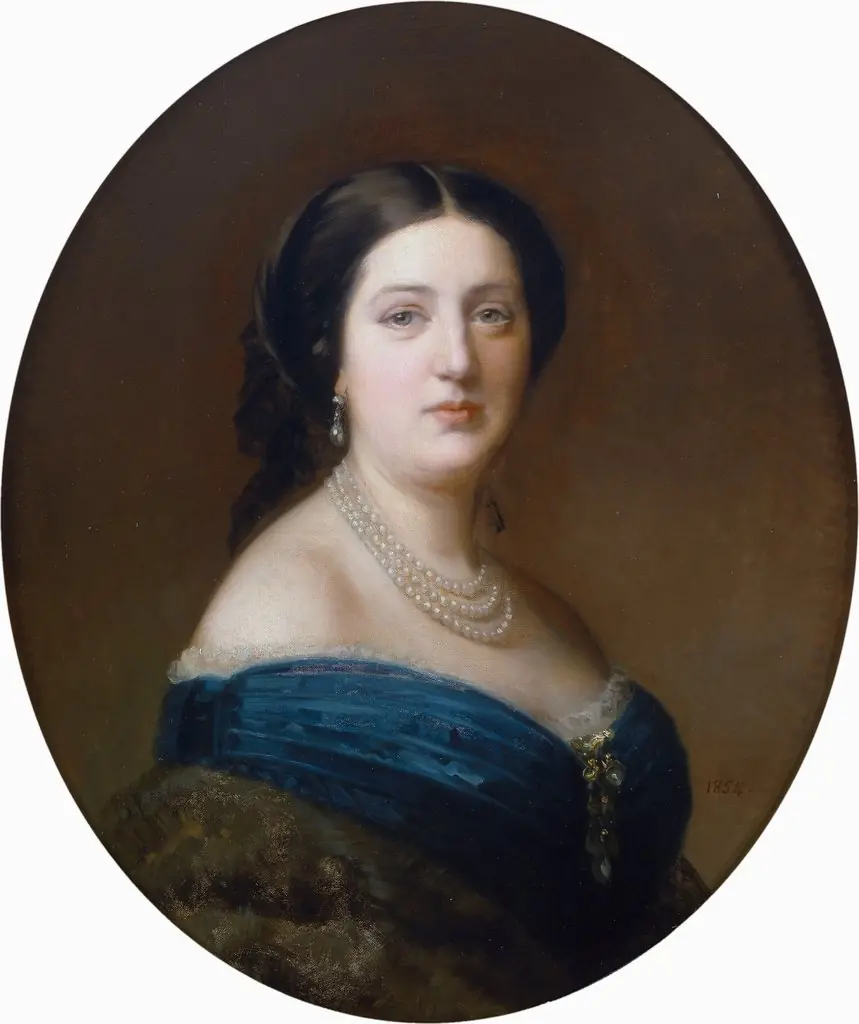 Manuela María Miquel y Lucuy
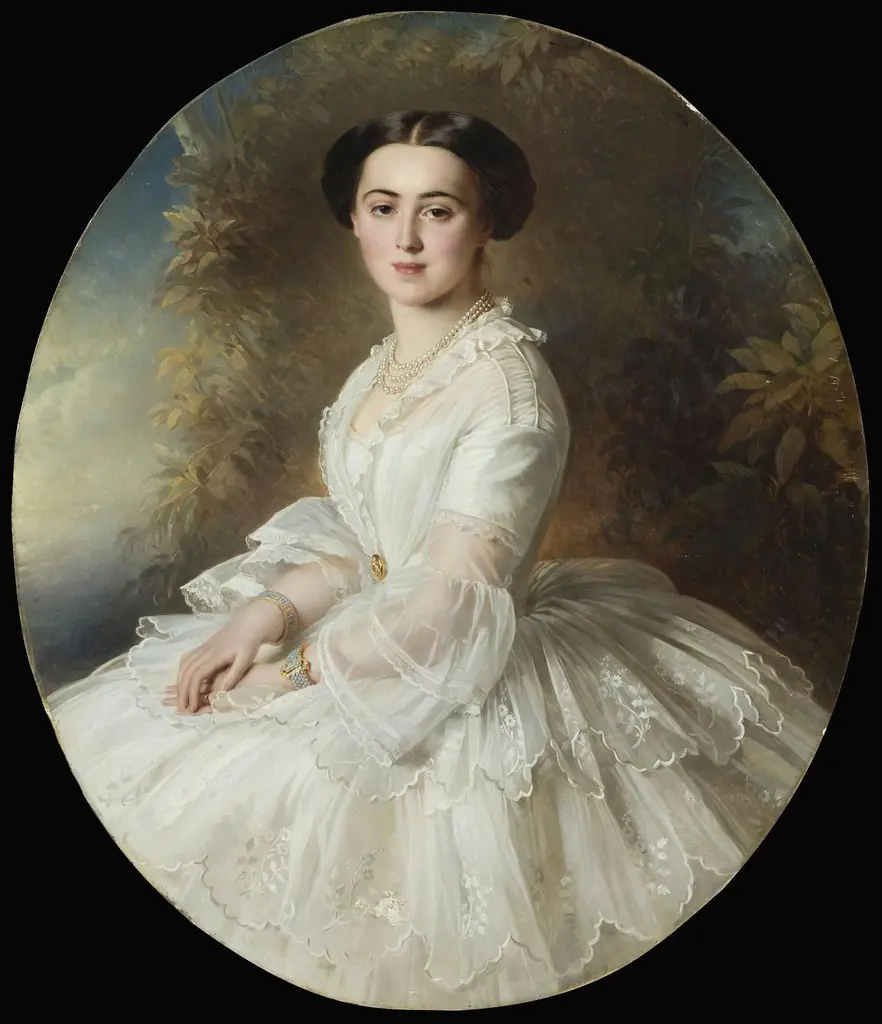 Portrait of Grand Duchess Olga Feodorovna
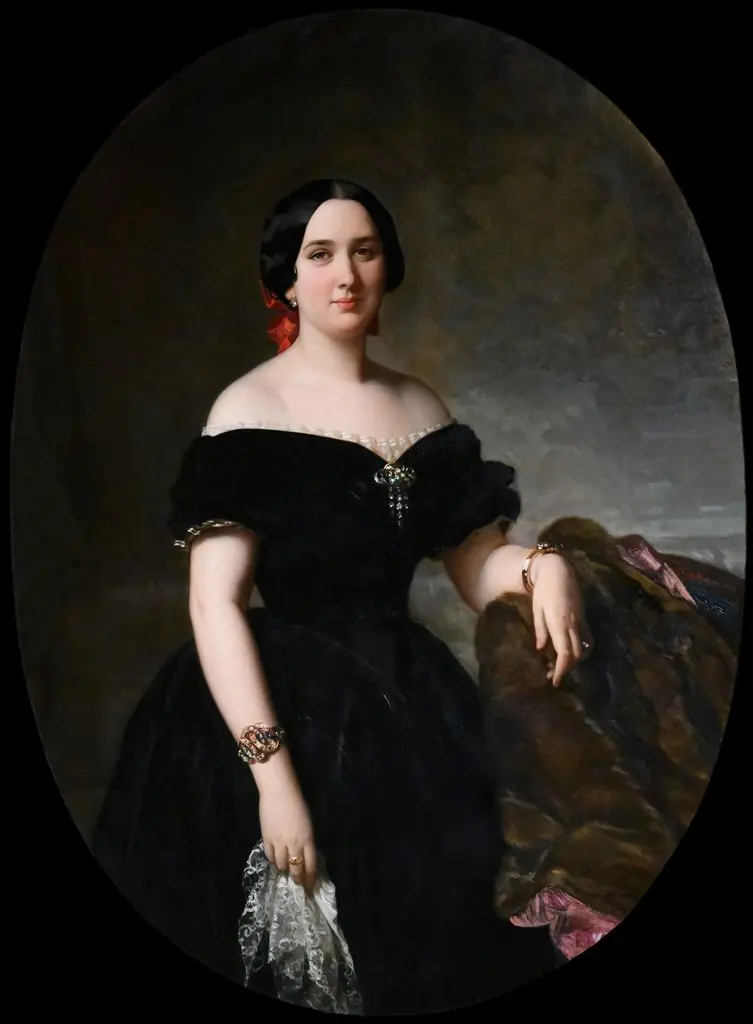 Amelia de Vilanova y Nadal
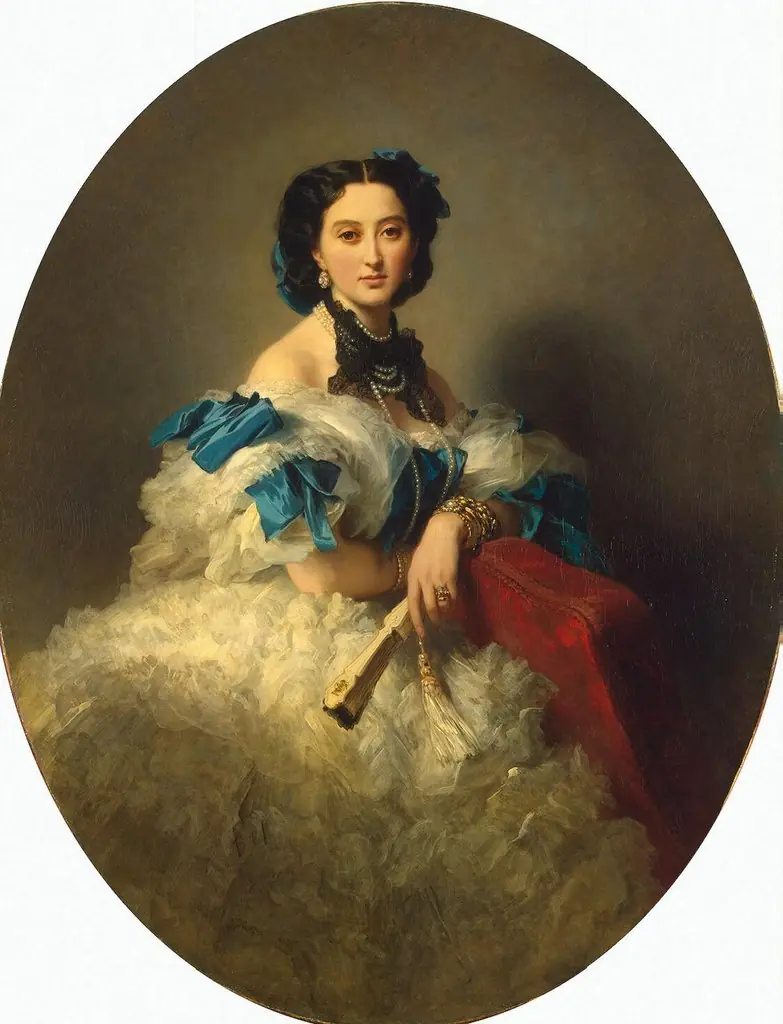 Portrait of Countess Varvara Musina-Pushkina
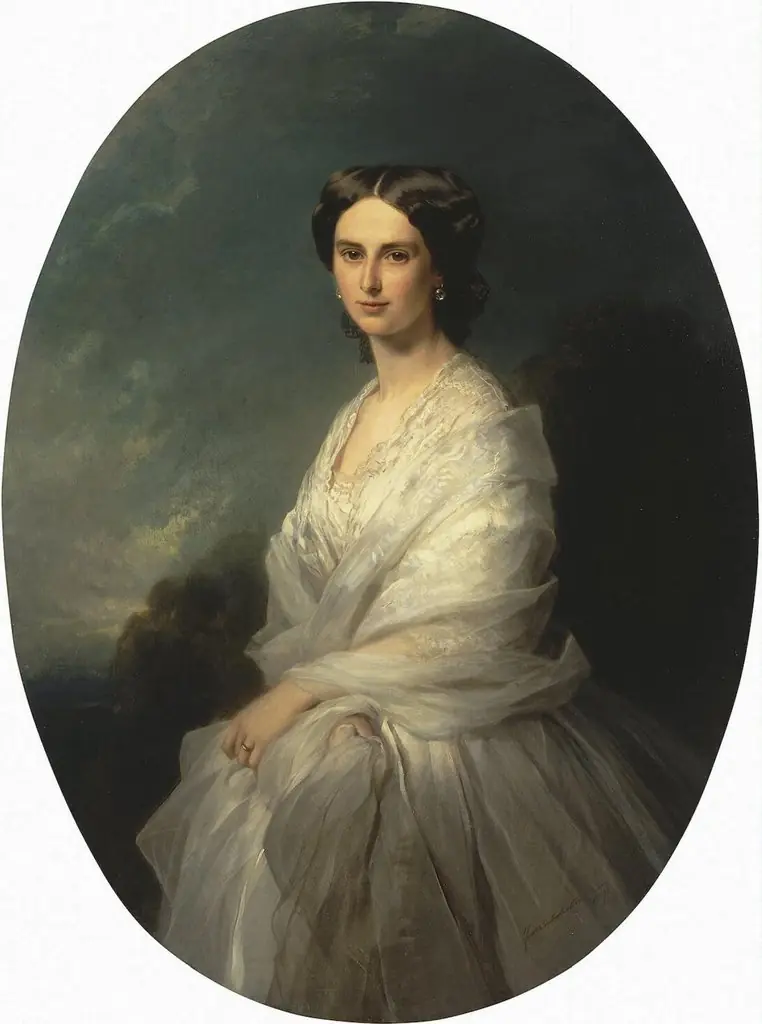 Portrait of Countess Sophia Bobrinskaya
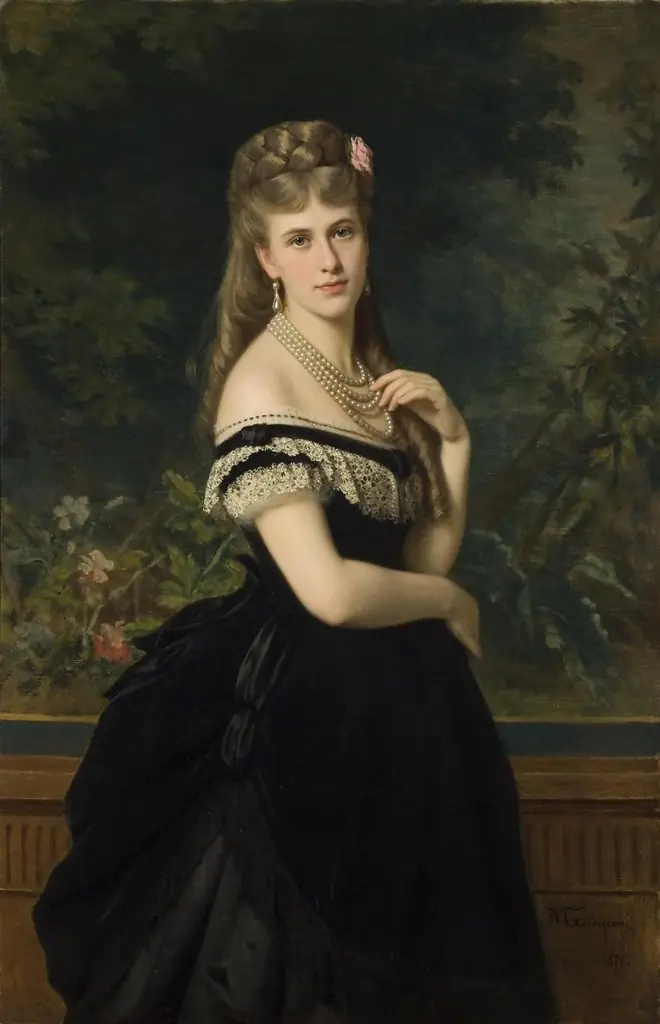 Portrait of Berg
 Portrait of Anna von Minarelli-Fitzgerald