Artwork
The Circle of Life
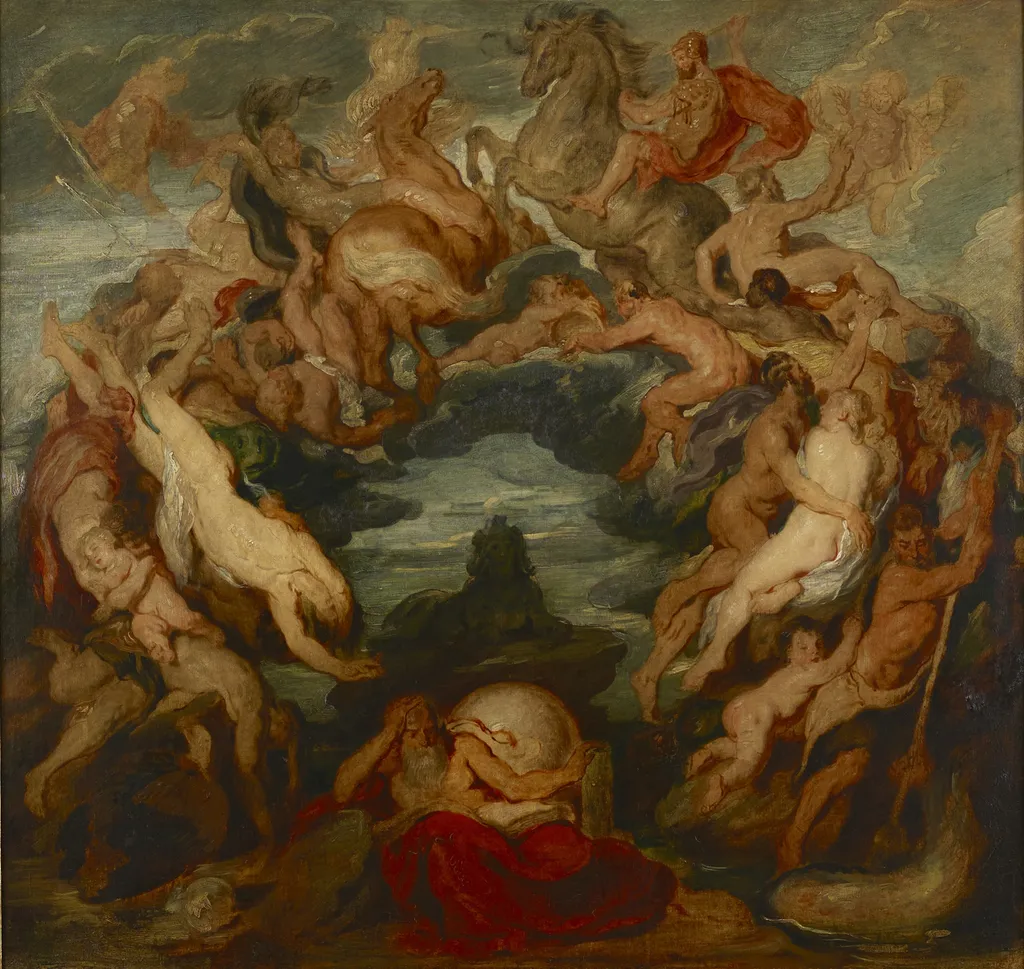
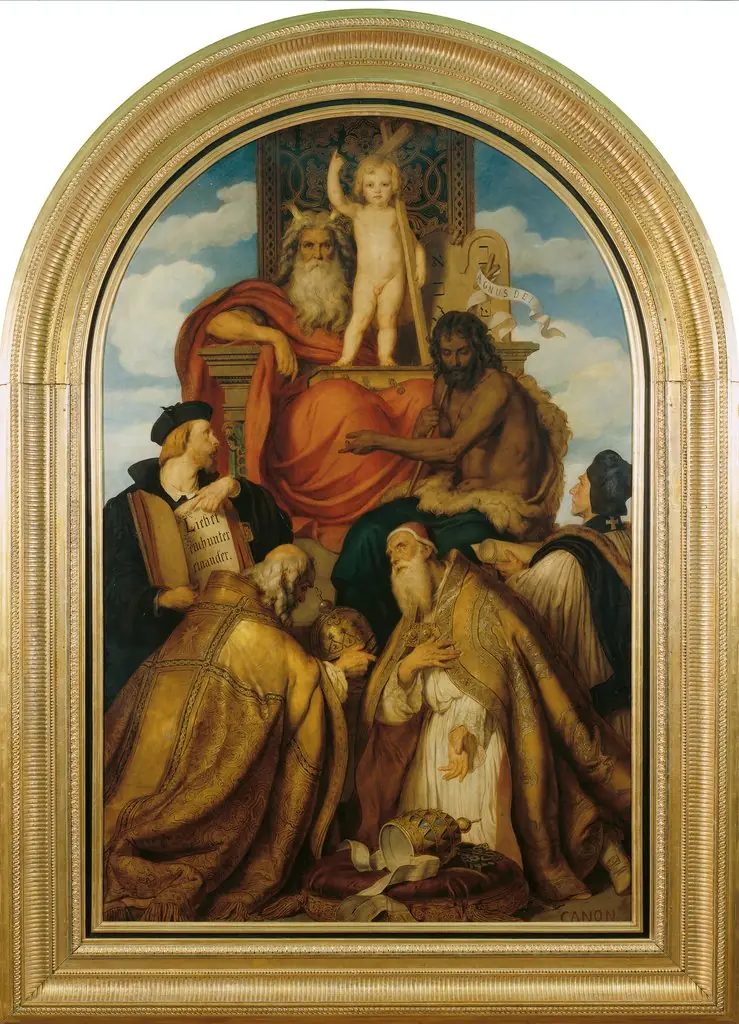
The Circle of Life is an oil painting by the Realist artist Hans Canon. It dates from 1892 and is held in the collection of the Kunsthistorisches Museum.
About this work
Overview
Painted in 1892 by Austrian artist Hans Canon, The Circle of Life is an oil-on-canvas work currently housed in the Kunsthistorisches Museum in Vienna.
Painted in 1892 by Austrian artist Hans Canon, The Circle of Life is an oil-on-canvas work currently housed in the Kunsthistorisches Museum in Vienna. The piece reflects late 19th-century academic traditions, blending symbolic imagery with a formal composition. Its subject matter centers on human existence as a continuous, cyclical process, conveyed through allegorical figures rather than literal narrative.
Subject & Meaning
The painting depicts a procession of figures spanning different stages of life—from infancy to old age—moving in a circular formation. This arrangement suggests the inevitability of birth, growth, decline, and death as interconnected phases. The figures are rendered with restrained emotion, emphasizing universal human experience over individual identity. The composition invites contemplation of time’s passage and the continuity of life across generations.
Technique & Style
Canon employed traditional academic techniques, with smooth brushwork and carefully modeled forms to achieve a sense of sculptural solidity. The palette is muted, dominated by earth tones and soft grays, reinforcing the solemn tone. Figures are arranged in a balanced, rhythmic pattern, echoing classical ideals of harmony. Lighting is even and diffused, minimizing dramatic contrast to support the work’s meditative character.
History & Provenance
Completed in 1892, the painting was acquired by the Kunsthistorisches Museum shortly after its creation. It remained within the museum’s collection without significant public exhibition until the late 20th century. No major alterations or restorations are documented, and its provenance traces directly from the artist’s studio to the museum’s holdings, reflecting its status as a commissioned or donated academic work.
Context
Created during a period when European art institutions still upheld academic standards, the painting aligns with prevailing interests in moral allegory and classical themes. While realism and impressionism gained ground elsewhere, Canon’s work represents a conservative strand of Viennese art that valued symbolic representation and historical continuity. Its production coincided with broader cultural preoccupations with mortality and social order in the Austro-Hungarian Empire.
Legacy
The Circle of Life has not been widely reproduced or studied outside institutional circles. It remains a quiet example of late academic painting in Austria, valued more for its historical placement than for influencing later movements. Its presence in the Kunsthistorisches Museum underscores the institution’s commitment to preserving the full spectrum of 19th-century Austrian artistic output, including works that resisted avant-garde trends.
Artist & collection

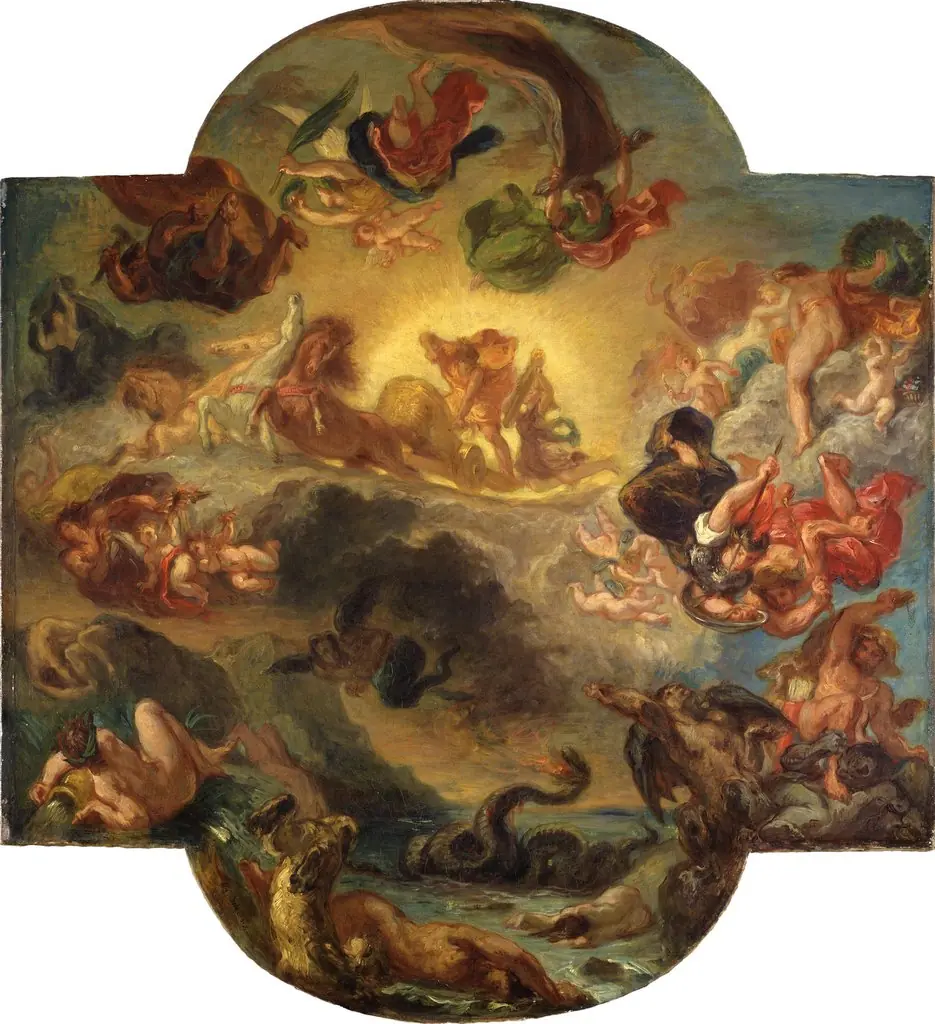 Apollo Slays Python
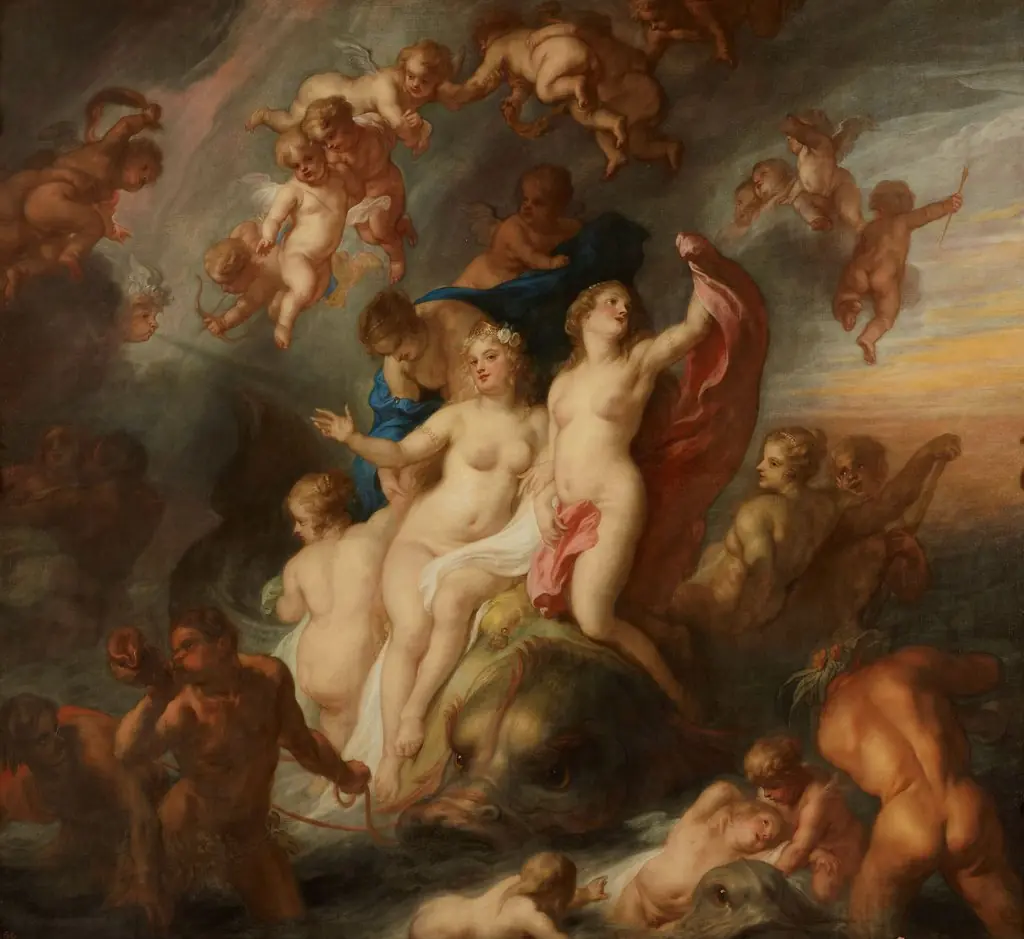 Triumph of Galatea
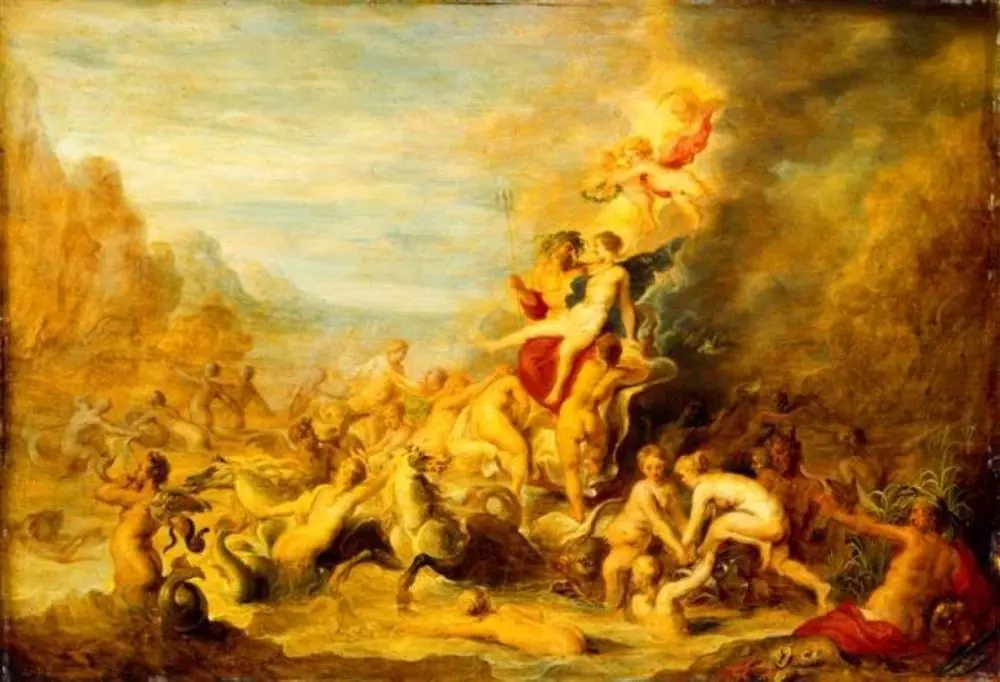 Triumph of Neptune and Amphitrite
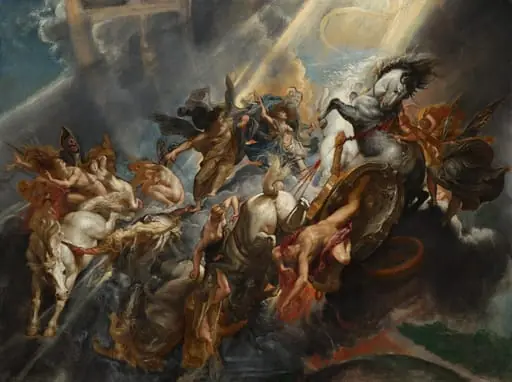 The Fall of Phaeton
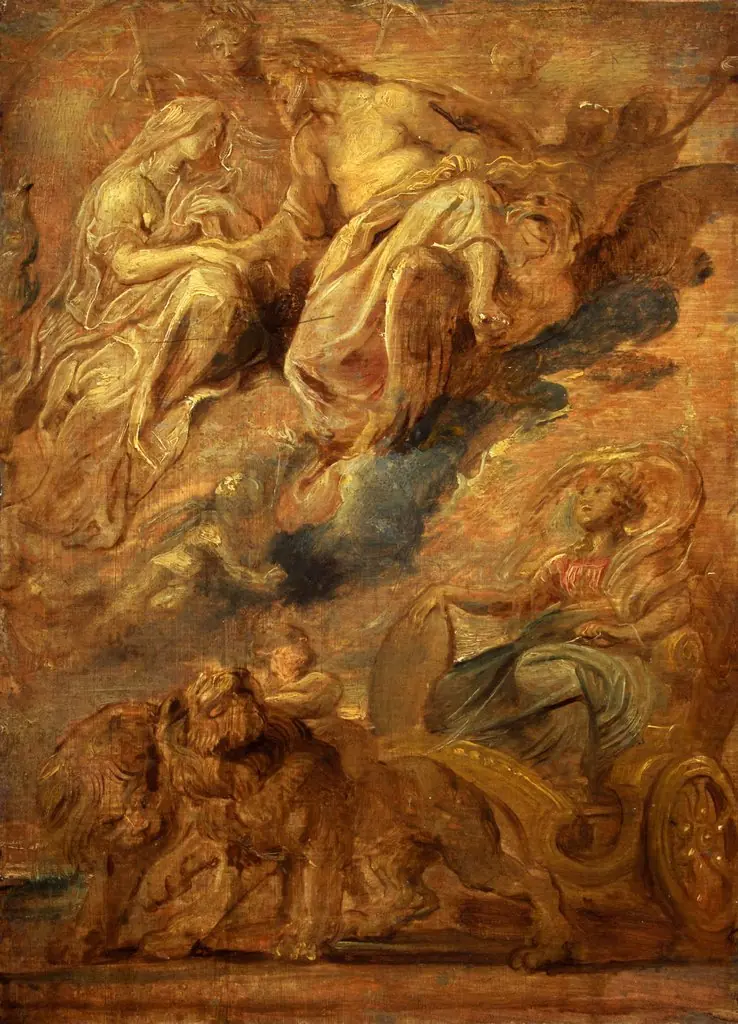 Arrival in Lyon
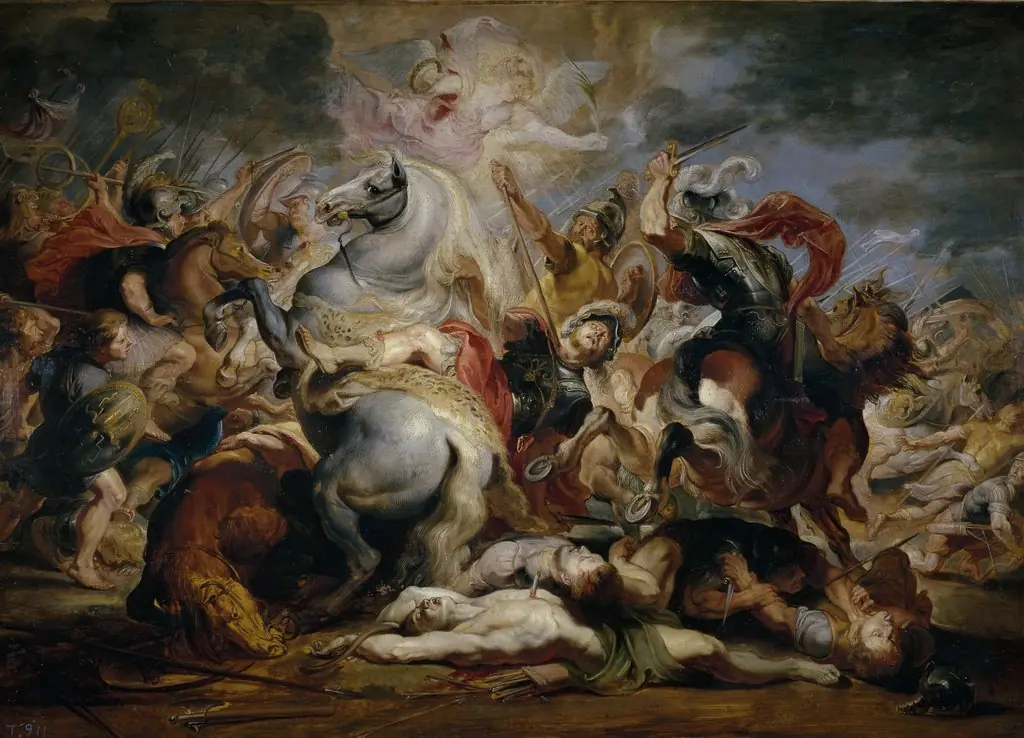 The Death of the Consul Decius
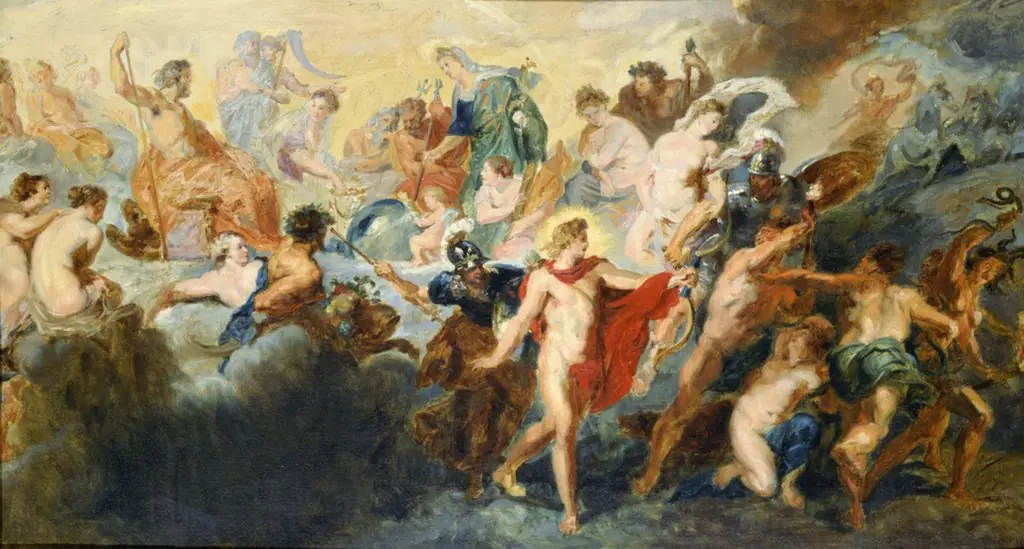 Copy after the Painting by Rubens "The Council of Gods"
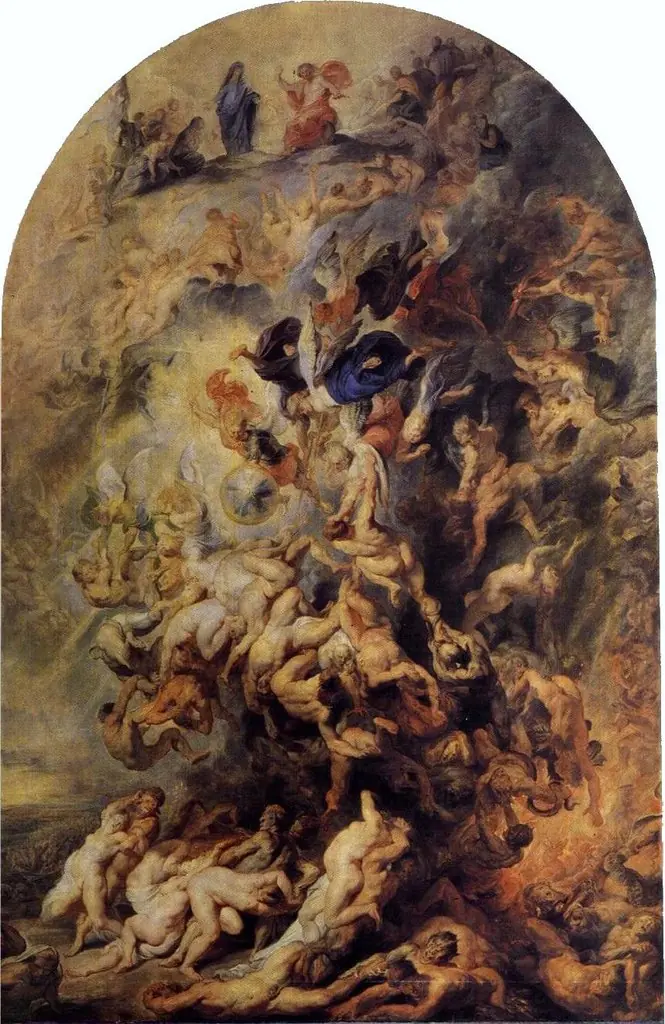 The Small Last Judgement
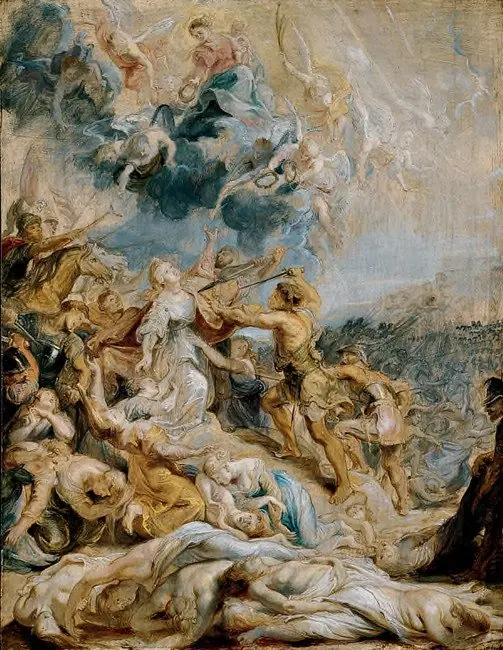 Martyrdom of St. Ursula
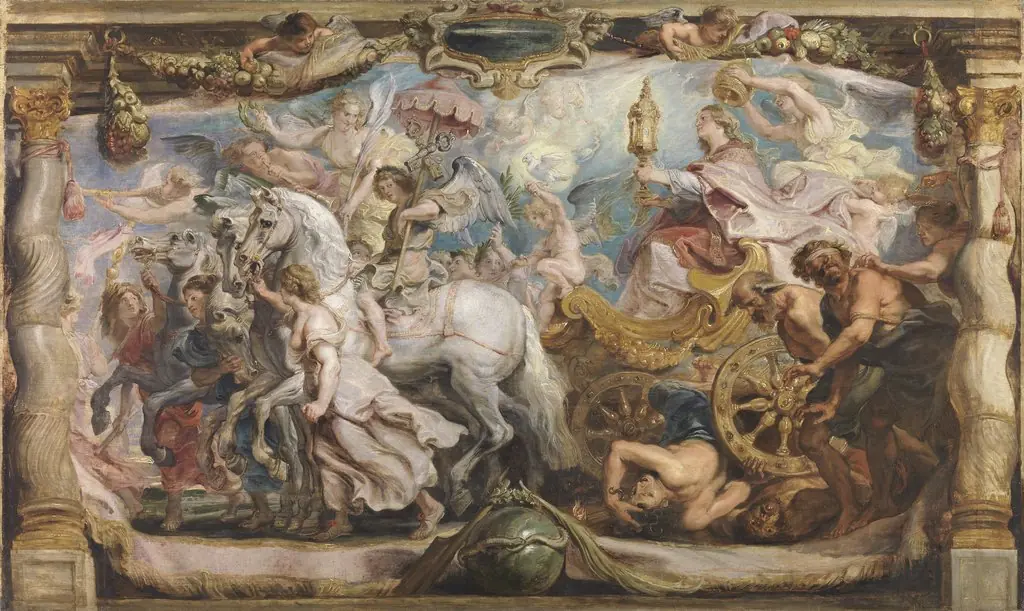 The Triumph of the Church
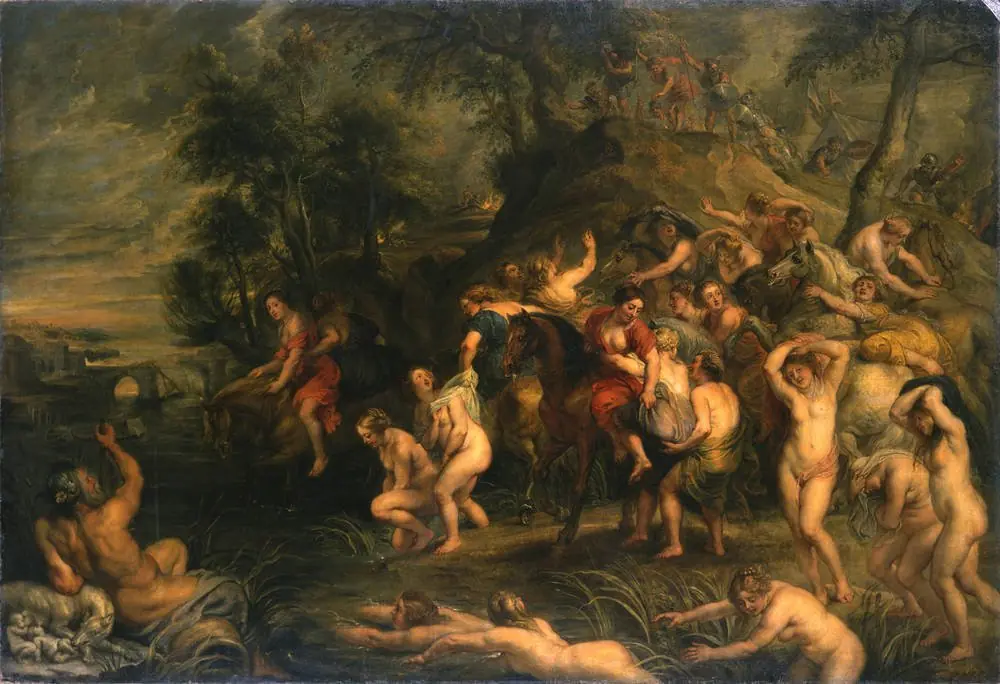 The Flight of Cloelia
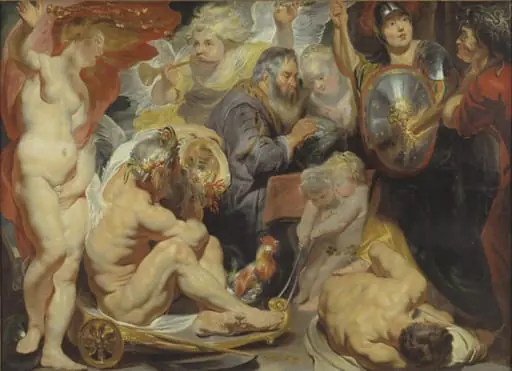 Allegory on Science. Minerva and Cronus protect Science against Envy and Ignorance