Artwork
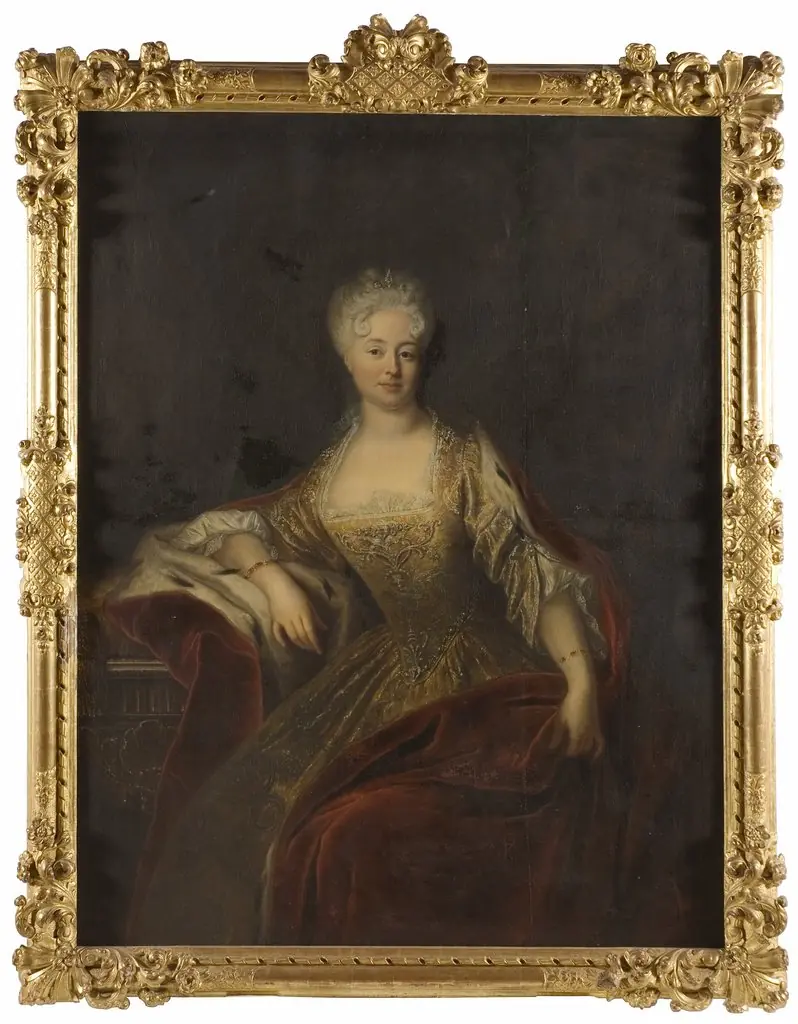
Turkiska sultanan, stående helfigur i interiör
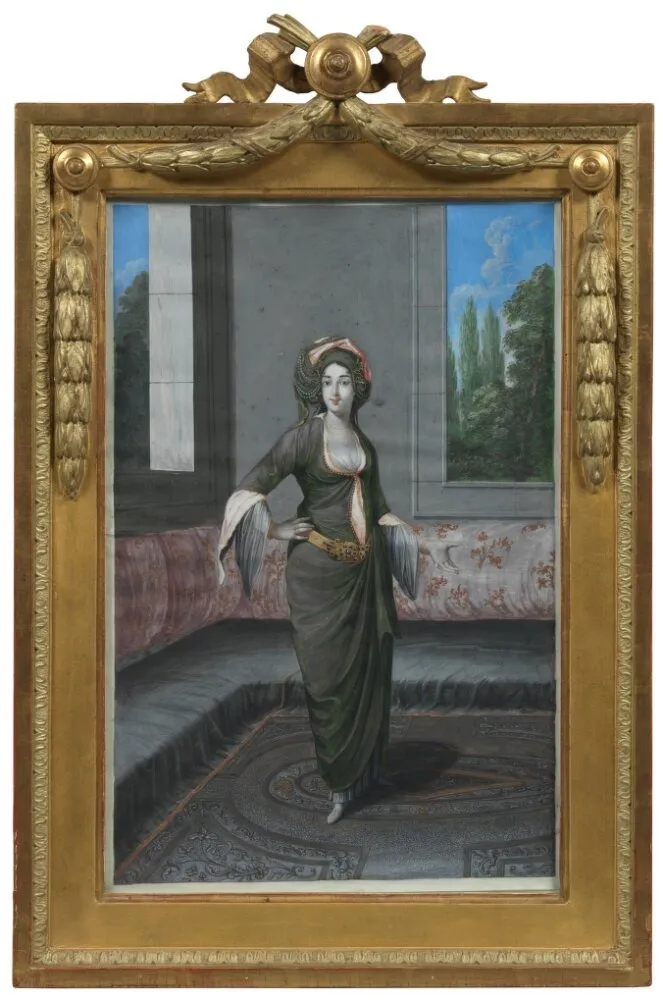
Turkiska sultanan, stående helfigur i interiör is a gouache painting by Hans Georg Müller. It dates from 1691 and is held in the collection of the Nationalmuseum.
About this work
Overview
This gouache painting, dated around 1691, is the work of Hans Georg Müller, a Swedish artist active in the late 17th century. It portrays a woman in an interior setting, rendered with the opaque, luminous qualities typical of gouache. The piece is part of the Nationalmuseum’s collection in Stockholm, where it is preserved as an example of early modern portraiture with orientalist themes.
Subject & Meaning
The figure is depicted standing in a domestic interior, dressed in elaborate garments that suggest high status.
The figure is depicted standing in a domestic interior, dressed in elaborate garments that suggest high status. Her attire—dark green robe, gold-belted waist, and patterned headpiece—evokes stylized representations of Ottoman elite women, though the identity remains unconfirmed. The composition emphasizes dignity and composure, aligning with contemporary European fascination with the Ottoman court, even if the subject is not definitively identified as a sultan’s consort.
Technique & Style
Müller employed gouache to achieve rich, saturated colors and sharp detail, particularly in the textures of fabric and ornamentation. The paint’s opacity allows for crisp outlines and layered hues, enhancing the decorative quality of the clothing and interior elements. The background is simplified, with a bench, window, and rug providing spatial context without distraction, focusing attention on the figure’s poised stance and regal attire.
History & Provenance
The painting entered the Nationalmuseum’s holdings in the 19th century, likely through acquisition or donation. Its origin as a private commission or study remains undocumented. While Müller produced other works, this piece stands as one of the few surviving examples of his engagement with exoticized portraiture, reflecting the period’s interest in foreign courts through a European lens.
Context
Created during a time of heightened European curiosity about the Ottoman Empire, the painting reflects a trend of orientalist imagery in Scandinavian art. Though not a direct portrait of a historical figure, it draws on published engravings and traveler accounts to construct an idealized image of Ottoman nobility. Such works served more as cultural fantasies than ethnographic records.
Legacy
The painting contributes to the understanding of how 17th-century Swedish artists interpreted and represented non-European cultures. It illustrates the blending of observation and imagination in early modern portraiture. While not widely known outside museum circles, it remains a quiet testament to the cross-cultural exchanges that shaped European visual culture at the time.
Artist & collection

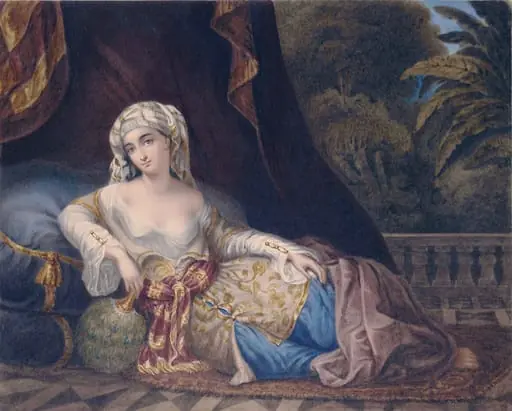 Nourmahal
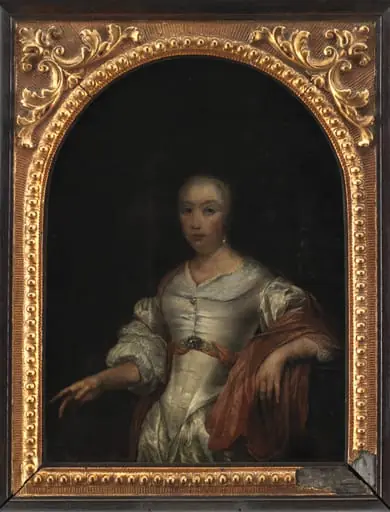 Portrait of a Lady
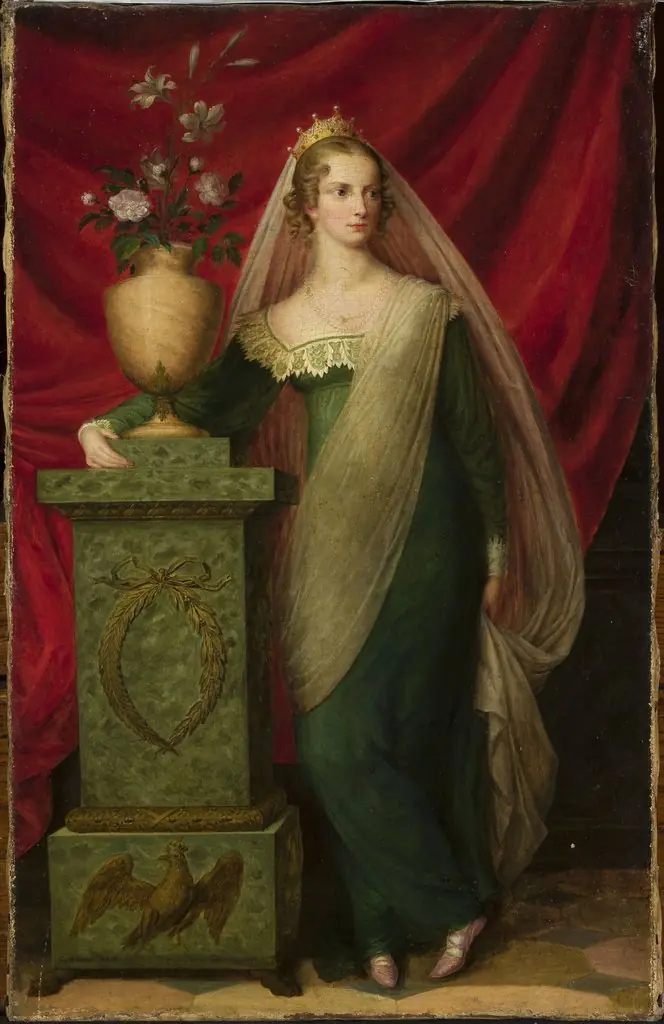 Portrait of an unidentified princess
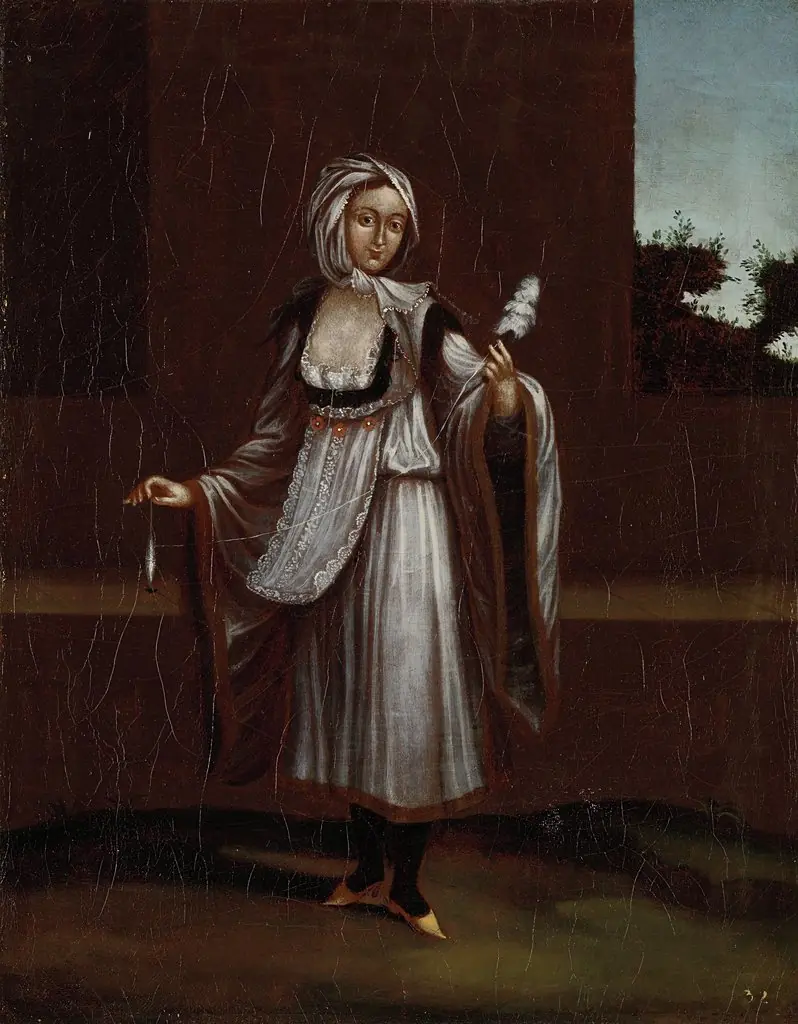 Woman from the Island of Patmos
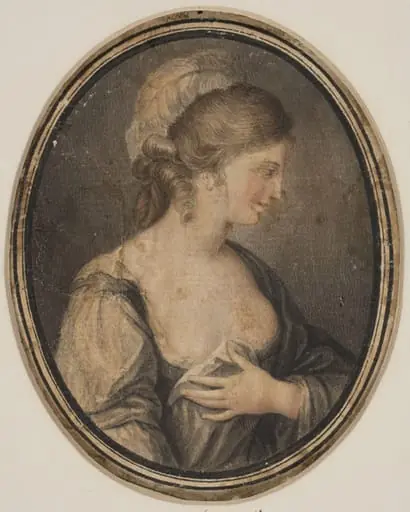 Miniature drawing of a female figure
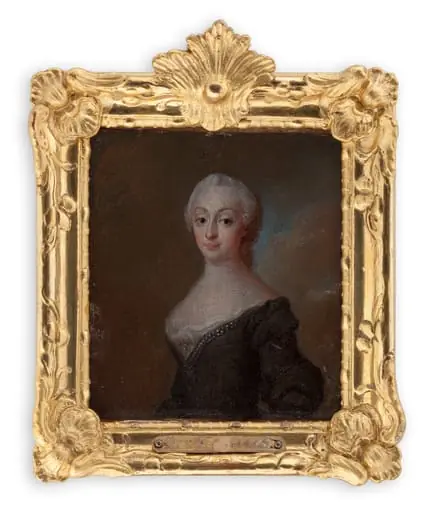 Nuoren naisen muotokuva
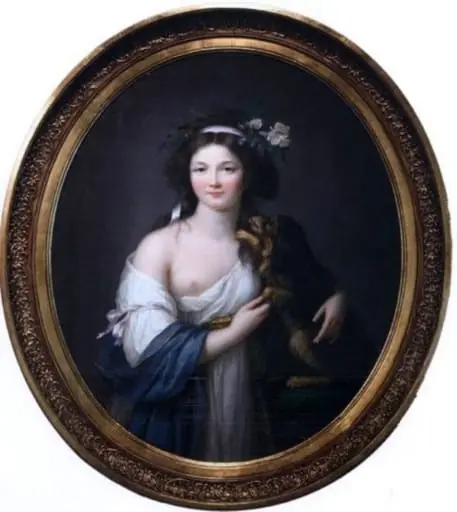 Doamna D’Aguesseau
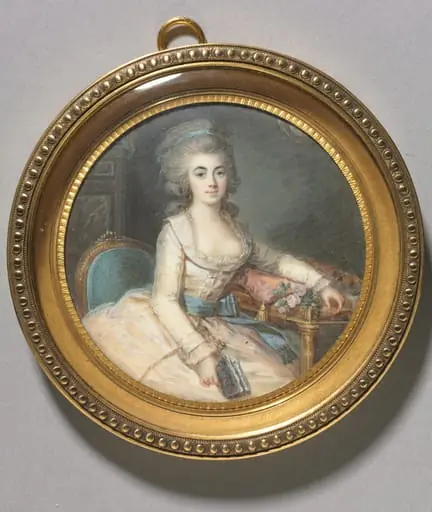 Portrait of a Woman
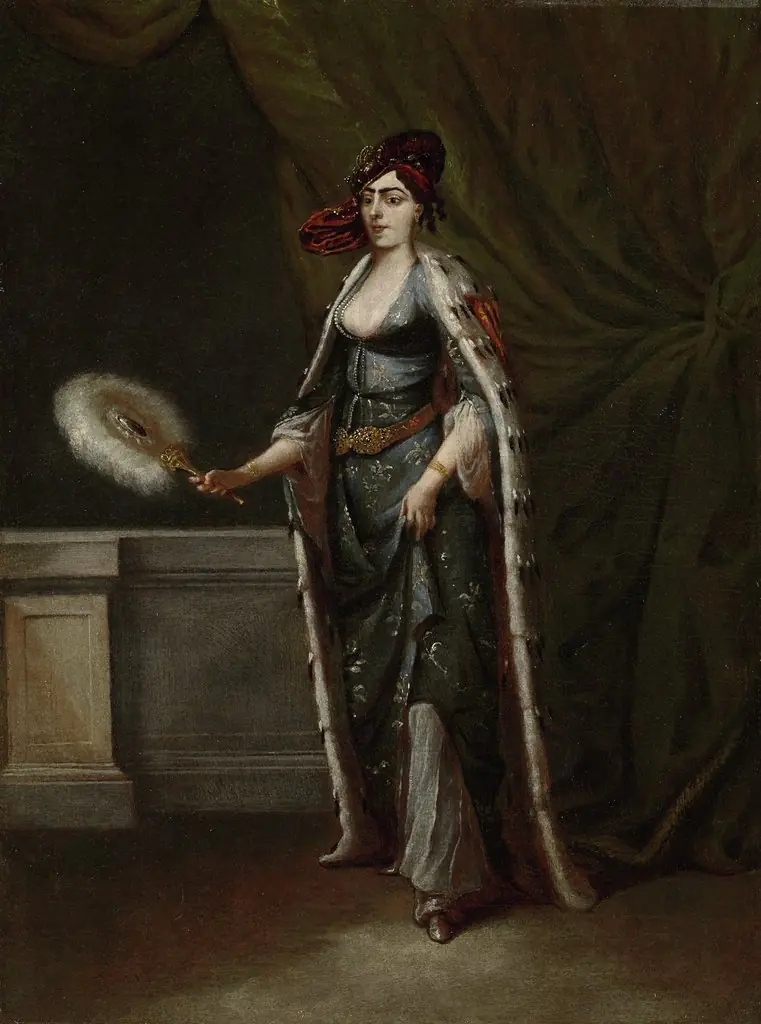 A Turkish Woman
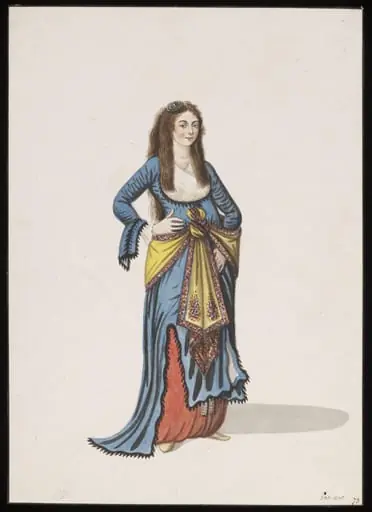 A young woman in Turkish dress
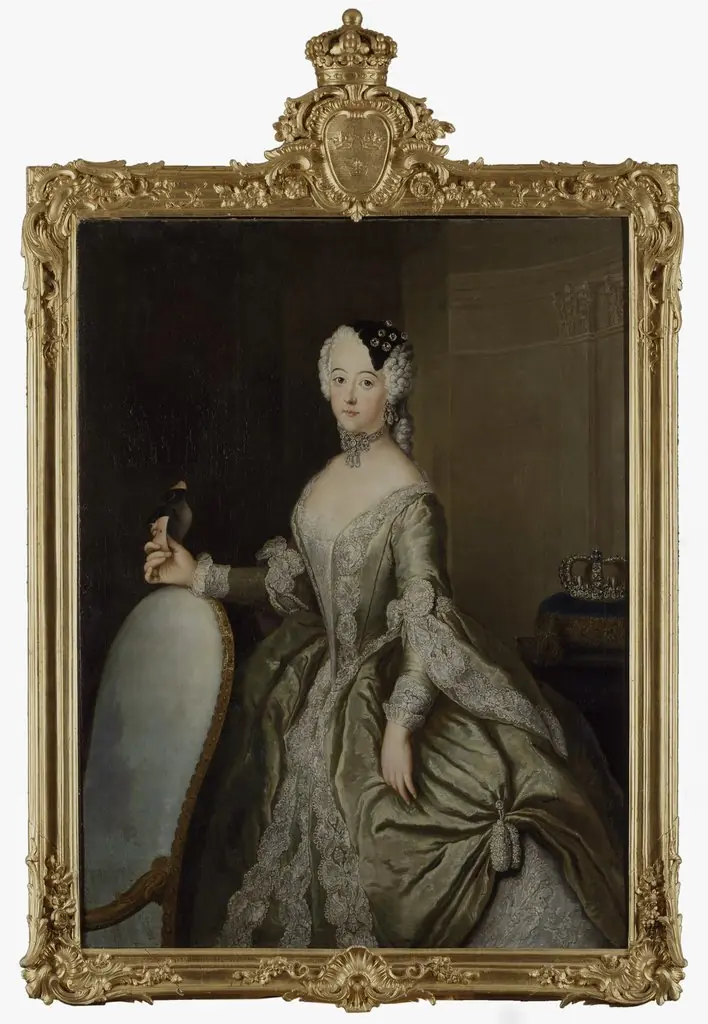 Lovisa Ulrika, 1720-1782, drottning av Sverige prinsessa av Preussen
 Johanna Charlotta, 1682-1750, prinsessa av Anhalt-Dessau