Artwork
Christgartner Altar: Grabtragung Mariens Rückseite: Fall Christi auf das Kreuz
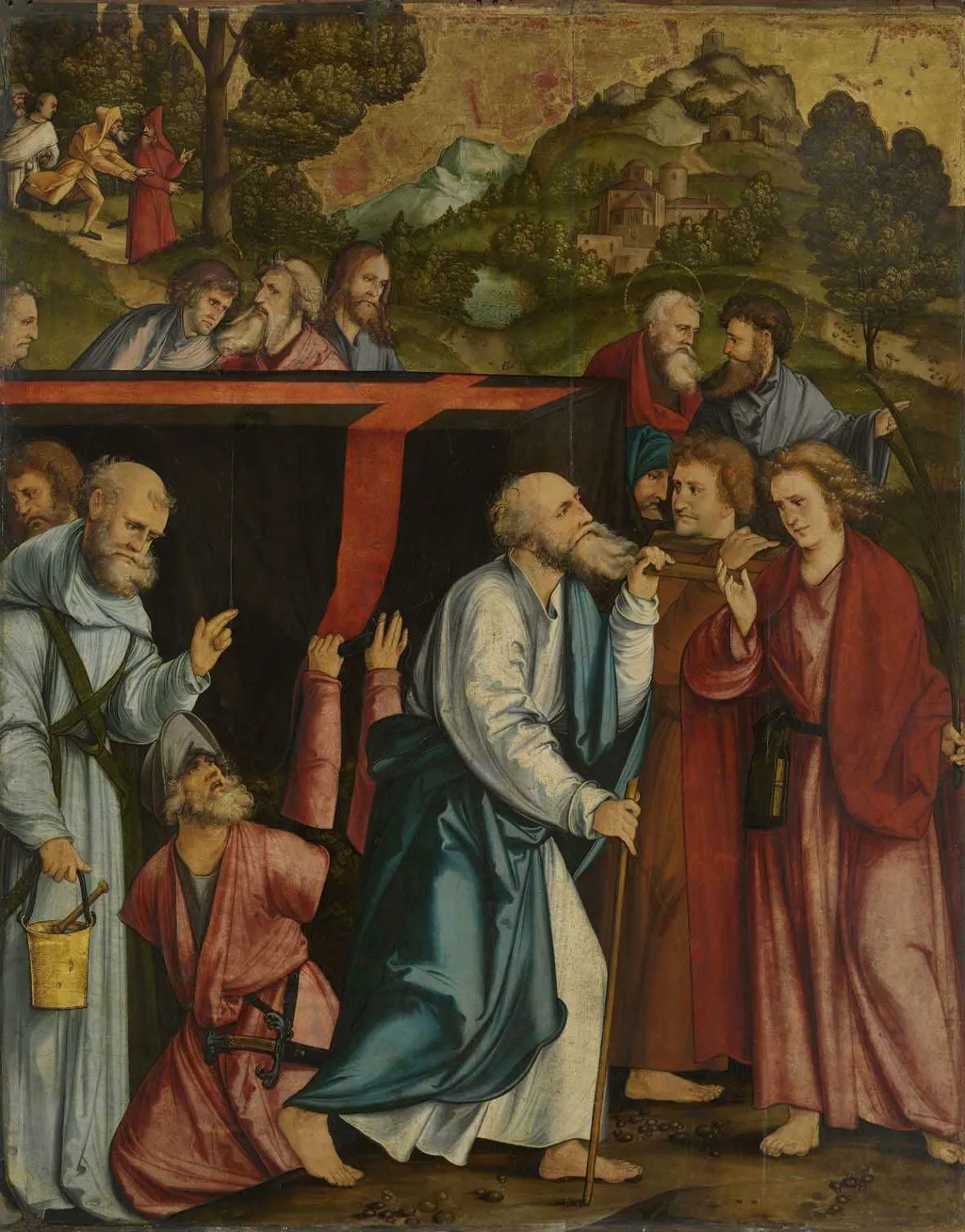
Christgartner Altar: Grabtragung Mariens Rückseite: Fall Christi auf das Kreuz is an unspecified painting by the Northern Renaissance artist Hans Leonhard Schäufelein. It dates from 1515 and is held in the collection of the Bavarian State Painting Collections.
About this work
Overview
Hans Leonhard Schäufelein’s 1515 religious work, known as the Christgartner Altar: Grabtragung Mariens Rückseite: Fall Christi auf das Kreuz, is part of the Alte Pinakothek’s collection. The composition presents a solemn interior scene, illuminated by a stark contrast of light and shadow that highlights the figures and their gestures.
Subject & Meaning
The painting depicts a group of men gathered in a dimly lit chamber, centered on a figure in a blue robe who holds a staff and gestures outward. The surrounding participants, dressed in muted reds and grays, appear either attentive or withdrawn, suggesting a narrative of contemplation or instruction within a devotional context.
Technique & Style
Schäufelein employs a pronounced chiaroscuro effect, with bright illumination striking the faces and hands while deeper shadows recede into darkness. This manipulation of light creates a dramatic spatial depth and emphasizes the emotional tenor of the scene, a hallmark of early 16th‑century German painting.
History & Provenance
Created in 1515, the work has remained in German collections, eventually entering the Alte Pinakothek in Munich. Its provenance reflects the museum’s focus on early Renaissance art and the preservation of regional religious panels.
Context
The altar piece belongs to a series of devotional images intended for ecclesiastical settings, illustrating episodes from Christ’s Passion. Its visual language aligns with contemporary Germanic approaches to narrative painting, where intimate interior settings convey theological themes.
Artist & collection
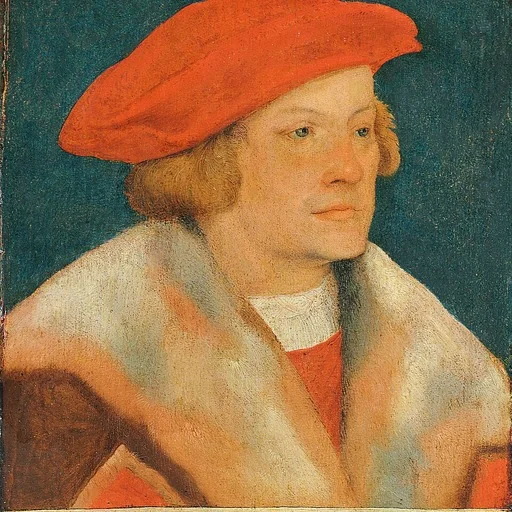
Artist
Hans Leonhard Schäufelein (1480–1540) was an artist, born in Nuremberg.

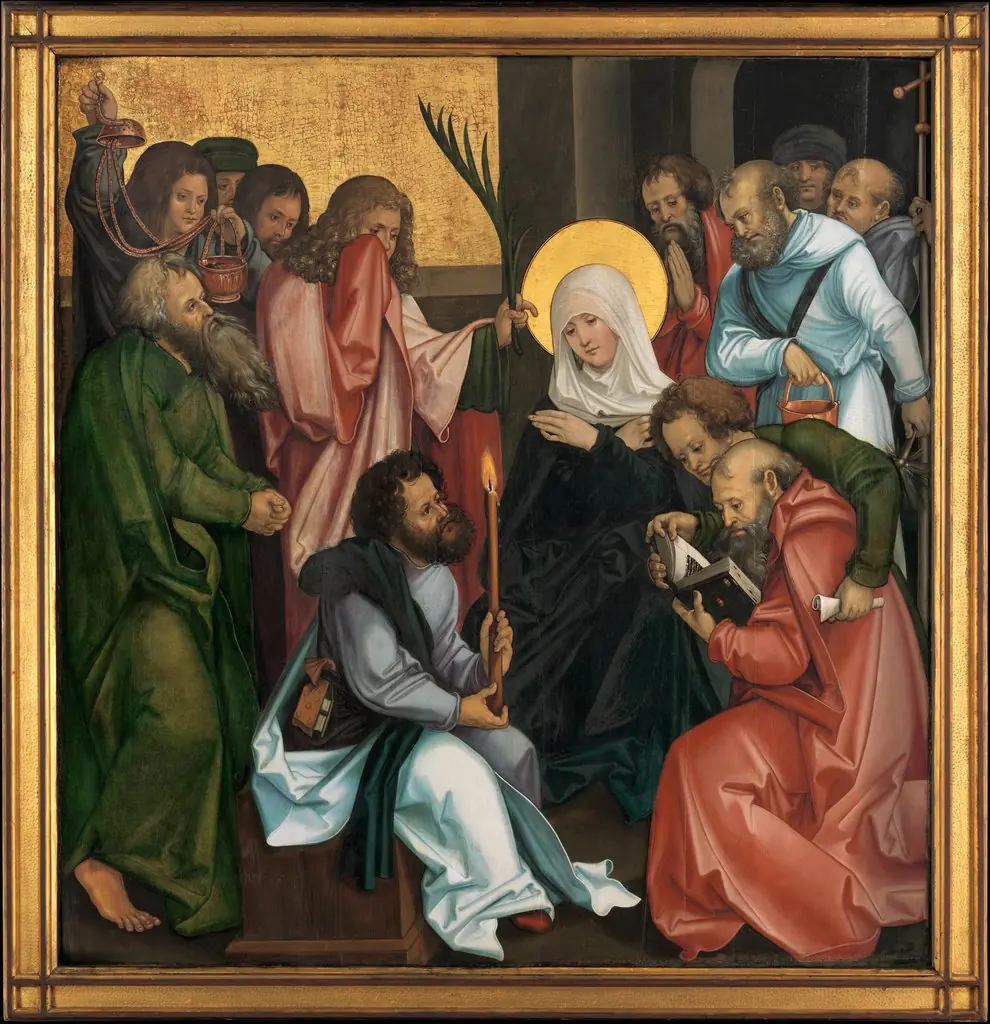 The Dormition of the Virgin; (reverse) Christ Carrying the Cross
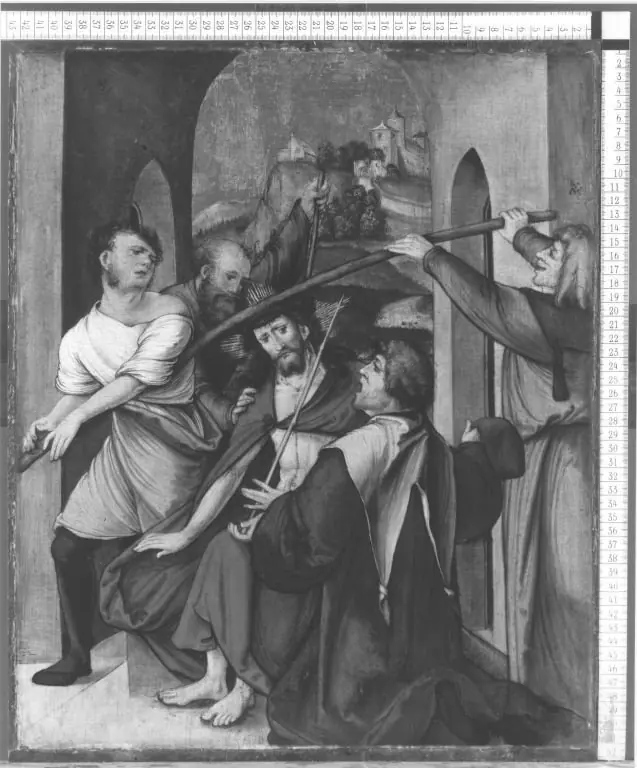 Christ crowned with thorns
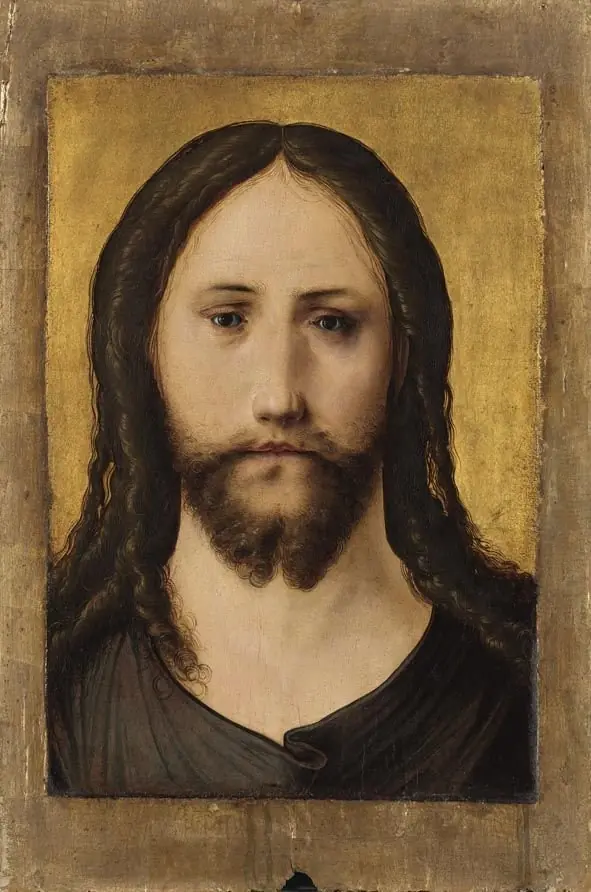 Christuskopf
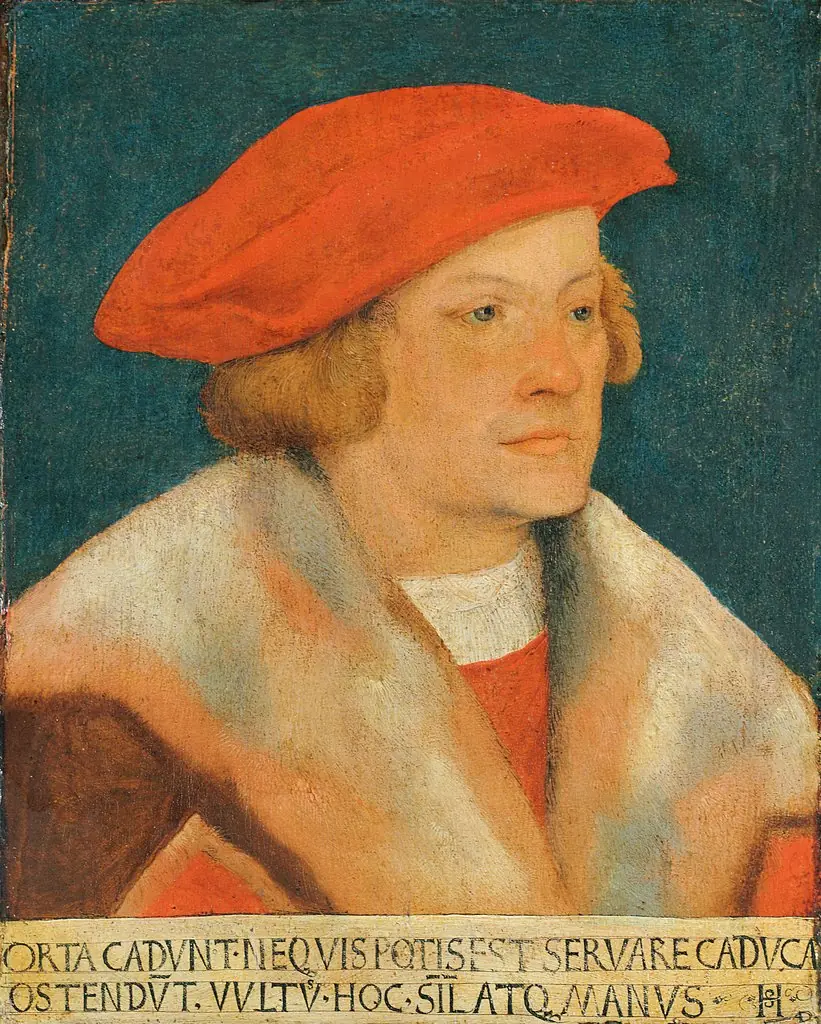 Portrait of a Man (Self-portrait?)
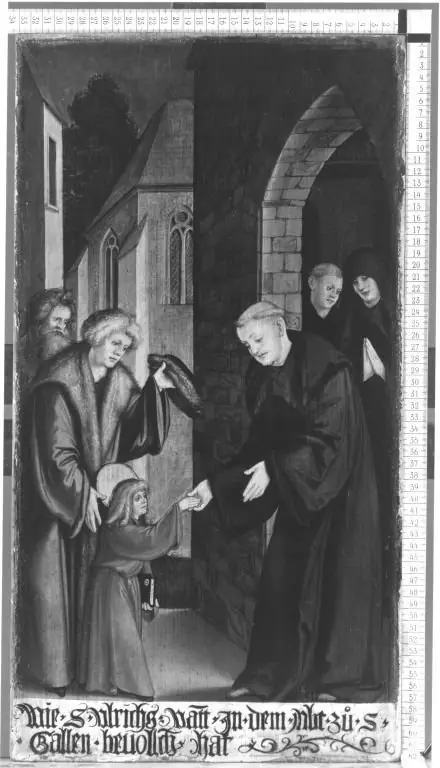 Der hl. Ulrich vor dem Abt von St. Gallen
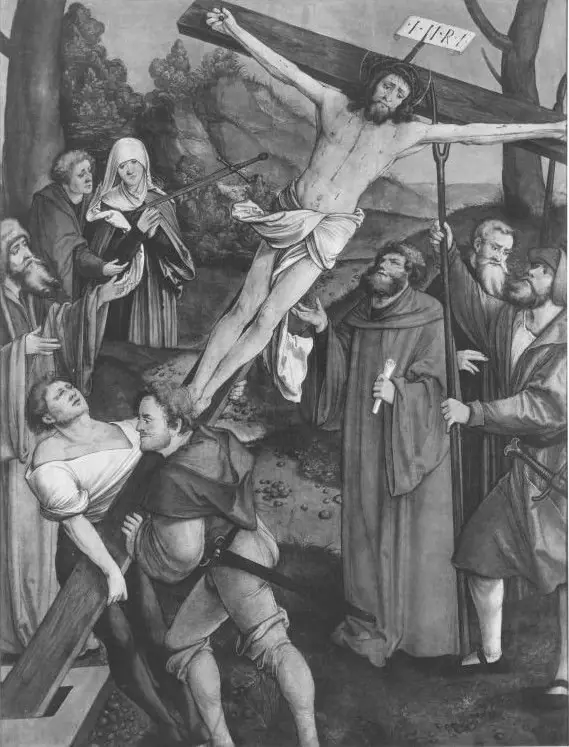 Christgartner Altar: Fall Christi bei der Kreuzaufrichtung (Abgetrennte Rückseite von WAF 920)
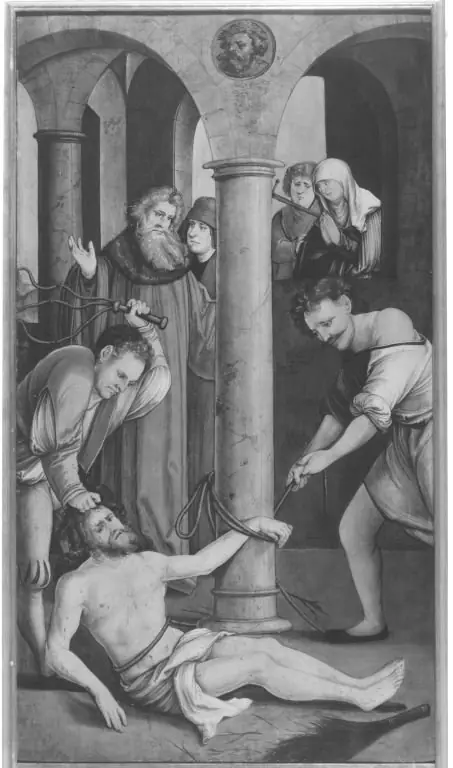 Fall of Christ during the Flagellation
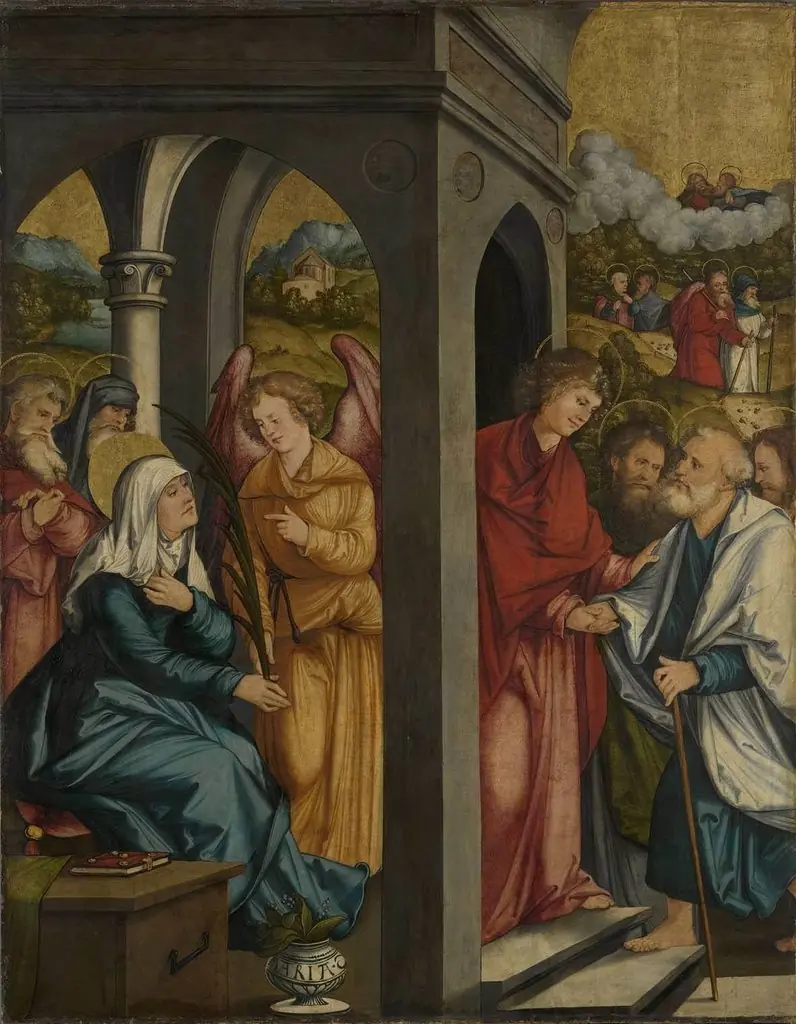 Christgartner Altar: Ein Engel reicht Maria die Palme
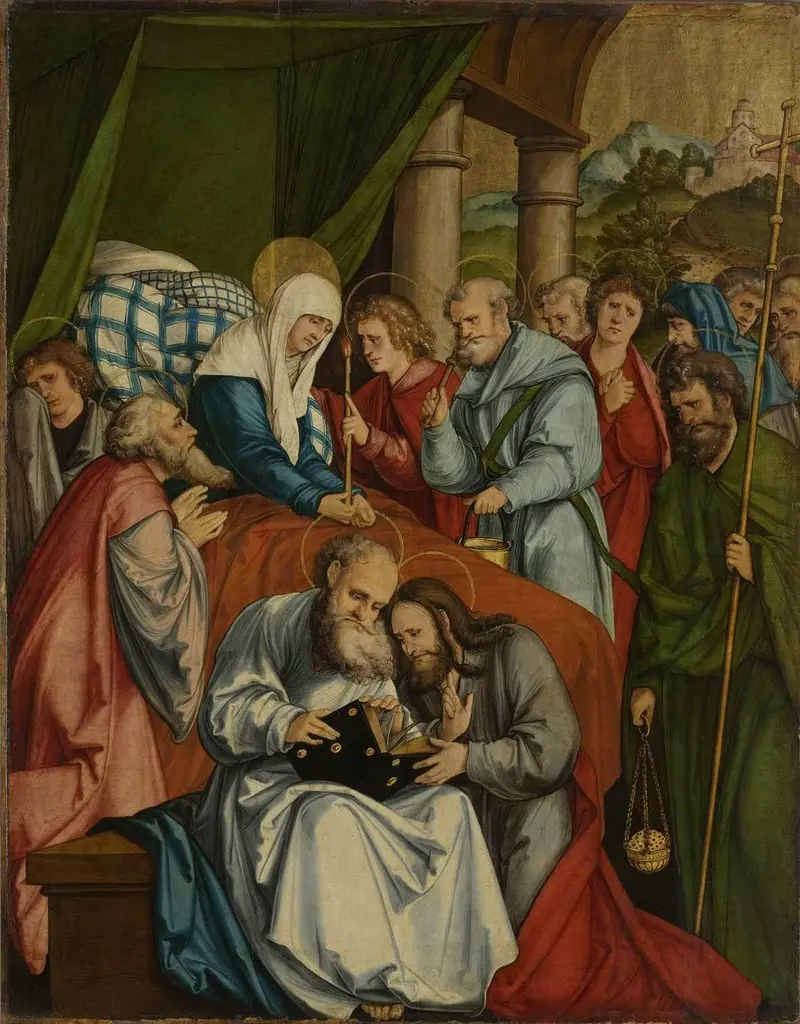 Christgartner Altar: Tod Mariens
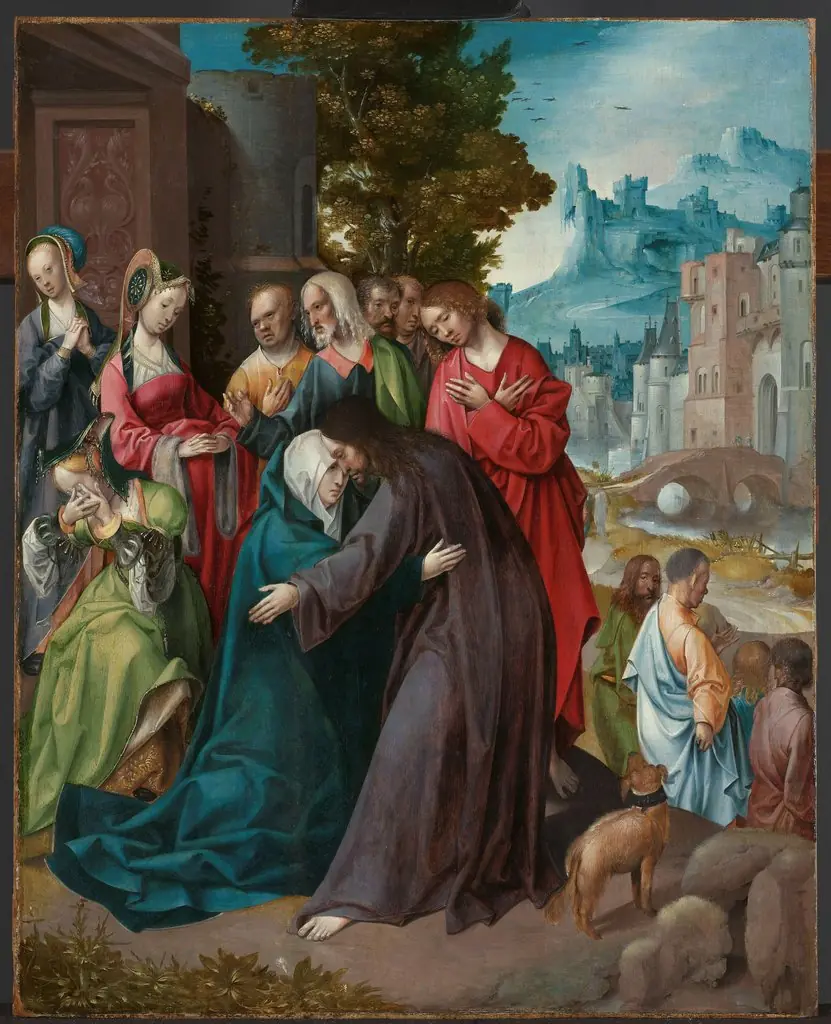 Christ Taking Leave of his Mother
 The Transfiguration
 Apostelaltar: Apostelabschied
 Cristo no Horto
 Predella Panel Representing the Legend of St. Stephen: St. Stephen Preaching
 The Betrayal of Christ
 Tod Mariens
 Laurentius-Altar: Der Tod Mariae
 Expulsion of the money changers from the temple
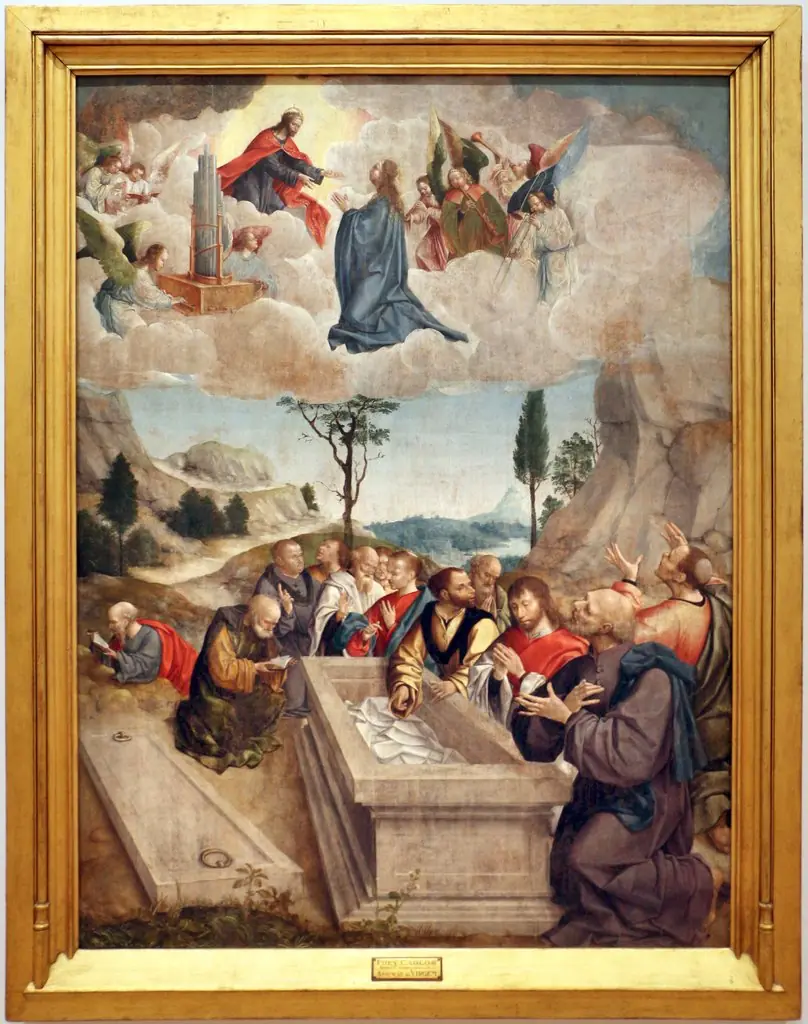 Assunção da Virgem Maria - Frei Carlos