Artwork
Assunção da Virgem Maria - Frei Carlos
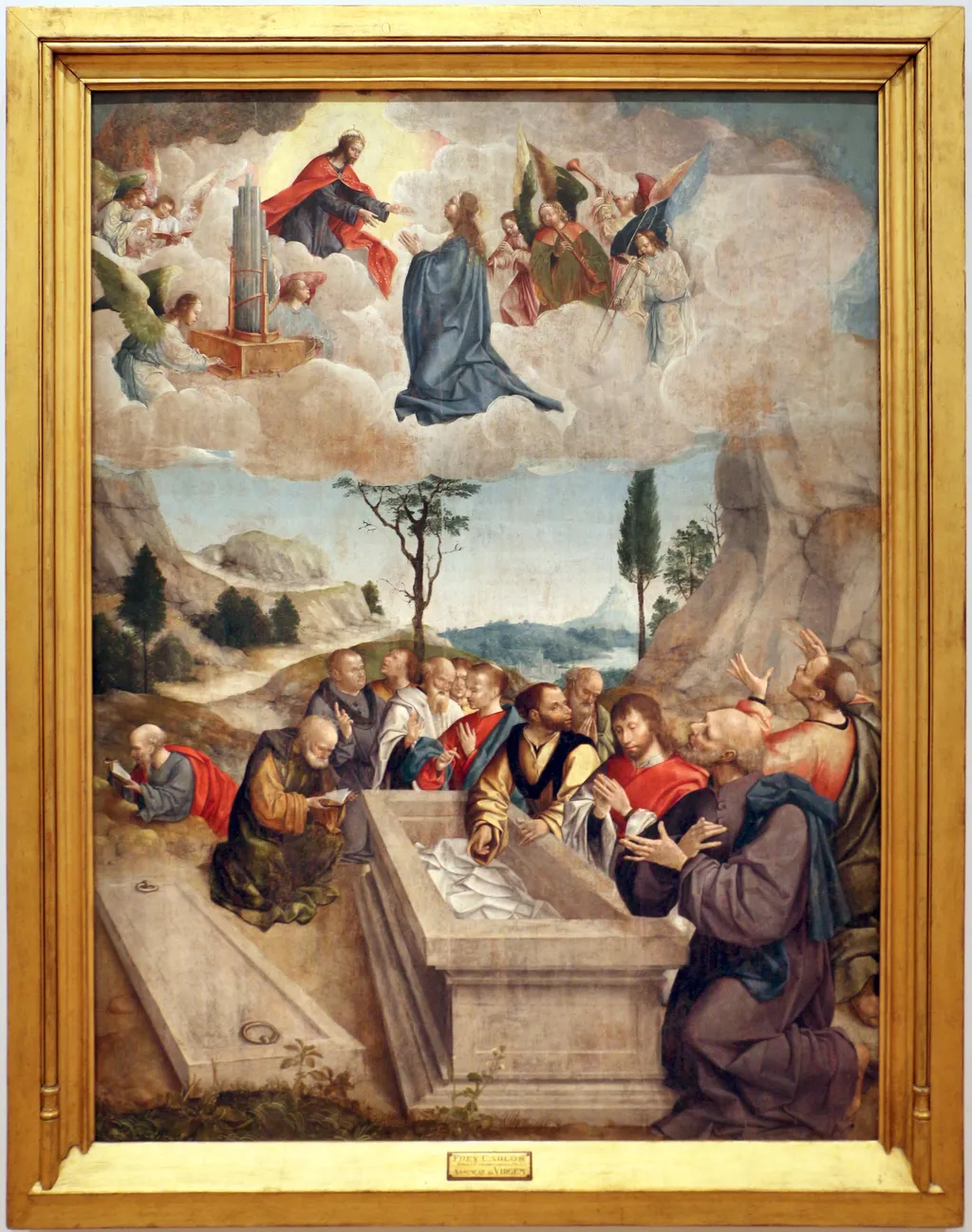
Assunção da Virgem Maria - Frei Carlos is an unspecified painting by the Early Renaissance artist Frei Carlos. It dates from 1520 and is held in the collection of the National Museum of Ancient Art.
About this work
Overview
It is housed in the National Museum of Ancient Art in Lisbon and represents a late medieval devotional image adapted into early Renaissance Portuguese painting.
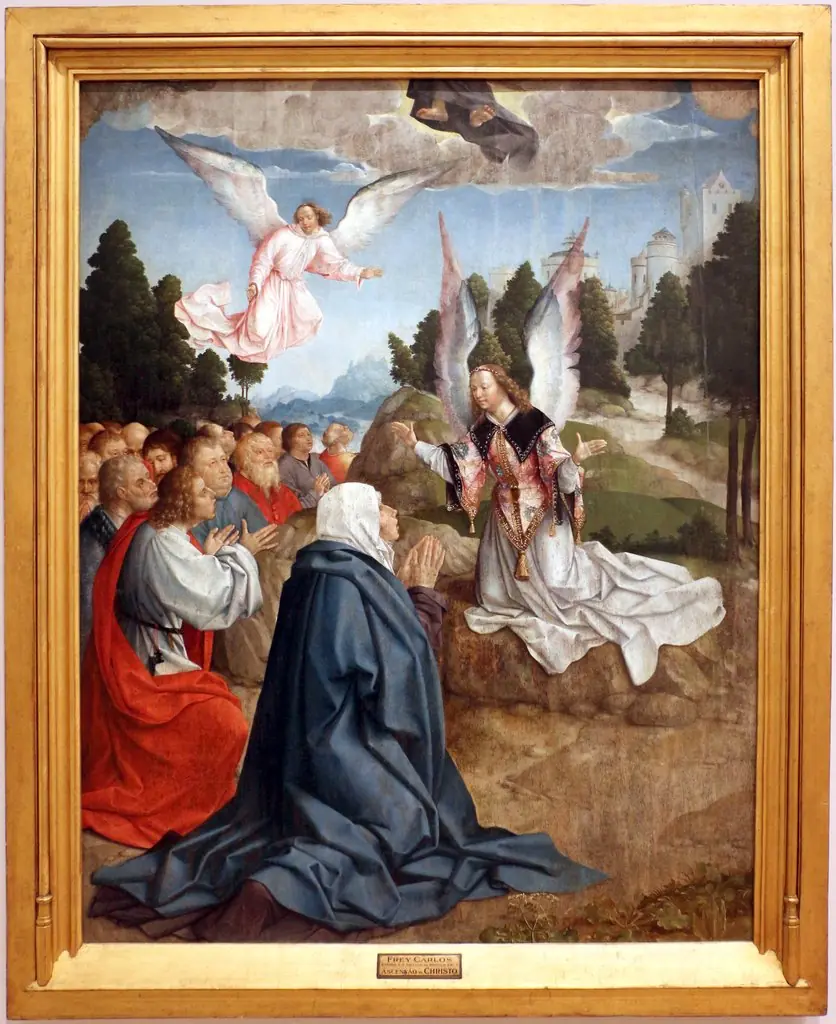
Painted in 1520 by the Portuguese friar and artist Frei Carlos, this work illustrates the Assumption of the Virgin Mary, not the Ascension of Christ as mistakenly noted. It is housed in the National Museum of Ancient Art in Lisbon and represents a late medieval devotional image adapted into early Renaissance Portuguese painting. The composition centers on Mary’s ascent into heaven, framed by celestial and earthly realms.
Subject & Meaning
The painting portrays the Virgin Mary being lifted toward heaven by angels, a moment affirming her divine favor and bodily assumption into eternal glory. Below, apostles and mourners gather around her empty tomb, their postures conveying awe and grief. The scene merges theological doctrine with human emotion, reinforcing the Church’s teaching on Mary’s unique role while grounding the miracle in a relatable moment of loss and wonder.
Technique & Style
Frei Carlos employs a restrained palette of earth tones and muted blues, with subtle gradations to suggest volume and depth. Figures are rendered with soft contours and minimal anatomical detail, reflecting lingering Gothic conventions. The background features a hazy landscape of rolling hills and clouds, creating a spatial divide between the earthly and heavenly spheres. Light is used symbolically rather than naturally, highlighting Mary’s ascent without dramatic chiaroscuro.
History & Provenance
The painting was likely commissioned for a monastic chapel in Portugal, given the artist’s identity as a friar. It entered the collection of the National Museum of Ancient Art in the 19th century during a broader effort to preserve religious art following the dissolution of monasteries. Its attribution to Frei Carlos is supported by stylistic parallels with other works from the same conventual circle, though documentation from the period remains sparse.
Context
Created during a period when Portuguese religious art was transitioning from late Gothic stylization toward Renaissance naturalism, the painting reflects local adaptations of broader European trends. While Italian models influenced composition and iconography, the execution retains a northern European sensitivity to texture and quiet emotion. It stands as an example of how devotional imagery in smaller, non-urban centers maintained traditional forms longer than in major artistic hubs.
Legacy
Frei Carlos’s Assumption remains one of the few securely attributed religious works by a Portuguese friar-painter of the early 16th century. It contributes to understanding the role of monastic artists in sustaining religious imagery outside courtly or urban centers. Though not widely known beyond Portugal, it is studied as a representative example of regional devotional painting during a time of ecclesiastical and artistic change.
Artist & collection

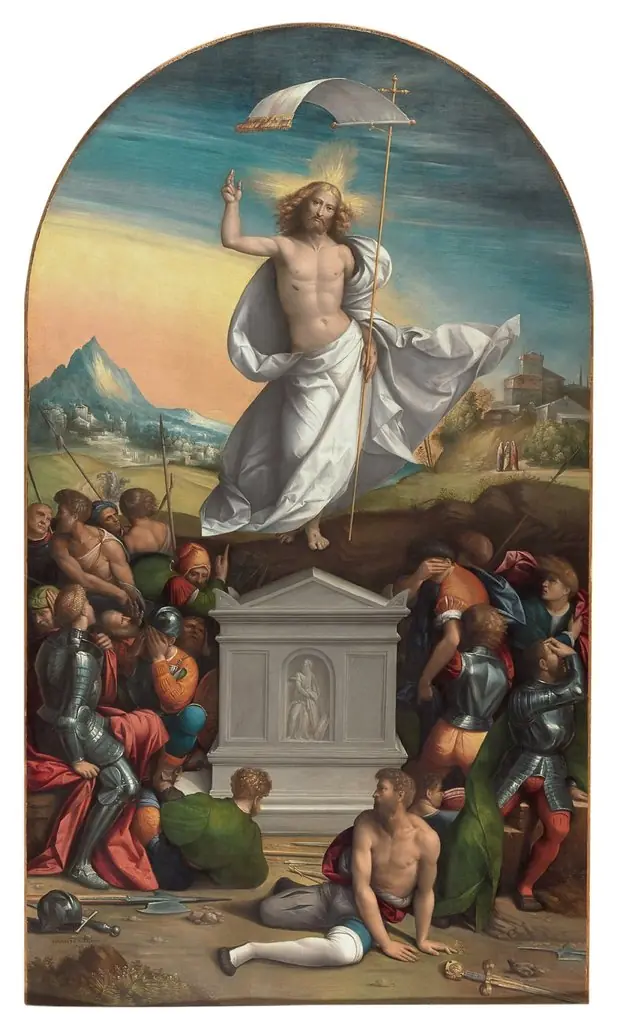 Resurrection of Christ
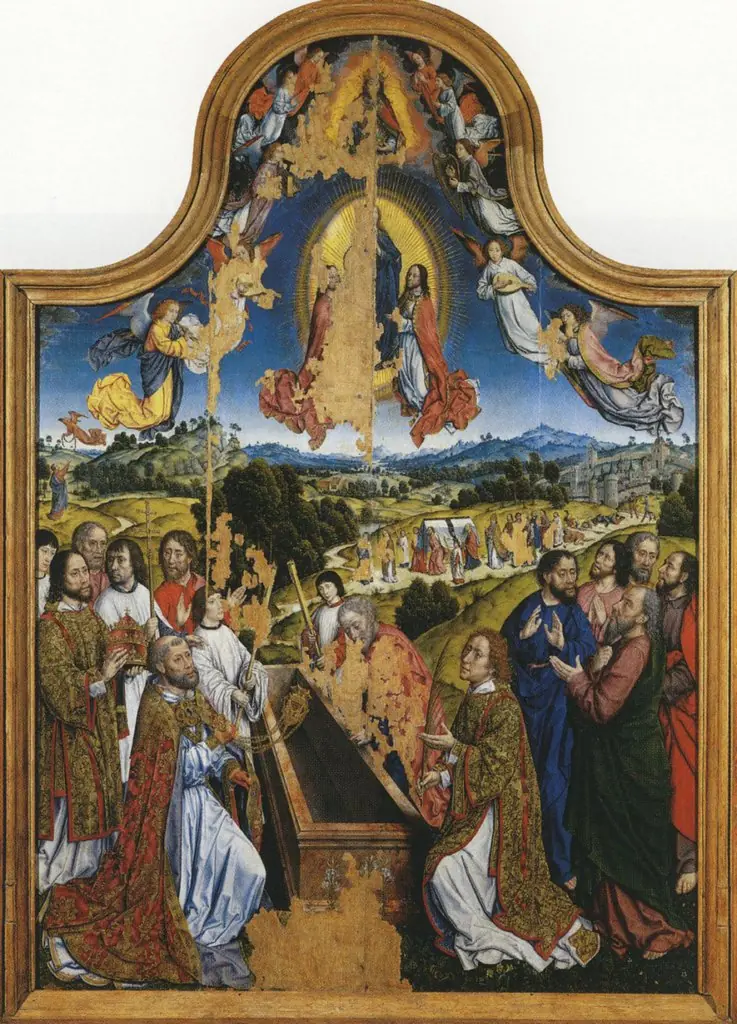 Assumption of the Virgin
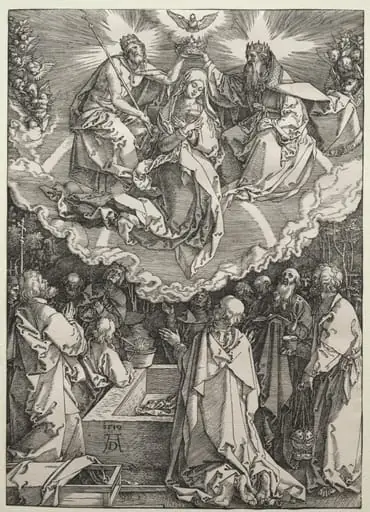 The Assumption and Coronation of the Virgin
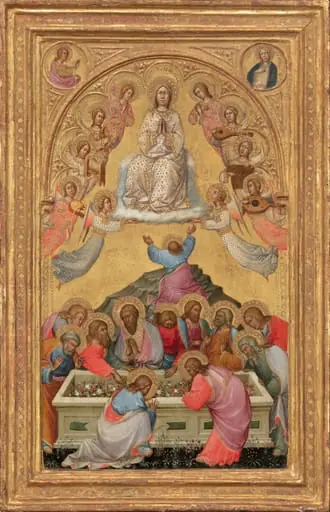 The Assumption of the Virgin with Busts of the Archangel Gabriel and the Virgin of the Annunciation
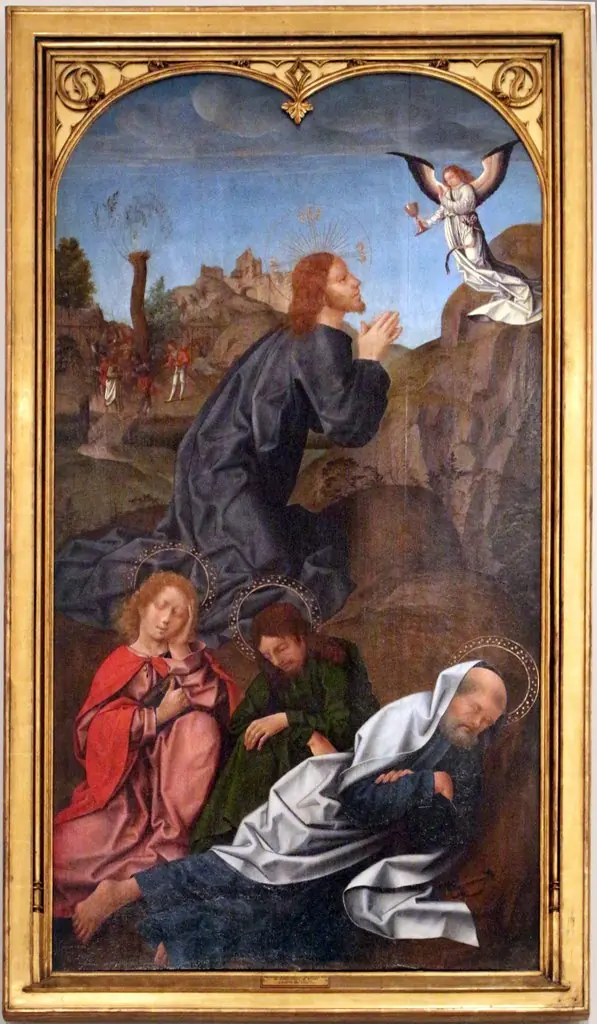 Cristo no Horto
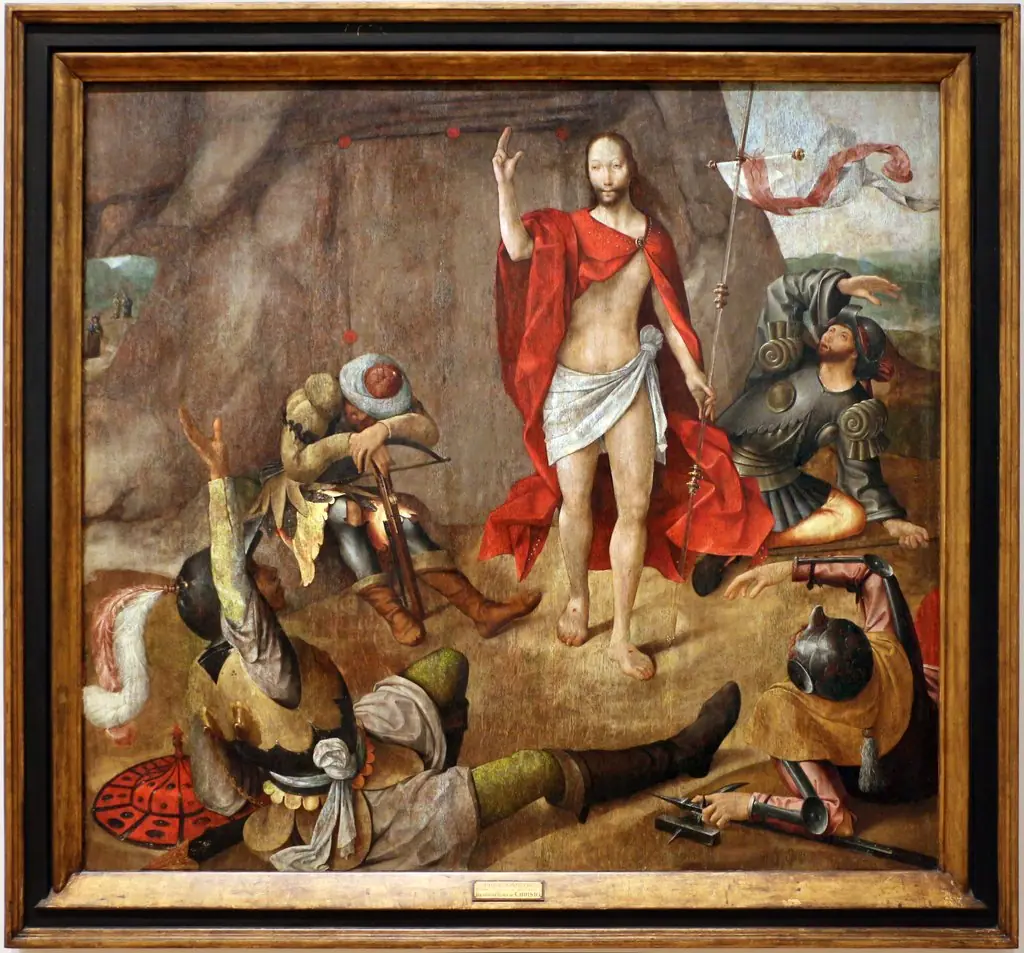
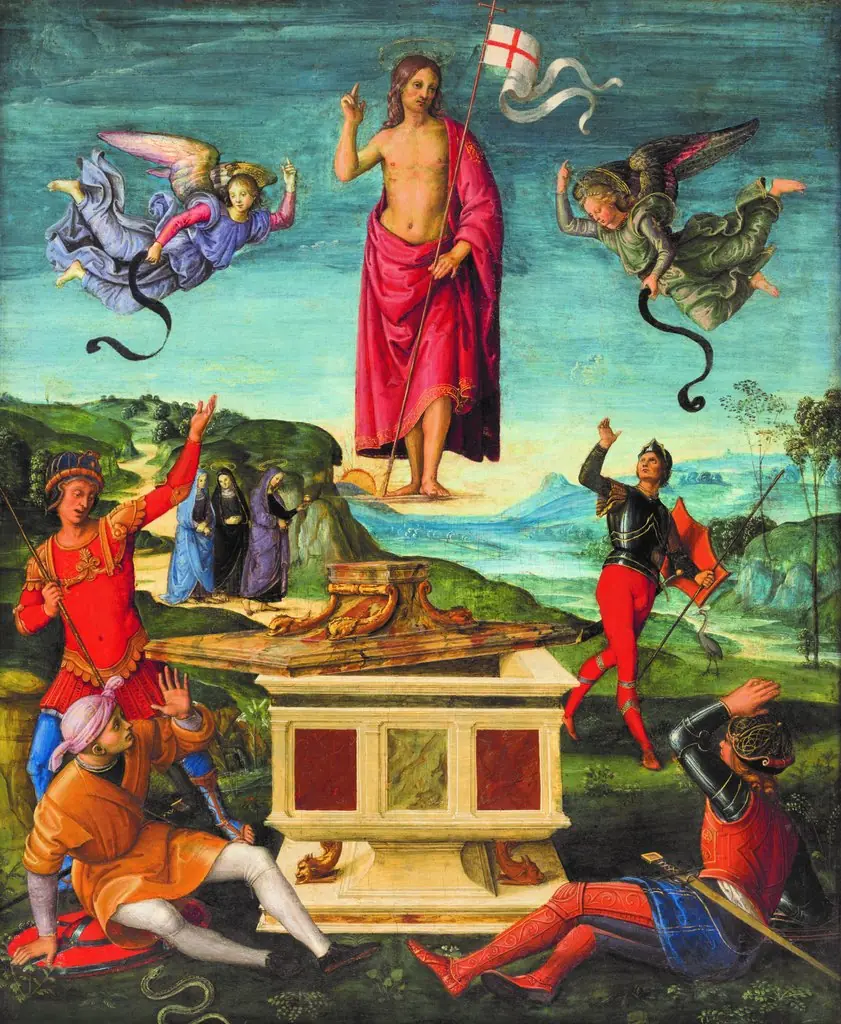 Resurrection of Christ
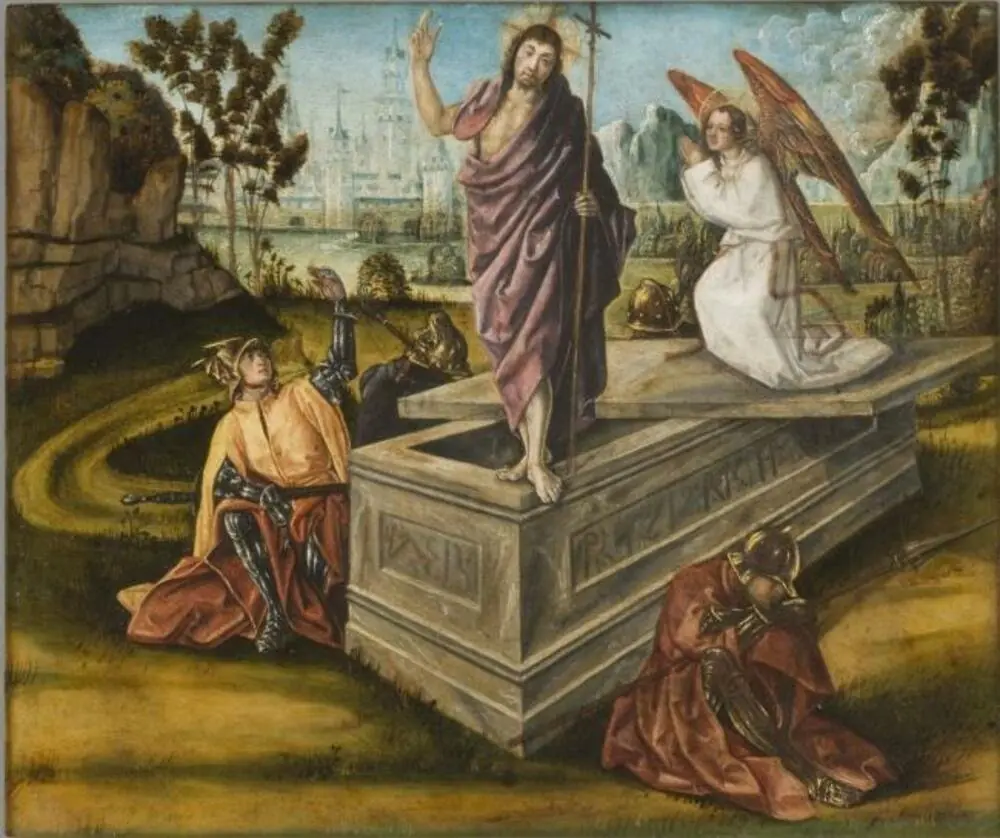 The Resurrection
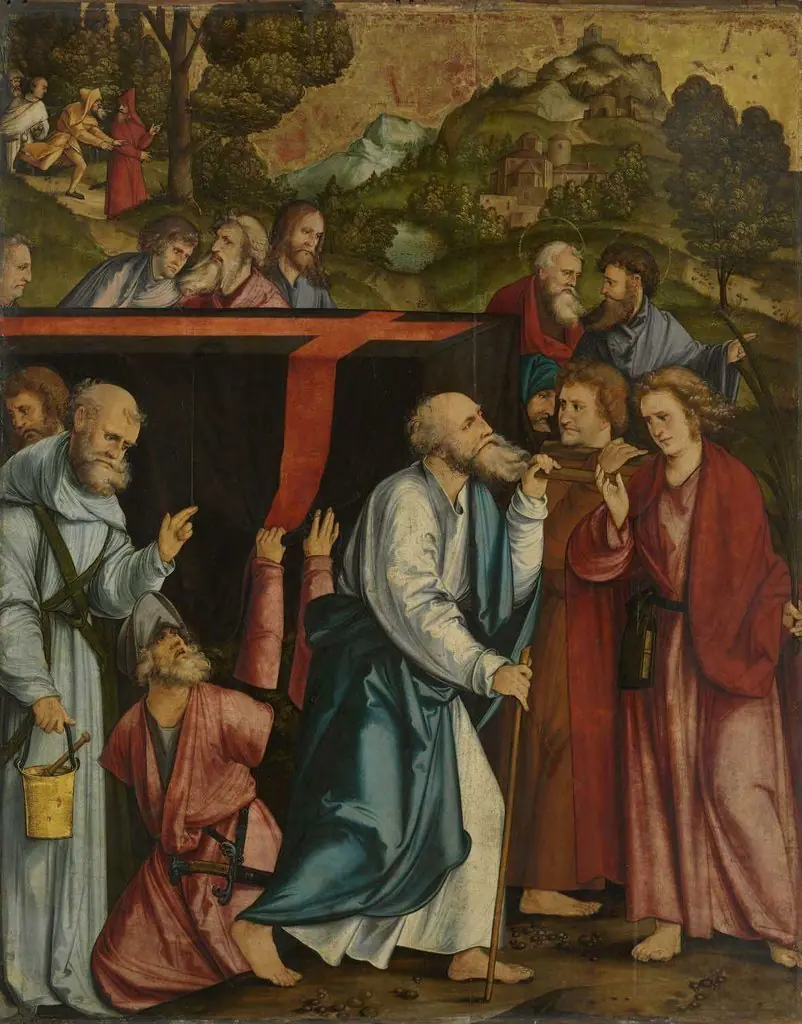 Christgartner Altar: Grabtragung Mariens Rückseite: Fall Christi auf das Kreuz
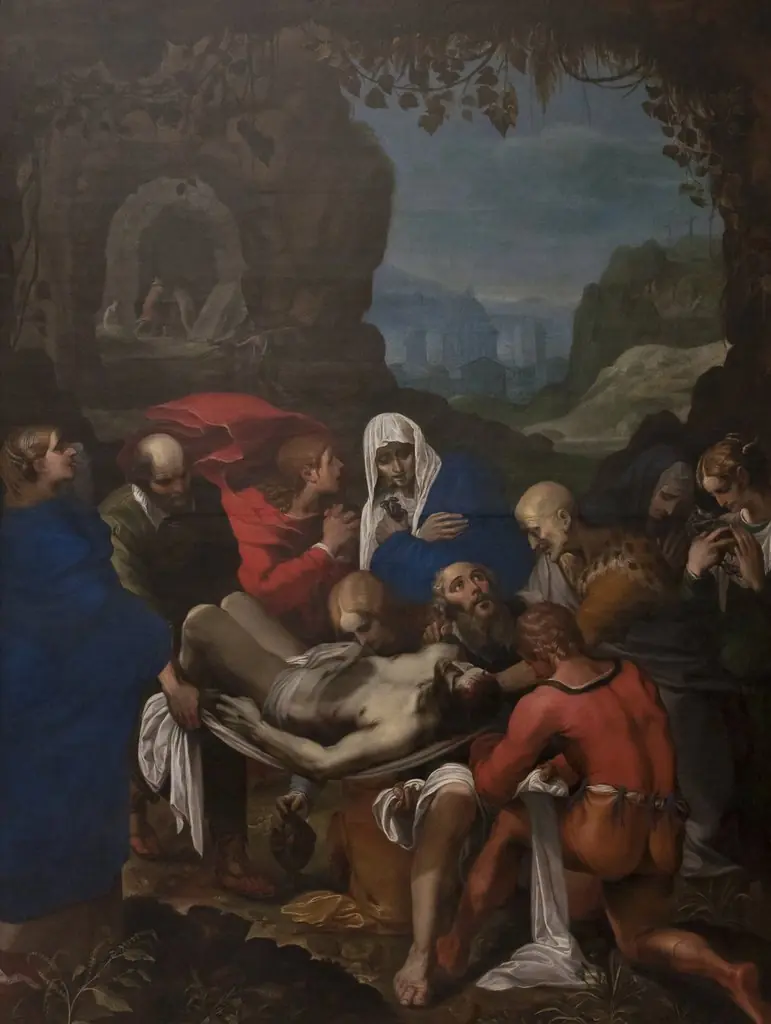 The entombment
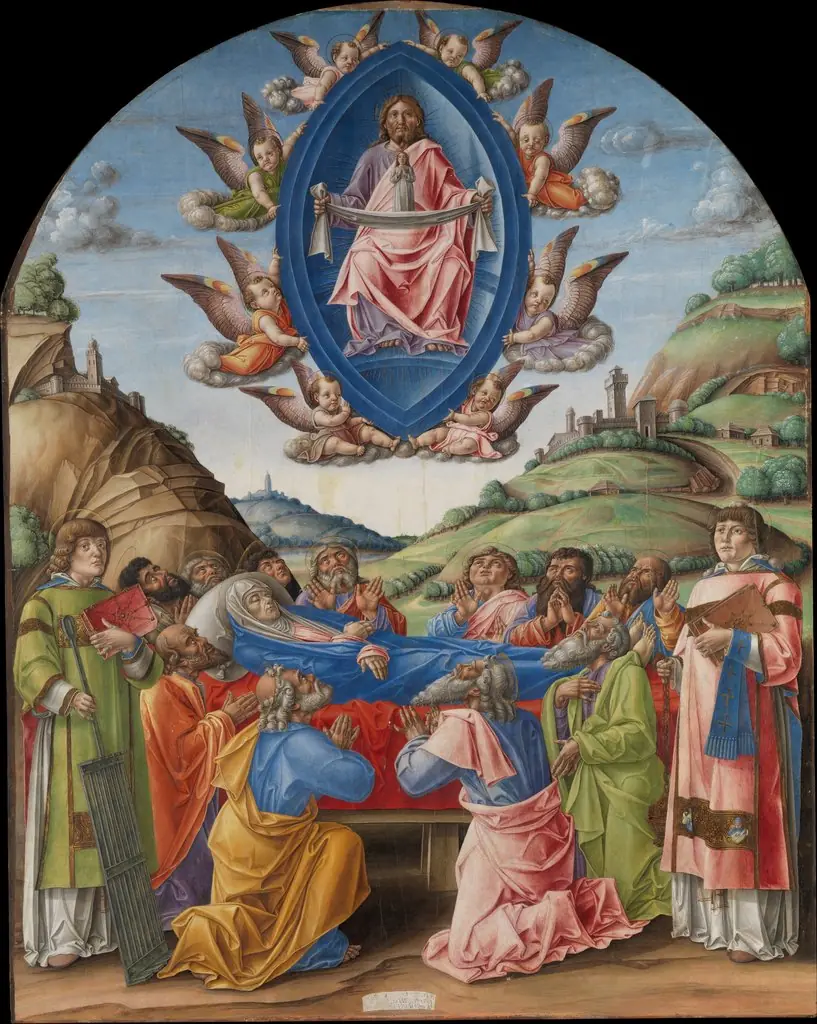 The Death of the Virgin
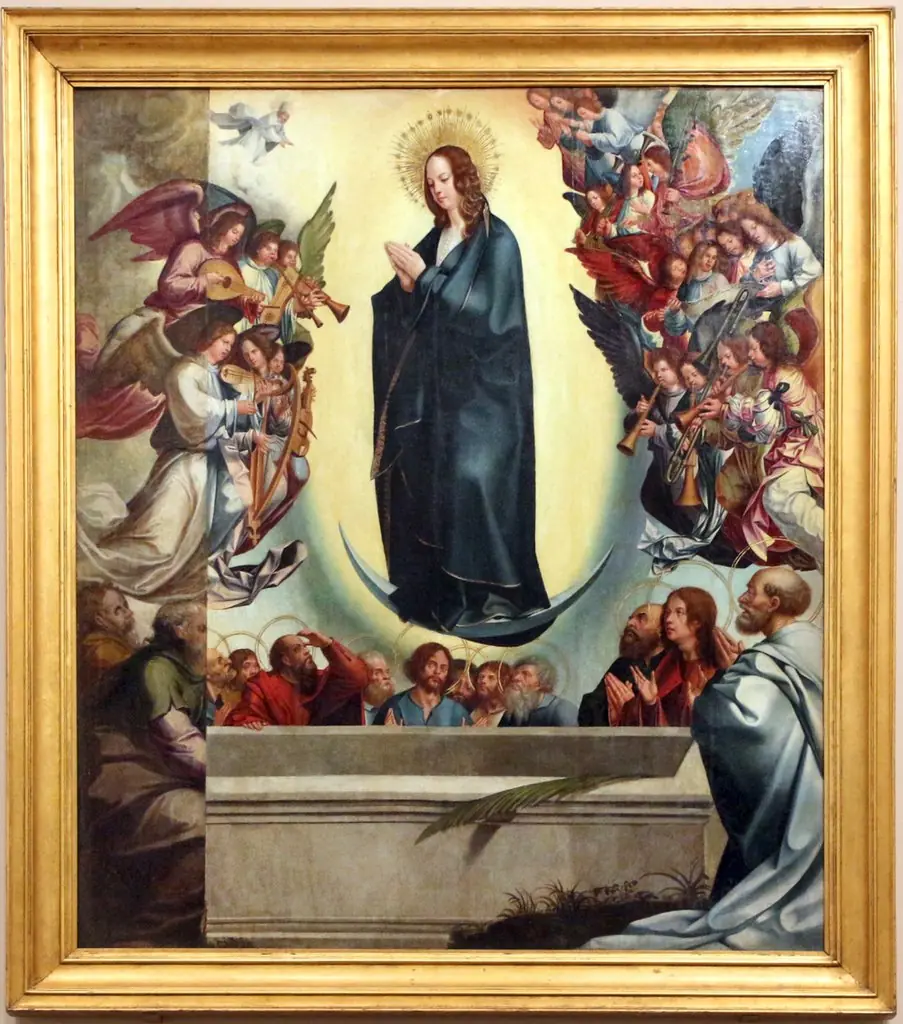 Assumption of the Virgin